Ultimate Care Guide: How to Clean a Handmade DMC Necklace
Learn how to properly clean, store, and maintain your handmade DMC necklace. Expert tips to prevent fading, fraying, and keep threads vibrant.

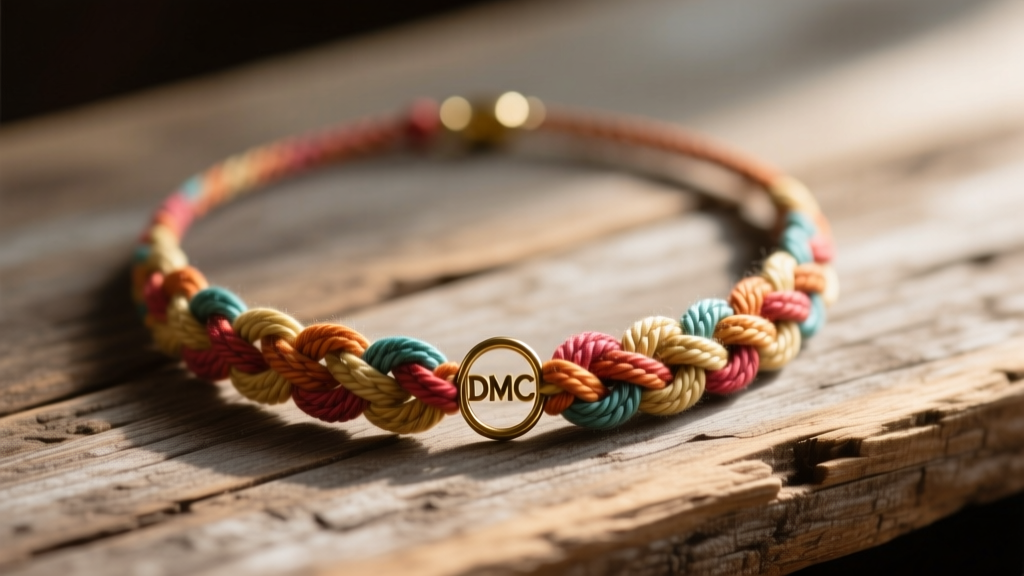
Hand-woven DMC thread jewelry bridges the gap between textile art and wearable adornment. Whether your piece features intricate macrame knotting, delicate wire-wrapping with colorful floss, or braided cotton pendants, caring for a DMC necklace requires a fundamentally different approach than cleaning solid metals or gemstones. DMC Mouliné Spécial, the gold standard for these artisanal pieces, is a 100% long-staple Egyptian cotton that undergoes a specific mercerization process. This gives the thread its signature silky sheen and vibrant color retention, but it also makes the fibers highly susceptible to alkaline degradation, UV fading, and moisture-related fraying.
In this comprehensive care guide, we break down the exact textile conservation techniques and jewelry maintenance protocols required to keep your handmade DMC necklace looking pristine for years to come.
Understanding DMC Thread Composition and Vulnerabilities
Before applying any liquid or polish to your jewelry, you must understand the material science of the thread. According to DMC Official, their premium embroidery floss is mercerized—a treatment involving sodium hydroxide that swells the cotton fibers, increasing their luster and affinity for dye. While this makes the colors remarkably colorfast under normal conditions, it also means the thread is sensitive to harsh chemicals.
The Three Primary Enemies of Cotton Floss Jewelry
- Alkaline Degradation: Standard jewelry cleaners and baking soda pastes have a high pH that can strip the mercerized coating, leaving the cotton dull and brittle.
- Mineral Deposits: Tap water contains calcium and magnesium. When it dries on cotton fibers, it leaves microscopic white crusts that attract dirt and stiffen the thread.
- Oxidation Transfer: When adjacent metal hardware (like sterling silver or brass clasps) tarnishes, the oxidation can physically rub off onto the porous cotton, creating stubborn dark stains.
Step-by-Step Cleaning Methods for Woven and Macrame DMC Necklaces
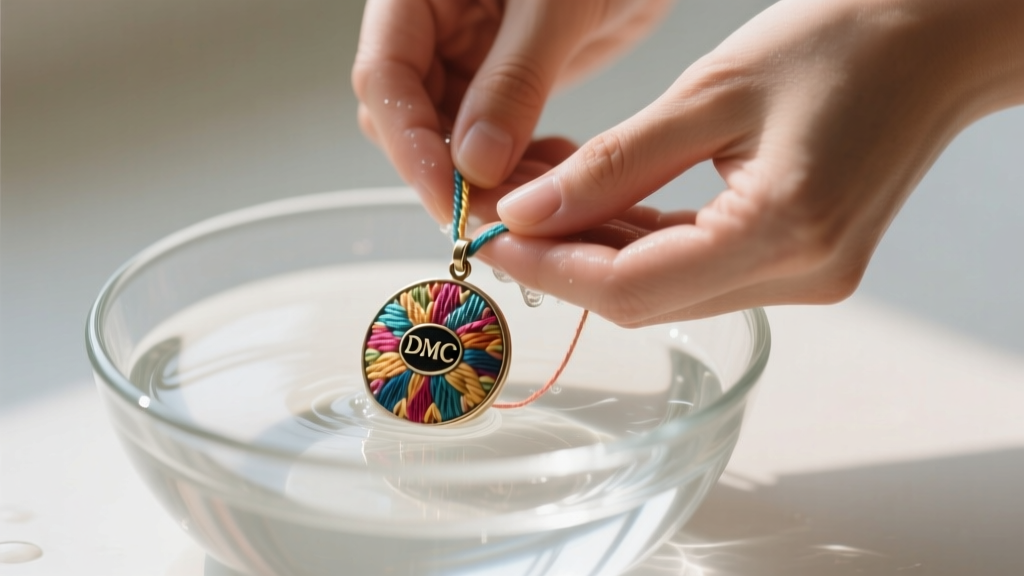
Unlike metal chains that can be tossed into an ultrasonic cleaner, a DMC necklace requires gentle, manual agitation. The Gemological Institute of America (GIA) emphasizes that porous materials must be cleaned with pH-neutral solutions to prevent structural damage.
The 'Dip and Swish' Technique
- Prepare the Bath: Fill a shallow glass bowl with distilled water (never tap water). Add exactly two drops of pH-neutral liquid castile soap.
- Submerge Briefly: Lay the necklace flat in the water. Do not let it soak for more than 3 to 5 minutes. Prolonged submersion can weaken the cotton's tensile strength and cause the metal jump rings to rust if they are not solid gold or stainless steel.
- Agitate Gently: Use your fingertips to gently press the soapy water through the macrame knots or braided sections. Never scrub, twist, or wring the thread, as this will cause severe fraying and distort the knotwork.
- Rinse and Press: Rinse the necklace in a second bowl of pure distilled water. Remove it and lay it flat on a clean, lint-free microfiber towel. Roll the towel up gently and press down to absorb excess moisture.
- Air Dry Flat: Reshape the necklace and let it air dry completely away from direct sunlight or heat sources.
Cleaning Agents: What to Use and What to Avoid
| Agent Type | Examples | Effect on DMC Cotton Thread | Verdict |
|---|---|---|---|
| pH-Neutral Soap | Dr. Bronner's Unscented Castile, Baby Shampoo | Cleans without stripping mercerization or altering dye pH. | Highly Recommended |
| Alkaline Cleaners | Baking Soda, Ammonia, Commercial Silver Dips | Destroys fiber luster, causes immediate dye bleeding and brittleness. | Never Use |
| Alcohols | Rubbing Alcohol, Hand Sanitizer | Desiccates the cotton fibers, leading to micro-fractures and fraying. | Avoid |
| Acids | White Vinegar, Lemon Juice | Can be used in highly diluted amounts only to set loose dyes, not for cleaning. | Use with Extreme Caution |
Hardware and Clasp Maintenance Without Damaging Thread
The metal components of your DMC necklace—whether sterling silver lobster clasps, brass wire wraps, or copper end-caps—will eventually oxidize. The challenge lies in removing this tarnish without applying chemical polishes to the adjacent cotton thread, which would cause immediate staining.
The Masking Tape Barrier Method:
Wrap the DMC thread immediately adjacent to the tarnished metal clasp tightly with painter's tape or medical tape. This creates a physical barrier. Next, apply a tiny amount of specialized silver or brass polishing paste to a cotton swab (Q-tip). Carefully buff the metal hardware, ensuring the swab does not touch the tape barrier. Once the metal is polished, wipe it with a damp microfiber cloth, remove the tape, and ensure no polishing residue has migrated to the thread. For routine maintenance, Jewelers Mutual recommends using a dry, treated anti-tarnish polishing cloth on the metal findings after every wear to prevent heavy oxidation buildup in the first place.
Proper Storage Techniques to Prevent Fraying and Fading
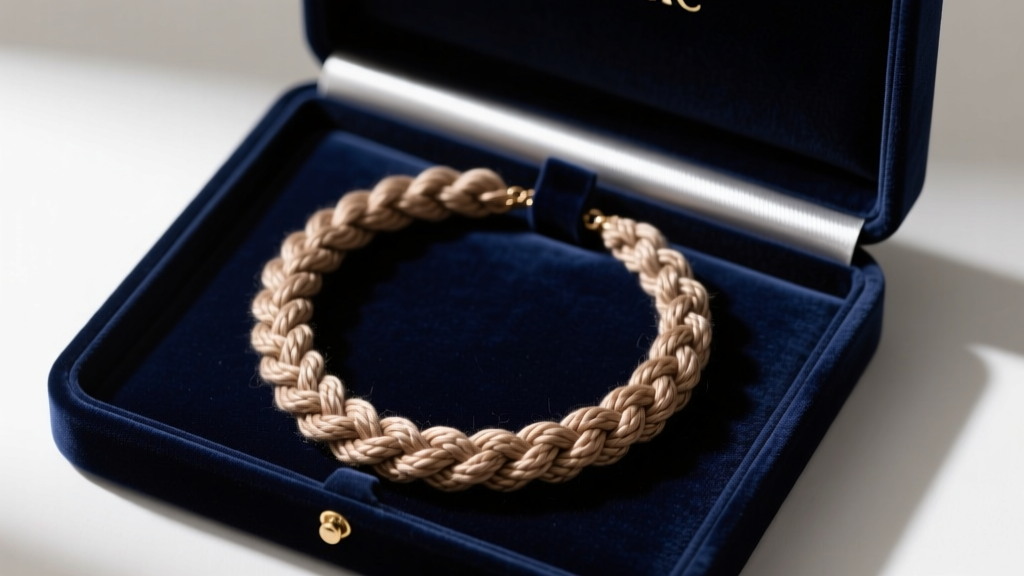
Because DMC floss is dyed cotton, it is inherently vulnerable to ultraviolet (UV) degradation. Prolonged exposure to direct sunlight will bleach the vibrant threads, turning deep reds into washed-out pinks and navy blues into dull grays. Furthermore, improper storage leads to tangling, which inevitably causes friction-based fraying when you attempt to untangle the knots.
- Use Archival Tissue Paper: Wrap the necklace in acid-free, archival-quality tissue paper before placing it in a box. Standard tissue paper contains acids that can yellow the white or light-colored cotton threads over time.
- Employ Anti-Tarnish Strips: Even if the thread doesn't tarnish, the metal findings do. Place a 3M anti-tarnish strip inside the storage container to absorb ambient sulfur compounds.
- The 'Coil and Clasp' Rule: Always fasten the clasp before storing. Lay the necklace in a perfect circle (coiling it naturally without twisting the thread) to prevent stress on the macrame knots or wire wraps.
Troubleshooting Common DMC Necklace Issues
Dealing with Frayed Thread Ends
If the ends of your DMC necklace or the decorative tassels begin to fray, do not use clear nail polish. Nail polish contains solvents and plasticizers that will yellow over time and create a hard, brittle crust that eventually snaps the cotton. Instead, use a specialized textile sealant like Dritz Fray Check. Apply a microscopic drop to the fraying tip using a toothpick, and let it cure for 24 hours. This creates a flexible, invisible bond that halts fraying without compromising the drape of the thread.
Fixing Color Bleeding
While genuine DMC Mouliné Spécial is highly colorfast, cheaper imitation threads or poorly rinsed artisanal dyes can sometimes bleed onto lighter threads or skin when exposed to sweat. If you notice color transfer, create a setting bath using one part distilled white vinegar to four parts cold distilled water. Submerge the affected area for exactly 10 minutes to help mordant the loose dyes, then rinse thoroughly in pure distilled water and lay flat to dry. Never use heat to dry a bleeding thread, as heat will permanently set the dye stain into the adjacent fibers.
By treating your handmade DMC necklace with the same respect you would afford a delicate textile artifact, you ensure that its vibrant colors and intricate knotwork remain a staple in your jewelry collection for decades.


