How to Clean a Cross Necklace From James Avery Safely
Learn expert methods to clean your cross necklace from James Avery. Discover safe care for oxidized silver, 14k gold, and gemstone inlays.
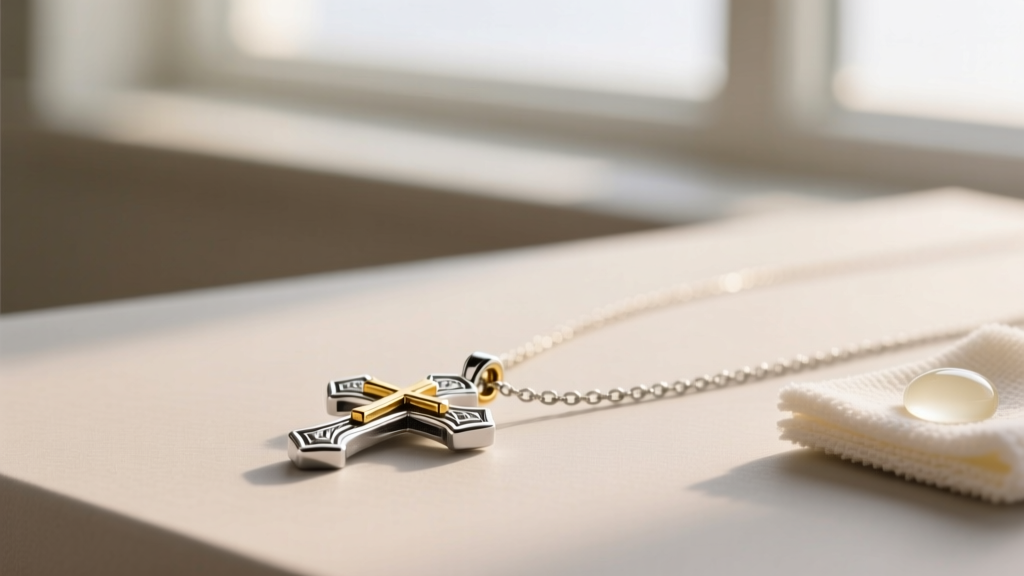

The Unique Metallurgy and Finishes of James Avery Jewelry
Owning a cross necklace from James Avery is often a deeply personal experience, blending faith, family milestones, and exceptional craftsmanship. However, maintaining the intricate details of these pieces requires more than a generic jewelry wipe. To properly care for your jewelry, you must first understand the specific metallurgy and finishing techniques the brand employs.
Most James Avery silver pieces are cast in .925 sterling silver. According to the Gemological Institute of America (GIA), sterling silver is an alloy consisting of 92.5% pure silver and 7.5% copper. While pure silver is highly resistant to tarnish, the copper added for structural durability reacts with hydrogen sulfide and moisture in the air, creating silver sulfide—the dark layer we recognize as tarnish.
The most critical factor in cleaning James Avery silver is recognizing whether your cross features a high-polish finish or an oxidized (antiqued) patina. Treating an oxidized piece with standard silver polish will permanently strip its intentional dark detailing.
Step-by-Step Cleaning Protocol for Sterling Silver Crosses
For standard, high-polish sterling silver crosses without gemstone inlays, a gentle chemical and mechanical approach is best. Avoid abrasive home remedies like baking soda paste or toothpaste, which contain micro-scratch agents that will dull the mirror finish over time.
- Preparation: Mix three drops of pH-neutral liquid dish soap (like original Dawn) into a bowl of warm distilled water. Distilled water is preferred over tap water because it lacks chlorine and heavy minerals that can leave microscopic water spots.
- Agitation: Submerge the cross necklace from James Avery for no more than three minutes. Use a clean, ultra-soft horsehair brush to gently agitate the crevices of the cross. Horsehair is soft enough to prevent micro-scratches on the silver but stiff enough to dislodge trapped sebum and lotions.
- Rinsing: Rinse thoroughly under a gentle stream of lukewarm distilled water.
- Drying: Pat dry immediately with a clean, lint-free microfiber cloth. Never allow sterling silver to air dry, as evaporation will leave mineral deposits.

The Oxidized Finish Warning
Many iconic James Avery designs, such as the Celtic Cross or certain sideways cross pendants, feature an oxidized finish. This is a deliberate process where the silver is exposed to sulfur compounds to darken the recessed areas, creating high contrast and highlighting the relief work.
Never use commercial silver dips (like Tarn-X) or treated polishing cloths on oxidized silver. These products contain thiourea or mild abrasives that will strip the dark patina from the crevices, leaving the piece looking flat, washed-out, and uneven. To clean an oxidized cross, simply use a dry microfiber cloth to buff the raised, high-polish areas, and a soft, dry makeup brush to dust out the darkened crevices.
Cleaning Gold and Mixed-Metal Variations
If your cross necklace from James Avery is crafted in 14k or 18k yellow, white, or rose gold, the cleaning protocol shifts slightly. Gold does not oxidize or tarnish like silver, but it is highly susceptible to accumulating a film of body oils, cosmetics, and environmental grime, which severely dulls its light refraction.
For gold and mixed-metal pieces (such as a silver cross with a gold overlay), the warm distilled water and mild dish soap method remains the gold standard. However, you must be exceptionally cautious around the solder points where the two metals meet. Avoid ultrasonic cleaners for mixed-metal jewelry, as the high-frequency vibrations can occasionally cause stress fractures at the bi-metal solder joints over prolonged use.
Gemstone and Enamel Inlays: High-Risk Zones
James Avery frequently incorporates materials like turquoise, mother of pearl, black onyx, and diamonds into their cross pendants. The GIA's gem care guidelines emphasize that porous and organic gemstones require drastically different care than hard crystalline stones.
| Material / Inlay | Safe Cleaning Method | Strictly Avoid |
|---|---|---|
| Diamonds | Warm soapy water, soft brush, ultrasonic | Chlorine bleach (can damage gold settings) |
| Turquoise | Dry or barely damp microfiber cloth only | Ultrasonic, steam, soaking, chemicals |
| Mother of Pearl | Damp cloth, immediate drying | Acids, ammonia, ultrasonic vibrations |
| Black Onyx | Mild soapy water, quick rinse | Prolonged soaking, harsh degreasers |
| Vitreous Enamel | Soft damp cloth, gentle wiping | Abrasive brushes, extreme temperature shifts |
Turquoise and mother of pearl are highly porous and sensitive to chemicals. Submerging a turquoise-inlaid cross in soapy water can cause the stone to absorb the liquid, leading to discoloration or the degradation of the adhesive holding the stone in the bezel. Always clean these pieces with a barely damp cloth, avoiding the stone settings entirely.

Chain Maintenance: Rope vs. Box Chains
The chain accompanying your cross pendant requires just as much attention. James Avery commonly pairs their crosses with rope chains or box chains, and their structural differences dictate how they trap debris.
- Rope Chains: The twisted, spiral nature of a rope chain creates thousands of microscopic grooves that act like magnets for dead skin cells, sweat, and lotions. To clean a rope chain, lay it flat on a microfiber towel and gently brush along the twist pattern with your horsehair brush and soapy water. Never pull or stretch a wet rope chain, as it can deform.
- Box Chains: Comprised of interlocking square links, box chains are more robust but can trap grime inside the square hinges. Running the chain through a folded, damp microfiber cloth (pulling it back and forth like you are flossing) is the most effective way to clean the interior of the links.
Storage and Anti-Tarnish Strategies
Proper storage is the most effective maintenance tool for your cross necklace from James Avery. The goal is to limit the silver's exposure to sulfur and humidity.
- Individual Pouches: Store your necklace in its original James Avery flannel pouch or an anti-tarnish Pacific Silvercloth bag. Never store multiple pieces together, as the friction can cause micro-scratches, and different metal alloys can cause galvanic corrosion when touching in humid environments.
- Anti-Tarnish Strips: Place a 3M anti-tarnish strip inside your jewelry box or storage pouch. These strips contain copper-based polymers that intercept and absorb airborne sulfur compounds before they can reach your silver. Replace these strips every six months.
- Humidity Control: If you live in a high-humidity climate, store your jewelry in an airtight container with a small silica gel desiccant packet to keep the relative humidity below 50%.
Troubleshooting Hardware: The Jump Ring Failure Mode
Finally, regular maintenance includes inspecting the hardware. The jump ring is the small metal loop connecting your cross pendant to the chain. James Avery uses high-quality soldered jump rings on many of their heavier pendants, which are highly secure. However, on lighter chains or older pieces, you may encounter a split (unsoldered) jump ring.
During your cleaning routine, gently run your fingernail over the seam of the jump ring. If you feel a catch, or if the gap has widened enough to slide a piece of paper through, the ring is compromised. Do not wear the necklace until a professional jeweler can re-close and solder the jump ring. Catching this mechanical failure during your monthly cleaning routine is the best way to prevent the heartbreaking loss of a cherished cross pendant.