Expert Care Guide for Your Large Gold Pendant Necklace
Learn expert cleaning, maintenance, and storage tips to protect your large gold pendant necklace from scratches, tarnish, and bail wear.

The Unique Vulnerabilities of Heavy Gold Pendants
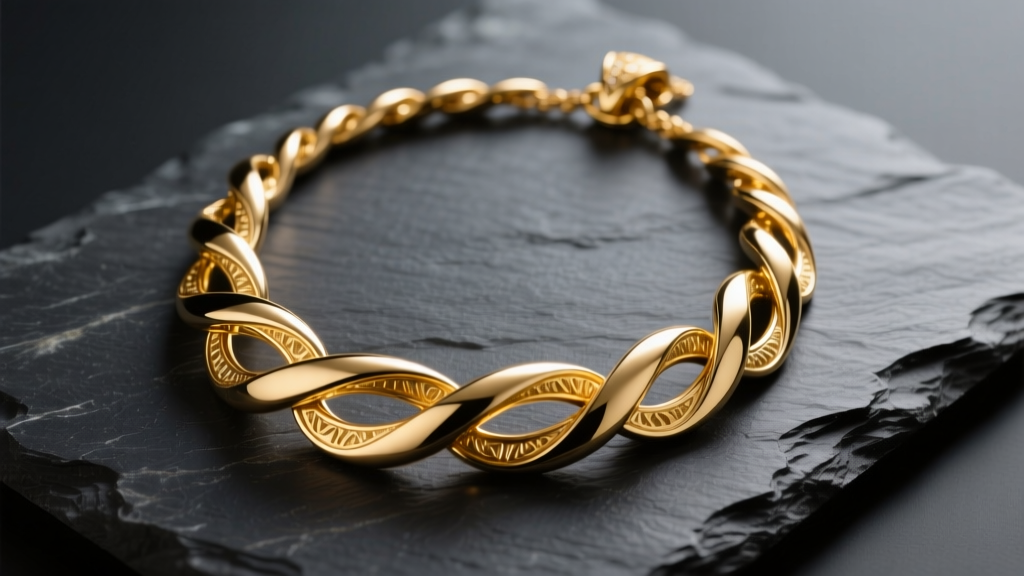
Owning a large gold pendant necklace is a statement of luxury and personal style, but the physics of heavy jewelry introduce unique maintenance challenges that lighter pieces simply do not face. When a pendant exceeds 15 grams, gravity and kinetic movement transform the bail—the loop connecting the pendant to the chain—into a high-friction pivot point. Over time, this constant rubbing acts like a microscopic saw, slowly degrading both the bail and the chain links.
Furthermore, the metallurgical composition of your gold dictates its environmental vulnerabilities. While pure gold is virtually impervious to tarnish, the alloy metals mixed in to create 14k and 18k gold are highly reactive to sulfur, chlorine, and human sebum. In 2026, with increased environmental pollutants and the widespread use of chemical-laden skincare products, proactive maintenance is no longer optional; it is essential for preserving the structural integrity and luster of your investment.
Karat-Specific Cleaning Protocols
Not all gold is created equal. The karat weight determines the ratio of pure gold to alloy metals (like copper, silver, and zinc), which directly impacts how the metal reacts to cleaning agents and environmental exposure. According to the Gemological Institute of America (GIA), understanding your specific gold alloy is the first step in safe jewelry maintenance.
| Gold Karat | Gold Content | Primary Alloys | Tarnish Risk | Recommended Cleaning Frequency |
|---|---|---|---|---|
| 22K | 91.6% | Silver, Copper | Very Low | Bi-annually |
| 18K | 75.0% | Copper, Silver, Zinc | Low | Quarterly |
| 14K | 58.3% | Copper, Nickel, Zinc | Moderate | Monthly |
For 14k gold, the higher copper content makes it more susceptible to oxidation, resulting in a dull, darkened film over time. Conversely, 18k and 22k gold resist tarnish but are significantly softer, making them prone to micro-scratching during aggressive polishing. Never use abrasive polishing cloths on high-karat gold; instead, rely on chemical-free liquid washes.
Step-by-Step Deep Cleaning Method
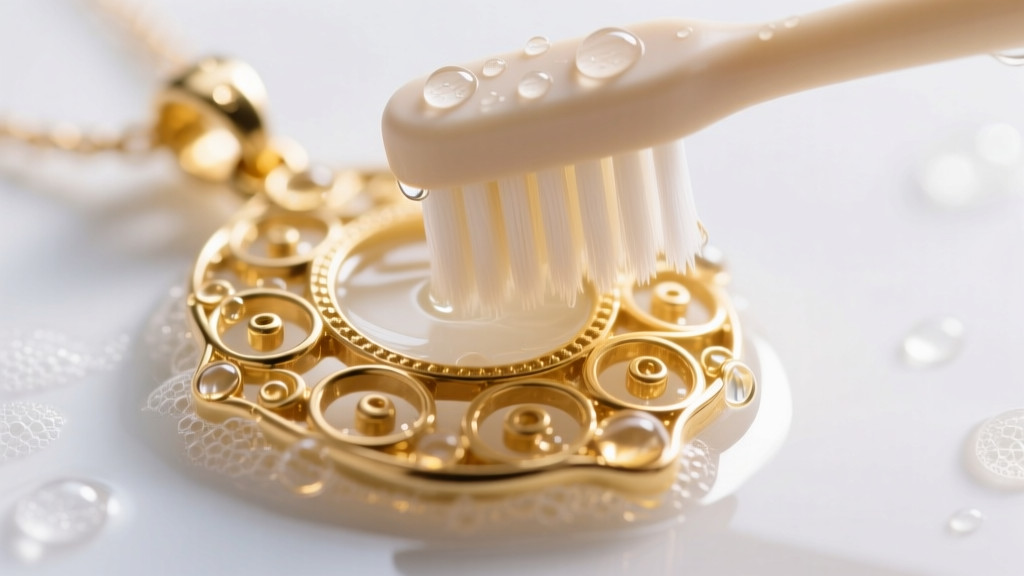
To safely remove accumulated sebum, dead skin cells, and environmental grime from your large gold pendant necklace, follow this professional-grade, non-destructive cleaning protocol:
- Prepare the Solution: Fill a glass bowl with lukewarm distilled water. Tap water contains minerals and chlorine that can leave hard water spots or react with copper alloys. Add three drops of a pH-neutral, phosphate-free dish soap (such as original Dawn).
- Soak: Submerge the necklace for exactly 10 to 15 minutes. This softens hardened oils trapped in the filigree or under gemstone settings without compromising the metal.
- Agitate Gently: Using a brand-new, extra-soft baby toothbrush, gently sweep the bristles across the pendant's surface. Pay special attention to the back of the pendant and the inside of the bail, where skin oils accumulate most heavily.
- Rinse and Dry: Rinse thoroughly under a gentle stream of distilled water. Pat dry with a lint-free microfiber cloth. Avoid paper towels, as their wood pulp fibers can inflict micro-scratches on polished gold surfaces.
Environmental Hazards: Chlorine and Sulfur
Gold itself is noble, but the alloys within your necklace are highly reactive. Chlorine is the ultimate enemy of gold alloys. Exposure to chlorinated pool water or harsh household bleach can cause a metallurgical reaction known as stress corrosion cracking. This literally breaks down the molecular bonds of the alloy metals, making the gold brittle and prone to snapping under the weight of a heavy pendant. Always remove your necklace before swimming or cleaning.
Sulfur is the primary culprit behind tarnish. It is present in the air, in certain foods, and in natural hot springs. When sulfur binds with the copper or silver in 14k or 18k gold, it creates a dark layer of silver sulfide or copper sulfide on the surface. If you live in a high-humidity environment or an area with elevated industrial pollution, you will need to increase your cleaning frequency and utilize anti-tarnish storage solutions religiously.
Inspecting the Bail and Chain for Structural Fatigue
The most common point of catastrophic failure for a large gold pendant necklace is the bail. Because heavy pendants swing and shift with the wearer's movements, the interior of the bail experiences relentless friction against the chain.
The "Sawing" Effect
Every six months, perform a tactile and visual inspection of the bail hole. Run a piece of dental floss through the bail; if it catches or shreds, the interior metal has developed microscopic burrs or has worn dangerously thin. If you notice the bail thinning, take the piece to a jeweler for a bail replacement or have a protective platinum sleeve soldered inside the gold loop to halt further degradation.
Additionally, inspect the clasp. Heavy pendants put immense tensile stress on the chain's weakest point: the spring ring or lobster clasp. If the clasp mechanism feels sluggish or fails to snap back with a crisp, audible click, the internal spring is fatigued and requires immediate replacement to prevent loss.
Gemstone Considerations in Large Pendants
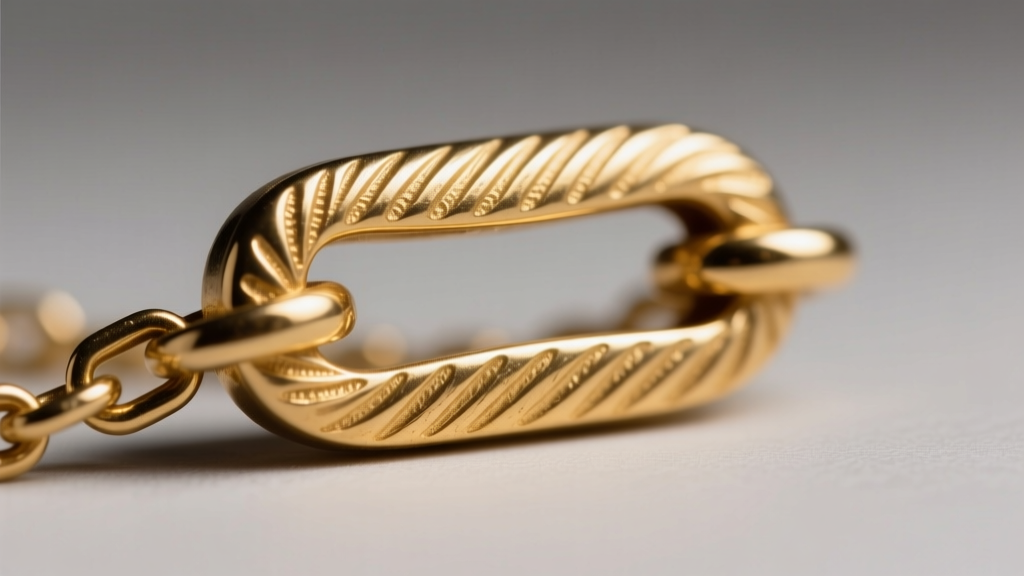
Large gold pendants frequently serve as the setting for substantial center stones. The Federal Trade Commission (FTC) mandates that jewelers disclose treatment enhancements, which heavily dictate cleaning safety. If your pendant features an emerald, opal, turquoise, or lapis lazuli, never use an ultrasonic cleaner. Ultrasonic waves create microscopic cavitation bubbles that can shatter heavily included emeralds or strip the vital moisture from opals, causing them to craze and crack. Stick strictly to the damp-cloth wiping method for these porous or fragile stones.
Proper Storage to Prevent Micro-Scratching
How you store your large gold pendant necklace when it is not being worn is just as critical as how you clean it. Tossing a heavy gold pendant into a communal jewelry box guarantees a tangled chain and severe surface scratching from adjacent pieces.
Expert Insight: Gold is a relatively soft metal (ranking 2.5 to 3 on the Mohs hardness scale). It will easily scratch if it comes into contact with harder materials like diamonds, sapphires, or even other gold pieces with textured finishes.
Store your necklace in an individual, anti-tarnish flannel pouch (such as Pacific Silvercloth) which is treated with fine silver particles that absorb hydrogen sulfide gas from the air before it can react with the copper alloys in your gold. Always store the necklace laid completely flat in a drawer or hung on a padded, velvet-lined hook. Hanging prevents the chain from developing permanent kinks, which are notoriously difficult to remove from heavier rope or Figaro chains without professional jeweler intervention.
Professional Maintenance Schedules
While at-home care is vital, a large gold pendant necklace requires professional intervention to maintain its structural integrity over decades of wear. We recommend establishing a relationship with a certified bench jeweler for an annual check-up.
During this visit, the jeweler will perform a sonic steam clean to remove impervious grime that a soft brush cannot reach. More importantly, they will use a microscope to inspect the structural integrity of the bail, the solder points on the chain links, and the prongs if your pendant features gemstones. Catching a microscopic fracture in a chain link or a worn prong before it fails can save you from losing a priceless heirloom or a significant financial investment.


