How to Safely Clean and Maintain Image Necklaces
Learn how to safely clean, polish, and maintain custom image necklaces without damaging resin coatings, laser engravings, or projection lenses.

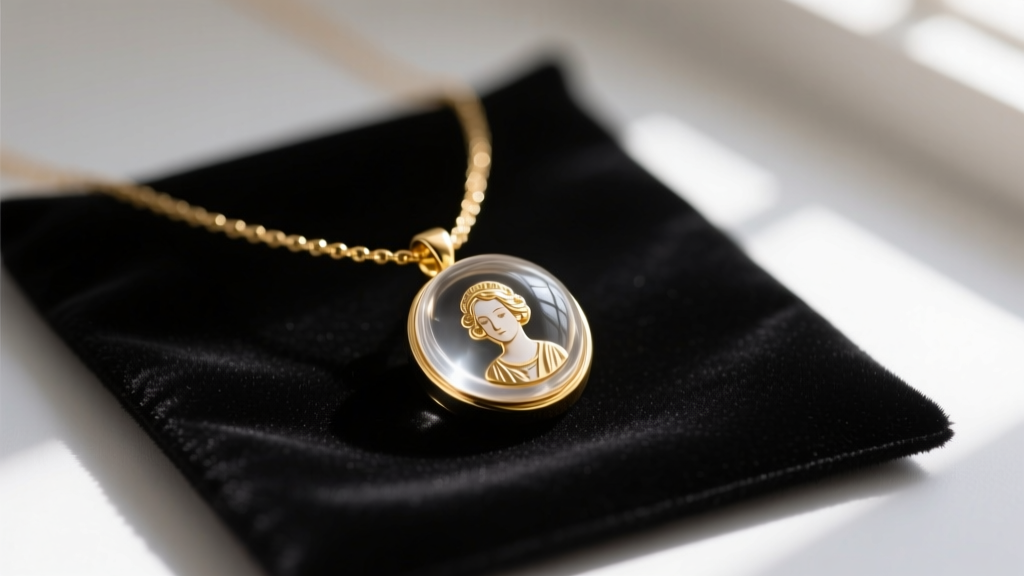
Image necklaces are among the most deeply sentimental pieces in any jewelry collection. Whether you wear a vintage locket, a modern resin-coated photo pendant, a laser-engraved portrait, or a hidden projection necklace, these pieces require highly specialized care. Standard jewelry cleaning methods—like ultrasonic baths or harsh chemical dips—can instantly destroy the delicate photographic elements and optical components that make these necklaces unique.
In this comprehensive guide, we break down the exact material science behind custom photo jewelry. You will learn how to safely remove oils, tarnish, and environmental buildup without compromising the structural integrity of the image medium. According to the Gemological Institute of America (GIA), understanding the specific vulnerabilities of mixed-media jewelry is the first step in preventing irreversible damage.
Understanding Your Image Necklace Type
Before applying any cleaning agent, you must identify how the image is housed within the pendant. The three most common constructions in the 2026 market are resin-domed photo pendants, laser-oxidized metal engravings, and micro-lens projection necklaces. Each reacts differently to moisture, friction, and chemical solvents.
| Pendant Type | Base Material | Image Medium | Safe Cleaning Agents | Strictly Avoid |
|---|---|---|---|---|
| Resin-Domed Photo | Sterling Silver, Brass | Printed paper under epoxy resin | Dry microfiber, mild soap foam | Alcohol, submersion, ultrasonic |
| Laser-Engraved | Stainless Steel, Titanium | Oxidized metal surface | Jeweler's cloth (edges only) | Abrasive pastes, liquid dips |
| Projection Lens | Gold Vermeil, Alloy | Internal glass micro-lens | Optical lens brush, dry cloth | Any liquids, compressed air |
Step-by-Step Cleaning Guide for Resin Photo Pendants
Resin-domed pendants feature a printed photograph sealed beneath a convex layer of clear epoxy or polyurethane resin. The primary enemy of this design is moisture ingress and chemical degradation. If water breaches the resin-to-metal bezel seal, the paper photograph will warp, bleed, and eventually grow mold.
The Daily Wipe-Down Technique
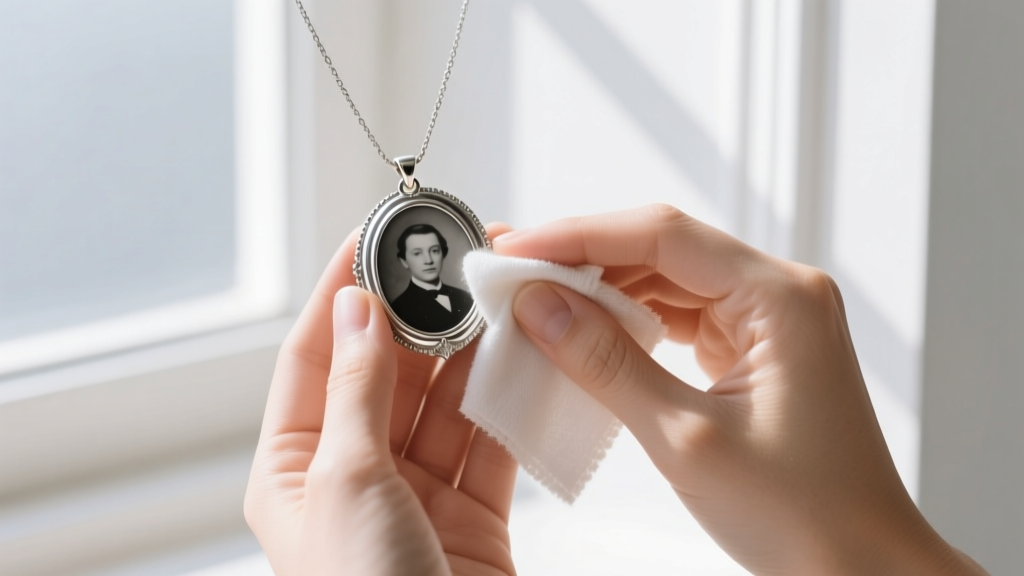
Skin oils and cosmetics create a cloudy film over the resin dome, dulling the image beneath. To clean the surface:
- Use a clean, dry, high-density microfiber cloth (the type used for camera lenses).
- Apply zero pressure; let the microscopic fibers lift the oils.
- Use a soft-bristled makeup brush to gently sweep dust out of the crevice where the resin meets the metal bezel.
The Ultrasonic and Chemical Trap
Never place a resin photo pendant in an ultrasonic cleaner. The high-frequency cavitation bubbles created by these machines generate localized micro-shockwaves that will shatter the adhesive bond between the resin dome and the metal backing. Furthermore, avoid isopropyl alcohol and ammonia-based glass cleaners. Alcohol causes 'micro-crazing'—a network of microscopic cracks in the epoxy that scatters light, making the resin look permanently frosty and yellowed.
Maintaining Laser-Engraved Metal Image Necklaces
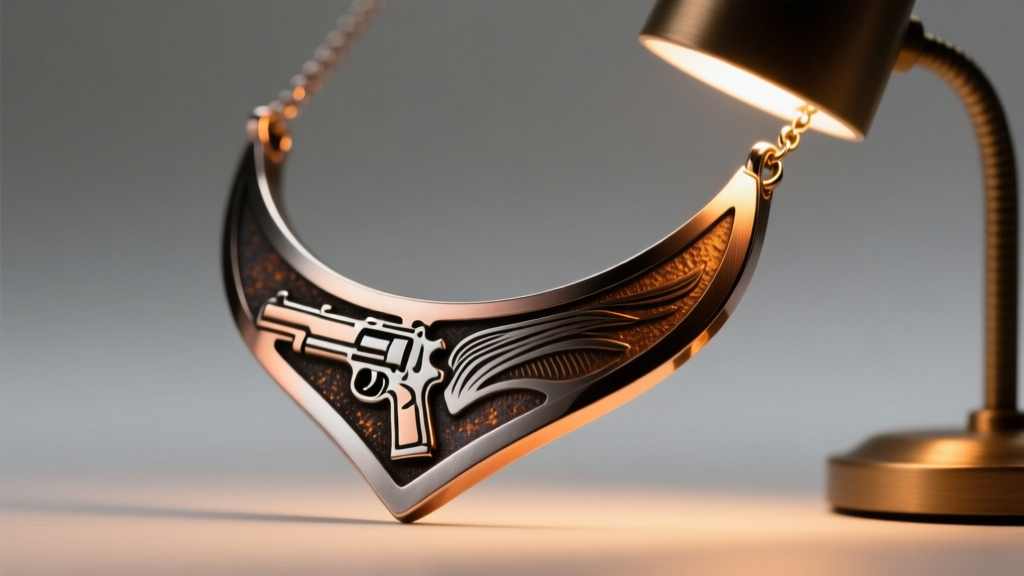
Laser-engraved image necklaces use high-heat lasers to vaporize the top layer of metal, creating a portrait through contrast. On stainless steel or sterling silver, this contrast is often enhanced by intentionally oxidizing the engraved grooves or filling them with black enamel.
Polishing Without Erasing Contrast
The most common mistake owners make is applying liquid silver polish or abrasive pastes (like Brasso) to an engraved pendant. These compounds will strip the dark oxidation out of the laser-etched grooves, reducing your high-contrast portrait to a faint, unreadable smudge. The Federal Trade Commission (FTC) Jewelry Guides warn against using unverified chemical treatments on specially finished metals, as it alters the manufacturer's intended surface treatment.
The Correct Polishing Method:
- Use an impregnated jeweler's polishing cloth (such as a Sunshine cloth) which contains microscopic jeweler's rouge.
- Only polish the back of the pendant and the smooth outer edges of the bezel.
- Never rub the cloth directly over the engraved image face.
- If the engraved face accumulates oils, use a drop of distilled water on a cotton swab to gently dab the surface, then immediately dry it with compressed air or a hairdryer on a cool setting.
Caring for Projection Necklaces (Internal Lenses)
Projection necklaces contain a tiny glass micro-lens that projects a digital image when light passes through it. The lens is seated in a delicate metal housing. Because the lens is essentially a miniature optical instrument, treating it like standard jewelry will ruin its focal clarity.
- Never submerge: Water will seep past the bezel threading and become trapped behind the lens, creating permanent internal fogging that cannot be wiped away.
- Avoid compressed air: Blowing canned air directly into the lens housing can force microscopic dust particles deeper into the focal chamber or crack the delicate glass element due to the extreme cold of the propellant.
- Optical cleaning only: If the viewing window gets smudged, use a dry optical lens brush to flick away debris, followed by a gentle breath of warm air and a wipe with a dedicated eyeglass microfiber cloth.
Storage and UV Protection: Preventing Resin Yellowing
Even with perfect cleaning, image necklaces face a silent threat: ultraviolet (UV) radiation. Over time, exposure to direct sunlight causes the chemical bonds in epoxy resin to break down, resulting in an irreversible amber or yellow tint. This yellowing acts like a sepia filter over your photograph, muting the original colors.
To maximize the lifespan of your image necklace:
- Store the piece in a dark, climate-controlled jewelry box lined with anti-tarnish treated flannel.
- Keep the necklace inside its original velvet pouch when not in use to block ambient UV rays from nearby windows.
- Remove the necklace before swimming. Chlorine in pools and salt in ocean water will rapidly corrode the metal bezel holding the resin dome in place, leading to structural failure.
Summary Maintenance Checklist
Preserving the emotional resonance of your custom jewelry requires a shift in how you view maintenance. By treating image necklaces as delicate optical devices rather than standard metal accessories, you ensure they remain vibrant for decades.
- Daily: Wipe resin domes and projection lenses with a dry, clean microfiber cloth to remove skin oils.
- Weekly: Use a soft makeup brush to dust the metal bezels and chain links.
- Monthly: Inspect the bezel seal on resin pendants for any lifting or gaps; if detected, stop wearing it and consult a jeweler for re-sealing.
- Annually: Polish the back and chain of metal pieces with a treated jeweler's cloth, strictly avoiding the image-bearing surfaces.


