Ultimate Care Guide for a Necklace With Guitar Pick Pendant
Learn expert cleaning and maintenance tips for your necklace with guitar pick pendants. Protect metal, wood, and celluloid picks from sweat and tarnish.

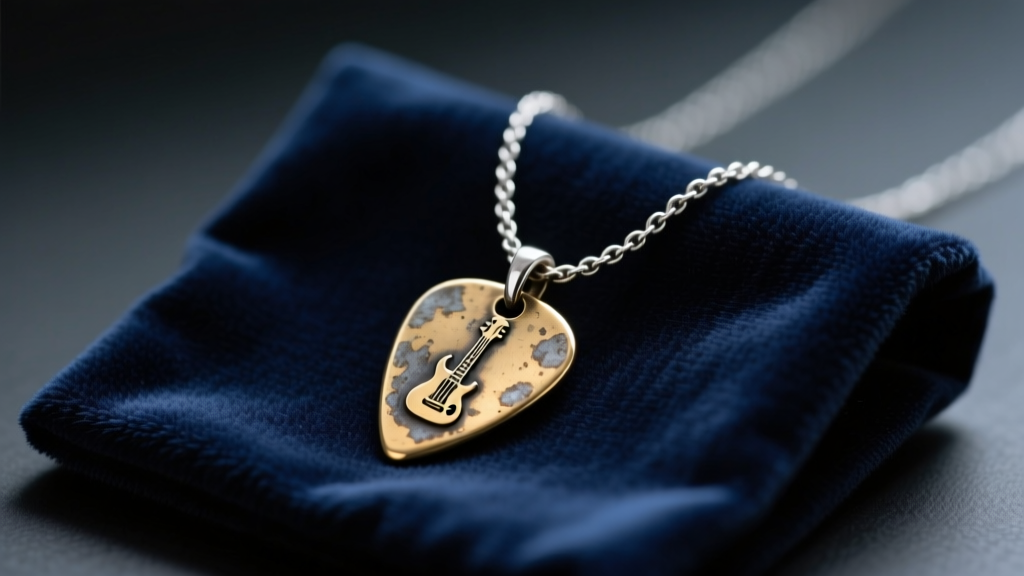
A necklace with guitar pick pendants serves as both a musical talisman and a deeply personal accessory. Whether you are a touring musician wearing your lucky pick against your chest during a high-energy set, or a fan wearing a sentimental gift, the intersection of jewelry metallurgy and guitar pick materials creates unique maintenance challenges. Standard jewelry care advice often falls short here, as the friction from the pick's bail, exposure to acidic sweat, and the diverse polymers used in pick manufacturing require highly specific protocols.
The Unique Challenges of Guitar Pick Pendants
Unlike traditional gemstone or cast-metal pendants, a guitar pick pendant is subject to extreme mechanical and chemical stress. The primary vulnerability lies at the bail—the hole drilled or punched through the top of the pick. When a metal chain threads directly through a standard 3mm to 5mm pick hole, every movement creates a micro-abrasion point. Over time, this friction can saw through an 18-gauge or 20-gauge chain, leading to catastrophic loss of the pendant.
Furthermore, if you wear your necklace with guitar pick pendant while playing or performing, it is continuously bathed in human sweat. Sweat contains lactic acid, urea, and salts. According to the Jewelers of America, the acidic pH of perspiration accelerates the oxidation of base metals and can permanently cloud certain synthetic pick materials. Understanding the exact material of your pick is the first step in establishing a proper care regimen.
Sweat, Friction, and Material Degradation
Celluloid, the material used in vintage and classic tortoiseshell-pattern picks, is highly reactive. It is composed of nitrocellulose and camphor. When exposed to the alcohol-based cleaners often recommended for standard jewelry, celluloid can dry out, crack, or even become highly flammable. Conversely, solid metal picks (like brass or copper) will undergo rapid galvanic corrosion when exposed to the salts in sweat, leading to the dreaded 'green skin' effect and structural pitting.
Material-Specific Cleaning Protocols
To properly maintain your necklace with guitar pick attachments, you must separate the care of the chain from the care of the pick. Below is a comprehensive matrix detailing the safe and hazardous cleaning agents for the most common guitar pick materials.
| Pick Material | Vulnerability | Safe Cleaners | Cleaners to Avoid |
|---|---|---|---|
| Sterling Silver (925) | Sulfur tarnish, scratching | Mild dish soap, Sunshine polishing cloths | Bleach, abrasive toothpaste |
| Brass / Copper | Verdigris (green oxidation), acidic sweat | Lemon juice & salt bath (rinse immediately), metal polish | Ultrasonic cleaners, ammonia |
| Celluloid | Alcohol degradation, heat warping | Damp microfiber cloth, distilled water | Isopropyl alcohol, ultrasonic, hot water |
| Delrin / Acetal | Surface scratching | Mild soap, soft cotton swabs | Solvents, stiff-bristled brushes |
| Wood / Inlay | Moisture swelling, oil drying | Dry brushing, mineral oil conditioning | Submersion in water, chemical dips |
Sterling Silver and Brass Metal Picks
For metal picks, the goal is to remove oxidized layers without stripping the intentional patina or laser-engraved details. If your brass or copper pick has developed a crusty green layer (verdigris), create a paste using equal parts baking soda and distilled water. Apply it with a soft makeup brush—not a stiff toothbrush, which will scour the metal. Let it sit for three minutes, then rinse thoroughly and dry immediately with a lint-free cloth. For sterling silver picks, rely on impregnated silver polishing cloths. As noted by Fender Musical Instruments, the bevel of a guitar pick is crucial for playability; if you occasionally use your pendant pick to actually play guitar, avoid polishing the beveled edges with heavy compounds that could affect the string release.

Celluloid, Delrin, and Acrylic Picks
Celluloid and Delrin picks are often chosen for their vibrant colors and vintage aesthetics. To clean these, use a drop of pH-neutral dish soap (like Dawn) in lukewarm—not hot—water. Gently wipe the surface with a microfiber cloth. If your pick features a printed graphic or logo, avoid rubbing the design directly, as the friction can wear away the ink over time. Never use ultrasonic jewelry cleaners for synthetic picks; the high-frequency cavitation bubbles can cause microscopic fractures in the polymer matrix, leading to sudden shattering.
Wood and Stone Inlay Picks
Wooden guitar pick pendants (often made from dense tonewoods like rosewood, ebony, or zebrawood) are highly porous. Water is the enemy here. To clean a wood pick, use a dry, soft-bristled brush to remove dust and skin cells from the grain. Once every six months, apply a single drop of food-grade mineral oil or specialized guitar fretboard oil to a cloth and buff it into the wood to prevent desiccation and cracking. Stone picks (like agate or jade) can be safely cleaned with mild soap and water, but ensure the setting or wire-wrap holding the stone is completely dried afterward to prevent rust.
Chain Maintenance and Bail Upgrades
The chain supporting your necklace with guitar pick pendant requires its own maintenance strategy. The standard spring-ring clasp found on many mass-market necklaces is a weak point, prone to failing under the pendulum-like weight of a heavy metal pick. Upgrade to a lobster clasp for superior security.
More importantly, address the bail friction. If your chain threads directly through the pick's hole, consider having a jeweler solder a small, hardened steel jump ring through the pick hole, and attach the chain to that jump ring. This creates a sacrificial wear point. When the jump ring eventually thins from friction, it costs pennies to replace, saving your expensive chain and preventing the loss of your pick. For heavy metal picks (over 15 grams), opt for a 14-gauge or 16-gauge box chain or wheat chain, which offer superior tensile strength compared to delicate rope or snake chains.

Storage Solutions for Touring and Daily Wear
How you store your guitar pick necklace when it is not around your neck is just as critical as how you clean it. Tossing it into a crowded gig bag or a generic jewelry box invites disaster. The sharp beveled edge of a metal or hard plastic pick can easily scratch adjacent jewelry or become scratched itself.
- Anti-Tarnish Strips: If your pick or chain is silver, brass, or copper, store the necklace in a sealed ziplock bag with a 3M anti-tarnish strip. This absorbs ambient sulfur and prevents oxidation while on the road.
- Individual Pouches: Keep the necklace in a soft flannel or microfiber pouch. This prevents the pick from accumulating dust and protects any delicate enamel inlay work from chipping.
- Climate Control: Avoid leaving celluloid or wooden picks in a hot vehicle or direct sunlight. Extreme heat will warp celluloid and crack wood, ruining the pendant permanently.
Troubleshooting Common Pick Necklace Issues
The 'Green Skin' Reaction
If your brass or copper guitar pick pendant is turning your chest green, this is not an allergy; it is a chemical reaction between the metal alloys and your skin's acidity. To solve this without altering the look of the pick, apply a thin coat of clear, jewelry-safe lacquer or a specialized skin-guard coating to the back of the pick. Reapply every few months as the coating wears off from friction against your clothing and skin.
Faded Laser Engravings
Many guitar pick necklaces feature laser-engraved names, dates, or band logos. Over time, the dark contrast in the grooves fades as skin oils and dust fill the channels. To restore the engraving, gently clean the grooves with a cotton swab dipped in a tiny amount of mineral spirits (only if the pick is solid metal or stone; avoid on plastics). Once clean and dry, use a black enamel paint pen or specialized jewelry rub-in wax to fill the grooves, wiping away the excess immediately with a soft cloth.
By treating your necklace with guitar pick pendants not just as standard jewelry, but as a specialized intersection of musical gear and metallurgy, you ensure that your talisman remains pristine, secure, and ready for whatever stage or daily life throws your way.


