How to Clean and Maintain Any Phone Necklace Material
Learn how to clean, maintain, and protect your phone necklace. Discover material-specific care tips for nylon, silicone, beads, and metal hardware.

Why Phone Necklaces Degrade Faster Than Traditional Jewelry
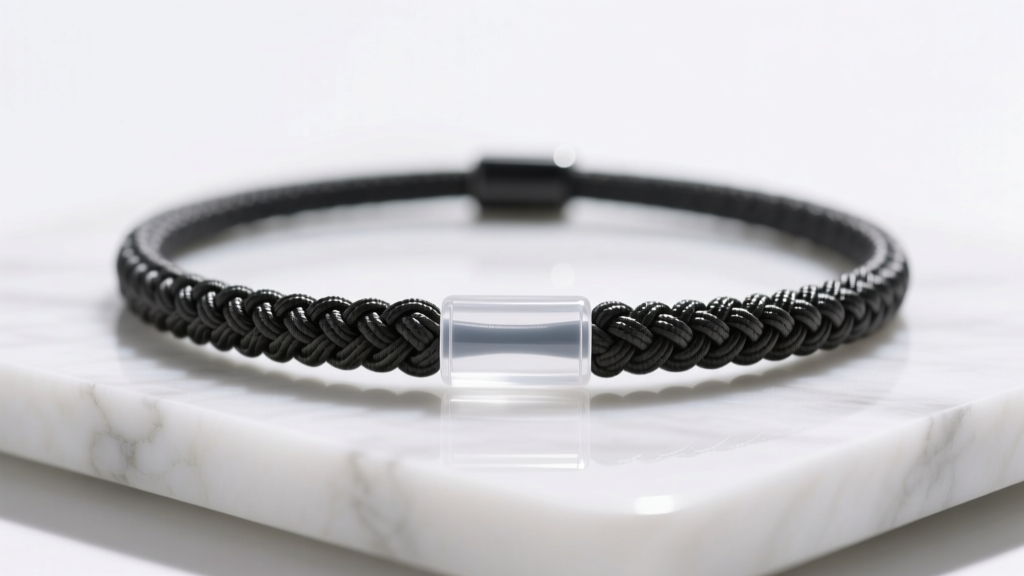
The modern phone necklace—whether a beaded chain, a crossbody paracord lanyard, or a minimalist silicone strap—bridges the gap between tech accessory and fashion staple. However, because these pieces are subjected to constant friction, daily UV exposure, human sebum, and chemical-laden sunscreens, they degrade significantly faster than traditional necklaces or pendants. In 2026, as phone necklaces have evolved to include complex modular hardware and mixed-media beads, proper maintenance is no longer optional; it is essential for preventing catastrophic drops and skin irritation.
Unlike a gold chain that rests quietly against the collarbone, a phone necklace bears dynamic loads (often 200 to 250 grams) and swings against zippers, keys, and makeup. Understanding the specific material science of your strap is the first step toward extending its lifespan from a single season to several years.
Material-Specific Cleaning Protocols
Different polymers and textiles react uniquely to cleaning agents. Using the wrong solvent can cause micro-fractures in plastics or strip the protective coatings off dyed beads.
Nylon, Paracord, and Woven Textiles
Nylon cords, particularly 550 paracord and high-denier Cordura weaves, are incredibly strong but highly porous. They absorb sweat, dead skin cells, and pocket lint, leading to a stiff, discolored, and foul-smelling strap over time. According to the L.L. Bean Gear Care Guide, synthetic textiles should never be washed in hot water or placed in a dryer, as heat melts the nylon fibers and ruins the cord's structural memory.
- The Wash: Fill a basin with lukewarm water and a few drops of mild, enzyme-free dish soap (like Dawn).
- The Agitation: Submerge the nylon strap (detaching it from the metal hardware if possible) and use a soft-bristled toothbrush to gently scrub the woven grooves.
- The Rinse & Dry: Rinse thoroughly under cold water. Press the cord between two microfiber towels to extract excess water, then lay it flat on a drying rack. Never hang it wet, as the weight of the water can stretch the nylon fibers permanently.
Silicone, TPU, and PVC Straps
Silicone phone necklaces are popular for their skin-friendly, hypoallergenic properties. However, silicone is lipophilic, meaning it attracts and binds to oils, lotions, and sebum. This causes the strap to turn slippery and develop a grayish, cloudy film.
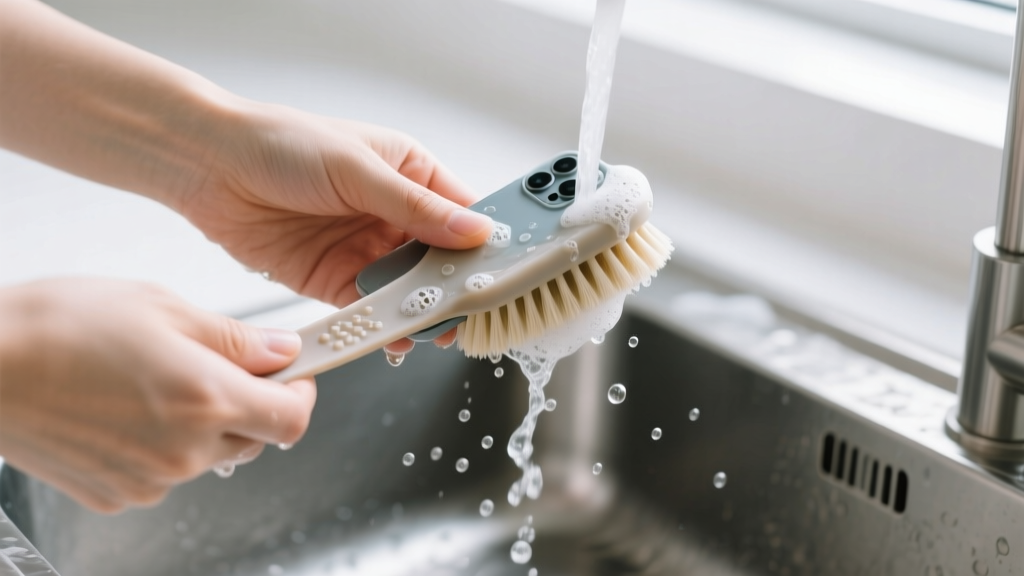
To restore the matte grip of a silicone strap, avoid harsh bleach or ammonia-based cleaners, which break down the polymer chains and cause the silicone to tear under the weight of your device. Instead, use a 70% isopropyl alcohol wipe for daily sanitization. For deep cleaning, create a paste of baking soda and water, massage it into the silicone with your fingers, let it sit for 10 minutes to absorb the trapped oils, and rinse clean. This restores the original Shore A durometer grip without degrading the material.
Glass, Resin, and Natural Stone Beads
Beaded phone necklaces are a massive trend, but the beads themselves require careful attention. Resin beads can yellow when exposed to UV light and chemical sunscreens, while natural stones like turquoise or lapis lazuli are porous and will absorb skin oils, darkening permanently. The Gemological Institute of America (GIA) advises against using ultrasonic cleaners or steam on any porous gemstones or coated glass beads. For beaded phone chains, simply wipe them down with a damp, lint-free microfiber cloth after a day of heavy outdoor use. If the stringing wire or elastic core becomes visible due to bead shifting, it is time to have the necklace professionally re-strung.
Hardware Maintenance: Preventing Clasp Failure and Rust
The most critical failure point on any phone necklace is the metal hardware—specifically the lobster clasp, the jump rings, and the O-ring connecting the strap to the TPU patch. Many mass-produced phone necklaces use cheap zinc alloy hardware plated with a thin layer of chrome or gold. Once sweat corrodes through this plating, the underlying zinc oxidizes, turning green and becoming brittle.
| Hardware Material | Corrosion Resistance | Expected Lifespan | Maintenance Requirement |
|---|---|---|---|
| Zinc Alloy (Standard) | Low | 3–6 Months | Keep completely dry; wipe sweat immediately |
| 304 Stainless Steel | Medium | 1–2 Years | Wipe with damp cloth after heavy sweating |
| 316L Surgical Steel | High | 5+ Years | Occasional soapy water wash; highly rust-proof |
| Solid Brass/Bronze | Medium (Patina) | Lifetime | Polish with brass cleaner if patina is undesired |
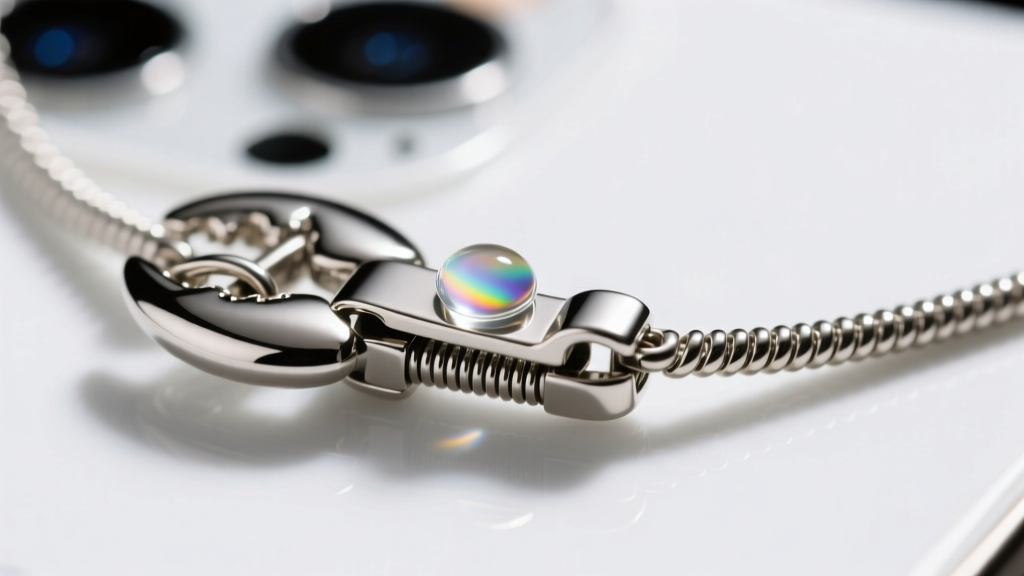
If your lobster clasp becomes stiff or fails to snap shut automatically, the internal spring is likely clogged with pocket lint or suffering from galvanic corrosion. Do not use standard WD-40, as it attracts dust and degrades plastics. Instead, apply a single micro-drop of dry PTFE (Teflon) lubricant or sewing machine oil directly to the hinge pin, work the clasp open and closed a few times, and wipe away the excess.
The TPU Anchor Patch: The Hidden Point of Failure
The TPU (Thermoplastic Polyurethane) anchor patch is the clear or tinted plastic tab that sits inside your phone case, protruding through the charging port hole to attach to the lanyard. While highly flexible, TPU is susceptible to plasticizer migration. Over time, UV exposure and heat cause the chemical plasticizers to leach out, turning the once-flexible tab brittle.
Inspect the punch-hole on your TPU patch monthly. If you see micro-fractures, whitening at the stress points, or if the plastic feels rigid rather than rubbery, replace the patch immediately. A snapped TPU patch is the leading cause of dropped phones. To prolong its life, avoid leaving your phone face-up on hot car dashboards, and clean the patch weekly with a dry microfiber cloth to remove abrasive grit that can saw through the plastic over time.
Troubleshooting Common Phone Necklace Issues
Even with meticulous care, daily wear and tear will present specific challenges. Here is how to troubleshoot the most common issues encountered with tech-wear jewelry:
- Fraying Nylon Ends: If the heat-sealed tip of a paracord lanyard begins to fray, carefully melt the tip with a lighter until the nylon bubbles, then press it flat against a piece of parchment paper (not skin) to reseal the fibers.
- Sticky PVC Straps: Older PVC or low-grade silicone straps can become tacky as they break down. If washing with baking soda fails, the polymer is undergoing irreversible chemical degradation and the strap must be replaced to avoid skin dermatitis.
- Cloudy Resin Beads: Sunscreen and DEET-based bug sprays will chemically etch the surface of acrylic and resin beads, causing permanent cloudiness. Always apply your sunscreen and allow it to fully absorb before putting on a beaded phone necklace.
- Tarnished Silver Charms: If your phone necklace features sterling silver spacer beads or charms, the sulfur in human sweat will rapidly tarnish them. Store the necklace in an anti-tarnish ziplock bag with a silica gel packet when not in use for extended periods.
Storage and UV Protection Best Practices
How you store your phone necklace when it is not around your neck dictates its longevity. Tossing the lanyard into the bottom of a bag alongside keys, coins, and loose pens guarantees micro-scratches on metal hardware and snags on woven textiles. Invest in a dedicated microfiber drawstring pouch for your phone necklace. Furthermore, if you own a phone necklace featuring dyed silk cords or vibrant natural stones, keep it out of direct, prolonged sunlight when charging your device on a windowsill. UV radiation is the silent killer of organic dyes and delicate polymers, fading a vibrant accessory into a dull shadow of its former self in a matter of weeks.


