How to Clean and Maintain Your Toggle Heart Necklace
Learn expert cleaning and maintenance tips for your toggle heart necklace. Discover how to remove tarnish, clean crevices, and secure the clasp.

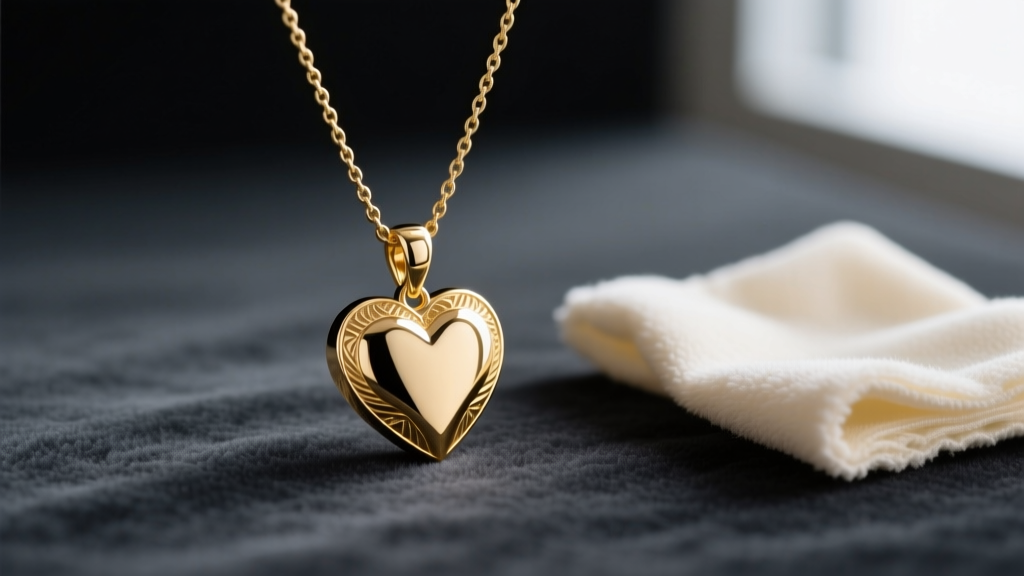
A toggle heart necklace is a stunning blend of romantic symbolism and mechanical ingenuity. Whether the heart serves as the central pendant or functions as the receiving loop for the toggle clasp itself, this design requires specialized attention. Unlike standard lobster or spring-ring clasps, the toggle mechanism relies on gravity and precise dimensional tolerances to stay secure. Meanwhile, the iconic heart shape—with its deep upper cleft and tapered bottom point—creates natural traps for sebum, cosmetic dust, and environmental pollutants.
As we navigate the evolving jewelry landscape in 2026, maintaining the structural integrity and brilliance of your pieces is more important than ever. This comprehensive guide will walk you through the exact mechanics of your necklace, provide a professional-grade cleaning protocol, and offer troubleshooting tips to ensure your toggle clasp never fails you.
The Unique Anatomy of a Toggle Heart Necklace
To properly care for your jewelry, you must first understand its vulnerabilities. A toggle heart necklace typically features two high-risk areas for debris accumulation and physical damage:
- The Heart Cleft and Pave Settings: The dip at the top of the heart (the cleft) is notorious for trapping lotions and dead skin cells. If your heart pendant features pave or micro-prong diamonds, the tiny metal beads holding the stones are magnetically attracted to oils, which dulls the diamonds' light return.
- The Toggle Joint and Solder Points: The T-bar of the clasp is attached to the chain via a small jump ring and solder joint. Repeated friction and the weight of the necklace can wear down this connection point over time.
Mechanical Vulnerabilities: Protecting the Toggle Clasp
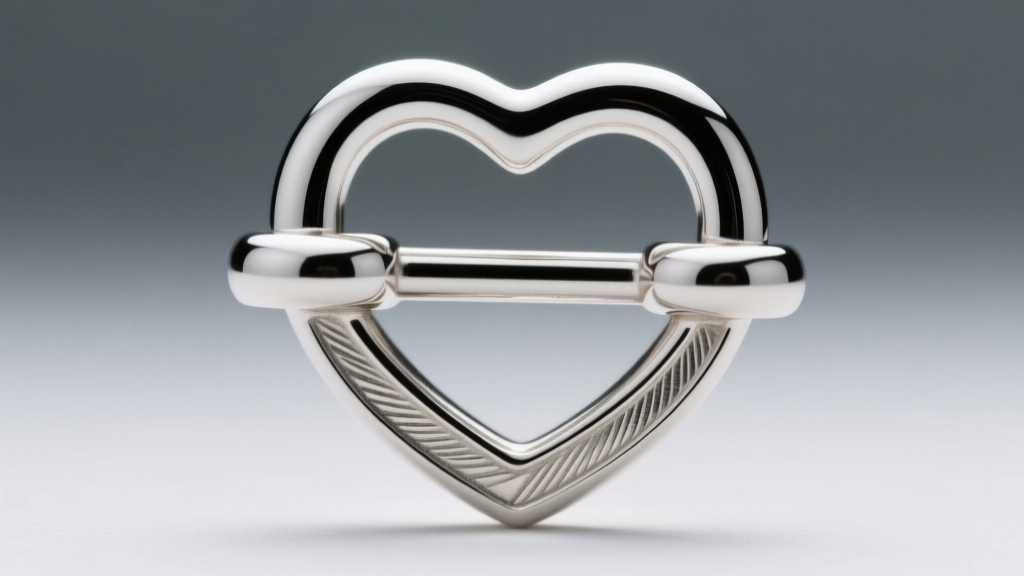
The security of a toggle clasp relies entirely on the length-to-diameter ratio between the T-bar and the receiving ring (often the heart itself). According to the Gemological Institute of America (GIA), mechanical clasps require precise tolerances to function safely. If the T-bar is 18mm long and the inner diameter of the heart ring is 14mm, you have a 4mm safety margin.
Troubleshooting a Slipping Clasp
If your toggle heart necklace frequently slips open, the T-bar has likely been bent backward by a fraction of a millimeter, usually from catching on a sweater or being pulled while tangled.
The Expert Fix: Never use standard steel jewelry pliers to bend the T-bar back into shape, as they will permanently mar the finish. Instead, use nylon-jaw pliers. Gently apply pressure to the very tips of the T-bar to widen its horizontal span by just 1 to 2 millimeters. This restores the safety margin without scratching solid gold or sterling silver. If the T-bar is severely warped, take it to a bench jeweler for a laser re-soldering, which typically costs between $45 and $85.
Step-by-Step Deep Cleaning Protocol
Routine wiping with a microfiber cloth is insufficient for the intricate geometry of a heart pendant. To restore factory-level brilliance, follow this deep-cleaning protocol recommended by the Jewelers of America.
Materials Checklist
- Distilled water (tap water contains chlorine and hard minerals that can spot certain alloys)
- pH-neutral liquid dish soap (avoid formulas with added moisturizers or citrus degreasers)
- A soft-bristled baby toothbrush or a dedicated jewelry cleaning brush
- A water flosser (oral irrigator) or a plastic syringe
- Lint-free microfiber or untreated cellulose cotton cloths
The Cleaning Process
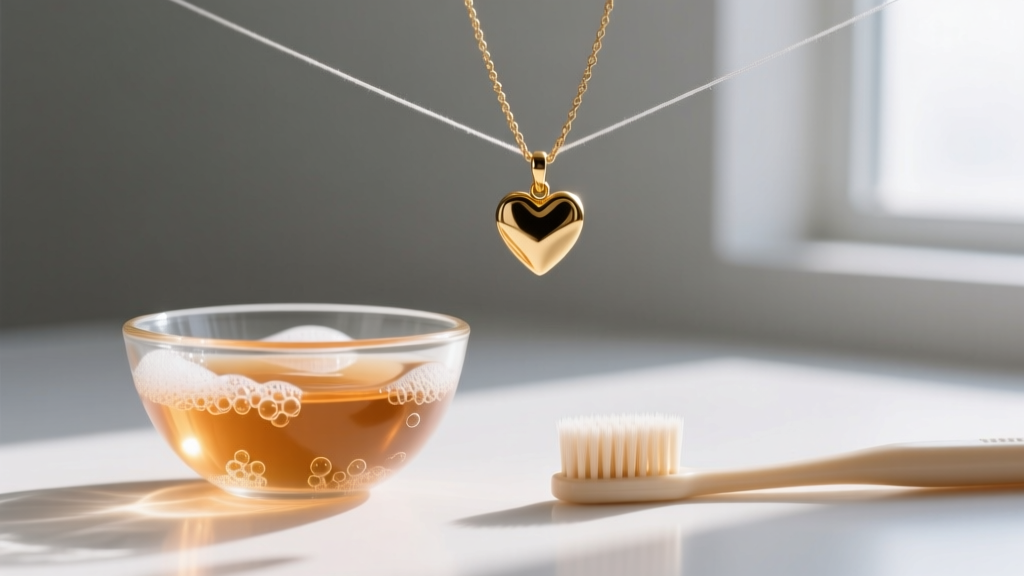
- The Pre-Soak: Mix 1 cup of warm distilled water with 3 drops of pH-neutral dish soap in a glass bowl. Submerge the toggle heart necklace for 10 to 15 minutes. This emulsifies the sebum trapped in the heart's cleft and the toggle hinges.
- The Agitation: Gently brush the front and back of the heart pendant using the soft-bristled brush. Pay special attention to the bail (the loop connecting the heart to the chain) and the crevices of the cleft.
- The Cleft Flush: This is the professional secret. Use a water flosser on its lowest pressure setting, or a plastic syringe filled with clean distilled water, to blast out microscopic debris from under pave stones and the tight corners of the heart shape where bristles cannot reach.
- The Rinse and Dry: Rinse thoroughly under a gentle stream of distilled water. Pat dry with a lint-free cloth, and use a hairdryer on the 'cool' setting to evaporate water droplets from inside the toggle mechanism's jump rings.
Metal-Specific Tarnish and Care Guidelines
Different metals react uniquely to environmental sulfur, moisture, and cleaning agents. Refer to the table below to tailor your maintenance routine to your specific necklace alloy.
| Metal Type | Tarnish Risk | Cleaning Rules & Warnings |
|---|---|---|
| Sterling Silver (925) | High (Prone to silver sulfide blackening) | Use the aluminum foil and baking soda electrochemical bath for heavy tarnish. Warning: Do not use this method if the heart contains glued gemstones or intentional oxidized detailing. |
| Gold Vermeil | Medium (Underlying silver can tarnish if gold wears off) | Strictly use the mild soap and water method. Never use silver polishing dips or abrasive pastes, as they will strip the microscopic 2.5-micron gold layer. |
| Solid 14k/18k Gold | Very Low (May develop a dull film from oils) | Highly resilient. Can withstand gentle commercial jewelry cleaning solutions. Polish with a treated rouge cloth to restore high-shine finishes. |
| Platinum (950) | None (Develops a natural patina instead of tarnish) | Clean with soap and water. To remove the patina and restore the mirror finish, professional buffing with aluminum oxide compound is required. |
The Ultrasonic Cleaner Warning
While ultrasonic cleaners are excellent for solid diamond solitaires, they pose a distinct threat to toggle heart necklaces. The high-frequency micro-vibrations can cause two specific failures:
- Solder Joint Fatigue: The vibrations can weaken the solder connecting the T-bar to its jump ring, leading to catastrophic clasp failure and loss of the necklace.
- Stone Loosening: If your heart pendant features micro-pave or tension-set stones, the ultrasonic waves can shake the tiny metal beads out of alignment, causing diamonds to fall out.
Unless your piece is solid metal with no moving parts at the clasp and no pave settings, avoid ultrasonic technology and stick to the manual flushing method outlined above.
Proper Storage to Prevent Warping
How you store your toggle heart necklace is just as critical as how you clean it. Hanging a heavy chain on a standard jewelry tree places continuous downward tension on the chain and the toggle's jump ring, which can cause the metal to stretch and oval out over time.
Best Practice: Store the necklace flat in a dedicated jewelry drawer or tray. Fasten the toggle clasp before storing to prevent the T-bar from scratching the face of the heart pendant. Place an anti-tarnish strip (such as 3M Silver Protectorate) inside the drawer or storage pouch to absorb ambient sulfur compounds. For travel, use a hard-shell jewelry case with individual padded compartments to ensure the T-bar is not bent by shifting luggage.
Conclusion
A toggle heart necklace is an investment in both artistry and mechanics. By respecting the precise tolerances of the clasp, utilizing targeted flushing techniques for the heart's intricate geometry, and storing the piece flat to avoid tension warping, you will ensure your necklace remains secure and brilliant for decades. Implement these professional care routines, and your favorite pendant will continue to be a flawless staple in your jewelry rotation.


