How to Clean a Money Sign Necklace: Expert Care Guide
Learn how to clean a money sign necklace safely. Discover expert tips for removing tarnish, cleaning gemstone accents, and maintaining metal shine.

Introduction to Money Sign Necklace Maintenance
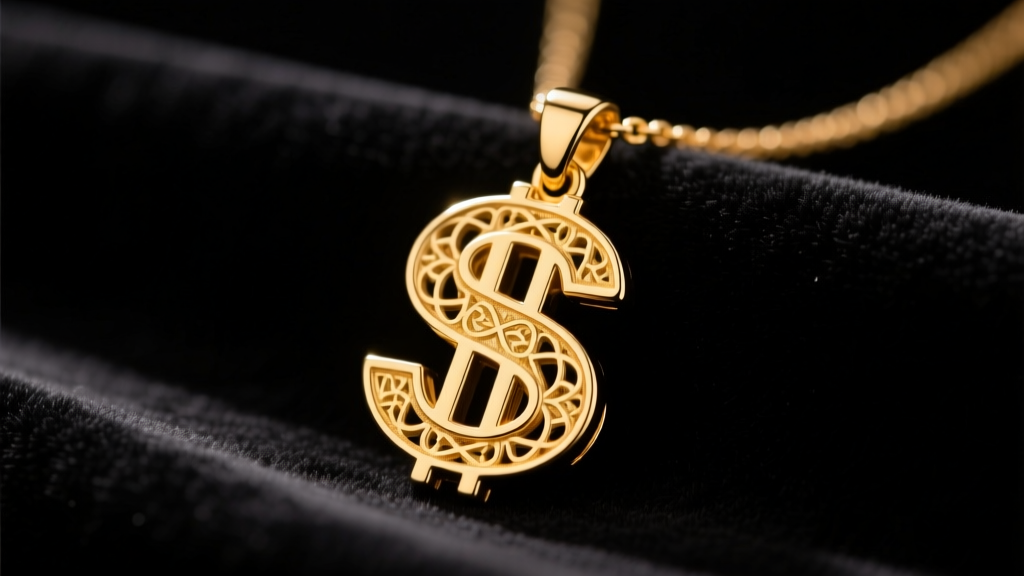
A money sign necklace is more than just a piece of jewelry; it is a bold statement of ambition, success, and personal style. Whether you prefer the classic curves of a dollar sign ($), the structured lines of a euro symbol (€), or the minimalist strokes of a yen (¥) pendant, these pieces demand attention. However, the very geometry that makes currency pendants so visually striking also makes them notorious traps for environmental pollutants, dead skin cells, and cosmetic residue. The tight inner loops and sharp angles of a money sign pendant create microscopic crevices where oils and lotions accumulate, rapidly dulling the metal's luster.
Maintaining the brilliance of your money sign necklace requires more than a quick wipe with a cloth. It demands a strategic approach tailored to the specific metal grade, the presence of gemstone accents, and the chain style. In this comprehensive 2026 care guide, we break down the exact methodologies used by professional jewelers to clean, polish, and preserve your currency pendants, ensuring your investment continues to shine brightly for years to come.
Understanding Your Necklace's Material Composition
Before applying any cleaning solution, you must identify the exact material composition of your necklace. The cleaning agents safe for solid 18-karat gold will strip the finish off gold-plated brass. Below is a breakdown of common materials used in money sign pendants and their specific vulnerabilities.
| Material Grade | Composition Details | Cleaning Vulnerabilities | Recommended Frequency |
|---|---|---|---|
| Solid 14k/18k Gold | 58.5% to 75% pure gold alloyed with copper, silver, or zinc. | Highly durable, but alloyed metals can oxidize if exposed to chlorine. | Monthly deep clean |
| 925 Sterling Silver | 92.5% pure silver, 7.5% copper. | Copper content reacts with sulfur in the air, causing rapid black tarnish. | Bi-weekly polishing |
| Gold Vermeil | Sterling silver base coated with at least 2.5 microns of 10k+ gold. | Aggressive brushing can wear through the gold layer, exposing silver. | Gentle wipe weekly |
| Gold-Plated Brass | Brass base with a thin flash plating (under 0.5 microns) of gold. | Extremely fragile; moisture can cause the brass base to oxidize and turn skin green. | Dry cloth only |
Step-by-Step Cleaning Process for Currency Pendants
For solid gold, platinum, and sterling silver money sign necklaces, a wet cleaning method is the most effective way to extract trapped sebum and lotion from the intricate loops of the currency symbol. Follow this exact protocol to avoid damaging the high-polish finish.
1. The Lukewarm Soak
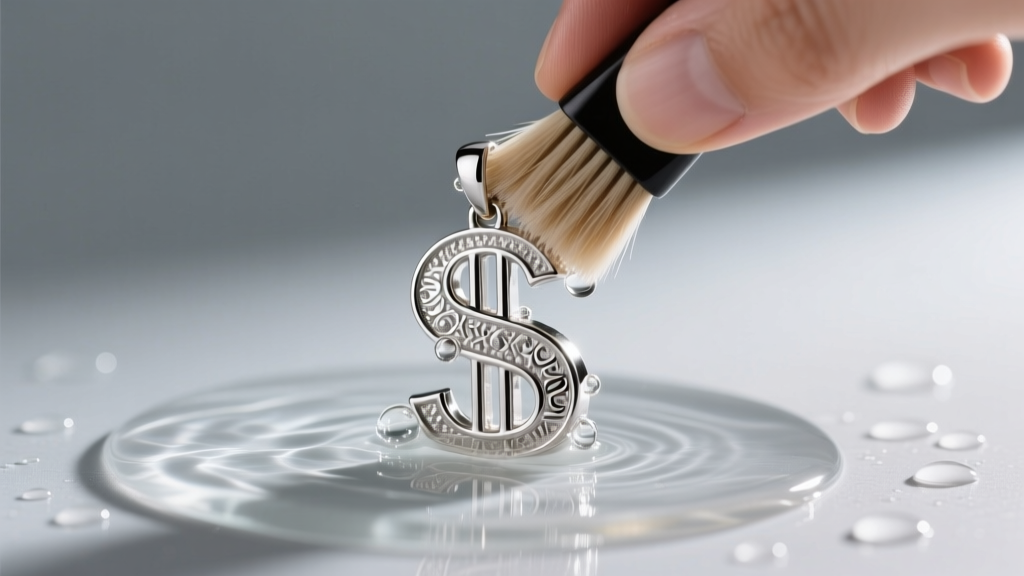
Fill a small glass bowl with lukewarm distilled water. Avoid tap water, as the trace minerals and chlorine can leave microscopic water spots on high-polish metals. Add exactly three drops of a phosphate-free, mild dish soap (such as original Dawn). Submerge the pendant and let it soak for 10 to 15 minutes. This crucial step softens the hardened cosmetic buildup inside the tight curves of the '$' or '€' symbol without requiring aggressive mechanical force.
2. The Micro-Bristle Brush Technique
Remove the necklace from the solution. Using an extra-soft baby toothbrush (look for bristles rated at 0.05mm or labeled 'ultra-soft'), gently agitate the inner loops of the money sign. Do not use a standard adult toothbrush; the stiff nylon bristles will inflict micro-scratches across the flat surfaces of the pendant, creating a dull, matte appearance over time. Brush in small, circular motions, paying special attention to the bail (the loop where the chain connects), which is a primary collection point for sweat.
3. The Distilled Rinse and Air Dry
Rinse the pendant thoroughly under a gentle stream of distilled water to remove all soap residue. Soap film is a primary culprit behind dull jewelry. Pat the piece dry using a lint-free microfiber cloth. Avoid paper towels entirely; they are manufactured from wood pulp and contain abrasive fibers that will scratch precious metals. Allow the necklace to air dry completely in a well-ventilated area before storing.
Caring for 'Iced Out' Gemstone Accents
Many modern money sign necklaces feature pavé settings encrusted with cubic zirconia (CZ), moissanite, or natural diamonds. While the metal cleaning process remains similar, the presence of gemstones introduces new variables. According to the Gemological Institute of America (GIA), different gemstones have varying porosity levels and hardness ratings on the Mohs scale, dictating how they should be maintained.
Protecting Prongs and Settings
When cleaning an iced-out money sign pendant, never use ultrasonic cleaners. The high-frequency vibrations can loosen the microscopic prongs holding the pavé stones in place, leading to catastrophic stone loss. Furthermore, if your necklace features fracture-filled diamonds or treated CZ stones, ultrasonic waves and harsh chemical dips can cause internal clouding or structural failure.
Instead, rely on the soaking and soft-brush method outlined above. When brushing around the gemstones, angle the bristles at 45 degrees to sweep dirt away from the base of the prongs. If your CZ stones appear cloudy even after cleaning, they may have suffered chemical etching from prolonged exposure to lotions or perfumes; unfortunately, this surface damage is permanent and requires professional re-polishing or stone replacement.
Chain Maintenance: Cable, Cuban, and Rope Links
The pendant is only half the equation; the chain supporting your money sign requires equal attention. The structural design of your chain dictates its cleaning difficulty.
- Cable and Box Chains: These feature simple, open links that are relatively easy to wipe down. A quick pass with a treated silver polishing cloth is usually sufficient for weekly maintenance.
- Cuban and Curb Links: The interlocking, flat nature of Cuban links creates tight friction points where skin oils accumulate. These require the full soaking and brushing method to dislodge grime from between the interlocking links.
- Rope and Figaro Chains: The twisted geometry of a rope chain acts like a net for environmental dust. Use a soft cotton swab dipped in your soapy solution to trace the spiral grooves of the chain, ensuring no dirt is left behind to cause premature link wear.
Proper Storage to Prevent Tarnish and Tangles
How you store your money sign necklace when it is not being worn is just as critical as how you clean it. Sterling silver and lower-karat gold alloys are highly susceptible to oxidation when exposed to ambient humidity and airborne sulfur compounds.
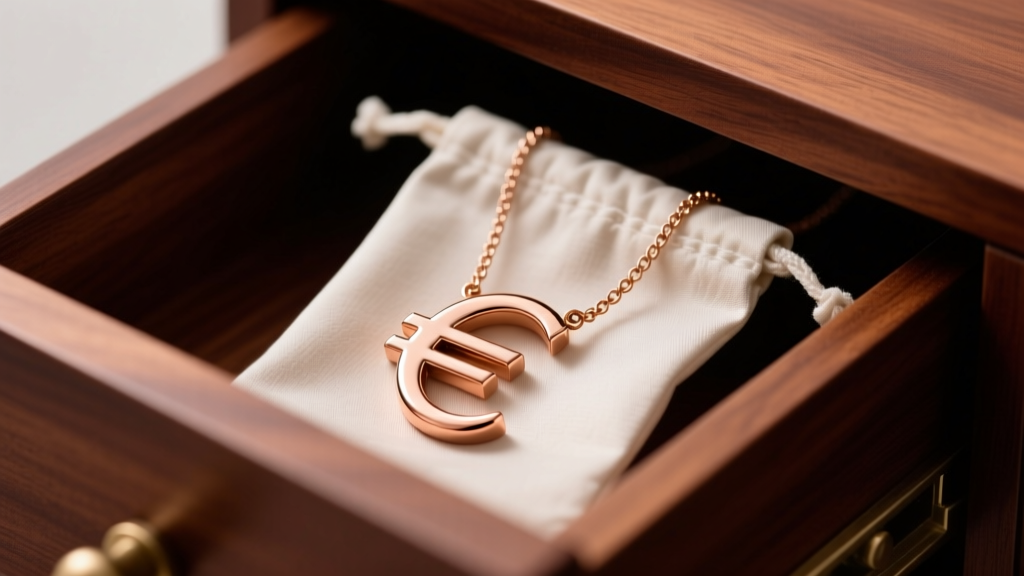
Never store your necklace in a humid bathroom or toss it loosely into a communal jewelry box where it can scratch against harder gemstones or metal pieces. The optimal storage protocol involves placing the fully dried necklace inside an individual, sealable polyethylene bag equipped with an anti-tarnish strip (such as 3M Anti-Tarnish tabs). These strips actively absorb sulfur gases and moisture from the enclosed air. For added protection, include a small silica gel desiccant packet to control humidity. Store the sealed bags flat in a lined drawer, ensuring the chains are fully extended or loosely coiled to prevent permanent kinking.
What to Avoid: Common Cleaning Mistakes
In the pursuit of a brilliant shine, many owners inadvertently destroy the finish of their jewelry. The experts at the Blue Nile Jewelry Care Center strongly advise against several common household cleaning hacks that circulate online.
The Toothpaste Myth
Never use toothpaste to clean your money sign necklace. Toothpaste contains abrasive silica particles designed to scrub enamel; these particles have a high Relative Dentin Abrasivity (RDA) value and will leave thousands of microscopic scratches across the high-polish surface of your gold or silver pendant, permanently dulling the reflection.
Baking Soda and Aluminum Foil Baths
While the chemical reaction between baking soda, boiling water, and aluminum foil effectively strips heavy tarnish from sterling silver, it is far too aggressive for daily maintenance. This process can strip the intentional antiquing (oxidized detailing) from the recessed areas of your currency symbol, ruining the pendant's three-dimensional contrast. Furthermore, boiling water can compromise the adhesive used in certain gemstone settings.
Chemical Dips and Bleach
Chlorine bleach is the enemy of precious metals. It reacts with the copper and silver alloys in 14k gold and sterling silver, causing structural weakening and irreversible discoloration. Never wear your money sign necklace in a swimming pool, hot tub, or while cleaning with household bleach products.
Conclusion
A money sign necklace is a powerful accessory that reflects your personal brand and achievements. By understanding the specific metallurgical properties of your piece, utilizing the correct micro-cleaning tools, and implementing rigorous storage protocols, you can ensure that your pendant retains its brilliant, high-polish shine. Consistent, gentle care will always outperform aggressive, sporadic cleaning sessions, keeping your currency symbols gleaming and ready to make a statement whenever you wear them.


