Fruit Loop Necklace Care: Cleaning Enamel & Gold Charms
Learn how to clean and maintain your fruit loop necklace. Expert tips for protecting enamel, resin, and gold-plated cereal charms from tarnish and damage.

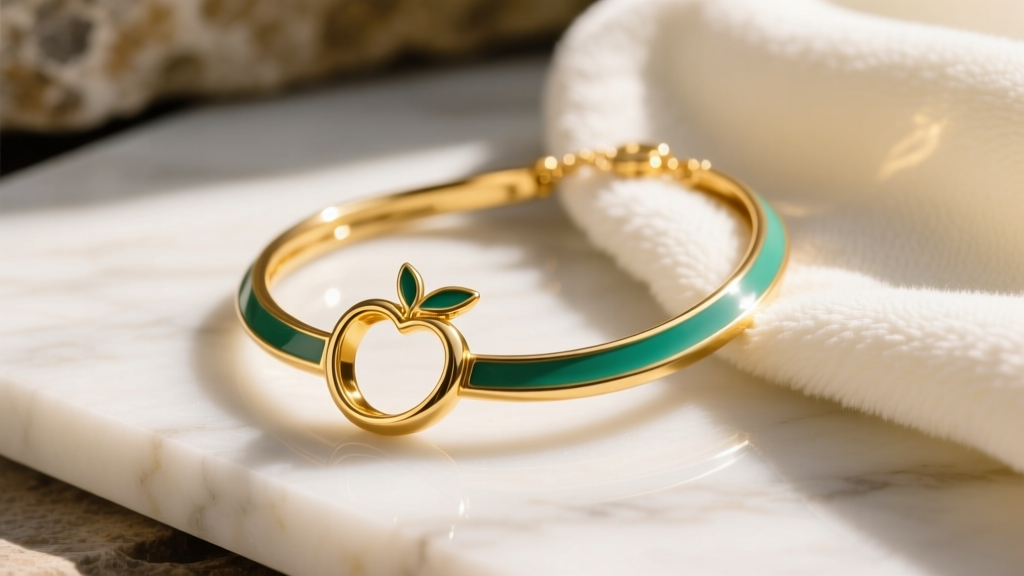
The Rise of Artisanal Cereal Jewelry
The fruit loop necklace has evolved far beyond its nostalgic, craft-table origins into a highly sought-after artisanal fine jewelry trend. Today, independent jewelers and high-fashion houses are crafting these playful, cereal-inspired pieces using 14k solid gold, heavy gold vermeil, and intricate champlevé or guilloché enamel work. However, the very materials that give these necklaces their vibrant, candy-like appeal require specialized maintenance. Treating a delicate enamel fruit loop charm like a standard diamond pendant is a guaranteed way to ruin it. In this comprehensive guide, we break down the exact chemistry, cleaning protocols, and storage mechanics required to keep your fruit loop necklace looking vibrant for decades.
Understanding Your Necklace Materials
Before applying any cleaning solution, you must identify the exact materials used in your specific fruit loop necklace. The cleaning protocol for fired glass is vastly different from that of poured polymers.
Vitreous Enamel vs. Cold Enamel
High-end fruit loop charms typically utilize vitreous enamel, which is essentially finely ground silica glass fused to a metal base at temperatures exceeding 1,400°F. It is highly durable, scratch-resistant, and will not yellow over time. Conversely, cold enamel (epoxy resin) is a two-part polymer poured into the charm's recesses and air-cured. While cold enamel allows for brighter, more translucent colors, it is highly susceptible to UV degradation (yellowing) and chemical melting. According to the GIA Gem Encyclopedia, understanding the thermal and chemical limits of your jewelry's surface treatment is the first step in proper preservation.
The Base Metal: Vermeil vs. Flash Plating
The gold framing your colorful loops is usually either solid 14k gold or gold vermeil. True vermeil requires a minimum of 2.5 microns of gold plated over a sterling silver base. Flash-plated brass, common in cheaper novelty pieces, has a gold layer measured in fractions of a micron and will wear away rapidly if subjected to friction or harsh chemicals.
The Step-by-Step Cleaning Protocol
To safely remove sebum, cosmetic residue, and environmental dust from your fruit loop necklace, follow this gentle, multi-step process. This method is endorsed by experts in the Blue Nile Jewelry Care Guide for delicate, multi-material pieces.
Step 1: The Dry Dusting
Never apply liquid to a dusty surface, as this creates an abrasive paste. Use a clean, dry, ultra-fine microfiber cloth to gently wipe the surface of the enamel loops and the gold chain. Pay special attention to the crevices where the enamel meets the metal bezel.
Step 2: The Lukewarm Bath
Fill a glass bowl with distilled water (tap water contains chlorine and hard minerals that can spot the gold) and add two drops of pH-neutral, dye-free dish soap. Submerge the necklace for exactly three to five minutes to loosen body oils.
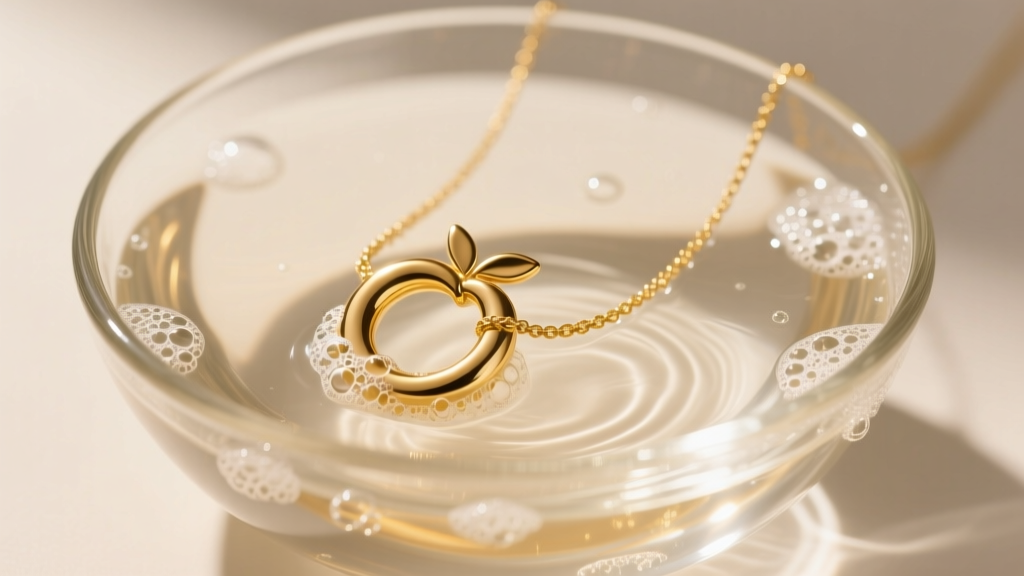
Step 3: Soft Agitation
Using a brand-new, extra-soft baby toothbrush (bristle diameter of 0.1mm or less), gently sweep the bristles across the gold settings and the chain links. Do not scrub the enamel directly. Let the soapy water do the lifting on the glass-like surface to prevent micro-scratches.
Step 4: The Rinse and Dry
Rinse the necklace under a gentle stream of lukewarm distilled water. Pat dry with a lint-free cloth. For hard-to-reach areas inside the center hole of the fruit loops, use a blast of compressed air (held at least six inches away) to force out trapped moisture.
Material-Specific Cleaning Matrix
Use the following table as a quick reference to ensure you are using the correct tools for your specific necklace variant.
| Material Component | Safe Cleaning Agent | Recommended Tool | Primary Risk Factor |
|---|---|---|---|
| Vitreous Enamel | pH-Neutral Soap & Distilled Water | Microfiber Cloth | Thermal Shock & Impact Chipping |
| Cold Enamel (Resin) | Mild Soap Only (No Alcohol) | Soft Cotton Swab | Acetone/Alcohol Melting & UV Yellowing |
| 14k Solid Gold | Warm Soapy Water | Baby Toothbrush | Chlorine Stress Corrosion |
| Gold Vermeil / Plated | Damp Microfiber Wipe | Polishing Cloth (No Abrasives) | Friction Stripping & Ammonia Exposure |
Environmental Hazards: The "Never" List
When caring for a fruit loop necklace, what you don't do is more important than what you do. Avoid these common jewelry cleaning pitfalls at all costs:
- Ultrasonic Cleaners: These machines use 40,000 Hz sound waves to create cavitation bubbles. While excellent for diamonds, the microscopic shockwaves from imploding bubbles will cause severe micro-fractures (crazing) in vitreous enamel and can completely shatter cold resin.
- Steam Cleaners: The sudden, intense heat of pressurized steam causes thermal shock. Because enamel and gold expand at different rates, steam can cause the enamel to delaminate and pop off the metal base.
- Chemical Solvents: Acetone, rubbing alcohol, and nail polish remover will instantly cloud and dissolve cold enamel resin. Ammonia-based cleaners will strip gold vermeil plating down to the base silver or brass.
- Chlorine Exposure: Wearing your necklace in a swimming pool or hot tub exposes the gold alloys to chlorine, leading to irreversible stress corrosion cracking, particularly at the solder points of the chain and charm loops.
Expert Insight: Always apply your perfumes, hairsprays, and lotions at least 15 minutes before putting on your fruit loop necklace. The alcohol and essential oils in cosmetics are the leading cause of resin clouding and gold tarnishing.
Storage Mechanics & Tangling Prevention
The unique geometry of a fruit loop charm presents a specific storage challenge: the central negative space. When tossed into a jewelry box, delicate cable or paperclip chain links easily slip through the center hole of the loops, resulting in severe, frustrating knotting.
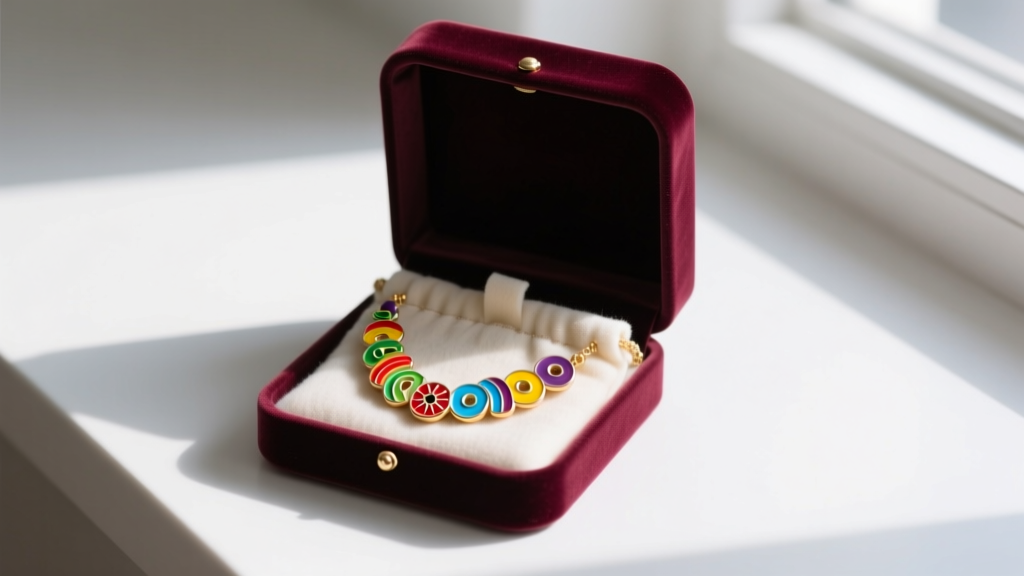
The Straw Trick for Tangle-Free Storage
To prevent the chain from threading itself through the charms during storage or travel, thread the chain through a flexible plastic drinking straw before clasping it. The rigid straw acts as a physical barrier, making it geometrically impossible for the chain links to slip into the charm's negative space. Alternatively, store the necklace in an individual, anti-tarnish flannel pouch, ensuring the clasp is secured to prevent the chain from acting as a drawstring.
Long-Term Maintenance & Professional Care
Even with meticulous at-home care, a fruit loop necklace worn daily will require professional attention over its lifespan. If your piece features gold vermeil, expect to have it re-plated by a professional jeweler every 12 to 18 months, as friction against the collarbone will naturally wear down the 2.5-micron gold layer.
If a vitreous enamel loop chips or cracks, do not attempt to fill it with clear nail polish or DIY resins. The refractive index will not match, and the chemicals may degrade the surrounding factory seal. Instead, take the piece to a jeweler who specializes in champlevé or guilloché enameling. They can carefully re-fire the silica powder in a kiln to restore the charm to its original, factory-fresh vibrancy, ensuring your playful piece of fine jewelry remains a lasting staple in your collection.


