Jewish Chai Symbol Necklace Trends: 2026 Style Guide
Explore 2026 trends for the Jewish chai symbol necklace. Discover layering techniques, material grades, and modern styling for this heritage piece.

The Evolution of Heritage: 2026 Style Analysis
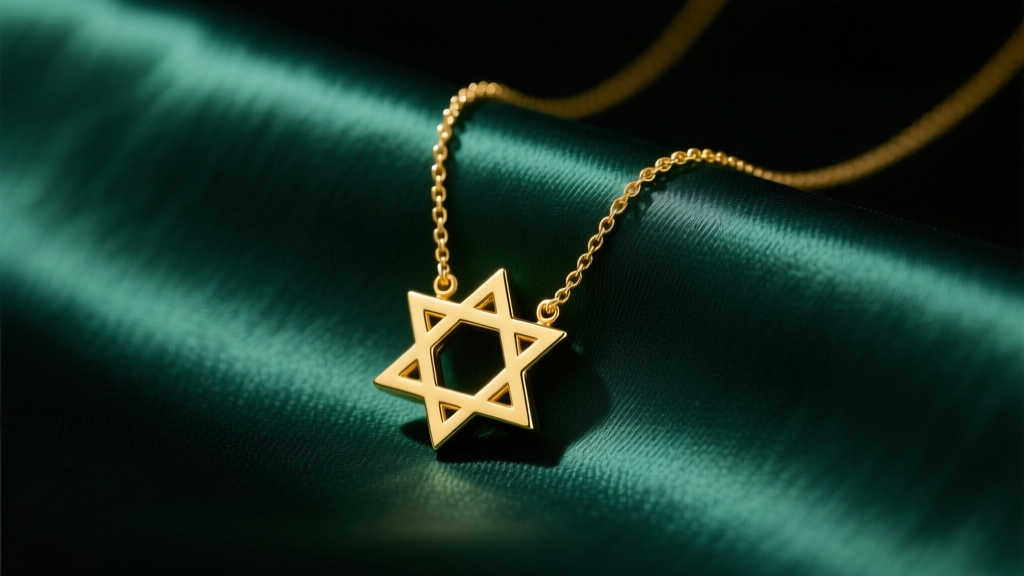
In the landscape of 2026 fine jewelry, the jewish chai symbol necklace has transcended its traditional boundaries, evolving from a purely religious talisman into a celebrated staple of contemporary personal style. The Chai, composed of the Hebrew letters Chet (ח) and Yod (י), translates to "life" and holds a numerical value of 18, making it a profound emblem of vitality and good fortune. While previous generations often favored heavy, ornate, and highly polished renditions of the Chai, today’s collectors and style enthusiasts are gravitating toward architectural minimalism, mixed-metal layering, and artisanal textures. This comprehensive guide dissects the current design trends, metallurgical standards, and styling frameworks that define the modern Chai pendant.
The Anatomy of a Modern Jewish Chai Symbol Necklace
Designing or selecting a high-quality Chai pendant requires a keen eye for typography and structural integrity. The interplay between the broad, structural Chet and the delicate, descending stem of the Yod presents unique challenges for jewelers.
Typography and Negative Space
In 2026, the most sought-after designs utilize negative space to define the letters rather than relying on heavy outlines. Block typography with slightly softened, beveled edges offers a modern, gender-neutral aesthetic. Conversely, cursive or script interpretations are seeing a resurgence in bespoke, artisan-crafted pieces, often featuring hand-engraved milgrain detailing along the borders. A standard minimalist Chai pendant typically measures between 15mm and 22mm in height, providing a subtle but legible profile when worn at the collarbone.
Metallurgy and Durability
The slender stem of the Yod is a known failure point in poorly manufactured pendants. To combat bending and snapping, premium jewelers are utilizing 14k solid gold (stamped 585) rather than 18k (stamped 750) for everyday wear pieces. According to the Gemological Institute of America (GIA), 14k gold possesses a higher Vickers hardness due to its alloy composition, making it vastly superior for delicate structural elements like the Yod’s tail. For those who prefer the richer, warmer hue of 18k gold, designers are compensating by increasing the gauge thickness of the pendant from a standard 1.2mm to a more robust 1.8mm.
2026 Trend Report: Material Innovations
The modern jewelry market is moving away from monochromatic, high-polish yellow gold. Today’s styling embraces tactile finishes and unexpected material pairings. Below is a breakdown of the dominant material trends shaping the Chai necklace market this year.
| Style Archetype | Metal & Finish | Ideal Chain Pairing | Avg. Price Range (2026) |
|---|---|---|---|
| Minimalist Block | 14k Yellow Gold, Matte Sandblast | 1.5mm Box Chain | $350 - $650 |
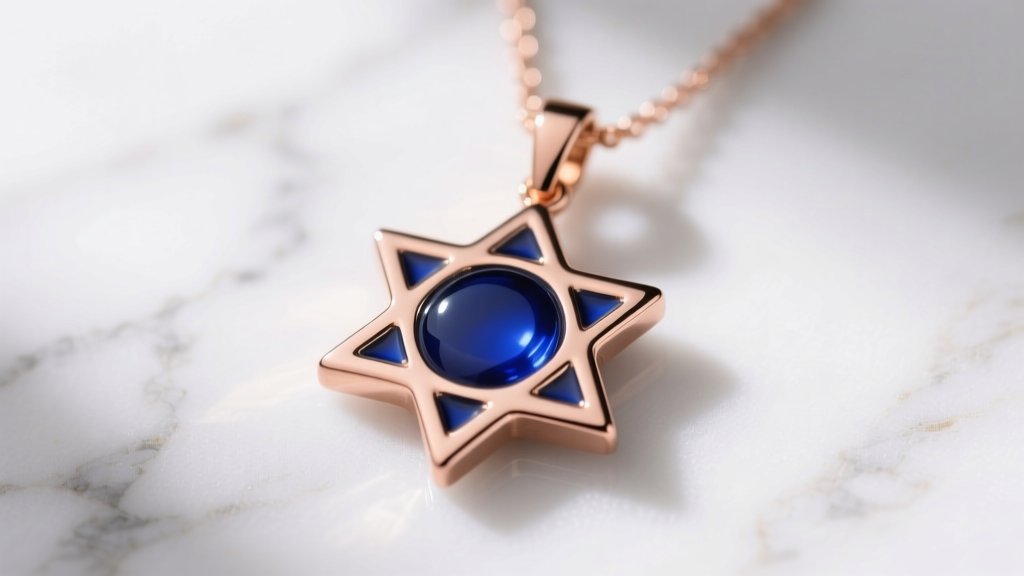
| Enamel Inlay | 18k Rose Gold, High Polish | 2.5mm Paperclip Chain | $800 - $1,400 |
| Diamond Pavé | Platinum or 18k White Gold | 1.2mm Rope Chain | $1,800 - $4,500 |
| Organic/Textured | Recycled Sterling Silver, Oxidized | 3.0mm Cuban Link | $120 - $280 |
The introduction of vitreous enamel has been a standout trend. By inlaying deep cobalt blue or rich malachite green enamel into the negative space of the Chet and Yod, designers are creating striking contrast pieces that pop against both casual and formal attire.
Layering the Chai: A Masterclass in Proportion
Wearing a Chai pendant in isolation is a timeless choice, but the 2026 styling ethos heavily favors the curated "neck stack." Layering requires a strict adherence to proportion, chain texture, and length graduation to prevent tangling and visual clutter. The goal is to create a cascading effect that frames the neckline without overwhelming the wearer.
The Three-Piece Cascade Formula
- Position 1 (14-15 inches): Start with a simple, unadorned choker. A 2.0mm herringbone or a delicate 1.0mm cable chain sits flush against the base of the neck, anchoring the stack.
- Position 2 (18 inches): This is the prime real estate for your jewish chai symbol necklace. Opt for a 1.5mm to 2.0mm paperclip or rope chain. The 18-inch length ensures the Chai rests perfectly on the upper sternum, serving as the focal point of the stack.
- Position 3 (22-24 inches): Anchor the bottom with a heavier, complementary pendant—such as a minimalist Star of David, a Hamsa, or a simple geometric medallion on a 3.0mm box chain. This draws the eye downward and elongates the torso.
When layering, always ensure the bail (the loop that connects the pendant to the chain) is appropriately sized. A standard 4mm x 6mm bail accommodates chains up to 2.5mm thick. If you prefer thicker rope chains, you must specify a custom 6mm x 8mm bail to prevent friction and premature wear on the chain links.

Clasp Mechanics and Chain Integrity
An often-overlooked aspect of purchasing fine jewelry is the clasp mechanism. For pendants weighing over 3 grams, the traditional spring-ring clasp is insufficient and prone to snapping under lateral tension. In 2026, reputable jewelers equip their solid gold Chai necklaces with lobster claw clasps, which feature a stronger internal spring and a wider jaw. For chains exceeding 2.5mm in thickness, a toggle clasp or a specialized locking carabiner clasp is recommended for maximum security. Always check the solder point on the jump ring connecting the clasp to the chain; a seamless, laser-soldered jump ring will prevent the chain from slipping apart during daily wear.
Sourcing, Hallmarks, and Authenticity
As the demand for heritage-inspired jewelry grows, so does the market saturation of mass-produced, poorly constructed imitations. Authenticity and ethical sourcing are paramount. When investing in a solid gold Chai necklace, always inspect the piece for a legitimate hallmark. As detailed in the Lang Antiques Hallmark Guide, a genuine piece will bear a stamp indicating its purity (e.g., 14K, 18K, 585, 750) alongside the maker’s mark.
Furthermore, understanding the cultural weight of the symbol is essential. The Chai is not merely a decorative motif; it is a sacred emblem deeply rooted in Jewish theology and history. According to Chabad.org, the numerical value of 18 associated with the Chai makes it a customary motif for gifts, weddings, and life-cycle events. Purchasing from artisan jewelers who specialize in Jewish ceremonial art or heritage fine jewelry ensures that the piece is crafted with cultural respect and structural reverence, rather than being treated as a fleeting fast-fashion trend.
Care and Maintenance for Textured Finishes
If you have opted for a matte, sandblasted, or oxidized silver Chai pendant, maintenance requires a departure from standard jewelry cleaning routines. Ultrasonic cleaners and harsh chemical dips will strip matte finishes and remove intentional oxidation. Instead, clean these pieces using a few drops of mild, phosphate-free dish soap, lukewarm water, and an extra-soft baby toothbrush. Gently brush the crevices of the Hebrew letters to remove skin oils and lotion buildup, then pat dry with a microfiber cloth. For high-polish and diamond pavé pieces, an ultrasonic cleaner is perfectly safe and will restore the pendant’s original brilliance.
Final Thoughts on Modern Heritage
The jewish chai symbol necklace remains a powerful testament to the intersection of faith, history, and personal expression. By understanding the nuances of metallurgy, mastering the art of proportional layering, and demanding high-quality construction, you can select a piece that not only honors its profound heritage but also serves as a sophisticated cornerstone of your modern jewelry wardrobe. Whether worn as a solitary talisman or the centerpiece of a carefully curated stack, the Chai continues to pulse with life and style in 2026.


