The Beginner's Guide to Buying a Tri Color Necklace
Discover how to choose the perfect tri color necklace. Learn about gold alloys, karat differences, styling tips, and what to look for before buying.

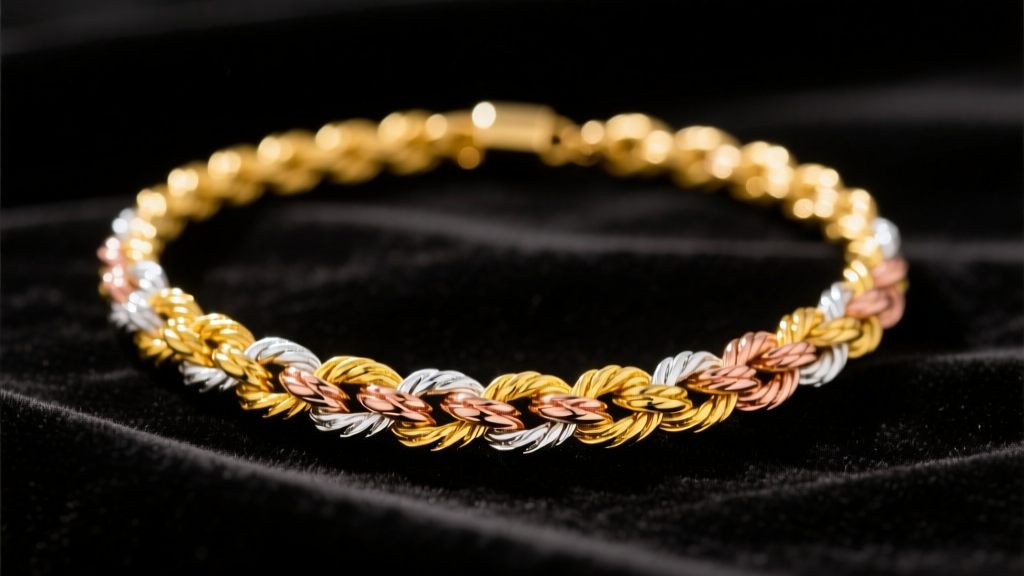
If you are stepping into the world of fine jewelry for the first time, the sheer volume of options can be overwhelming. Among the most captivating and versatile choices is the tri color necklace. Blending three distinct hues of gold into a single piece, it offers a sophisticated aesthetic that bridges the gap between classic and contemporary styles. But what exactly goes into making these multi-tonal pieces, and how do you ensure you are buying a high-quality chain that will last a lifetime?
This beginner-friendly explainer will demystify the metallurgy, durability, and styling of tri-color gold, giving you the exact frameworks needed to make an informed purchase.
What Exactly is a Tri Color Necklace?
A tri color necklace is not simply a piece of jewelry that has been painted or dipped in different finishes. True tri-color gold consists of three separate, solid gold alloys—yellow, white, and rose gold—that are physically intertwined, woven, or soldered together to form a single chain or pendant.
The appeal lies in its incredible versatility. Because it contains the three primary gold colors, a tri color necklace acts as a "universal donor" in your jewelry box. It seamlessly matches your existing yellow gold rings, white gold earrings, and rose gold bracelets, eliminating the stress of mixing metals.
The Metallurgy: How the Three Colors Are Created
Pure gold (24 karat) is naturally yellow, highly malleable, and too soft for everyday jewelry. To create durable jewelry and achieve different colors, gold is alloyed with other metals. Understanding these alloys is critical for evaluating the quality and price of your necklace.
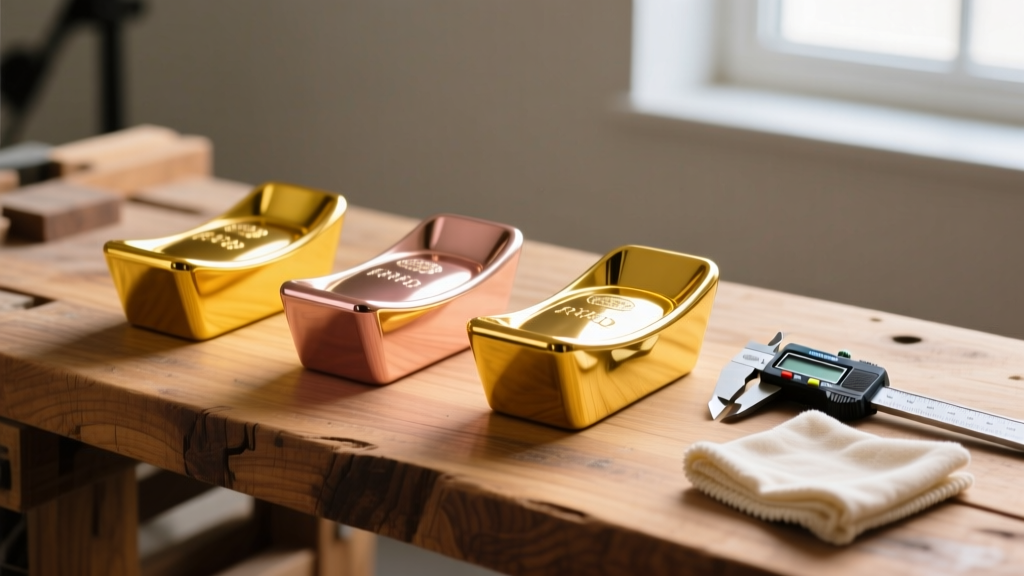
Alloy Composition Breakdown
The color of the gold depends entirely on the ratio of secondary metals mixed into the pure gold. Here is a detailed look at how the 14k (58.5% pure gold) variations are typically formulated:
| Gold Color | Pure Gold Content (14k) | Primary Alloy Metals | Visual & Physical Traits |
|---|---|---|---|
| Yellow Gold | 58.5% | Silver (25%), Copper (16.5%) | Classic warm hue; highly resistant to tarnish; very malleable. |
| Rose Gold | 58.5% | Copper (33%), Silver (8.5%) | Pinkish-red tint; exceptionally durable due to high copper content. |
| White Gold | 58.5% | Nickel or Palladium, Zinc | Silvery-white appearance; stiff and scratch-resistant. |
According to the Gemological Institute of America (GIA), the specific ratios can vary slightly between manufacturers, which is why one brand's rose gold might look slightly more copper-heavy or "red" than another's. When buying a tri color necklace, look for a rich, distinct contrast between the three strands or links.
Durability, Rhodium Plating, and Maintenance
One of the most common beginner mistakes is assuming that white gold is naturally bright white. In reality, white gold alloys have a faint yellowish-gray undertone. To achieve the brilliant, mirror-like silver finish seen in tri-color jewelry, the white gold segments are electroplated with a microscopic layer of rhodium, a rare and incredibly hard platinum-group metal.

The Reality of Rhodium Wear
Because necklaces rest against the skin and experience constant friction from clothing and movement, the rhodium plating on the white gold links will eventually wear off, usually within 1 to 3 years depending on your body chemistry and wear habits. When this happens, the white gold segments may start to look slightly yellow compared to the bright rose and yellow links.
Maintenance Cost: Re-plating a necklace is a standard jewelry repair. Expect to pay between $35 and $75 to have a jeweler re-rhodium the white gold sections. To extend the life of the plating, Jewelers of America recommends removing your necklace before swimming in chlorinated pools or applying lotions and perfumes, as harsh chemicals accelerate rhodium degradation.
How to Style a Tri Color Necklace for Any Occasion
The greatest strength of a tri color necklace is its chameleon-like ability to adapt to any wardrobe. Here is a practical framework for pairing your chain with different necklines:
- The V-Neck: Opt for a pendant-style tri-color chain (18 to 20 inches). The pendant should rest exactly at the apex of the V-neck to elongate the torso and draw the eye downward.
- The Crew Neck: Choose a shorter, wider chain (16 inches, 3mm to 5mm width) that sits just above the collarbone, resting entirely on bare skin rather than tangling with the fabric edge.
- The Scoop Neck: Layering works beautifully here. Use a delicate 14k tri-color rope chain (18 inches) layered with a slightly longer, solid yellow or rose gold chain (20 inches) to create depth without clashing.
- Formal / Business Attire: A sleek, tightly woven tri-color herringbone or snake chain (16 to 18 inches) provides a sophisticated, metallic accent that elevages a silk blouse or tailored blazer without being overly flashy.
The Beginner’s Buying Checklist: Avoiding Common Mistakes
When shopping for a tri color necklace, especially online, the photos can be deceiving. Use this checklist to ensure you are getting a piece that offers structural integrity and fair market value.
1. Solid vs. Hollow (Electroformed) Links
Many budget-friendly tri-color chains are "hollow" or electroformed. This means they are puffed up with air inside to look thick while using minimal gold. Avoid hollow chains for everyday wear. They dent easily if bumped against a hard surface and are nearly impossible for a jeweler to repair if they snap. Always look for descriptions that explicitly state "solid gold" or check the weight; a solid 18-inch, 3mm rope chain should weigh roughly 8 to 12 grams.
2. Inspect the Clasp Mechanics
The clasp is the most common failure point on any necklace.
- Spring Ring: Small, circular, and cheap. Often found on lightweight chains. They are prone to breaking and difficult to operate with one hand.
- Lobster Clasp: The gold standard for durability. It features a spring-loaded lever that is secure and easy to replace if damaged.
- Toggle / Box Clasp: Excellent for heavier, thicker tri-color chains, providing a secure mechanical lock.
3. Verify the Hallmarks
By law, gold jewelry must be stamped with a quality mark. Look closely at the clasp or the small jump ring attached to it. You should see 14K, 14KP (Plumb), 585 (European equivalent for 14k), 18K, or 750. If the piece is stamped "14k HGE" (Heavy Gold Electroplate) or "GF" (Gold Filled), it is not solid gold and will eventually wear down to the base metal beneath.
Pricing Expectations
Gold prices fluctuate daily, but as a baseline for 2026, here is what you should expect to pay for a standard 18-inch tri color necklace:
- 10k Solid Gold (Lightweight / 1.5mm): $150 – $250
- 14k Solid Gold (Medium weight / 2.5mm): $400 – $850
- 14k Solid Gold (Heavy / 4mm+): $1,200 – $2,500+
- 18k Solid Gold (Premium / Designer): $1,500 – $4,000+
If you see a thick, 5mm tri-color chain selling for $80, it is almost certainly gold-plated brass or stainless steel, not solid gold. Always buy from reputable jewelers who provide a clear breakdown of the metal weight and karat purity.
Final Thoughts
A tri color necklace is an investment in versatility. By understanding the underlying alloys, preparing for eventual rhodium maintenance, and strictly buying solid, well-clasped chains, you will secure a timeless piece that anchors your jewelry collection for decades. Whether you choose a delicate woven rope or a bold, interlocking link design, the tri-color aesthetic guarantees your necklace will never go out of style.


