How to Clean a Native Necklace: Turquoise & Silver Care
Learn how to safely clean a native necklace featuring turquoise, coral, and silver. Expert tips on polishing, storage, and avoiding damage.

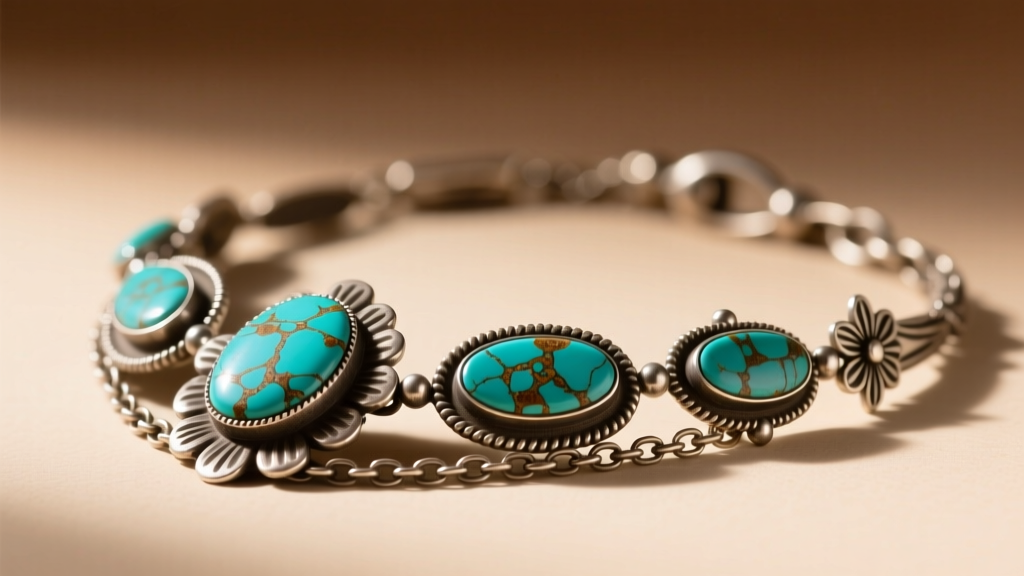
Authentic Native American jewelry is more than just an accessory; it is a wearable piece of history, art, and cultural heritage. Whether you own a heavy Navajo squash blossom, an intricate Zuni petit point pendant, or a multi-strand Santo Domingo heishi native necklace, these pieces require specialized care. The combination of porous gemstones and reactive metals creates a unique maintenance challenge. Using standard commercial jewelry cleaners can permanently ruin the stones and strip the silver of its desirable antique patina.
In this comprehensive 2026 guide, we break down the material science behind your native necklace and provide a meticulous, step-by-step protocol for cleaning, storing, and preserving these heirloom pieces for future generations.
The Material Science of Native Necklaces
To properly care for a native necklace, you must first understand the chemical and physical vulnerabilities of its core materials. Native American artisans traditionally work with a specific triad of materials, each with distinct properties on the Mohs hardness scale and varying levels of porosity.
Sterling Silver (.925)
Most vintage and contemporary native necklaces are crafted from .925 sterling silver, an alloy containing 92.5% silver and 7.5% copper. It is the copper content that makes sterling silver susceptible to tarnish. When copper reacts with hydrogen sulfide and moisture in the air, it forms copper sulfide, creating that familiar dark, blackish-brown layer. While tarnish is a natural chemical reaction, harsh polishing can remove the intentional oxidation (antiquing) that artists use to highlight stamped or cast designs.
Turquoise: A Porous Phosphate
According to the Gemological Institute of America (GIA), turquoise is a hydrous phosphate of copper and aluminum. It ranks between 5 and 6 on the Mohs scale, but more importantly, it is highly porous. Untreated, natural turquoise acts like a microscopic sponge, readily absorbing skin oils, lotions, perfumes, and even household chemicals. This absorption can alter the stone's color over time, sometimes turning a vibrant sky-blue into a muddy green.
Coral, Shell, and Lapis Lazuli
Red coral and pearl shell are primarily composed of calcium carbonate. These organic materials are exceptionally soft (Mohs 3-4) and highly sensitive to acids. Even the natural pH of human sweat, or the citric acid in a fruit-based perfume, can etch the surface of coral and dull the luster of shell inlays. Lapis lazuli, often used in Zuni channel inlay, contains calcite and pyrite, making it vulnerable to both acid and water damage.

The "Last On, First Off" Protocol
The most effective cleaning method is preventative maintenance. Jewelry conservators at the Smithsonian National Museum of the American Indian emphasize that limiting exposure to environmental contaminants is the best way to preserve indigenous artifacts and jewelry.
Adopt the Last On, First Off rule for your native necklace:
- Put it on last: Your necklace should be the final thing you put on after applying makeup, hairspray, perfume, and body lotion. Allow all cosmetics to dry and absorb into your skin for at least 10 minutes before clasping your jewelry.
- Take it off first: Remove your necklace before showering, swimming (chlorine and saltwater are highly destructive to turquoise and silver), washing dishes, or engaging in heavy physical labor.
Step-by-Step Cleaning Methodology
When your native necklace inevitably accumulates dirt, skin oils, and tarnish, you must clean it using a bifurcated approach: one method for the metal, and a completely different method for the stones.
Phase 1: Polishing the Sterling Silver
Never use liquid silver dips, ultrasonic cleaners, or commercial polishing pastes. Liquid dips contain thiourea, a toxic chemical that strips oxidation and can seep into the porous stones, leaving permanent white, chalky residue. Ultrasonic waves can easily fracture natural turquoise and shatter delicate coral inlays.
- Obtain a high-quality, treated jeweler's cloth (such as a Sunshine polishing cloth). These cloths are impregnated with micro-abrasives and anti-tarnish agents.
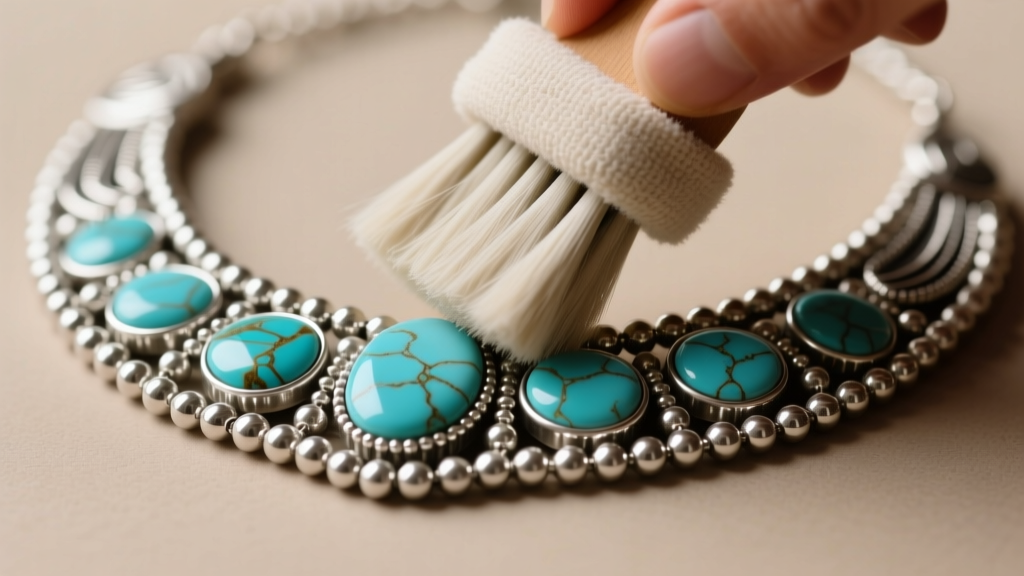
- Gently rub the cloth over the exposed silver areas. Use a Q-tip or a soft, clean makeup brush to maneuver the cloth into tight silver stamping or bezel edges.
- Crucial Step: Avoid rubbing the polishing cloth directly over the turquoise or coral. The micro-abrasives can scratch the stones, and the chemical residue can clog their pores.
Phase 2: Wiping the Turquoise and Coral
For the gemstones, moisture is the enemy, but a slightly damp cloth is necessary to remove surface oils.
- Dampen a clean, lint-free microfiber cloth with distilled water. Wring it out until it is barely moist.
- Gently wipe the surface of the turquoise, coral, or shell cabochons to lift away skin oils and dust.
- Immediately dry the stones with a separate, completely dry microfiber cloth to prevent water spots or moisture from seeping into the bezel settings, which can cause the foil backings (common in vintage pieces) to oxidize and turn the stones black from behind.
Chemical Reactions: What to Avoid
Understanding which household items will cause catastrophic damage to your native necklace is vital. Below is a breakdown of common cleaning agents and their destructive effects on native jewelry materials.
| Cleaning Agent | Material Affected | Chemical Reaction & Damage |
|---|---|---|
| Ultrasonic Cleaners | Turquoise, Coral, Shell | High-frequency vibrations cause micro-fractures, crazing, and complete shattering of porous and organic stones. |
| Ammonia / Glass Cleaner | Turquoise, Silver | Strips the natural waxes from turquoise, leaving it dull and brittle. Accelerates silver tarnishing. |
| Baking Soda & Aluminum Foil | Sterling Silver | While great for plain silver, the boiling water and alkaline solution will permanently discolor turquoise and dissolve coral. |
| Commercial Silver Dips | All Materials | Contains thiourea; leaves a toxic, chalky residue in stone pores and strips intentional artist antiquing from silver. |
Advanced Storage and Humidity Control
How you store your native necklace when it is not being worn is just as critical as how you clean it. Improper storage leads to tangled chains, scratched stones, and rapid silver oxidation.
The Dangers of Plastic
Never store your native necklace in standard plastic ziplock bags. Many common plastics, particularly PVC, emit sulfur-containing gases as they degrade. Trapping your silver in a plastic bag creates a micro-environment that accelerates tarnishing. Furthermore, plastic bags trap ambient humidity, which promotes the growth of mold on organic materials like shell and coral.
Proper Storage Materials
- Acid-Free Tissue Paper: Wrap the necklace loosely in acid-free, unbuffered archival tissue paper to prevent scratches and allow the piece to breathe.
- Anti-Tarnish Strips: Place a 3M anti-tarnish strip or a piece of Pacific Silvercloth inside the storage container. These materials absorb airborne sulfur and hydrogen sulfide before they can reach your silver.
- Cotton Pouches: Store the wrapped necklace in a soft, unbleached cotton muslin bag. Keep it in a cool, dark drawer away from direct sunlight, which can fade certain dyed stones and dry out organic materials.
Structural Maintenance: Bezels and Stringing
Beyond surface cleaning, a native necklace requires periodic structural inspections. The physical mechanics of the jewelry will degrade over time due to gravity, body heat, and movement.
Checking the Bezels
Native American silversmiths typically use smooth or stamped silver bezels to secure cabochons, rather than prongs. Over time, these bezels can pull away from the stone due to minor impacts or temperature fluctuations. Every six months, run a piece of dental floss gently around the edge of the bezel. If the floss catches or slides under the silver, the bezel is loose. A jeweler can easily push the silver back against the stone using a bezel pusher tool, preventing the stone from falling out and getting lost.
Re-Stringing Heishi and Multi-Strand Necklaces
If your native necklace features heishi beads or multiple strands of silver and stone beads, it is likely strung on nylon, silk, or synthetic beading thread. These fibers stretch and degrade. If you notice the beads sliding apart and exposing the thread, or if the necklace feels stiff and kinked, it is time for professional re-stringing. As a general rule, heavily worn multi-strand necklaces should be re-strung by a professional every 3 to 5 years to prevent catastrophic string breakage.
By respecting the unique material properties of turquoise, coral, and sterling silver, and by avoiding the harsh chemicals of modern jewelry care, your native necklace will retain its historical integrity, structural soundness, and breathtaking beauty for decades to come.


