Flower Press Necklace Guide: Mechanics, Materials & Care
Discover the technical mechanics, material grades, and preservation secrets behind the perfect flower press necklace for botanical jewelry lovers.

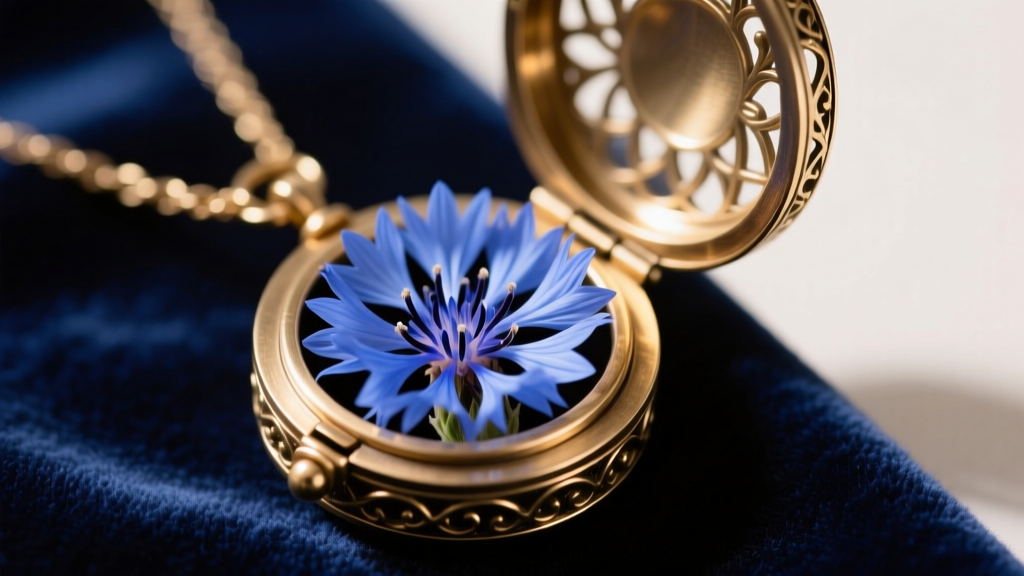
The Anatomy of a Functional Flower Press Necklace
Unlike static resin pendants that permanently entomb a botanical specimen, a true functional flower press necklace operates as a miniature, wearable locket designed to house, protect, and display interchangeable pressed flora. The engineering of these pieces requires a precise balance of metallurgy, optical clarity, and micro-mechanics. For jewelry enthusiasts and artisans in 2026, understanding the technical specifications of these pendants is crucial for both creation and long-term maintenance.
A standard functional press pendant consists of four primary components: the outer bezel casing, the retaining ring (which secures the contents), the optical window (glass or resin), and the internal compression pad. The depth of the internal chamber typically ranges from 1.5mm to 3.0mm, dictating the maximum thickness of the botanical material you can safely enclose without fracturing the glass or stripping the retaining threads.
Metallurgy and Hardware Specifications
The longevity of a flower press necklace hinges on the alloy used for the casing and the threading mechanism. Mass-market variants often use zinc alloy (zamak) with a thin electroplated finish. While inexpensive, zamak is brittle and prone to thread stripping under repeated torsional stress. Expert jewelers prefer C26000 cartridge brass or 925 sterling silver.
Cartridge brass offers excellent machinability and corrosion resistance, developing a rich patina over time. However, because raw brass can cause skin discoloration due to copper oxidation, high-end brass lockets are often treated with a clear, hypoallergenic electrophoretic coating. On the other hand, 925 sterling silver provides a premium, hypoallergenic finish but introduces a specific chemical vulnerability. According to the Gemological Institute of America (GIA), the 7.5% copper content in sterling silver reacts with sulfur compounds in the air—and occasionally from decaying organic matter trapped inside the locket—to form silver sulfide, resulting in black tarnish. To mitigate this, silver press necklaces should feature rhodium plating on the inner threading or require periodic polishing with a microfiber cloth and mild silver dip.
Optical Mediums: Glass vs. UV-Resin Encasement
The window of the locket is the lens through which the botanical specimen is viewed. The choice between mineral glass and UV-cured resin drastically alters the pendant's weight, scratch resistance, and optical fidelity.
| Feature | Mineral Glass (Mohs 5-6) | UV-Cured Polyurethane Resin |
|---|---|---|
| Scratch Resistance | High (resists everyday wear) | Low (prone to micro-scratches) |
| Weight | Heavy (adds 5-10g to pendant) | Lightweight (adds 1-2g) |
| UV Degradation | None (100% UV stable) | Requires HALS additives to prevent yellowing |
| Optical Clarity | High, but can cause internal condensation | Excellent, bonds directly to flora |
When selecting a glass-windowed flower press necklace, look for sapphire-coated mineral glass. This coating reduces glare and increases surface hardness. However, glass is impermeable, meaning any residual moisture trapped inside will manifest as condensation. Resin, while softer, encapsulates the flower entirely, eliminating air pockets and the risk of internal fogging. Modern UV resins formulated with Hindered Amine Light Stabilizers (HALS) effectively block the photodegradation that historically caused resin pendants to turn yellow within months of sun exposure.
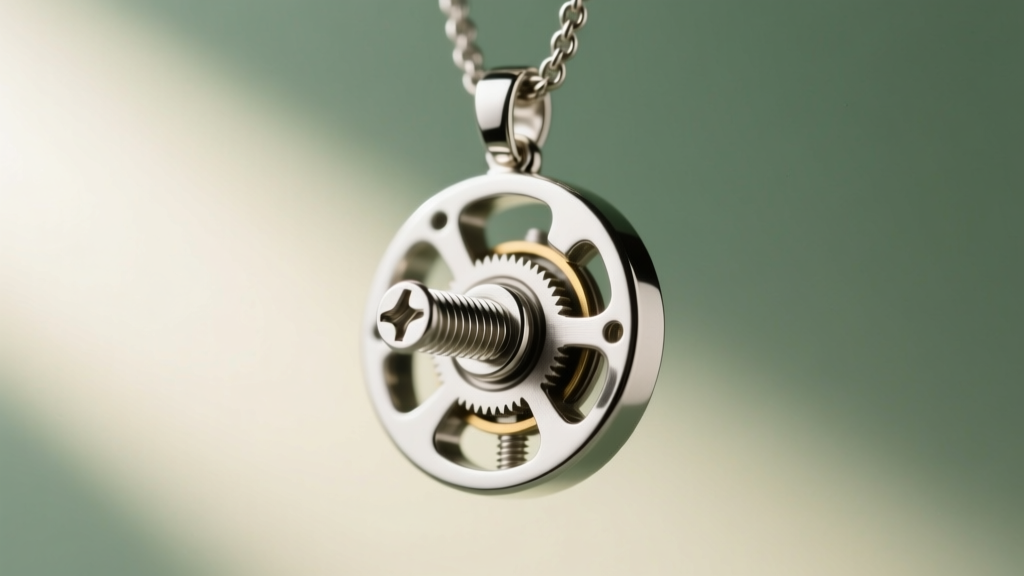
Botanical Preservation Chemistry
The most common failure mode in botanical jewelry is enzymatic browning. When a flower is picked, cellular damage releases polyphenol oxidase, an enzyme that reacts with oxygen to produce melanin-like brown pigments. To preserve the vivid colors of a cornflower, pansy, or daisy inside a flower press necklace, moisture must be reduced below 10% rapidly, halting enzymatic activity before degradation occurs.
Desiccation and Silica Gel Curing
Traditional heavy-book pressing is insufficient for jewelry-grade preservation because it is too slow, allowing chlorophyll to degrade and turn brown. The Royal Horticultural Society recommends rapid desiccation for maintaining color fidelity. For micro-botanicals intended for lockets, use 40-mesh indicating silica gel. The fine 40-mesh size allows the silica beads to contour perfectly around delicate petals without crushing them, while the indicating dye (which changes from blue to pink) alerts you when the desiccant is saturated and requires thermal regeneration in an oven at 250°F.
Once the flower is fully desiccated (typically 24 to 48 hours), it must be sealed inside the locket immediately. Professional jewelers often apply a micro-thin layer of PVA (polyvinyl acetate) archival adhesive to the back of the flower to anchor it to the backing plate, preventing it from shifting or crumbling when the locket is opened or subjected to the kinetic shock of daily wear.
Chain Selection and Load-Bearing Mechanics
A functional brass or silver flower press necklace, complete with glass windows and metal hardware, typically weighs between 15 and 35 grams. This is significantly heavier than standard stamped pendants. Therefore, pairing it with a delicate 0.8mm cable chain is a mechanical error that will inevitably lead to chain failure.
- Optimal Chain Gauge: 1.5mm to 2.0mm. This thickness provides the necessary tensile strength to support a 35g pendant without stretching the links.
- Chain Style: Rolo or wheat chains are preferred. Rolo chains feature interlocking round links that distribute weight evenly, while wheat chains offer a braided structure with high resistance to pulling forces.
- Clasp Mechanics: Avoid spring ring clasps, which suffer from weak internal spring tension and small solder joints. A 10mm or 12mm lobster clasp with a heavy-duty jump ring is mandatory for secure load-bearing.
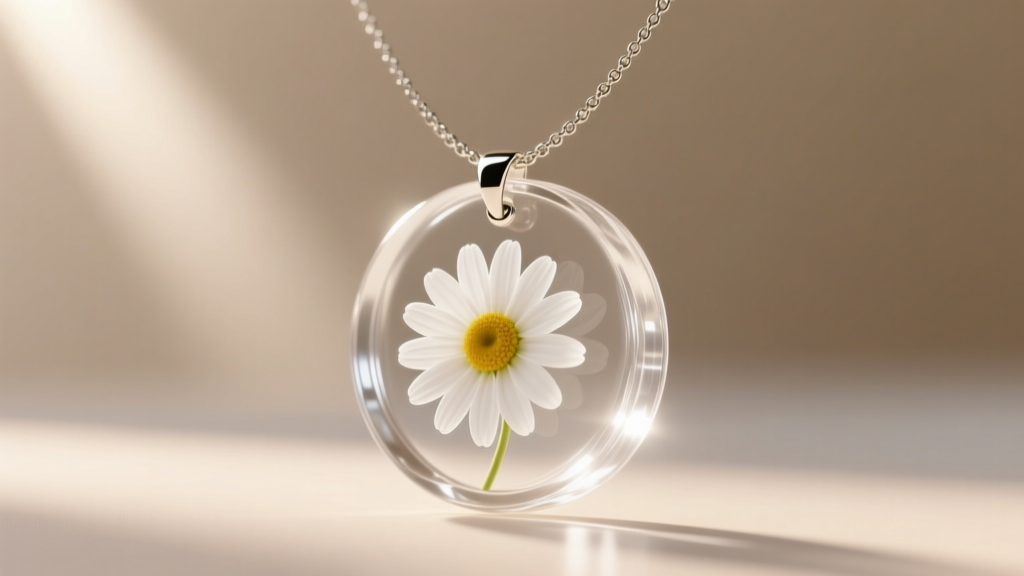
Troubleshooting Common Failure Modes
Even expertly crafted botanical lockets can experience technical issues over years of wear. Understanding how to troubleshoot these problems ensures the heirloom longevity of the piece.
Internal Condensation
If fog or water droplets appear beneath the glass, the internal moisture barrier has failed, or the flower was not fully desiccated before sealing. The Fix: Carefully unscrew the retaining ring using a micro-spanner or friction tool. Remove the botanical specimen and place the empty glass and metal components in a sealed container with fresh silica gel for 48 hours. Once clear, reassemble in a low-humidity environment.
Hinge Pin Fatigue
Lockets that utilize a traditional barrel hinge rather than a screw-top mechanism are vulnerable to hinge pin shearing. Standard hinge pins are often 0.8mm thick. Repeated lateral stress from the pendant swinging can cause metal fatigue. The Fix: If the locket feels loose or wobbles on the hinge, do not attempt to squeeze the barrel with pliers, as this will warp the casing. Take it to a bench jeweler to have the pin replaced with a harder steel or titanium wire, peened securely at both ends.
Expert Maintenance Tip: To protect the internal threading of a screw-top flower press necklace from cross-threading and wear, apply a microscopic amount of synthetic watch oil to the male threads every six months. This reduces friction, prevents metal galling, and ensures a watertight seal against ambient humidity.
By respecting the metallurgy, preservation chemistry, and mechanical tolerances of these intricate accessories, collectors and artisans can ensure their botanical treasures remain vibrant and structurally sound for decades.


