The Ultimate Scapula Necklace Gift Guide for Anatomy Lovers
Discover the perfect scapula necklace for med students, physical therapists, and anatomy nerds. Explore materials, sizing, and occasion matching.

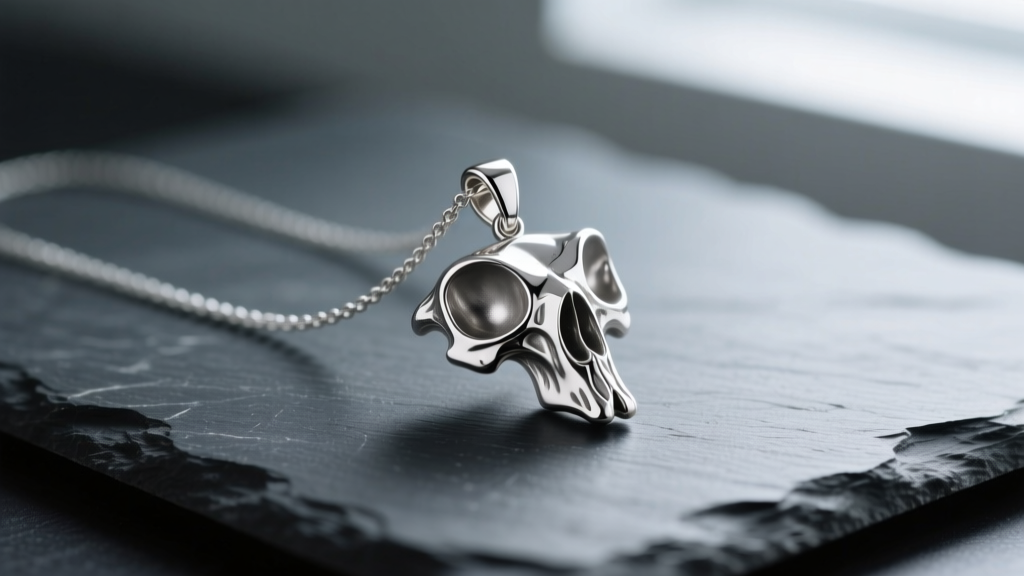
Finding the perfect gift for the medical professional, physical therapist, or anatomy enthusiast in your life can feel like navigating a complex surgical procedure. Standard stethoscope charms and caduceus pendants have been done to death. Enter the scapula necklace: a hyper-specific, anatomically accurate piece of jewelry that bridges the gap between macabre gothic fashion and high-brow medical appreciation. As we move through 2026, anatomical jewelry has evolved from niche internet curiosities into highly detailed, precision-cast wearable art.
The scapula, commonly known as the shoulder blade, is a biomechanical marvel. According to the Cleveland Clinic, this triangular bone connects the humerus to the clavicle and serves as the attachment point for 17 different muscles. Gifting a scapula necklace is not just a nod to osteology; it is a profound acknowledgment of the literal and figurative backbone of your recipient's daily life.
The Symbolism Behind the Shoulder Blade
Why gift a shoulder blade? The symbolism is rich and multifaceted. In the medical and rehabilitative fields, the scapula is the epicenter of upper body mobility. For physical therapists, orthopedic surgeons, and massage therapists, the shoulder girdle is their daily battlefield. Gifting this specific bone says, 'I recognize the heavy lifting you do,' or plays on the classic pun, 'I have always got your back.'
Beyond the clinic, the scapula holds a unique place in gothic, dark academia, and osteology-adjacent fashion circles. Unlike generic skull pendants, the scapula offers an asymmetrical, sweeping elegance that mimics the natural curves of the human body. It is a conversation starter that requires a certain level of anatomical literacy to identify, making it an exclusive 'if you know, you know' accessory for biology majors, anatomical artists, and science educators.
Anatomy of a High-Quality Scapula Casting
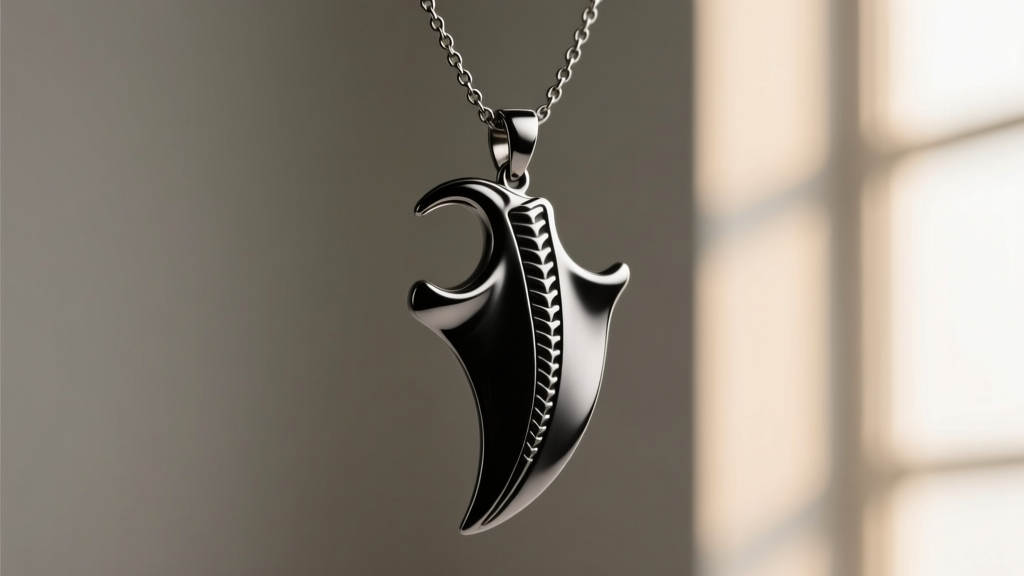
Not all anatomical jewelry is created equal. A cheap, mass-stamped piece of metal will look like a distorted triangle. A premium scapula necklace, however, is born from 3D-scanned human osteology specimens and brought to life via lost-wax casting. When evaluating a piece, you must look for specific anatomical landmarks that prove the jeweler's dedication to accuracy.
Crucial Landmarks to Inspect
- The Acromion Process: This bony projection should articulate clearly, extending outward just as it does in the human body to form the highest point of the shoulder.
- The Coracoid Process: Shaped like a raven's beak (as noted in StatPearls anatomical literature), this hook-like structure must be distinct and not fused flat against the main body of the pendant.
- The Glenoid Cavity: The shallow socket where the humerus head sits. High-end pendants will feature a concave depression here, rather than a flat surface.
- The Spine of the Scapula: The prominent ridge running across the posterior surface. In a well-cast pendant, this ridge will catch the light beautifully, providing structural integrity and visual depth.
- The Infraspinous Fossa: The broad, slightly concave surface below the spine. Texturing here should mimic the porous nature of real bone, not look like smooth, melted plastic.
Material Grades and Pricing Tiers
The longevity and skin-safety of your gift depend entirely on the metal grade. Avoid pot metal or unverified zinc alloys, which can cause contact dermatitis and degrade quickly. Below is a breakdown of the standard materials used in premium anatomical jewelry.
| Material | Pros | Cons | Price Range |
|---|---|---|---|
| Pewter (Lead-Free) | Excellent detail retention, affordable, heavy drape. | Prone to scratching, cannot be polished to a high mirror shine. | $20 - $45 |
| 316L Surgical Steel | Hypoallergenic, highly durable, resists tarnish and water damage. | Heavier than silver, limited to steel-grey tones unless PVD coated. | $35 - $70 |
| 925 Sterling Silver | Premium heirloom quality, takes a brilliant polish, holds value. | Requires occasional polishing to remove oxidation from the crevices. | $85 - $160 |
| 14k Solid Gold | Ultimate luxury, zero tarnish, highly biocompatible. | Extremely expensive, softer metal may lose micro-details over decades. | $450 - $900+ |
For most gifting scenarios, 316L surgical steel or 925 sterling silver are the optimal choices. As the Gemological Institute of America (GIA) notes, sterling silver offers the perfect balance of precious metal prestige and workable durability for intricate castings.
Chain Pairings, Bails, and Anatomical Sizing
The scapula is an inherently asymmetrical, sprawling bone. Pairing it with the wrong chain will ruin the visual weight of the pendant. Avoid thick Cuban links or heavy rope chains, which will compete with the intricate textures of the bone's surface.
Recommended Chain Types and Bails
- Box Chain (2.0mm - 3.0mm): The geometric links of a box chain provide a modern, clinical contrast to the organic curves of the bone. It lays flat and allows the pendant to sit flush against the sternum.
- Wheat Chain (1.5mm - 2.5mm): Woven and fluid, a wheat chain mimics the look of tendons and ligaments, complementing the anatomical theme without overpowering it.
- The Bail Connection: Because the scapula is top-heavy near the acromion, ensure the pendant features a fixed, soldered bail rather than a simple drilled hole. A hidden bail that attaches near the center of gravity will prevent the bone from flipping upside down while worn.
Length Considerations
For a traditional necklace drape that rests on the upper chest, an 18-inch to 20-inch chain is ideal. However, if the recipient prefers a sternum drop look—where the scapula hangs lower, mimicking an anatomical diagram suspended in a lab—a 24-inch to 28-inch chain is the superior choice. Always ensure the clasp is a secure lobster claw; the uneven weight distribution of a scapula pendant can cause weaker spring-ring clasps to fail over time.
Occasion Matching Guide

Knowing exactly when to gift a scapula necklace is just as important as selecting the right metal. Here is a curated guide to matching this unique piece of jewelry with the perfect life event.
Medical and Physical Therapy Graduations
This is the premier occasion for anatomical jewelry. When a student finally transitions from the lecture hall to the clinic, they are leaving behind textbooks and embracing the physical reality of the human body. A 925 sterling silver scapula necklace serves as a sophisticated, wearable reminder of the biomechanics they have mastered. It is vastly more personal and thoughtful than a generic diploma frame or a standard pen set.
Valentine's Day and Anniversaries (The 'Backbone' Pun)
For couples with a dark sense of humor or a shared love for science, the scapula necklace is a brilliant alternative to heart-shaped pendants. Include a card that reads, 'You are my backbone,' or 'I have always got your back.' It transforms a quirky piece of osteology jewelry into a deeply romantic, inside-joke token of affection that only the two of you truly understand.
Massage Therapist and Chiropractor Appreciation
Bodyworkers spend their lives palpating, adjusting, and healing the musculature surrounding the shoulder girdle. A 316L stainless steel scapula pendant is an excellent, durable gift for a massage therapist who needs jewelry that can withstand the physical demands of their profession without tarnishing from massage oils, lotions, or frequent hand-washing.
Biology Teachers and Anatomy Professors
Educators who spend their days pointing at plastic skeletal models deserve jewelry that reflects their passion. A high-detail pewter or silver scapula pendant worn over a turtleneck or lab coat is a subtle flex of their expertise and a great icebreaker for engaged students.
Final Thoughts on Anatomical Gifting
The scapula necklace transcends typical jewelry tropes, offering a deeply meaningful, hyper-specific gift for those who appreciate the intricate machinery of the human body. By prioritizing anatomical accuracy, selecting biocompatible metals like 316L steel or sterling silver, and matching the piece to the right milestone, you are guaranteed to deliver a gift that resonates on both an intellectual and aesthetic level. Skip the generic charms this year and give them a piece of the skeleton that truly carries the weight of the world.


