Should Men Wear Necklaces? A Guide to Care, Cleaning & Maintenance
Discover if men should wear necklaces and how to maintain them. Expert cleaning tips for gold, silver, titanium, and leather men's chains.


The debate around men's jewelry often circles back to one fundamental question: should men wear necklaces? The short answer is an absolute yes. However, the hesitation many men feel isn't usually about the style itself, but rather the fear of wearing a piece that looks tarnished, grimy, or poorly maintained. A high-quality chain can elevate a simple t-shirt or complement a tailored suit, but only if it is kept in pristine condition. Unlike women's fine jewelry, which is often taken off and stored carefully, men's necklaces are frequently worn daily, subjected to sweat, gym environments, and the natural oils of the skin.
This comprehensive guide moves past basic style advice and dives deep into the material science, cleaning protocols, and maintenance routines required to keep men's necklaces looking sharp, masculine, and expensive in 2026 and beyond.
The Short Answer: Should Men Wear Necklaces?
Men should absolutely wear necklaces, provided the piece matches their lifestyle and they are willing to commit to its upkeep. The stigma of the "tacky" men's chain usually stems from neglected metals. When a 925 sterling silver chain oxidizes and turns black in the crevices, or when a leather cord becomes stiff and discolored from absorbed sebum, the jewelry detracts from the wearer's overall presentation. Proper maintenance transforms a necklace from a questionable accessory into a deliberate, sophisticated style anchor.
Choosing the right metal for your lifestyle is the first step in hassle-free maintenance. If you work with your hands or sweat heavily, 316L surgical stainless steel or Grade 23 (6Al-4V) titanium are virtually indestructible and require minimal upkeep. If you prefer the prestige of precious metals, 14k or 18k gold offers excellent tarnish resistance, while sterling silver requires a dedicated cleaning routine to combat sulfur-induced oxidation.
The Anatomy of Men's Chains: Where Dirt and Damage Hide
To effectively clean a necklace, you must understand its structural vulnerabilities. Men tend to favor heavier, more complex chain weaves, which unfortunately act as traps for micro-debris, dead skin cells, and lotions.
- Cuban Link Chains (5mm - 12mm): The flat, interlocking links of a Cuban chain create tight, horizontal crevices. These joints trap sebum and environmental dust, leading to a dull, grayish buildup that masks the metal's luster. A soft-bristled toothbrush is mandatory here.
- Rope Chains: The twisted, helical structure of a rope chain is notorious for snagging on fabrics and trapping microscopic dirt deep within the twists. They are highly susceptible to stretching if pulled, which permanently distorts the weave and weakens the solder points.
- Figaro Chains: With their alternating pattern of short and long links, Figaro chains experience uneven wear. The smaller links bear the brunt of the friction, making them the most likely point of structural failure over time.
- Box Chains: While excellent for holding heavy pendants, box chains are prone to kinking. Once a square link is bent out of its 90-degree alignment, it creates a weak point that can snap under tension.
Material-Specific Cleaning Protocols
Using the wrong cleaning agent can permanently ruin a chain's finish. Below are the exact, chemically sound methods for maintaining the most popular men's necklace materials.
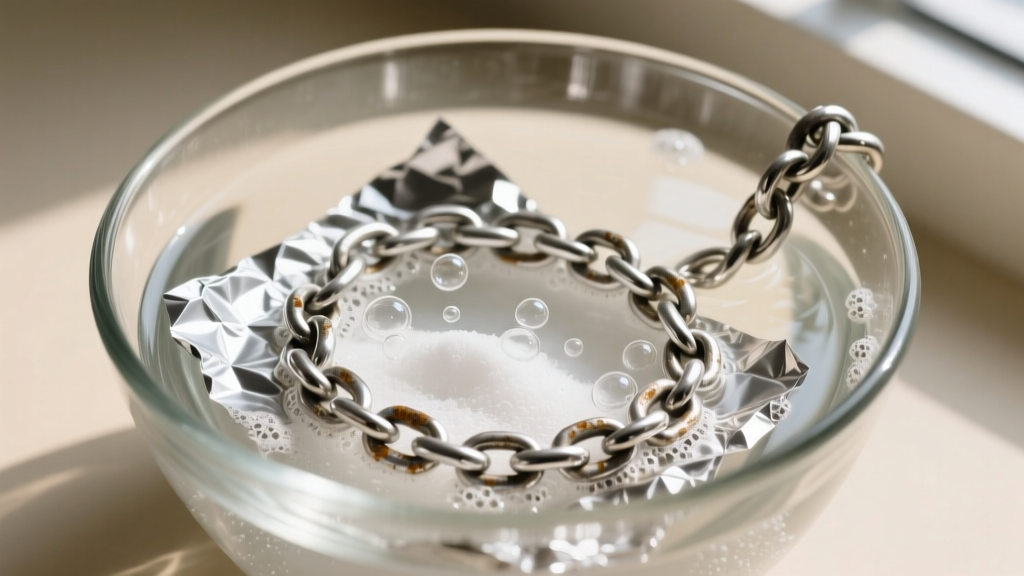
1. 925 Sterling Silver: The Electrochemical Bath
Sterling silver reacts with hydrogen sulfide in the air to form silver sulfide, the black tarnish you see on neglected chains. According to the Gemological Institute of America (GIA), abrasive polishes remove a microscopic layer of silver every time you use them. Instead, use an electrochemical reversal bath.
- Line a glass bowl with aluminum foil (shiny side up).
- Place your silver chain on the foil, ensuring it touches the metal.
- Sprinkle 2 tablespoons of baking soda and 1 teaspoon of salt over the chain.
- Pour boiling water into the bowl. You will see bubbles and smell a faint sulfur (rotten egg) odor.
- Let it sit for 3-5 minutes, then remove with wooden tongs, rinse in distilled water, and pat dry with a microfiber cloth.
Expert Warning: Never use this method on intentionally oxidized (antiqued) silver, such as gothic or vintage-style pieces, as the bath will strip the intentional black detailing from the crevices.
2. 14k and 18k Solid Gold: The Ammonia Degreaser
Gold does not tarnish, but it does accumulate a heavy film of body oils and lotions that dulls its reflective properties. The GIA Gold Care Guidelines recommend a mild degreasing approach. Mix a few drops of ammonia-free dish soap (like Dawn) in warm water and soak the chain for 15 minutes. For heavy buildup in thick Cuban links, use a baby toothbrush to gently agitate the joints. Avoid harsh commercial jewelry dips on gold chains that feature porous gemstone accents like turquoise, opal, or onyx, as the chemicals will fracture the stones.
3. 316L Stainless Steel & Grade 23 Titanium
These are the workhorses of men's jewelry. Titanium is highly resistant to corrosion and hypoallergenic, while 316L steel contains molybdenum, which prevents pitting from chloride (sweat and saltwater). Clean these with a simple ultrasonic jewelry cleaner filled with warm water and a drop of dish soap. The high-frequency sound waves will dislodge dirt from the tightest rope chain twists without any manual scrubbing.
4. Leather and Braided Cords
Leather necklaces require entirely different care. Water is the enemy, as it strips the hide of its natural tanning oils, leading to cracking and stiffness. Clean leather cords using a dedicated saddle soap applied with a damp (not wet) cloth. Once a month, condition the leather with a light application of mink oil or neatsfoot oil to maintain its tensile strength and water resistance. Never wear leather chains in the pool or ocean.
Maintenance Matrix: Men's Necklace Care Schedule
To keep your jewelry in optimal condition without over-cleaning, follow this structured maintenance matrix based on material and wear frequency.
| Material | Primary Vulnerability | Best Cleaning Agent | Recommended Frequency | Avoid At All Costs |
|---|---|---|---|---|
| 925 Sterling Silver | Sulfur oxidation (tarnish) | Aluminum foil + baking soda bath | Every 4-6 weeks | Rubber bands, chlorine pools |
| 14k / 18k Gold | Sebum and lotion buildup | Mild dish soap + warm water | Bi-weekly | Chlorine bleach, toothpaste |
| 316L Stainless Steel | Surface smudges, minor scratching | Ultrasonic cleaner or glass cleaner | Monthly | Steel wool, abrasive pads |
| Titanium (Grade 23) | Anodized color fading | Warm soapy water | As needed | Harsh acids, ultrasonic (if anodized) |
| Braided Leather | Moisture rot, drying/cracking | Saddle soap + mink oil | Monthly conditioning | Submersion in water, direct heat |
Storage and Daily Wear Rules to Prevent Degradation
How you store your necklaces is just as critical as how you clean them. Tossing multiple chains into a single drawer guarantees micro-scratches and tangled links. Furthermore, the environment inside a standard cardboard jewelry box can actually accelerate tarnishing due to the acidic nature of the paper and glues.
The PVC Danger
Never store sterling silver or copper-based alloys in polyvinyl chloride (PVC) plastic bags or boxes. PVC off-gasses hydrochloric acid and sulfur compounds over time, which will rapidly turn silver black and cause permanent pitting on lesser metals. Always use polyethylene (PE) or polypropylene (PP) ziplock bags for individual chain storage.
Anti-Tarnish Technology
For long-term storage, place a 3M anti-tarnish strip inside the storage bag with your silver chains. These strips contain zinc carbonate, which acts as a sacrificial metal, absorbing the corrosive gases in the air before they can reach your jewelry. Replace these strips every 6 months for maximum efficacy.
The Valet Tray Routine
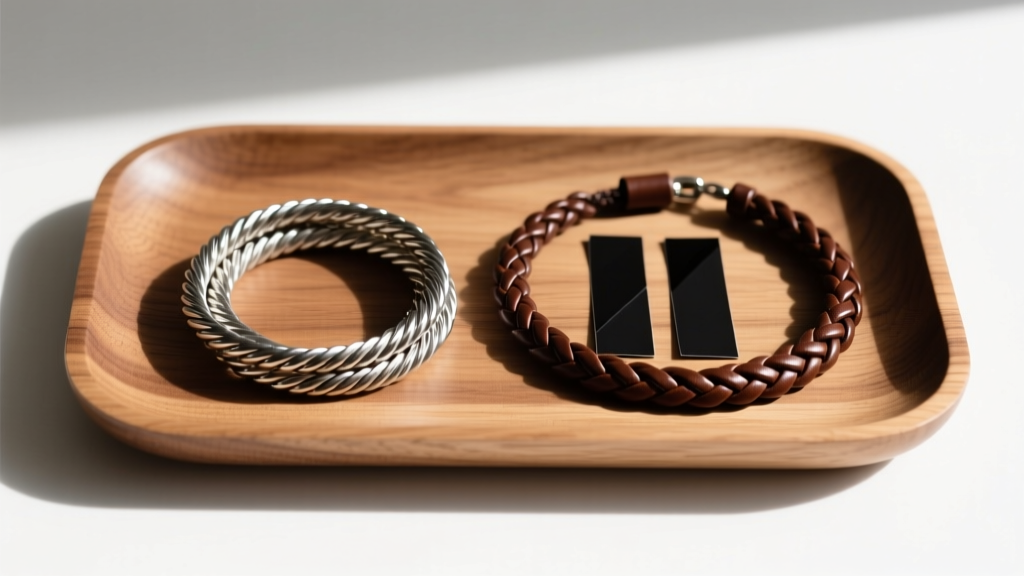
For daily wear, invest in a valet tray lined with microfiber or soft suede. When taking off a chain, unclasp it completely rather than pulling it over your head. Pulling chains over the head stretches the links, particularly in heavier Cuban and Figaro styles, and puts immense stress on the lobster clasp's internal spring mechanism.
Final Verdict on Men's Necklace Upkeep
So, should men wear necklaces? Without a doubt. A well-chosen, meticulously maintained necklace is a hallmark of modern masculine style. By understanding the specific metallurgical needs of your chains—whether it's reversing silver sulfide tarnish with an electrochemical bath, degreasing gold links, or conditioning leather cords—you ensure your jewelry remains a sharp, intentional asset to your wardrobe. Treat your necklaces with the same respect you give to a fine mechanical watch or a pair of premium leather boots, and they will last a lifetime.


