How Much Is a 14K Gold Necklace in 2026? Price Guide
Discover exactly how much a 14K gold necklace costs in 2026. We break down melt values, gram weights, chain styles, and retail markups.

The Anatomy of 14K Gold Pricing: Melt Value vs. Retail Reality
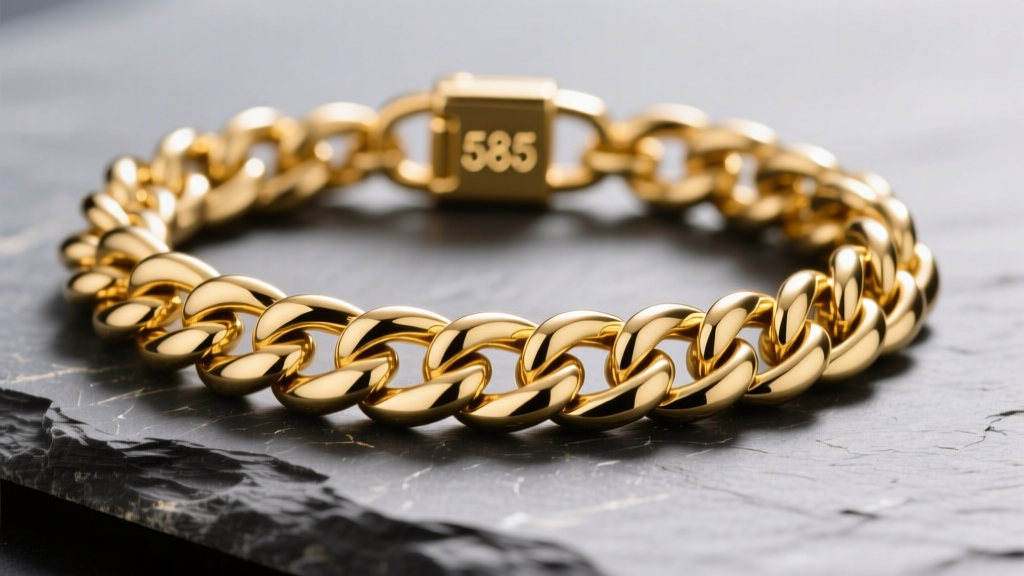
When consumers research how much is a 14k gold necklace, they are often met with wildly varying price tags that seem disconnected from the daily gold spot market. To understand pricing in 2026, you must first separate the intrinsic melt value of the metal from the manufacturing, labor, and retail markups. 14K gold is an alloy composed of exactly 58.3% pure gold and 41.7% secondary metals (typically copper, silver, and zinc). This specific ratio is the industry standard for fine jewelry because it provides an optimal Vickers hardness rating of roughly 130-150 HV, making it significantly more resistant to scratching and deformation than 24K pure gold, which sits at a mere 25 HV.
To calculate the baseline melt value of any 14K necklace, you must use the Troy ounce standard. One Troy ounce equals 31.1035 grams. If the 2026 gold spot price is hovering around $2,350 per Troy ounce, the math breaks down as follows:
- 24K Gold per gram: $2,350 / 31.1035 = $75.55
- 14K Gold per gram (Melt Value): $75.55 x 0.583 = $44.04
Therefore, a 10-gram 14K gold necklace contains exactly $440.40 worth of raw gold. However, you will rarely find this chain for sale at its melt value. According to market data tracked by the World Gold Council, retail markups for basic chains typically range from 100% to 300% over melt, while complex, designer, or heavily finished chains can command markups of 500% to 1,000%. This markup covers the costs of wire drawing, link soldering, polishing, rhodium plating (for white gold), and retail overhead.
Manufacturing Techniques: Solid, Semi-Solid, and Hollow Chains
The physical construction of the chain is the single largest variable affecting the final retail price. A 20-inch 14K gold rope chain can weigh 5 grams or 45 grams depending on how it was manufactured. Understanding these structural differences is critical to avoiding overpriced, fragile jewelry.
Solid Drawn-Wire Chains
Solid chains are crafted by drawing gold alloy through progressively smaller diamond-tipped dies to create wire, which is then looped, woven, and soldered. These chains are heavy, highly durable, and can be easily repaired with laser welding if they snap. Because they require a high volume of raw gold, they carry the highest upfront cost but offer the best long-term value and longevity.
Hollow and Electroformed Chains
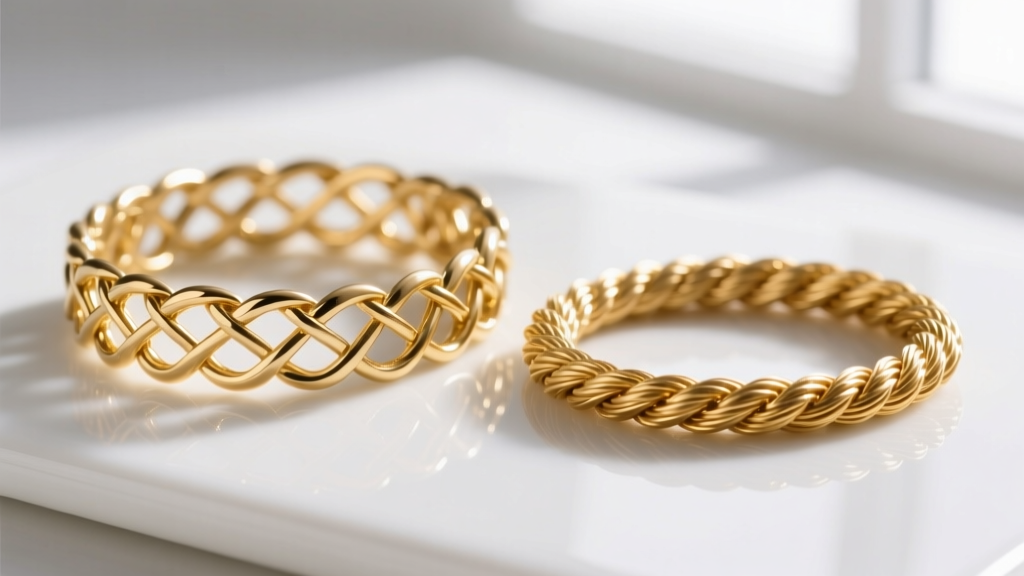
Hollow chains are manufactured using electroforming or resin-core techniques, creating a thick outer shell of 14K gold with an empty or lightweight interior. While they offer the visual presence of a heavy chain for a fraction of the melt cost, they are notoriously fragile. A hollow 14K gold Cuban link chain can easily dent if dropped on a hard surface, and because the walls are paper-thin, they are virtually impossible to solder back together if they break. In 2026, reputable jewelers heavily discount hollow chains or refuse to stock them due to high customer return rates regarding structural failures.
Semi-Solid Chains
Semi-solid chains represent a middle ground. They utilize a thicker outer gold shell with a reinforced interior structure, often achieved through advanced 3D casting or specialized tube-drawing techniques. They offer better crush resistance than hollow chains but still lack the sheer tensile strength of solid drawn-wire links.
2026 Chain Style Weight Matrix and Pricing Estimates
The style of the chain dictates both its gram weight and the labor cost required to assemble it. Intricate styles like the Rope or Byzantine require immense manual labor or complex CNC machining, driving up the retail multiplier. Below is a technical breakdown of estimated costs for standard 18-inch solid 14K gold necklaces based on 2026 market averages.
| Chain Style | Avg. Solid Weight (18") | Est. Melt Value | Typical Retail Range | Labor Multiplier |
|---|---|---|---|---|
| Cable Chain | 4.5 grams | $198.18 | $350 - $500 | 1.7x - 2.5x |
| Box Chain | 6.0 grams | $264.24 | $550 - $750 | 2.0x - 2.8x |
| Figaro Chain | 9.5 grams | $418.38 | $800 - $1,100 | 1.9x - 2.6x |
| Cuban Link | 15.0 grams | $660.60 | $1,400 - $2,200 | 2.1x - 3.3x |
| Rope Chain | 11.0 grams | $484.44 | $1,200 - $1,800 | 2.4x - 3.7x |
Note: Retail ranges fluctuate based on brand prestige, clasp quality, and whether the chain features diamond-cut facets, which add an extra 10-15% to the manufacturing cost.
Hardware, Soldering, and the Hidden Costs of Durability
When evaluating how much a 14K gold necklace should cost, buyers frequently overlook the hardware. The clasp is the most common point of failure on any necklace. A high-quality solid cast lobster clasp will add $25 to $45 to the wholesale cost of a chain, but it ensures the piece remains secure. Conversely, cheap spring-ring clasps often contain a tiny internal steel spring to maintain tension. Not only does this steel spring compromise the overall purity of the piece if you ever decide to scrap it, but it is also highly susceptible to rust and mechanical failure.
Furthermore, the soldering technique used to close the links impacts the price. Mass-produced chains often use cheap lead-based or low-karat solder pastes that can leave weak, discolored joints. Premium chains utilize laser welding or high-karat hard solder, which requires specialized equipment and skilled technicians, naturally increasing the retail price. The Gemological Institute of America (GIA) consistently emphasizes that the integrity of the alloy and the quality of the solder joints are primary indicators of fine jewelry craftsmanship.
Verification: How to Ensure You Are Getting Real 14K Gold
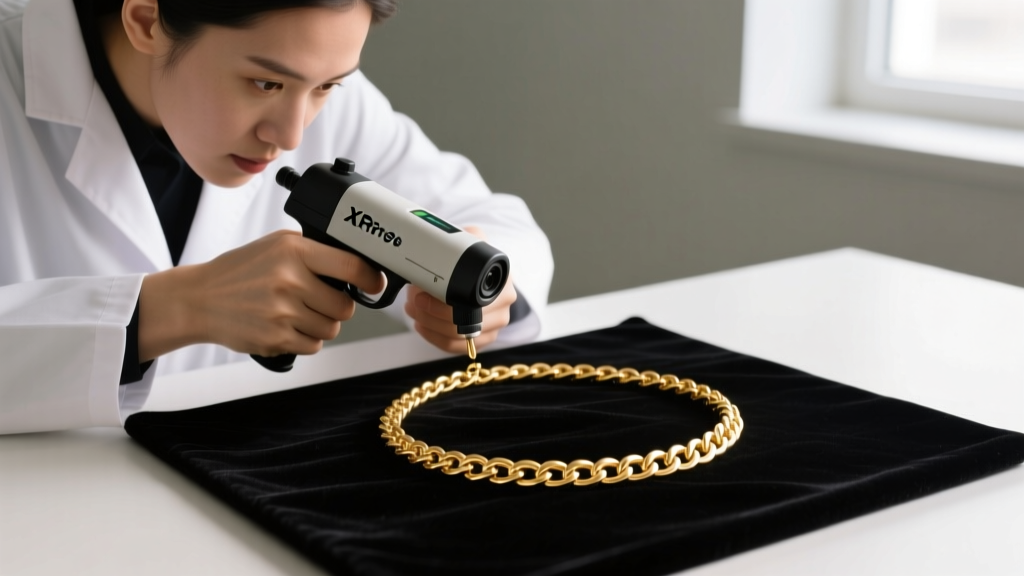
With the price of gold reaching historic highs, the market has seen an influx of heavily plated base metals stamped with fraudulent hallmarks. To protect your investment, you must look beyond the "14K" or "585" stamp. In 2026, the most reliable non-destructive testing method available at reputable jewelry stores is X-Ray Fluorescence (XRF) spectrometry. An XRF scanner can penetrate the surface layer of the metal to verify the exact elemental composition, ensuring the core is not tungsten or brass.
If you are purchasing from a private seller or an estate sale, traditional acid testing remains a viable, albeit destructive, option. By filing a small notch into the chain and applying 14K nitric acid, genuine 14K gold will maintain its color, while gold-plated or gold-filled items will instantly turn green or dissolve. Always request a certified weight receipt and a detailed invoice that explicitly states the chain is "Solid 14K Gold" rather than using ambiguous terms like "14K Gold Bonded" or "14K HGE" (Heavy Gold Electroplate), which are entirely different, vastly cheaper products.
Expert Tip: When buying white 14K gold necklaces, remember that the natural color of the alloy is actually a pale, warm yellow-gray. The bright, mirror-like silver finish is achieved through a microscopic layer of rhodium plating. This plating will eventually wear off with friction and body oils, requiring a professional re-dip every 12 to 18 months. Factor this $40-$60 maintenance cost into your long-term budget when choosing between white, yellow, or rose gold.
Final Thoughts on Valuation
Ultimately, determining the fair market value of a 14K gold necklace requires a calculator, a precision scale, and an understanding of jewelry manufacturing. By calculating the baseline melt value using the daily spot price and applying the appropriate labor multiplier for the specific chain style, you can confidently navigate the 2026 jewelry market. Whether you are investing in a heavy solid Cuban link for daily wear or a lightweight cable chain for a subtle pendant, prioritizing solid construction and high-quality hardware will always yield the best return on investment.


