What Is a Necklace Pendant? 2026 Gift & Occasion Guide
Discover what a necklace pendant is and how to choose the perfect metal, gemstone, and bail style for every 2026 gifting occasion and milestone.

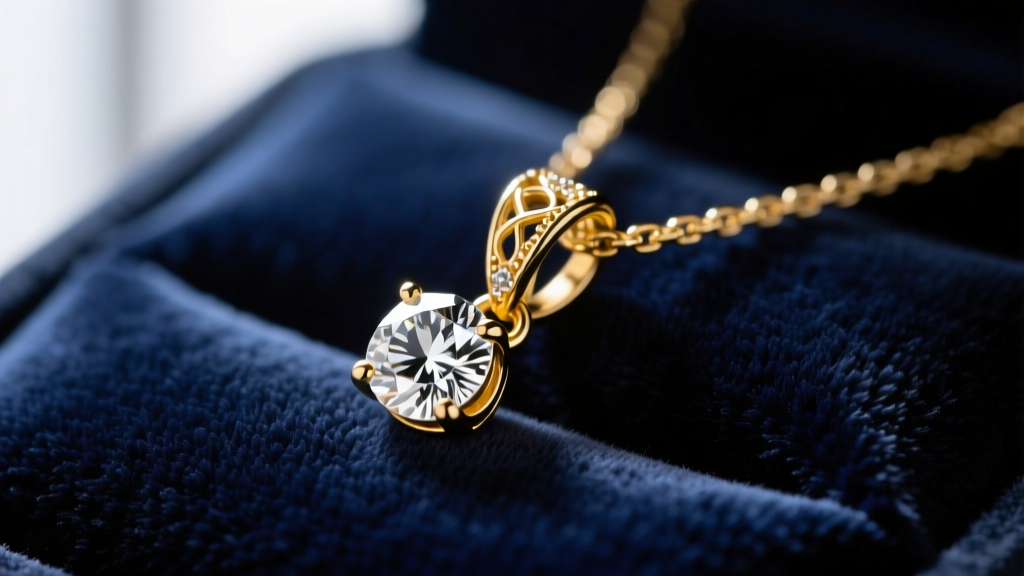
What Is a Necklace Pendant? Defining the Anatomy
When shopping for fine jewelry, the terms "necklace" and "pendant" are frequently used interchangeably, but they refer to two distinctly different components of a single accessory. So, what is a necklace pendant? In horological and jewelry anatomy, the necklace is the continuous chain, cord, or strand that wraps around the neck. The pendant is the focal, decorative element that suspends from the chain. Understanding this distinction is critical when gifting, as the pendant dictates the emotional resonance and style, while the chain dictates the structural integrity and wearability.
A complete pendant assembly consists of three main parts: the body (the primary design or gemstone setting), the bail (the hardware loop that connects the body to the chain), and the chain itself. Gifting a pendant without considering the chain's thickness or the bail's inner diameter is a common mistake that leads to incompatible pairings. For instance, a delicate 1.5mm cable chain will easily snap under the weight of a 20mm solid gold cross pendant, while a thick 4mm Cuban link chain will simply refuse to thread through a standard 3mm pinch bail.
The Occasion Matrix: Matching Pendants to Milestones
Selecting the right pendant requires aligning the material, gemstone, and scale with the recipient's lifestyle and the specific milestone. Below is our 2026 gifting matrix, detailing exact specifications for major occasions.
| Occasion | Ideal Pendant Style | Recommended Metal & Grade | Gemstone / Material | 2026 Price Range |
|---|---|---|---|---|
| Anniversary (5+ Years) | Solitaire or Halo Drop | 18k Yellow or White Gold | Diamond (1.0 - 2.0 ct) | $2,500 - $8,000 |
| Graduation / Career | Geometric or Signet Bar | 14k Solid Gold or Platinum 950 | Sapphire or Enamel | $600 - $1,800 |
| First Birthday / Christening | Small Bezel-Set Charm | 925 Sterling Silver (Rhodium) | Pearl or Mother of Pearl | $150 - $400 |
| Holiday / Valentine's Day | Initial or Heart Motif | 14k Rose Gold | Morganite or Ruby | $450 - $1,200 |
According to the Jewelers of America, consumer trends in 2026 show a massive spike in personalized initial pendants and birthstone clusters for holidays, while milestone anniversaries still heavily favor classic solitaire diamond drops. The key to a successful gift is matching the pendant's visual weight to the recipient's daily wardrobe.
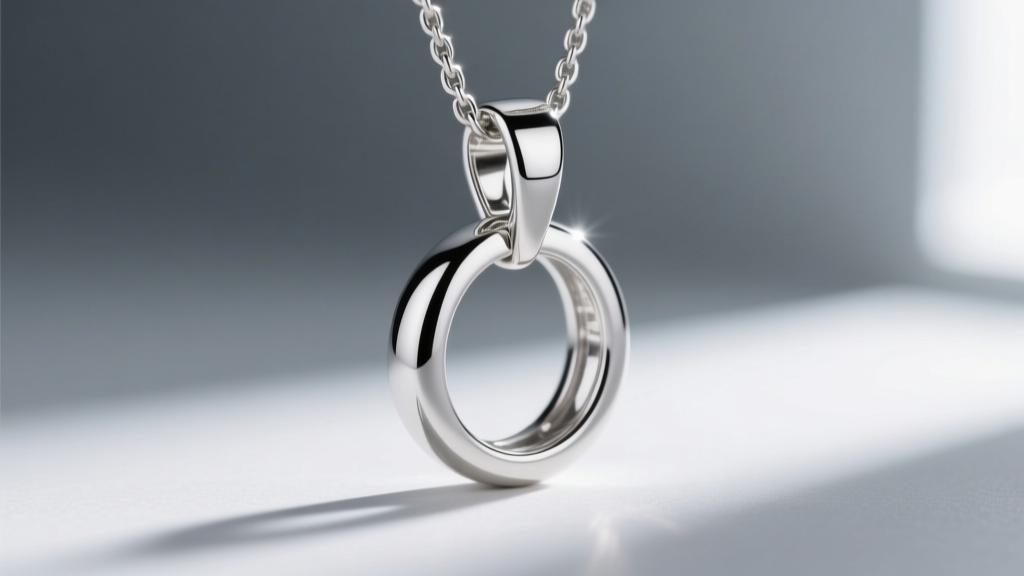
Material Grades & Durability: Beyond the Shine
A beautiful pendant is a poor gift if it degrades within months of daily wear. When evaluating metals, you must consider the Mohs hardness scale and oxidation rates. The GIA Gem Encyclopedia provides extensive data on how different materials react to environmental stressors like lotions, perfumes, and friction.
- 925 Sterling Silver: Composed of 92.5% pure silver and 7.5% copper. The copper makes it durable but highly prone to oxidation (tarnishing). Expert Tip: Only gift silver pendants if they are heavily rhodium-plated. Rhodium creates a micro-barrier that prevents tarnishing and mimics the bright white luster of platinum.
- 14k Solid Gold (58.5% Pure): The ultimate standard for everyday wear. The alloy mix (usually copper, silver, and zinc) provides enough tensile strength to protect prong settings. A 14k gold pendant will survive decades of daily wear without losing its structural integrity.
- 18k Solid Gold (75% Pure): Offers a richer, deeper yellow hue but is significantly softer. It is best reserved for pendants that sit higher on the collarbone and are less likely to be struck against desks or steering wheels.
- Platinum 950: The heaviest and most durable option. Unlike gold, which loses microscopic layers of metal when scratched, platinum simply displaces. It is the only metal recommended for securing high-value diamonds (over 1.5 carats) in pendant settings.
Gemstone Failure Modes: Never gift an opal (Mohs 5.5-6.5) or emerald (Mohs 7.5-8, but heavily included and brittle) in a prong-set pendant for someone with an active lifestyle. These stones require bezel settings to protect their girdles from chipping. For daily wear pendants, stick to diamonds (Mohs 10), rubies, and sapphires (Mohs 9).
Bail Mechanics: The Hidden Hardware of Gifting
The bail is the unsung hero of the pendant. If you are gifting a pendant to be worn on an existing chain, you must verify the bail type and its inner diameter (ID).
1. The Standard Loop Bail
The most common bail type, consisting of a simple soldered loop at the top of the pendant. It accommodates most chains up to 2.5mm in width. However, it creates a visible "break" in the design where the chain threads through, which can interrupt the aesthetic of delicate gemstone pieces.
2. The Hidden Bail (Tube Bail)
A cylinder soldered vertically to the back of the pendant. The chain threads through the tube, allowing the pendant to slide seamlessly along the necklace. Hidden bails typically have an inner diameter of 3mm to 5mm, making them perfect for thicker chains like box chains or wheat chains. Warning: Do not attempt to force a 4mm chain through a 3mm hidden bail; you will bend the hardware and potentially damage the chain links.
3. The Pinch Bail
Often used for teardrop gemstones, a pinch bail features two small prongs that squeeze into a drilled hole at the top of the stone. While elegant, pinch bails are notorious failure points. The tension can loosen over time, causing the pendant to detach and the gemstone to be lost. If gifting a pinch bail pendant, advise the recipient to have a jeweler add a drop of jeweler's epoxy to the prongs annually.
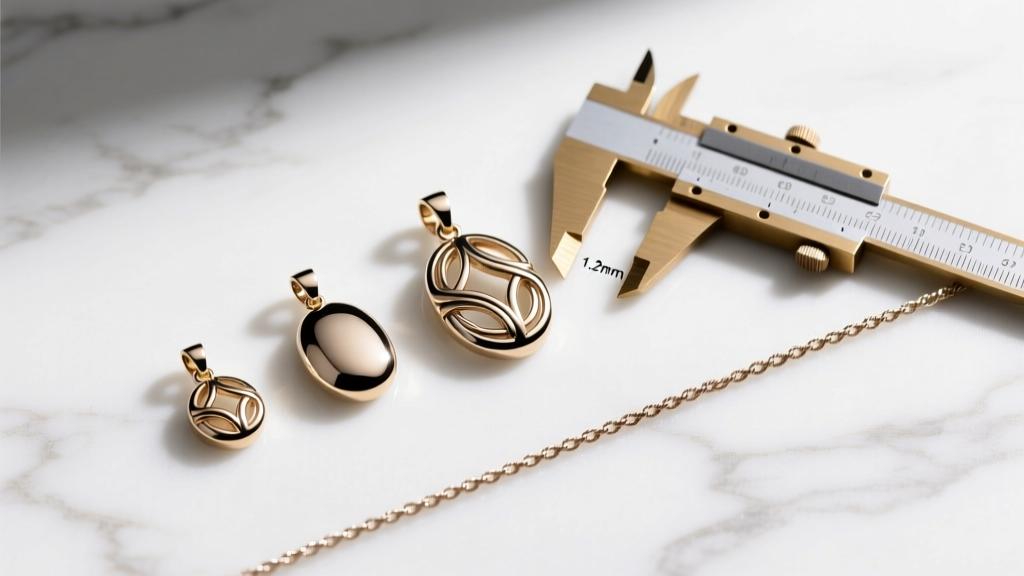
Sizing & Proportion: Selecting the Right Pendant Drop
Pendant sizing is measured in millimeters (mm) from the top of the bail to the bottom of the body. Getting the scale right ensures the gift feels intentional rather than overwhelming or underwhelming.
The Golden Rule of Pendant Proportion: A pendant should occupy no more than 15-20% of the visible neckline space when worn with a standard crew or scoop neck top.
- Petite / Subtle (8mm - 12mm): Ideal for layering, office environments, and minimalist aesthetics. A 10mm solitaire diamond or a small initial charm falls perfectly into the sternal notch without bouncing against the collarbone.
- Medium / Standard (15mm - 22mm): The most versatile size for gifting. This scale works beautifully as a standalone piece on a 16-inch or 18-inch chain. It is large enough to showcase intricate metalwork or halo settings but small enough for daily wear.
- Statement / Bold (25mm - 40mm+): Reserved for evening wear, fashion-forward recipients, or specific cultural/religious symbols (like large crosses or hamsas). These require heavier chains (minimum 3mm width) to support the physical weight and prevent the chain from snapping.
Expert Gifting Checklist for 2026
Before finalizing your pendant purchase, run through this technical checklist to ensure a flawless gifting experience:
- Verify the Chain Compatibility: Check the inner diameter of the pendant's bail. Ensure it is at least 0.5mm wider than the recipient's favorite chain.
- Inspect the Prongs and Settings: If the pendant features gemstones, use a loupe to ensure the prongs are flush against the stone. Snagged prongs will catch on knit sweaters and pull the stone loose.
- Check for Rhodium Plating (White Gold/Silver): Ensure white gold or silver pendants have a fresh rhodium flash. If the underlying yellow/silver tone is visible on the edges, it needs to be re-plated before gifting.
- Consider the Neckline: If the recipient frequently wears high collars or turtlenecks, opt for a longer chain (20-24 inches) with a larger pendant (20mm+) so the piece rests visibly over the fabric.
- Request a Certification: For any pendant featuring a diamond over 0.50 carats or a premium colored gemstone, always demand a grading report from a reputable lab like the GIA or AGS to guarantee the stone's authenticity and quality grade.
By understanding exactly what a necklace pendant is and the mechanical nuances of its construction, you elevate your gift from a simple accessory to a meticulously chosen heirloom capable of withstanding the test of time.


