How to Clean a Necklace 2-Strand Pearl and Gold Design
Learn expert techniques to clean a necklace 2-strand design featuring delicate pearls and gold. Discover safe solutions, tools, and storage tips.

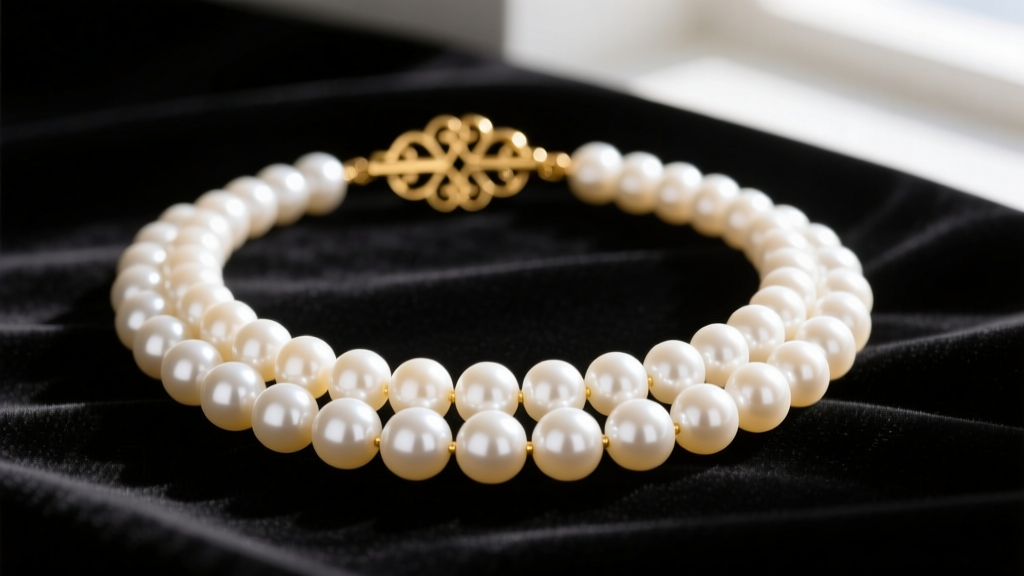
The Anatomy of a 2-Strand Necklace: Why It Needs Special Care
A multi-strand piece is a masterpiece of jewelry engineering, but it presents unique maintenance challenges. When you own a necklace 2-strand configuration that combines organic gemstones with precious metals, you are dealing with two entirely different material science profiles. Pearls are organic gems primarily composed of calcium carbonate (aragonite) and conchiolin, ranking a mere 2.5 to 3.0 on the Mohs hardness scale. In contrast, the 18k yellow gold hardware (75% pure gold alloyed with copper and silver) is significantly more durable but prone to micro-scratches and tarnish from sulfur exposure.
The hidden vulnerability of any multi-strand pearl piece is the stringing material. High-end designs utilize Size E or F 100% natural silk thread, knotted between each pearl to prevent nacre-on-nacre friction. Human sweat is naturally acidic (typically ranging from a pH of 4.5 to 5.5). Over time, this acidity degrades the silk protein structure and etches the delicate nacre of the pearls. According to the Gemological Institute of America (GIA), improper cleaning is the leading cause of irreversible luster loss in organic gems. Understanding how to clean a necklace 2-strand design requires abandoning harsh commercial dips and adopting a meticulous, multi-phase protocol.
Step-by-Step Cleaning Protocol for Pearls and Gold
Never submerge a multi-strand pearl necklace in water. Submersion causes the silk thread to stretch, retain moisture, and eventually rot from the inside out, leading to catastrophic strand failure. Instead, follow this targeted surface-cleaning methodology.
Phase 1: Dry Dusting and Pre-Cleaning
Before introducing any moisture, remove surface dust and dried sebum. Use a natural boar-bristle makeup brush or a dedicated, ultra-soft jewelry dusting brush. Gently sweep between the pearls and around the gold clasp mechanism. Avoid synthetic bristles, which can carry static charges that attract microscopic abrasive dust particles directly into the silk knots.
Phase 2: The Damp Cloth Method (No Submersion)
For active cleaning, you must use distilled water only. Tap water contains chlorine, fluoride, and trace minerals that can leave microscopic etch marks on the pearl's nacre.
- Dampen a lint-free microfiber cloth with distilled water. Wring it out until it is barely moist.
- Gently wipe each pearl individually, supporting the strand from beneath to avoid pulling the silk.
- For stubborn body oil buildup near the clasp, apply a single drop of pH-neutral castile soap (pH 7.0) to the damp cloth, never directly onto the jewelry.
- Wipe the 18k gold hardware carefully, ensuring no soapy residue transfers to the adjacent pearls.
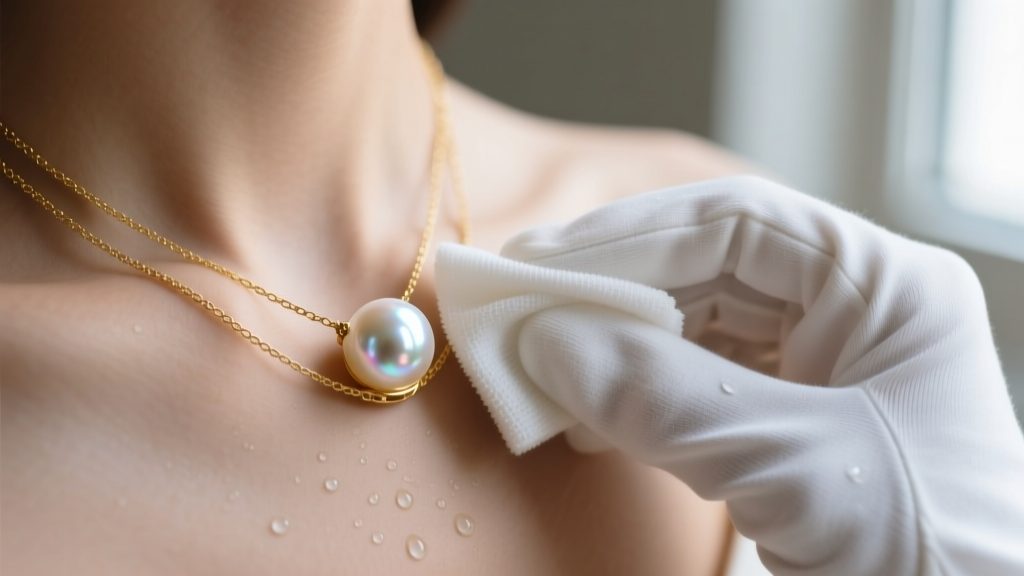
Phase 3: Drying and Polishing the Gold Hardware
Lay the necklace completely flat on a dry, clean cotton towel. Never hang a damp pearl necklace; the weight of the wet pearls will permanently stretch the silk thread, causing the knots to slip and the strand to become misshapen. Once the silk is entirely dry (usually 12 to 24 hours), use a specialized jeweler's polishing cloth impregnated with micro-abrasives to buff the gold clasp and spacer beads. Keep the polishing cloth strictly away from the pearls, as the rouge compound will clog the pearl's microscopic surface pores, dulling their natural orient and luster.
Chemicals to Avoid: The pH Danger Zone
The jewelry care market is flooded with chemical dips and sprays. As of 2026, many commercial "all-in-one" jewelry cleaners utilize nano-coating polymers or mild ammonia derivatives that are perfectly safe for diamonds but devastating to organic gems. Calcium carbonate begins to dissolve rapidly in any solution with a pH below 4.0, but even mildly alkaline solutions (pH 9.0+) can strip the conchiolin protein layer that gives pearls their iridescent glow.
| Cleaning Agent | pH Level | Effect on Pearl Nacre | Effect on 18k Gold |
|---|---|---|---|
| Distilled Water | 7.0 (Neutral) | Completely Safe | Safe |
| Mild Castile Soap | 7.0 - 8.0 | Safe (When Diluted) | Safe |
| Ammonia-based Dips | 11.0+ (Alkaline) | Destroys Conchiolin | Removes Tarnish |
| Vinegar / Lemon Juice | 2.0 - 3.0 (Acidic) | Dissolves Calcium Carbonate | Safe |
| Ultrasonic Solutions | Varies | Shatters Nacre Layers | Safe |
Advanced Maintenance: Ultrasonic Cleaners and Pearls
A common and expensive mistake made by collectors is placing multi-strand pearl jewelry into an ultrasonic cleaner. Ultrasonic machines operate by generating high-frequency sound waves (typically 40kHz to 45kHz) that create microscopic vacuum bubbles in the liquid—a process called cavitation. When these bubbles implode against a hard surface like a diamond, they dislodge dirt. However, when they implode against the soft, layered structure of a pearl, they literally blast the nacre off the mother-of-pearl bead nucleus. Furthermore, the high-frequency vibrations will fray the internal silk thread, leading to an inevitable break. Jewelers of America explicitly warns against using ultrasonic or steam cleaners on any porous or organic gemstone, including pearls, opals, and turquoise.
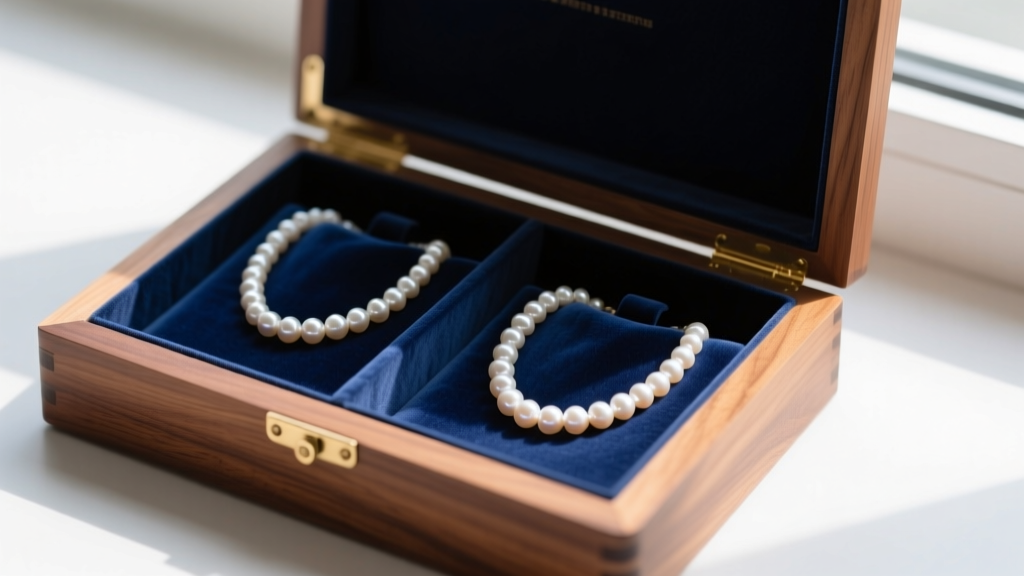
Proper Storage to Prevent Strand Tangling and Nacre Damage
How you store a necklace 2-strand piece is just as critical as how you clean it. Pearls require a specific micro-climate to survive. They contain trace amounts of water; if stored in an overly dry environment (like a bank safety deposit box or near a heating vent), the nacre will craze, crack, and peel. Conversely, storing them in sealed plastic bags (especially PVC plastics) traps humidity and emits trace chemical gases that will yellow the pearls over time.
For optimal preservation, store the necklace in a breathable, soft cotton or silk pouch. Lay it completely flat in a dedicated compartment of a cedar-lined jewelry box. Never toss a multi-strand necklace into a communal jewelry drawer; the gold clasps and diamond accents from other pieces will easily scratch the soft pearl surfaces. If you live in a highly arid climate, place a lightly dampened (not wet) silica gel packet or a dedicated jewelry humidity-control pouch in the storage drawer to maintain an ambient relative humidity of around 40% to 50%.
When to Seek Professional Jeweler Intervention
Even with impeccable at-home care, the structural integrity of the silk thread will degrade. If you wear your 2-strand pearl necklace weekly, it should be professionally re-strung every 12 to 18 months. A master stringer will use French wire (gimp) to protect the silk where it loops through the gold clasp ring, preventing the metal from sawing through the thread. Inspect the knots between the pearls regularly; if you can slide a needle between the knot and the pearl, or if the silk appears dark and stiff with accumulated oils, it is time to visit a professional bench jeweler. Proper maintenance ensures that your heirloom pieces retain their structural security and breathtaking luster for generations.


