Necklace Phone Holder Care: Cleaning & Maintenance
Learn how to properly clean, maintain, and extend the lifespan of your necklace phone holder with expert tips on hardware, cords, and TPU cases.

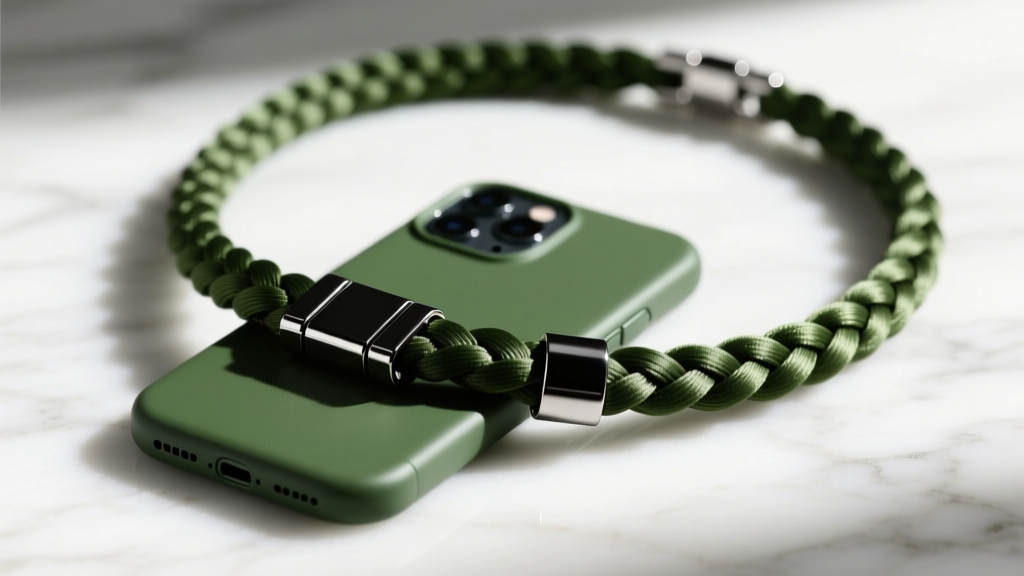
The Anatomy of a Necklace Phone Holder: What You Are Actually Cleaning
As of 2026, the hybridization of tech-wear and everyday jewelry has cemented the necklace phone holder as a staple accessory. Often referred to as a crossbody phone lanyard or tether strap, this accessory bridges the gap between functional tech gear and fashion-forward necklaces. However, maintaining a necklace phone holder requires a vastly different approach than caring for a traditional gold pendant or sterling silver chain. You are dealing with a complex, multi-material assembly subjected to high-friction environments, sebum exposure, and the dynamic mechanical load of a 200-gram smartphone.
To properly clean and maintain your necklace phone holder, you must break it down into its three core components: the suspension cord (nylon, polyester, or metal chain), the decorative elements (silicone beads, resin pendants, or leather wraps), and the structural hardware (lobster clasps, D-rings, and the TPU case tether). Each material reacts differently to cleaning agents, and using the wrong chemical can lead to catastrophic failure—like a snapped cord dropping your device onto concrete.
Material-Specific Cleaning Protocols
Unlike fine jewelry, where a single ultrasonic bath might suffice, a necklace phone holder requires a segmented cleaning approach. Here is the definitive guide to washing each component without degrading its structural integrity.
1. Nylon and Polyester Cords
Most heavy-duty necklace phone holders utilize 6mm to 8mm braided nylon or polyester paracord. These synthetic fibers are incredibly resistant to tensile snapping but act like sponges for dead skin cells, lotions, and environmental grime.
- The Wash: Detach the cord from the phone tether. Submerge it in a bowl of warm water (not hot, as temperatures above 140°F/60°C can compromise the melting point of cheaper synthetic blends) mixed with a few drops of degreasing dish soap, such as Dawn.
- Agitation: Use a soft-bristled detailing brush to gently scrub the braided grooves where sebum accumulates.
- Drying: Rinse thoroughly with cold water. Never use a hair dryer or place the cord on a radiator. High heat causes micro-shrinkage in nylon, weakening the tensile strength. Air dry flat for 12 hours.
2. Silicone and Resin Decorative Beads
Silicone beads (typically rated around 40-50 on the Shore A durometer scale for a soft, skin-friendly feel) are porous at a microscopic level. Hand sanitizers and alcohol-based perfumes are the enemies of silicone.
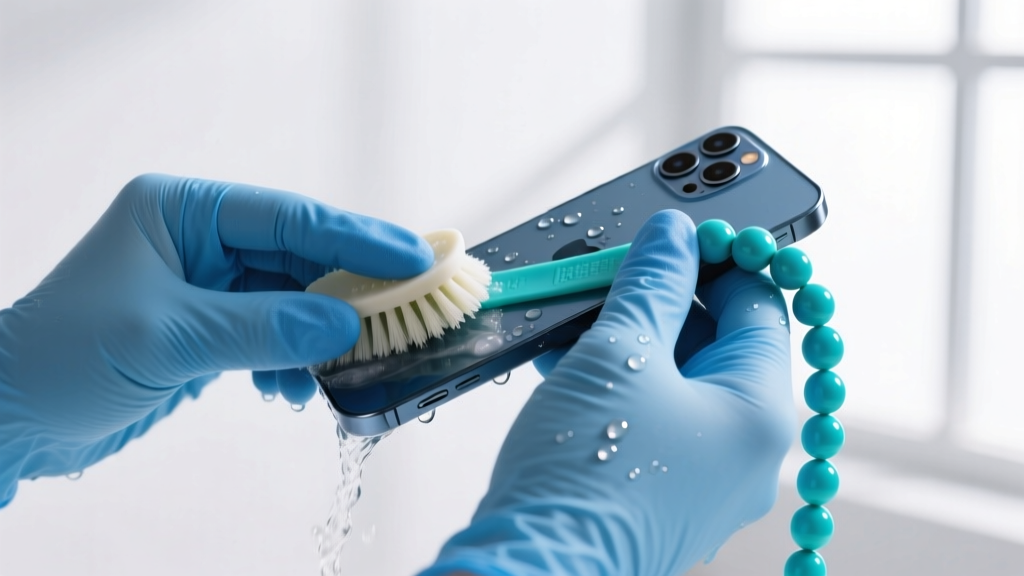
According to Apple's official guidelines on cleaning silicone accessories, you should only use a lint-free cloth slightly dampened with fresh water and mild soap. Isopropyl alcohol extracts the plasticizers from silicone, leading to a chalky, brittle texture that will eventually crack under the weight of your phone. For resin pendants, a simple wipe-down with a damp microfiber cloth is sufficient; avoid abrasive polishes that will cloud the resin's optical clarity.
3. Metal Hardware (Clasps, D-Rings, and Jump Rings)
The hardware is the most critical failure point of any necklace phone holder. Premium straps use 316L surgical stainless steel, while budget options often rely on Zamak (a zinc alloy) with a plated finish.
- For 316L Stainless Steel: You can safely use a jewelry polishing cloth to remove tarnish and fingerprints. If the hardware is bare and uncoated, a brief 3-minute cycle in an ultrasonic jewelry cleaner will blast away grit from inside the lobster clasp mechanism.
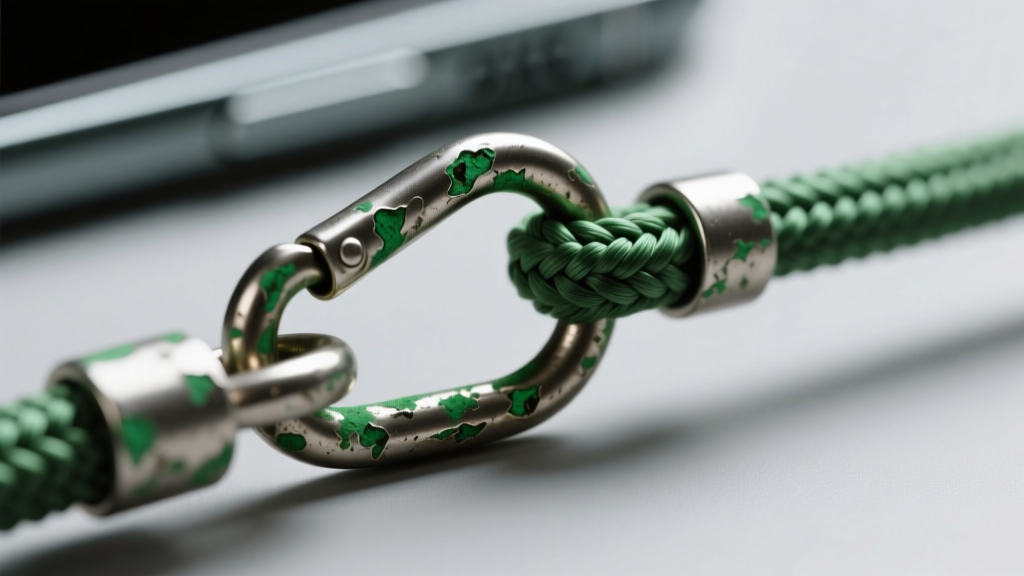
- For Plated Zinc Alloy: Never use ultrasonic cleaners or harsh chemical dips. The cavitation bubbles will strip the thin electroplated finish, exposing the reactive zinc underneath, which will quickly oxidize and turn your skin green. Wipe gently with a dry, untreated microfiber cloth.
The Enemy of Longevity: Chemical Degradation & Failure Modes
Understanding the chemistry of your necklace phone holder is just as important as the physical cleaning process. Below is a breakdown of how common daily chemicals interact with the materials used in phone lanyards.
| Material Component | Common Chemical Exposure | Degradation Risk & Failure Mode |
|---|---|---|
| TPU Case Tether | 70% Isopropyl Alcohol / Hand Sanitizer | High. Alcohol extracts plasticizers, causing the TPU insert to yellow, stiffen, and snap at the charge-port cutout. |
| Nylon Paracord | Chlorine (Swimming Pools) | Medium. Prolonged exposure degrades the polymer chains, leading to internal fraying that isn't visible on the surface. |
| Zinc Alloy Clasps | Citrus-based Lotions / Perfumes | High. Acidic compounds eat through the clear-coat seal, causing rapid oxidation and mechanical seizing of the clasp spring. |
| Silicone Beads | DEET-based Bug Sprays | Severe. DEET melts silicone on contact, leaving a permanent, sticky residue that cannot be washed off. |
Routine Maintenance & Hardware Inspection
Cleaning is only half the battle; structural maintenance is what prevents a dropped phone. The dynamic load of a swinging smartphone puts immense lateral stress on the connecting jump rings. The Jewelers of America recommends regular inspection of all structural jump rings, a rule that applies doubly to tech-bearing jewelry.
The Bi-Annual Stress Test Checklist
- Inspect the Jump Ring Gap: The most common failure mode is the jump ring catching on a sweater or jacket pocket, pulling the gap open. If the gap is visible, use two pairs of flat-nose pliers to twist the ring closed (never pull it apart laterally, which weakens the metal's temper).
- Check the TPU Tether Insert: Remove your phone case and examine the thin TPU tab that feeds through the charging port hole. Look for micro-tears or extreme yellowing. If the plastic feels rigid rather than pliable, replace the tether immediately.
- Lubricate the Lobster Clasp: If the clasp spring feels sticky or fails to snap back instantly, apply a microscopic drop of synthetic watch oil to the hinge pin. Wipe away all excess to prevent attracting dust.
- Gauge Verification: Ensure your hardware is at least 18-gauge (1.0mm thick). Many cheap necklace phone holders use 22-gauge jump rings that will warp under the 250g+ weight of modern flagship smartphones.
Expert Warning: Never attempt to solder a broken jump ring on a necklace phone holder yourself if the cord is still attached. The heat will instantly melt the nylon or polyester cord. Always remove the hardware from the textile components before applying any thermal repairs.
Storage and Travel Best Practices
How you store your necklace phone holder when it is not in use dictates its lifespan. Tossing it into the bottom of a backpack or a crowded purse exposes the metal hardware to abrasive friction against keys and coins, while the cord becomes a magnet for lint and debris.
For daily storage, hang the lanyard on a dedicated wall hook or a velvet-lined jewelry stand to allow the cord to relax and maintain its natural drape. When traveling, coil the necklace phone holder using the 'figure-eight' method to prevent the cord from developing permanent kinks or memory bends. Secure the coil with a soft velcro strap and place it in a dedicated microfiber pouch. This prevents the metal lobster clasp from scratching your phone's screen or the decorative beads from getting crushed by heavier luggage items.
Frequently Asked Questions
Can I put my necklace phone holder in the washing machine?
No. The violent agitation and heat of a washing machine will destroy the metal hardware's finish, tangle the cord into an unbreakable knot, and potentially melt the TPU components. Always hand-wash using the protocols outlined above.
How do I remove yellowing from a clear TPU phone tether?
Yellowing in TPU is caused by UV exposure and natural skin oils triggering a chemical reaction in the polymer. While soaking the tether in a mixture of hydrogen peroxide and exposing it to UV light (retrobrighting) can temporarily reverse the yellowing, it further degrades the plastic's structural integrity. It is highly recommended to simply purchase a replacement black or opaque TPU tether insert, which typically costs under $10.
My silicone beads feel sticky and won't wash clean. What happened?
Your silicone beads have likely been exposed to a solvent like DEET, acetone, or harsh essential oils, which breaks down the surface layer of the silicone. Once silicone enters this 'gummy' state of chemical degradation, it cannot be reversed. The affected beads must be cut out and replaced to save the rest of the necklace phone holder.


