How to Clean a Necklace Starfish: Care & Maintenance Guide
Discover expert tips to clean and maintain your necklace starfish jewelry. Learn material-specific care, deep cleaning tricks, and storage advice.

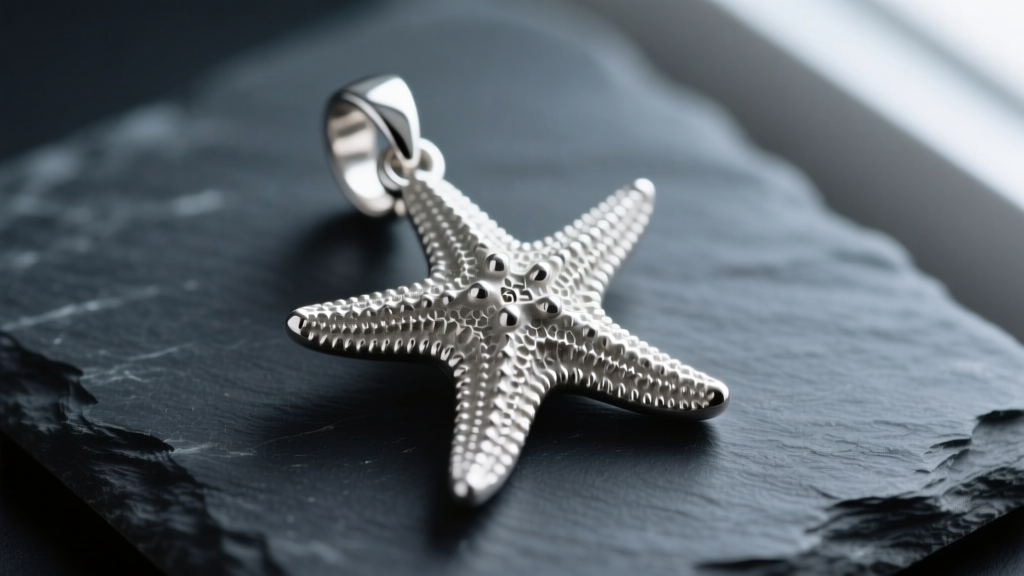
The Unique Challenge of Starfish Pendant Textures
A necklace starfish is a beloved staple in coastal and summer jewelry collections, but its intricate design makes it uniquely prone to trapping dirt, oils, and tarnish. Unlike smooth, polished pendants, starfish jewelry features complex surface anatomies—specifically the papillae (tiny raised bumps) and ambulacral grooves (the deep channels running down each arm). These microscopic crevices act as magnets for sebum, dead skin cells, lotions, and environmental pollutants.
Furthermore, the marine-inspired aesthetic means these pieces are frequently worn in high-humidity environments, at the beach, or during summer months when sweat production is highest. Saltwater and chlorine are highly corrosive to precious metals, accelerating the chemical reaction between silver and hydrogen sulfide in the air to form silver sulfide (the black tarnish you see on neglected jewelry). To keep your necklace starfish looking pristine, you must abandon generic jewelry cleaning methods and adopt a targeted, texture-conscious maintenance routine.
Material-Specific Cleaning Protocols
Before applying any cleaning solution, you must identify the exact material of your starfish pendant. Using the wrong chemical or mechanical action can permanently ruin the finish.
Sterling Silver (925) and Solid Gold
Solid 925 sterling silver is the most common material for high-quality starfish pendants. While durable, it is highly susceptible to tarnish. According to the Silver Institute, regular polishing with a microfiber cloth is the safest first line of defense. For solid 14k or 18k gold starfish necklaces, tarnish is rarely an issue, but the accumulation of skin oils in the grooves will dull the metal's natural luster, requiring gentle degreasing.
Gold Vermeil and Gold-Plated Starfish
Gold vermeil consists of a sterling silver base coated with a minimum of 2.5 microns of 10k or higher gold. Standard silver polishes or abrasive baking soda pastes will strip this delicate gold layer right off, exposing the silver beneath and ruining the pendant. Vermeil requires strictly pH-neutral, non-abrasive liquid cleaners.
Enamel, Resin, and Real Dipped Starfish
Many boutique brands craft starfish necklaces using colored epoxy resin, vitreous enamel, or even real dried starfish dipped in polyurethane. Never use ultrasonic cleaners on these materials. The high-frequency acoustic cavitation bubbles generated by ultrasonic machines will cause micro-fractures in resin and can completely shatter glass-based enamel. The Gemological Institute of America (GIA) strongly advises against ultrasonic cleaning for any organic or porous materials, which includes resin-dipped organic specimens.
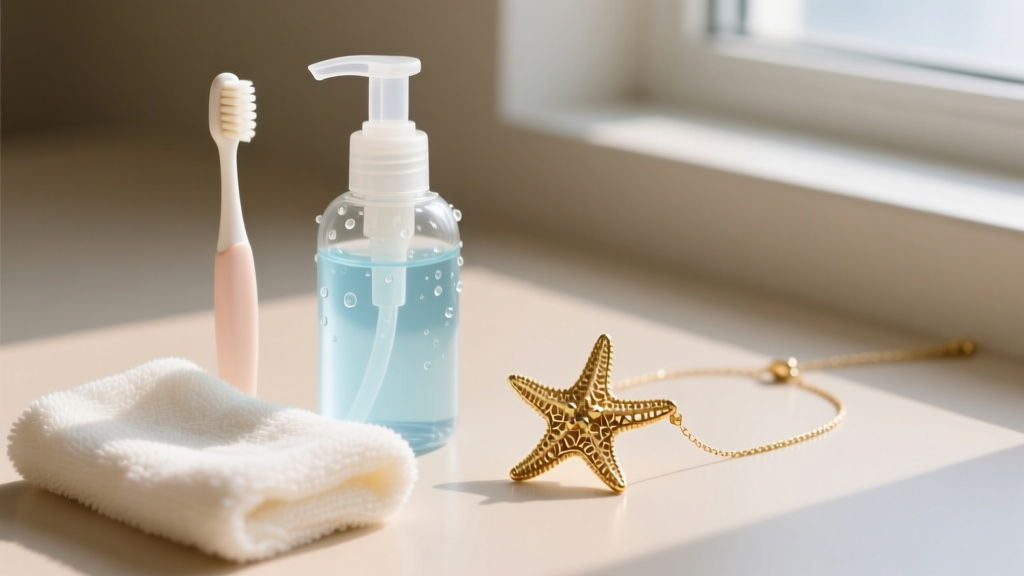
Step-by-Step Deep Cleaning Method for Intricate Crevices
To safely extract debris from the deep grooves of your necklace starfish without scratching the metal or damaging delicate accents, follow this professional jeweler's protocol:
- Prepare the Solution: Mix 1 cup of lukewarm distilled water (tap water contains chlorine and minerals that can cause spotting) with 3 drops of pH-neutral liquid dish soap (such as Dawn Ultra). Avoid soaps with added moisturizers or citrus degreasers, which can leave a cloudy film or react with metal alloys.
- Targeted Agitation: Submerge the starfish pendant (detach it from the chain if possible) for exactly 3 minutes to loosen hardened sebum. Using an extra-soft baby toothbrush (bristles under 0.1mm thickness), gently brush along the ambulacral grooves in a single direction. Do not use standard adult toothbrushes, as their stiff nylon bristles will leave micro-scratches on polished silver and gold.
- The Rinse: Rinse the pendant under a gentle stream of lukewarm distilled water. Ensure all soap residue is flushed from the papillae textures.
- Advanced Drying Technique: Water trapped in the tiny crevices of a starfish pendant will lead to rapid water-spotting and accelerate tarnish. Pat the surface dry with a lint-free microfiber cloth, then use a can of compressed air (difluoroethane) held at a 45-degree angle, 6 inches away, to blow hidden moisture out of the deep textures.
What to Avoid: Common Mistakes That Ruin Starfish Jewelry
Many well-intentioned DIY cleaning hacks found online are actually highly destructive to textured jewelry. Review the comparison below to ensure you are not accidentally damaging your pieces.
| Destructive Practice | Why It Damages the Necklace Starfish | Safe Alternative |
|---|---|---|
| Baking Soda & Aluminum Foil Baths | While effective for flat silver, the alkaline nature of baking soda can pit the porous textures of cast starfish pendants and strip antique oxidation finishes. | pH-neutral dish soap and distilled water soak. |
| Ultrasonic Jewelry Cleaners | Vibrations will loosen the glue holding rhinestone accents in place and shatter enamel or resin components. | Manual brushing with an extra-soft baby toothbrush. |
| Commercial Silver Dip Liquids | These contain harsh thiourea chemicals that strip the natural patina and can cause rapid re-tarnishing if not rinsed perfectly from deep grooves. | Gentle polishing with a treated jeweler's cloth (e.g., Sunshine Cloth). |
| Toothpaste Polishing | Toothpaste contains silica abrasives (RDA value of 70+) that will permanently scratch high-polish gold and silver surfaces. | Non-abrasive liquid jewelry wash or plain soap. |
Chain Maintenance and Clasp Lubrication
A necklace starfish is only as good as the chain that holds it. Cable, rolo, and box chains frequently trap dead skin and lotion between their interlocking links. To clean the chain, lay it flat on a paper towel, apply a small amount of your soapy distilled water solution, and gently press a microfiber cloth along its length, pulling the chain through the fabric to floss out the links.
If your lobster clasp becomes stiff or fails to snap shut, it is likely clogged with microscopic debris in the spring mechanism. Apply a microscopic drop of synthetic watch oil (like Moebius 9010) to the clasp hinge using a toothpick. Pump the clasp open and closed a few times to distribute the lubricant, then wipe away any excess oil to prevent dirt attraction.
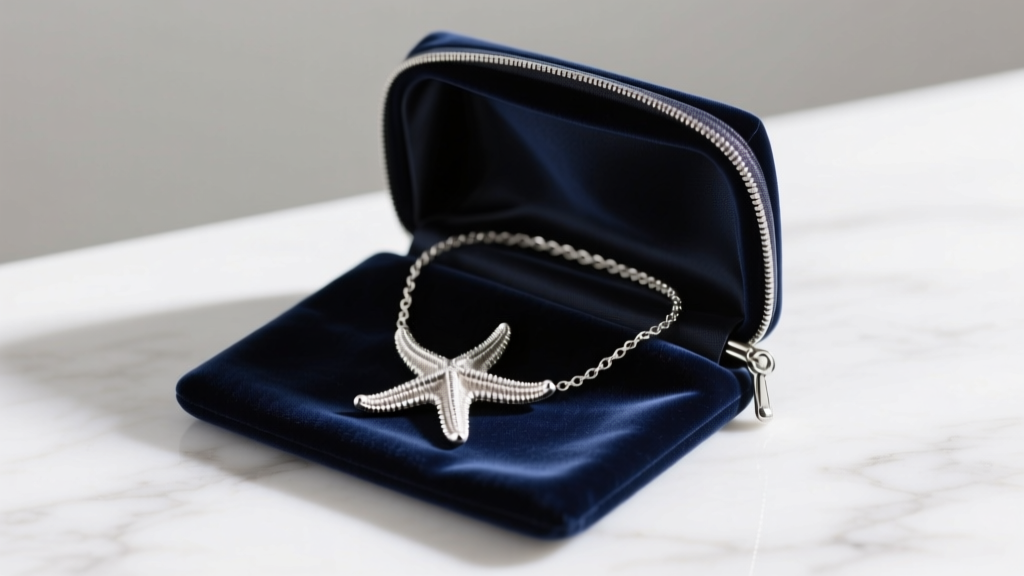
Proper Storage to Prevent Tarnish and Breakage
Because of their protruding arms, starfish pendants are highly susceptible to snagging on other jewelry, which can bend the delicate tips or scratch adjacent gemstones. Never toss a necklace starfish into a communal jewelry box.
- Individual Pouches: Store the necklace in an individual, airtight polyethylene zip-lock bag. Squeeze out all excess air before sealing to limit oxygen exposure.
- Anti-Tarnish Strips: Place a 3M Anti-Tarnish Strip inside the bag. These strips absorb airborne sulfur compounds and hydrogen sulfide before they can react with the silver alloy. Replace the strips every 6 months.
- Silica Gel Packets: Include a small silica gel desiccant packet to control ambient moisture, especially if you live in a high-humidity coastal climate.
- Flat or Hung Storage: Store the piece perfectly flat or hang it on a padded velvet hook. Coiling it tightly can cause permanent kinking in delicate box chains.
Expert Maintenance Schedule
To maintain the structural integrity and visual brilliance of your starfish jewelry, adhere to this professional maintenance timeline:
- After Every Wear: Wipe the pendant and chain with a dry, clean microfiber cloth to remove sweat, sunscreen, and body oils before storing.
- Monthly: Inspect the jump ring connecting the starfish pendant to the chain. Ensure it is fully closed and that the wire has not thinned due to friction against the chain.
- Bi-Annually: Perform the deep distilled-water and baby-toothbrush cleaning protocol outlined above. Refresh the anti-tarnish strips in your storage bags.
- Annually: If your starfish necklace features micro-pavé diamonds or gemstones set in the grooves, take it to a professional jeweler for a prong-tightening check and a professional steam clean (if the material permits).
By respecting the unique geometry and material science of your necklace starfish, you ensure that this intricate, ocean-inspired piece remains a brilliant and tarnish-free staple in your jewelry collection for decades to come.


