How to Clean and Care for Your Origami Owl Necklace
Learn expert care, cleaning, and maintenance tips to keep your Origami Owl necklace sparkling. Protect the plating, enamel, and crystals safely.

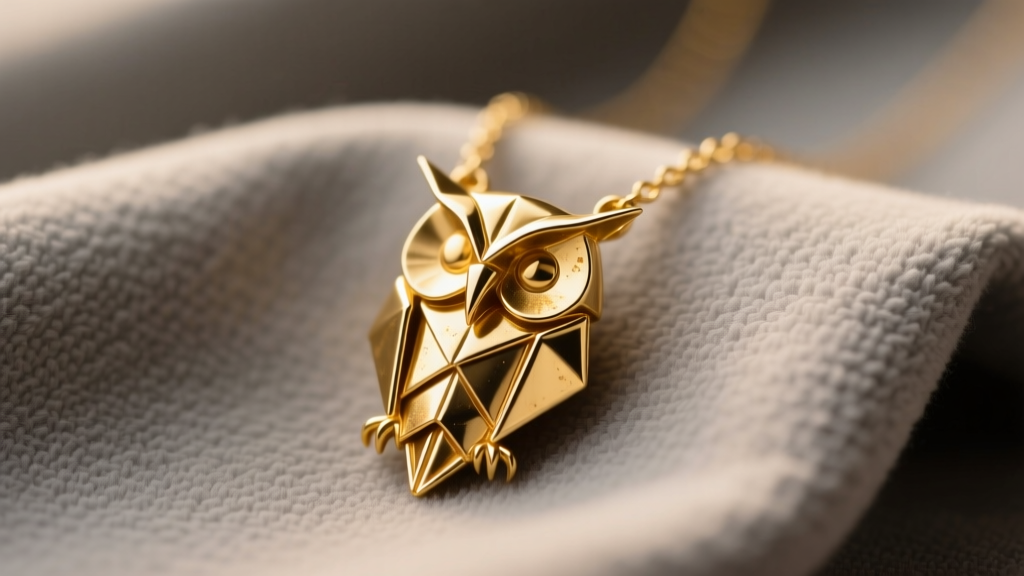
The Sentimental and Material Value of Your Pendant
An origami owl necklace is more than just a fashion accessory; it is often a deeply sentimental piece representing wisdom, family bonds, or a cherished memory. Whether it was gifted to you or purchased to mark a special milestone, maintaining its original luster requires a nuanced understanding of its material composition. Unlike solid gold or platinum fine jewelry, these pendants are typically crafted from base metals with specialized finishes, cold enamel accents, and precision-set crystals. Because of this unique anatomy, standard jewelry cleaning methods—like ultrasonic machines or harsh chemical dips—can cause irreversible damage.
In this comprehensive guide, we will break down the exact metallurgy and material science behind your pendant, providing a meticulous, step-by-step cleaning protocol. By following these expert maintenance strategies, you can prevent the dreaded "brass bleed," keep the enamel vibrant, and ensure the crystals continue to catch the light for years to come.
Anatomy of the Pendant: Understanding Material Vulnerabilities
Before applying any cleaning solution, it is critical to understand what you are actually cleaning. According to the Gemological Institute of America (GIA), treating plated and enameled jewelry as if it were solid precious metal is the leading cause of consumer damage. Here is a breakdown of the materials commonly found in an origami owl necklace:
- Base Metal Core: Usually a brass or zinc alloy. While durable, these metals are highly reactive to oxygen and sulfur, meaning they will tarnish rapidly if the outer protective layer is compromised.
- Micron Plating: The silver, gold, or rose-gold finish is achieved through electroplating. Fashion jewelry typically features a plating thickness between 0.5 and 1.0 microns. This layer is incredibly thin—roughly 1/100th the thickness of a human hair—and can be easily worn away by friction or acidic chemicals.
- Cold Enamel: The colorful accents on the owl’s wings or eyes are often made from epoxy-based cold enamel. Unlike vitreous enamel (which is fired in a kiln), cold enamel is essentially a hardened resin. It is highly sensitive to heat, alcohol, and acetone, which can cause it to cloud, peel, or melt.
- Crystal Inlays: Usually lead glass or cubic zirconia. While hard, these stones are prone to accumulating skin oils and lotion buildup, which dulls their refractive index and makes them appear cloudy.
The 4-Step Deep Cleaning Protocol
When your pendant loses its sparkle, it is usually due to a microscopic layer of sebum (skin oil), dead skin cells, and cosmetic residue. To remove this without degrading the 0.5-micron plating, follow this exact protocol.
Step 1: The Dry Microfiber Wipe
Never introduce water to a piece that is heavily coated in oils; it will only create a greasy film. Begin by gently wiping the pendant with a clean, lint-free microfiber cloth. Use light, circular motions to lift surface dust and loose debris. Avoid paper towels or tissues, as their wood-pulp fibers can inflict micro-scratches on the plated surface and the crystals.
Step 2: The Mild Surfactant Bath
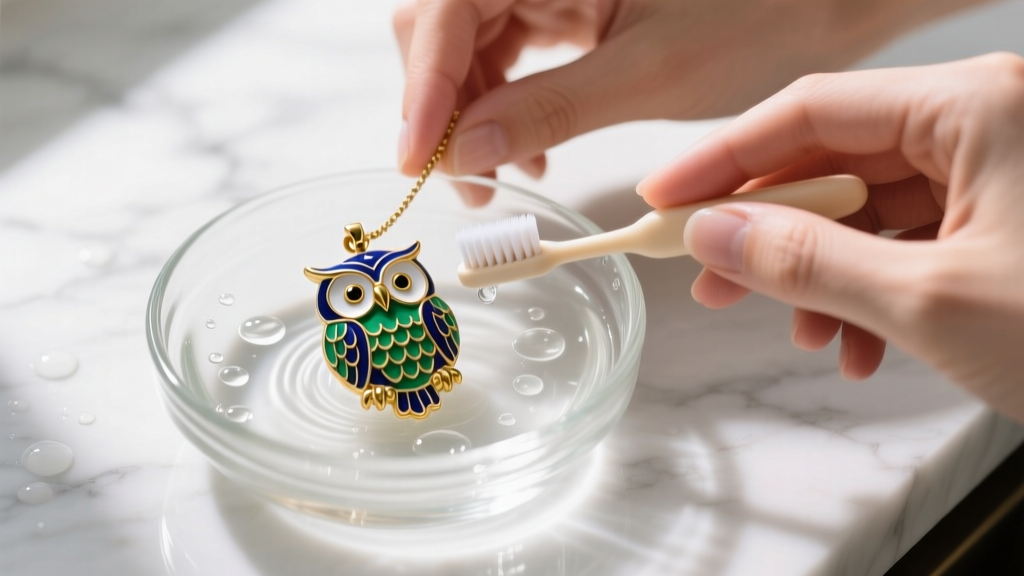
Fill a small glass bowl with lukewarm water (never hot, as heat expands the base metal and can crack the enamel). Add two drops of a mild, phosphate-free dish soap, such as Dawn. Submerge the origami owl necklace and let it soak for exactly three to five minutes. The surfactants in the soap will break down the lipid bonds of the skin oils without attacking the metal plating.
Step 3: Precision Agitation
Remove the pendant from the bath. Using a brand-new, extra-soft baby toothbrush (which features ultra-fine 0.1mm bristles), gently sweep the bristles over the crystal settings and the crevices of the owl design. Do not scrub the enameled sections aggressively. The goal is to dislodge trapped debris from the prongs, not to polish the metal.
Step 4: The Distilled Rinse and Dry
Rinse the pendant under a gentle stream of distilled water. Tap water contains dissolved minerals like calcium and magnesium, which will leave hard water spots on the crystals as they dry. After rinsing, pat the piece dry with a microfiber cloth, and then lay it flat on a dry towel in a well-ventilated area for two hours to ensure all moisture evaporates from beneath the crystal settings.
Chemical Vulnerability Matrix: What to Avoid
The Federal Trade Commission (FTC) notes that consumers are often misled by generic "jewelry cleaners" that are formulated exclusively for solid gold or platinum. Using these on plated fashion jewelry will strip the finish. Refer to the table below to understand how common household substances interact with your necklace.
| Substance / Method | Effect on Micron Plating | Effect on Enamel & Crystals |
|---|---|---|
| Ultrasonic Cleaners | High-frequency vibrations can cause thin plating to flake or peel off the base metal. | Will shatter cold enamel and rattle crystals loose from their glue or prong settings. |
| Silver Dip / Ammonia | Instantly strips gold and rose-gold plating; causes severe pitting on silver-tone finishes. | Clouds the backing of glass crystals, permanently ruining their sparkle. |
| Perfume & Hairspray | Alcohol content degrades the plating sealant over time, accelerating oxidation. | Leaves a sticky, opaque film on enamel that is difficult to remove without solvents. |
| Chlorine (Pools/Spas) | Reacts with the brass core if microscopic cracks exist, causing structural weakening. | Can cause certain crystal coatings (like Aurora Borealis finishes) to peel. |
Daily Wear Habits and Preventative Maintenance
The most effective way to clean your origami owl necklace is to prevent it from getting dirty in the first place. Human sweat has a pH level ranging from 4.5 to 7.0, making it mildly acidic. When this acidic moisture sits against the thin micron plating throughout the day, it accelerates the oxidation process, leading to a dull, grayish appearance.
Adopt the "Last On, First Off" rule. Your necklace should be the very last item you put on after applying lotions, perfumes, and cosmetics, and the very first item you take off when you return home. Never wear your pendant to the gym, in the shower, or while swimming. The combination of friction from clothing, acidic sweat, and chemical exposure is the primary catalyst for plating failure.
Proper Storage Techniques to Halt Tarnish
How you store your jewelry when it is not being worn is just as critical as how you clean it. Tarnish is a chemical reaction between the metal and sulfur compounds present in the ambient air. To halt this process, you must control the storage environment.
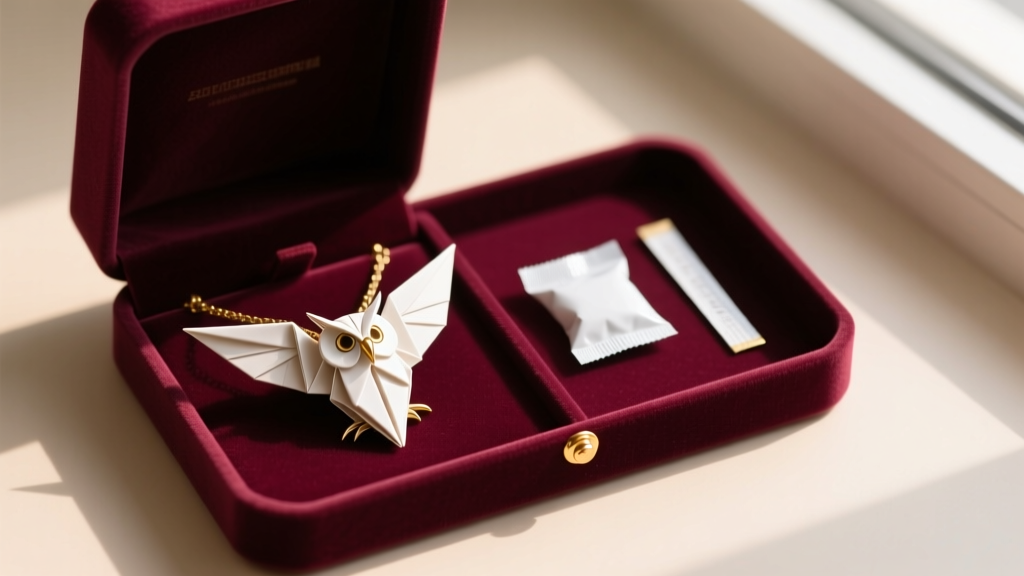
Do not simply toss the necklace into a crowded jewelry box where it can be scratched by harder gemstones or metal chains. Instead, store it in an airtight, zip-seal polyethylene bag. Inside the bag, include two vital components:
- A Silica Gel Packet: This desiccant will absorb ambient moisture, keeping the relative humidity inside the bag below 50%, which drastically slows down oxidation.
- A 3M Anti-Tarnish Strip: These specialized strips are impregnated with copper particles that act as a sacrificial metal. They absorb the corrosive sulfur gases in the air before those gases can reach your necklace's plating. Replace these strips every six months for optimal protection.
When to Seek Professional Repair and Replating
Despite your best efforts, the plating on an origami owl necklace will eventually wear thin, especially in high-friction areas like the bail (where the chain rubs against the pendant). If you notice a yellowish or reddish hue bleeding through the silver or gold finish, the base brass or copper core has been exposed.
At this stage, DIY cleaning will not restore the color. You will need to seek out a specialized electroplating service. Be aware that many traditional bench jewelers refuse to replate fashion jewelry because base metals can "outgas" during the plating process, causing bubbles in the new finish. Look for specialized mail-in services that utilize brush-plating or specialized tank-plating techniques designed specifically for zinc and brass alloys. With professional replating and the meticulous care routines outlined above, your sentimental pendant can remain a brilliant, sparkling tribute for a lifetime.


