How to Clean and Restore a Vintage Hemp Necklace 90s Choker
Learn expert techniques to clean, condition, and restore your vintage hemp necklace 90s choker without damaging fibers or fading dyes.

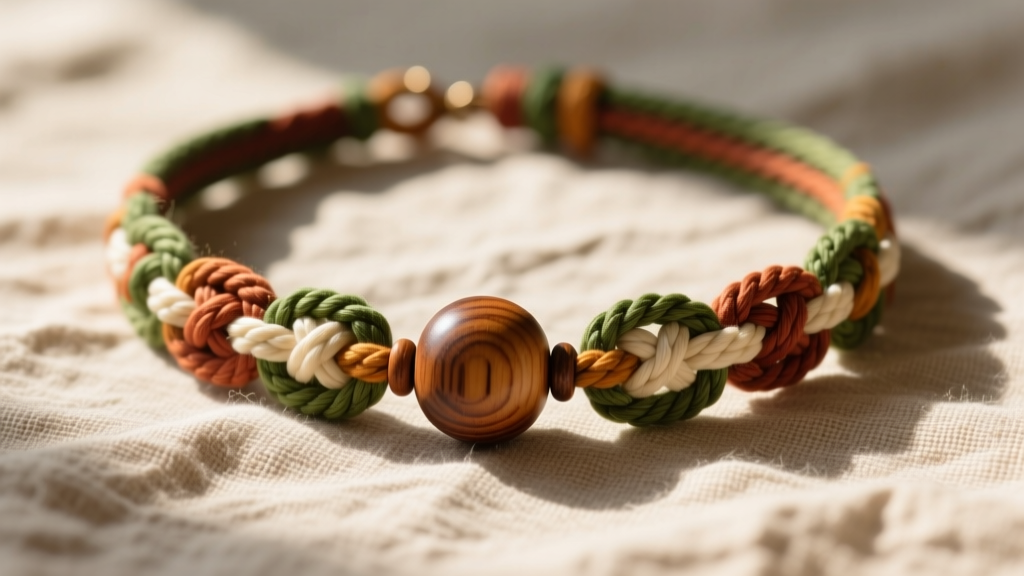
The Resurgence of 90s Hemp Jewelry: Why Proper Care Matters
The nostalgia-driven revival of Y2K and 90s fashion has brought the iconic hemp necklace 90s aesthetic back into the spotlight. Characterized by intricate macrame patterns, vibrant synthetic dyes, and organic textures, these pieces are more than just accessories; they are wearable time capsules. However, hemp (Cannabis sativa) is a natural cellulosic fiber that degrades when exposed to decades of UV light, skin oils, and environmental pollutants. Restoring a vintage hemp necklace 90s choker requires a nuanced understanding of textile conservation. Unlike modern synthetic cords, vintage hemp fibers lose their natural lignins over time, becoming brittle and prone to snapping. This comprehensive guide details the exact protocols for cleaning, conditioning, and preserving your vintage boho jewelry without compromising its structural integrity or historical patina.
Identifying Your Hemp Necklace 90s Construction
Before introducing any moisture or cleaning agents, you must assess the construction of your specific hemp necklace 90s piece. Most necklaces from this era were crafted using 4-ply, 20-pound test hemp cord, typically ranging from 1mm to 2mm in thickness. The knotting techniques—most commonly the square knot, half-hitch spiral, and Josephine knot—rely on surface friction to hold their shape.
Furthermore, identify the dye type. Earth-toned pieces (browns, olives, ochres) often utilized natural plant dyes, which are highly fugitive and will bleed instantly upon contact with water. Conversely, the neon and primary colors popular in mall-kiosk hemp jewelry were achieved using early reactive synthetic dyes. While more colorfast, these 90s synthetic dyes can still run if exposed to alkaline solutions or hot water. Finally, inspect the hardware. Many vintage pieces incorporate porous clay pendants, carved wooden beads, or base-metal clasps that will rust, warp, or dissolve if submerged.
Step-by-Step Cleaning Process for Natural Hemp Fibers
When dealing with vintage cellulosic fibers, a conservative approach is mandatory. The American Institute for Conservation emphasizes that mechanical action and pH-balanced solutions are vastly superior to harsh chemical soaks for historic textiles.
Phase 1: The Dry Brush Method (Routine Maintenance)
For necklaces with surface dust or light skin oil accumulation, avoid water entirely. Use a clean, soft-bristled makeup brush or a specialized textile conservation brush. Lay the hemp necklace 90s choker flat on a clean microfiber towel. Gently brush in the direction of the cord's twist to dislodge particulate matter trapped within the macrame knots. This prevents the grit from acting as an abrasive that slowly saws through the fibers during wear.
Phase 2: The Gentle Soak (Deep Cleaning)
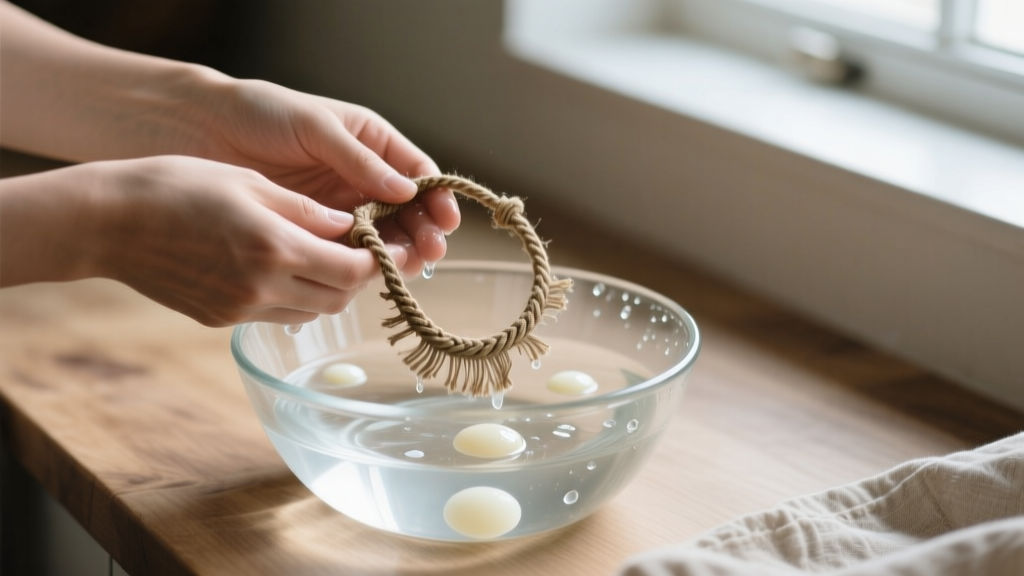
If the necklace requires deep cleaning due to heavy sebum buildup or odors, a controlled wet wash is necessary. Fill a glass basin with distilled water chilled to exactly 60°F (15°C). Hot water will cause the hemp fibers to shrink and the dyes to bleed. Add three drops of a pH-neutral, unscented liquid castile soap. Submerge the necklace and gently agitate the water with your hands—never rub or wring the cord, as this will cause the square knots to slip and the fibers to fuzz.
Cleaning Agents: What to Use and What to Avoid
| Cleaning Agent | pH Level | Effect on Hemp Fibers | Effect on 90s Dyes |
|---|---|---|---|
| Liquid Castile Soap | 8.5 - 9.5 | Safe, gently lifts oils | Minimal bleeding if cold |
| Baking Soda Paste | 9.0 | Causes long-term brittleness | High risk of color fading |
| White Vinegar Rinse | 2.5 | Restores pH, softens fibers | Acts as a mordant, sets dyes |
| Chlorine Bleach | 11.0+ | Destroys cellulose structure | Strips color entirely |
Drying and Reshaping Techniques to Prevent Warping
Improper drying is the leading cause of warping and mildew in vintage hemp jewelry. Never hang a wet hemp necklace 90s choker by a single loop, as the weight of the water will stretch the fibers unevenly and distort the macrame pattern. Instead, lay the piece flat on a dry, colorfast cotton towel. Roll the towel gently to press out excess moisture without wringing. Unroll and reshape the knots with your fingers while the fibers are still pliable. Allow it to air dry in a well-ventilated room away from direct sunlight and heat sources. To maintain tension and keep the choker straight, you can pin the ends to a corkboard using rust-proof stainless steel T-pins.
Conditioning and Preserving the Fibers
Decades of wear strip hemp of its natural waxes, leaving the cord dry and prone to fraying. Once your necklace is completely dry, it requires reconditioning. Avoid petroleum-based mineral oils, which can oxidize and turn rancid on organic fibers over time, leaving a permanent dark stain and an unpleasant odor.
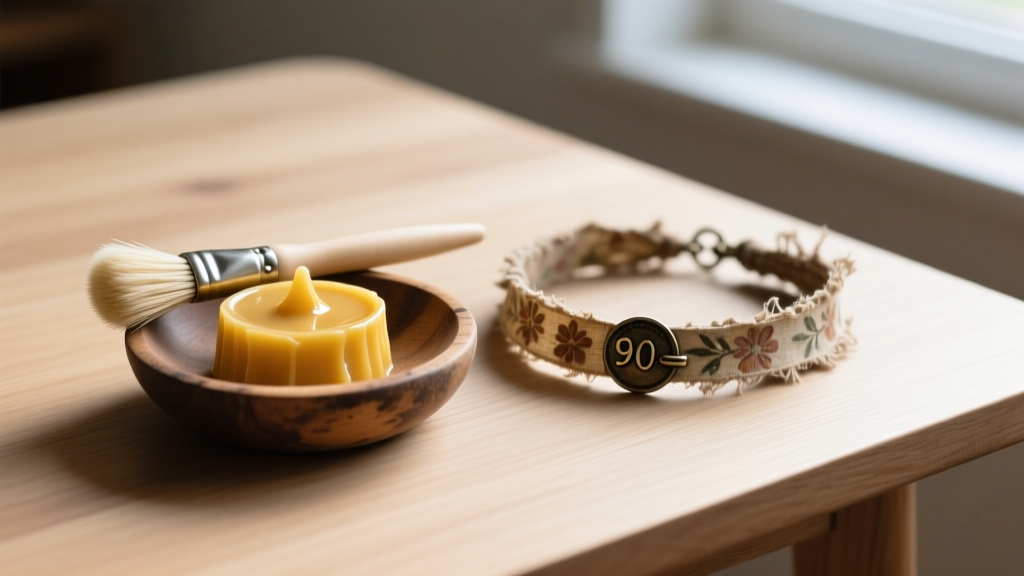
Instead, use a micro-application of pure jojoba oil or a specialized textile beeswax conditioner. Jojoba oil is technically a liquid wax ester that closely mimics the natural sebum of the skin, making it highly stable. Apply a single drop to a cotton swab and lightly trace the surface of the hemp cords, focusing on high-friction areas like the closure knots. This restores the fiber's tensile strength and gives the vintage piece a subtle, healthy luster without making it greasy.
Troubleshooting Common 90s Hemp Necklace Issues
Even with meticulous care, vintage pieces often present structural challenges. Here is how to address the most common failure modes:
- Frayed Ends and Slipped Knots: Never use cyanoacrylate (Super Glue) on hemp. It dries hard and crystalline, creating a sharp edge that will slice through the adjacent fibers during wear. Instead, use a flexible fabric adhesive like E6000 Fabri-Tack. Apply a microscopic dab to the frayed end, twist it tightly, and let it cure for 24 hours.
- Stretched Closure Loops: If the button-loop closure has stretched out, carefully unpick the final half-hitch knot, trim a millimeter off the cord, and re-tie the knot using a drop of flexible glue to secure the new tension.
- Odor Removal: For musty smells that survive a gentle wash, place the dry necklace in a sealed plastic container with an open box of activated charcoal or baking soda for 72 hours. The porous carbon will absorb the volatile organic compounds causing the odor without introducing moisture.
Storage Best Practices for Vintage Boho Pieces
How you store your hemp necklace 90s collection dictates its lifespan. The Smithsonian Museum Conservation Institute advises against storing natural fibers in standard plastic ziplock bags, which can trap off-gassing chemicals and fluctuating humidity, leading to mold growth. Store your cleaned and conditioned necklaces flat in acid-free archival tissue paper inside a breathable cotton canvas bag or a cedar-lined wooden box. Keep them in a climate-controlled environment with a relative humidity of around 50%. By following these precise conservation techniques, you ensure that your vintage 90s hemp jewelry remains a vibrant, wearable piece of fashion history for decades to come.


