How to Style, Layer, and Care for a Hammered Gold Cross Necklace
Learn how to style, layer, and maintain your hammered gold cross necklace. Expert tips on chain pairing, neckline matching, and textured gold care.


The hammered gold cross necklace represents a perfect intersection of spiritual symbolism and artisanal craftsmanship. Unlike mass-produced, high-polish cast jewelry, a hand-hammered cross features organic divots, raw edges, and a dynamic surface that catches the light from multiple angles. Whether you are drawn to its rustic elegance or its tactile appeal, mastering the styling, layering, and maintenance of this specific piece requires an understanding of its unique metallurgical properties and visual weight.
In this comprehensive guide, we break down the exact steps to integrate a hammered gold cross pendant into your everyday wardrobe, select the most durable chain pairings, and properly clean the textured crevices without damaging the gold's finish.
Understanding the Metallurgy of Hammered Gold
Before styling your necklace, it is crucial to understand what the hammering process actually does to the metal. When a jeweler uses a peening hammer to strike the gold blank, they are not just creating a visual texture; they are altering the physical properties of the metal through a process called work hardening.
According to the GIA Gold Quality Factors database, compressing the gold's crystal lattice increases its tensile strength and rigidity. This means a hammered 14k gold cross is significantly more resistant to bending and warping than a smooth, cast equivalent of the same thickness. However, this process also dictates which karat you should choose for everyday wear:
- 14k Gold (58.5% pure gold): The optimal choice for hammered textures. The higher alloy content (usually copper, silver, and zinc) provides a rigid structure that holds the sharp edges of the hammer strikes for decades without wearing flat.
- 18k Gold (75% pure gold): Offers a richer, deeper yellow hue but is inherently softer. Over years of friction against clothing and skin, the peaks of the hammered divots on an 18k piece will gradually polish down and lose their raw contrast.
Step 1: Selecting the Perfect Chain and Length
The most common mistake consumers make with artisanal pendants is pairing them with the wrong chain. A hammered cross often features a raw, unpolished, or slightly rough bail (the loop that connects the pendant to the chain). If paired with a delicate or soft chain, the friction will eventually wear through the metal links.
Below is a structural compatibility chart to help you choose the right chain for your hammered gold cross necklace:
| Chain Type | Recommended Thickness | Texture Synergy | Durability & Friction Resistance |
|---|---|---|---|
| Rope Chain | 1.5mm - 2.5mm | High (Twists mimic hammered divots) | Excellent. Highly resistant to bail friction. |
| Cable Chain | 1.2mm - 2.0mm | Medium (Classic, unobtrusive) | Good. Ensure links are fully soldered. |
| Box Chain | 1.0mm - 1.5mm | Low (Geometric contrast can clash) | Poor. Sharp edges of the bail can catch in the square links. |
| Snake Chain | 1.5mm - 3.0mm | Medium (Sleek, modern contrast) | Very Poor. Prone to kinking and catching on rough bails. |
For the ideal length, a 20-inch chain allows a standard 15mm x 20mm hammered cross to rest on the upper chest, providing enough surface area for the textured gold to catch ambient light. An 18-inch chain will place the cross at the collarbone, which is better suited for smaller, more delicate hammered pendants (under 12mm).
Step 2: Mastering the Layering Technique

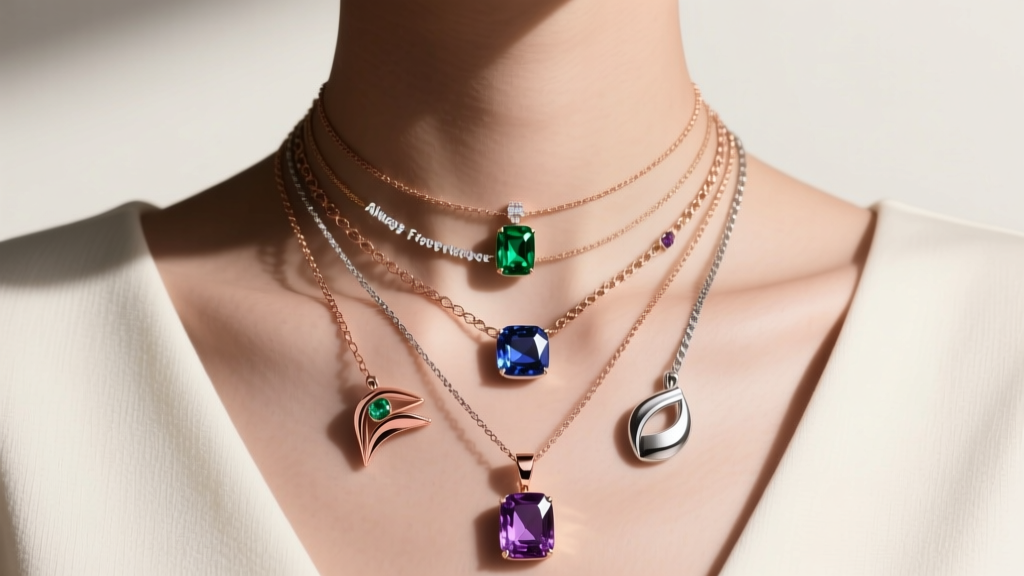
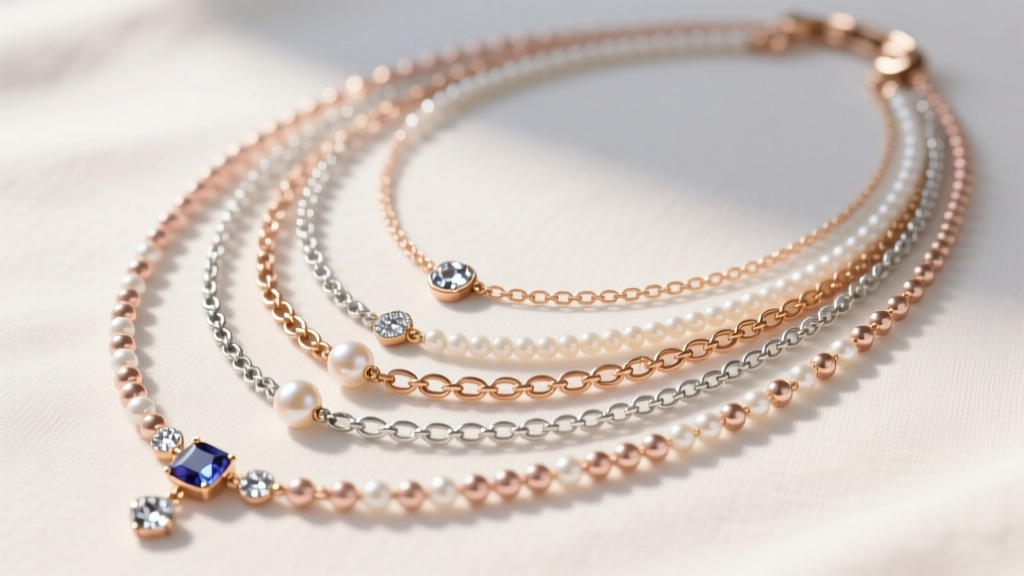
Because a hammered gold cross possesses a rugged, organic visual weight, it serves as the perfect anchor for a layered necklace stack. The goal is to balance the heavy texture of the cross with contrasting materials and varying chain lengths to prevent a cluttered neckline.
The 3-Piece Layering Formula
- The Base Layer (14-16 inches): Start with a high-contrast texture. A 14-inch freshwater pearl choker or a smooth, high-polish 14k gold herringbone chain provides a pristine backdrop that makes the rustic hammer marks on the cross pop.
- The Anchor Layer (18-20 inches): This is where your hammered gold cross necklace sits. Ensure the pendant is at least 2 inches below the base layer to avoid tangling and visual crowding.
- The Elongating Layer (24-28 inches): Finish with a delicate, lightweight chain, such as a 26-inch gold satellite chain or a thin lariat. This draws the eye downward, elongating the torso and framing the central cross pendant without competing for attention.
"When layering artisanal jewelry, always adhere to the rule of three textures. If your cross is hammered and matte, your surrounding layers should introduce high-polish, smooth, or organic elements like pearls to create a cohesive but dynamic stack."
Step 3: Matching Necklines with Your Cross Pendant
The irregular edges of a hammered cross interact differently with clothing necklines than a perfectly symmetrical, machine-stamped pendant. Here is how to pair your necklace with specific garments:
- The V-Neck: The natural geometry of a V-neck mirrors the vertical elongation of a cross pendant. A 20-inch hammered cross resting just above the apex of the V-neck creates a flattering, continuous line.
- The Crew Neck: Avoid wearing a short chain with a tight crew neck, as the rough edges of the hammered gold can catch on the ribbed cotton. Opt for a 22-inch or 24-inch chain so the pendant rests entirely on the skin or below the hem of the collar.
- The Button-Down Shirt: For a sophisticated, semi-formal look, unbutton the top two buttons of a crisp white or navy Oxford shirt. Let the hammered gold cross rest against the skin, using the structured fabric of the collar to frame the organic shape of the pendant.
Step 4: Cleaning and Maintaining the Hammered Finish

The very texture that makes a hammered gold cross necklace so beautiful is also its greatest vulnerability when it comes to maintenance. The deep divots created by the jeweler's hammer act as microscopic traps for sebum (skin oils), dead skin cells, cosmetic powders, and environmental pollutants. Over time, this buildup will create a dark, dull film in the crevices, robbing the gold of its luster.
According to guidelines from the Gemological Institute of America (GIA), porous and textured gold requires gentle, manual cleaning rather than automated methods. Follow this step-by-step maintenance protocol:
- Prepare the Solution: Fill a small glass bowl with warm (not hot) water and add exactly three drops of mild, phosphate-free dish soap (such as Dawn). Avoid harsh chemical jewelry dips, which can strip the natural patina that often develops in the recessed areas of hammered gold.
- Soak: Submerge the necklace and let it soak for 15 to 20 minutes to loosen trapped oils and cosmetics.
- Agitate Gently: Using an extra-soft baby toothbrush, gently brush the surface of the cross. The ultra-fine bristles will reach into the deepest hammer strikes without scratching the high-polish bevels that often outline the pendant.
- Rinse and Dry: Rinse thoroughly under lukewarm running water. Do not air dry, as this will leave hard water spots in the textured divots. Instead, pat dry with a lint-free microfiber cloth and use a hairdryer on the "cool" setting to blow moisture out of the crevices.
A Warning on Ultrasonic Cleaners: While ultrasonic cleaners are excellent for smooth diamond solitaires, they are generally not recommended for hammered gold jewelry. The high-frequency vibrations can sometimes cause micro-abrasions against the gold's surface if the piece shifts during the cycle, potentially softening the sharp, artisanal edges of the hammer strikes over time. For detailed care standards, always refer to the Jewelers of America maintenance guidelines.
Final Thoughts on Artisanal Gold Jewelry
A hammered gold cross necklace is more than just an accessory; it is a wearable piece of sculpture that improves with age. The natural oils from your skin will eventually seep into the deepest recesses of the hammer marks, creating a subtle, dark patina that provides striking contrast against the raised, polished peaks of the gold. By selecting a durable rope or cable chain, mastering the three-piece layering formula, and committing to a gentle, manual cleaning routine, you ensure that your artisanal pendant remains a vibrant, meaningful staple in your jewelry collection for generations.