Diamond Station Necklace White Gold: Troubleshooting & Care Guide
Is your diamond station necklace white gold tangling or looking dull? Discover expert troubleshooting tips, prong fixes, and rhodium care.

Why Diamond Station Necklaces Require Specialized Care
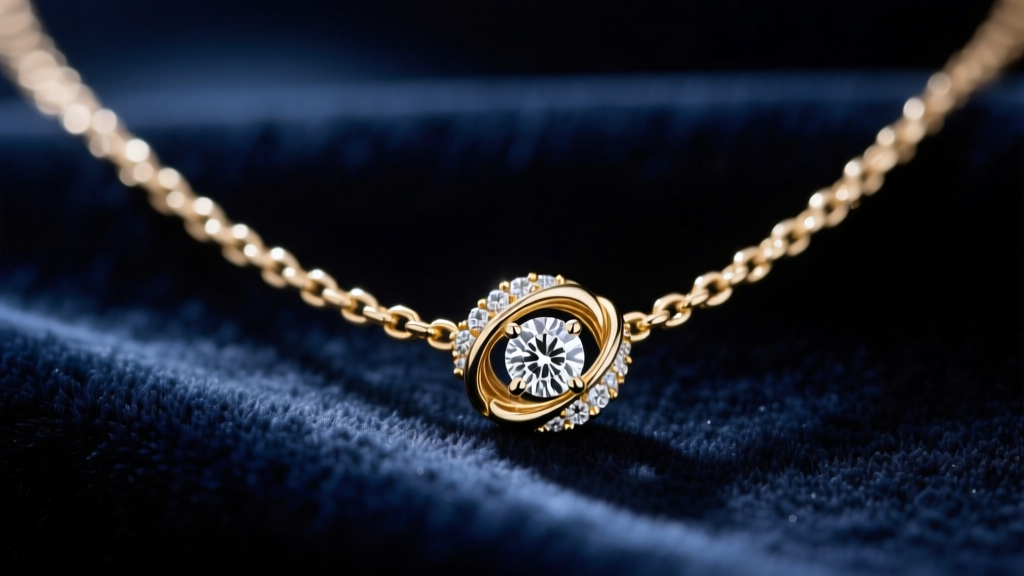
A diamond station necklace white gold is a staple of modern elegance, offering a delicate balance of sparkle and minimalist design. However, the very architecture that makes these necklaces beautiful—the alternating intervals of bare metal and diamond stations—creates unique structural vulnerabilities. Unlike a solid chain or a single pendant, station necklaces suffer from uneven weight distribution, making them highly prone to tangling, prong snagging, and localized metal fatigue.
If your necklace is constantly knotting, losing its bright white luster, or catching on your clothing, you are not alone. This comprehensive troubleshooting guide will help you diagnose and resolve the most common issues associated with white gold diamond station necklaces, ensuring your piece remains pristine for decades.
The Anatomy of the Chain: 14k vs. 18k White Gold
Before troubleshooting, it is crucial to understand the metallurgy of your chain. White gold is an alloy of pure yellow gold and white metals like nickel, palladium, or silver. The karatage dictates its durability:
- 14k White Gold (58.5% pure gold): The industry standard for station necklaces. The higher alloy content makes the chain stiffer and more resistant to stretching. If your chain is 0.8mm to 1.0mm thick, 14k is vastly superior for preventing breaks.
- 18k White Gold (75% pure gold): Softer and more malleable. While it holds a slightly richer tone underneath the rhodium plating, 18k chains are highly susceptible to micro-stretching and prong wear. Station diamonds set in 18k gold require bi-annual prong inspections.
Troubleshooting Severe Chain Tangling
The most frequent complaint regarding a diamond station necklace white gold is chronic tangling. The diamond stations act as microscopic weights. When stored improperly or subjected to friction, the chain wraps around these heavy nodes, creating tight, frustrating knots.
The Baby Powder and Pin Method
Never pull a tight knot with your fingers; the oils from your skin increase friction, and the tensile strength of a 0.9mm cable chain is only about 3 to 5 pounds before it snaps. Instead, use this jeweler-approved method:
- Lay the necklace flat on a hard, dark surface (like a slate coaster or dark velvet tray).
- Dust the knot generously with talc-free baby powder or cornstarch. This acts as a dry lubricant, reducing the friction coefficient between the white gold links.
- Use two fine-tipped sewing pins or beading awls. Insert the tips into the center of the knot and gently wiggle them in opposite directions to loosen the core.
- Once the core yields, use the pins to pull the outer loops apart. Wipe away the powder with a microfiber cloth afterward.
Preventative Storage: The Straw Trick
To prevent tangling during travel, thread one end of the necklace through a plastic drinking straw and clasp it. The rigid straw prevents the chain from curling back onto itself and catching on the diamond stations.
Fixing Snagged Prongs and Loose Station Diamonds
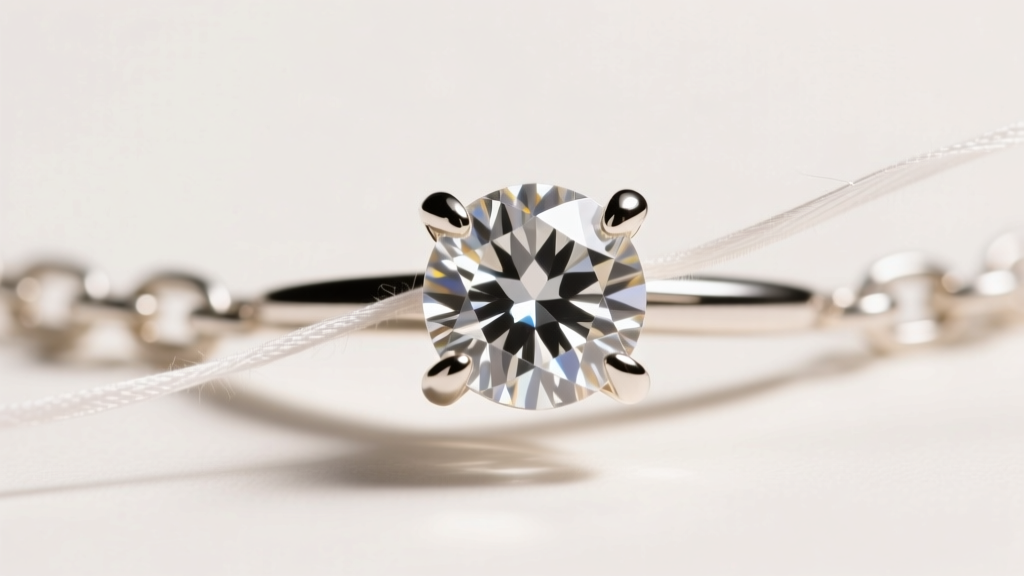
Because station necklaces lay flat against the collarbone, the diamonds face constant friction from clothing and skin. Over time, this wears down the metal prongs holding the stones. A snagged prong will catch on knitwear and silk, eventually bending outward and releasing the diamond.
According to the Jewelers of America, you should perform the "Tap Test" every six months. Hold the necklace close to your ear and gently tap the diamond stations with a wooden toothpick. If you hear a faint rattling or clicking sound, the diamond is loose in its setting and requires immediate professional retipping.
Troubleshooting Snags: If a prong is catching on fabric but the stone is tight, do not attempt to file it down yourself. A jeweler will use a burnishing tool to smooth and re-polish the prong tip without compromising the structural integrity of the setting. For high-wear environments, consider having a jeweler convert your prong-set stations to bezel settings, which eliminate snagging entirely, though they slightly reduce the diamond's visible surface area.
Restoring White Gold Luster: Rhodium Replating
White gold is naturally a warm, yellowish-grey color. To achieve the brilliant, mirror-like white finish, it is electroplated with rhodium, a rare platinum-group metal. On a station necklace, the back of the chain and the areas near the clasp experience the most friction against the skin, causing the rhodium to wear off and reveal the yellowish alloy beneath.
| Lifestyle Factor | Estimated Rhodium Lifespan | Maintenance Cost (Approx.) |
|---|---|---|
| Daily Wear (Office/Indoor) | 18 - 24 Months | $45 - $65 |
| Active Lifestyle (Gym/Outdoors) | 8 - 12 Months | $45 - $65 |
| Occasional Wear (Events) | 3 - 5 Years | $45 - $65 |
Note: Never attempt to polish white gold at home with abrasive pastes. Polishing removes microscopic layers of metal and will strip the remaining rhodium plating, accelerating the yellowing effect.
Deep Cleaning Cloudy Station Diamonds
Diamonds are lipophilic, meaning they naturally attract and hold onto oils and grease. Lotions, sebum, and hairspray quickly coat the pavilion (bottom) of your station diamonds, blocking light return and making them look cloudy and dull.
The Gemological Institute of America (GIA) recommends a gentle, non-chemical approach to restore brilliance. Avoid ultrasonic cleaners for station necklaces; the high-frequency vibrations can loosen stones in delicate micro-prong settings and potentially snap thin chains at the solder points.
The Safe Manual Cleaning Protocol
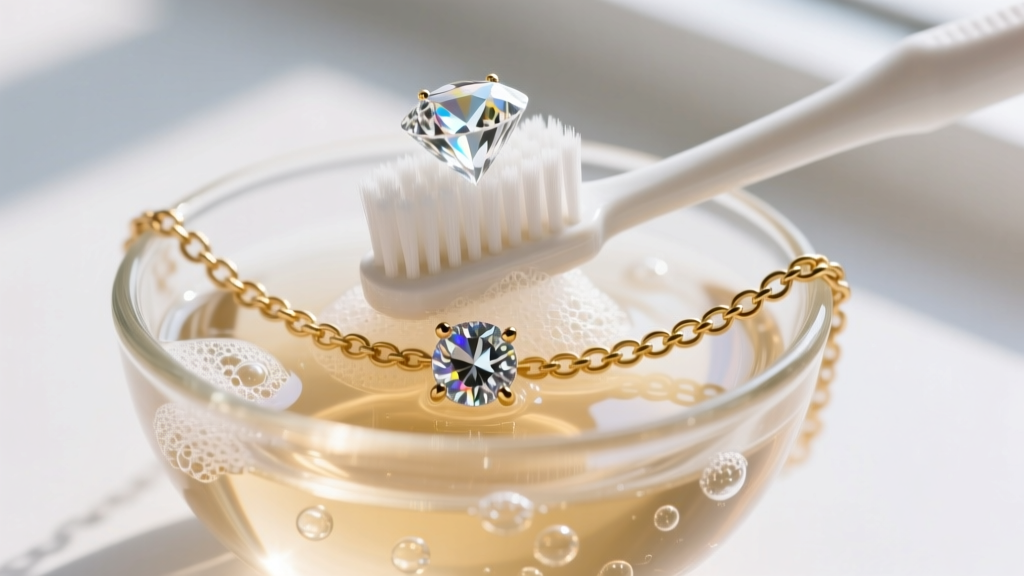
- Fill a small glass bowl with warm (not hot) water and add three drops of mild, ammonia-free dish soap (like Dawn).
- Submerge the necklace and let it soak for 15 minutes to break down lipid bonds.
- Using a brand-new, ultra-soft baby toothbrush, gently scrub the underside of each diamond station. The pavilion facets trap the most dirt.
- Rinse thoroughly under lukewarm running water, ensuring the drain is securely plugged.
- Pat dry with a lint-free microfiber cloth. Do not use paper towels, as the wood fibers can micro-scratch the gold and leave lint trapped in the prongs.
Chain Breakage and the Necessity of Laser Welding
Station necklaces typically feature delicate cable or box chains ranging from 0.8mm to 1.2mm in thickness. When these chains break, they usually snap at the soldering points where the diamond stations are attached, as these joints endure the highest torsional stress. Traditional torch soldering is often too imprecise for chains this thin and can leave visible, discolored seams or melt the delicate prongs holding your diamonds.
For a flawless repair, insist on laser welding. Laser welders use a highly focused beam of light to fuse the white gold at a microscopic level without transferring heat to the surrounding links or the diamond stations. This ensures the structural integrity of the chain is restored without requiring a full rhodium replating of the repaired section. Expect to pay between $45 and $85 for a professional laser weld, depending on the chain's gauge and the complexity of the break.
Addressing Clasp Failures and Upgrades
Most diamond station necklaces come standard with a spring-ring clasp. These are notoriously difficult to operate with one hand and prone to failing when the internal tension spring wears out. If your necklace frequently unclasps, the issue is likely a deformed jump ring or a weak spring.
The Solution: Ask your jeweler to upgrade the clasp to a 5mm or 6mm lobster claw clasp. Lobster clasps feature a solid internal mechanism and a heavier trigger, making them significantly more secure. For ultimate peace of mind, invest in a locking clasp (such as the LOX brand), which features a secondary silicone or metal sleeve that slides over the lever, making accidental unclasping virtually impossible.
Summary Checklist for Annual Maintenance
To keep your diamond station necklace white gold in flawless condition, integrate these troubleshooting steps into your annual jewelry care routine:
- January: Perform the "Tap Test" on all diamond stations to check for loose prongs.
- April: Deep clean the chain and diamonds using the manual soapy water method.
- July: Inspect the clasp and jump rings for micro-gaps or metal fatigue.
- October: Assess the rhodium plating; schedule a replating if the yellowish alloy is visible on the back of the chain.
By understanding the unique mechanical and chemical challenges of your necklace, you can troubleshoot issues before they result in lost diamonds or broken chains, preserving both the sentimental and financial value of your jewelry.


