How to Clean and Care for Your Shell Charm Necklace
Learn expert techniques to safely clean, store, and maintain your shell charm necklace. Protect delicate nacre from damage with our step-by-step guide.

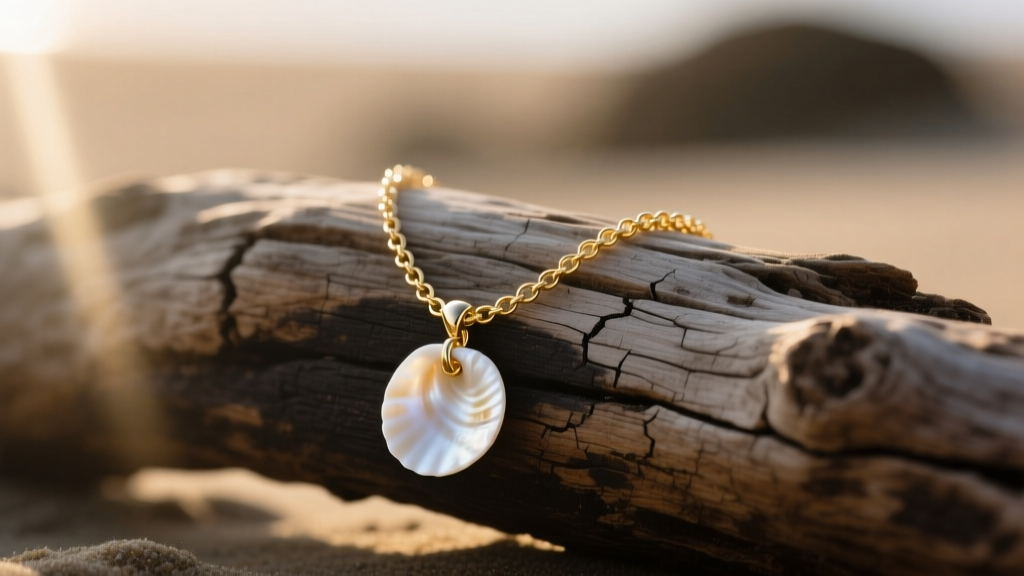
The Mineralogy of Shell: Why Your Charm Demands Special Care
A shell charm necklace is more than just a coastal fashion statement; it is a wearable piece of organic mineralogy. Unlike faceted gemstones or forged metals, shells are primarily composed of calcium carbonate (in the form of aragonite or calcite) and conchiolin, an organic protein that acts as a natural glue. This unique biological architecture gives shells their breathtaking iridescence but also makes them highly vulnerable to environmental stressors.
On the Mohs scale of mineral hardness, most shell materials rank between 2.5 and 4.0. For context, a copper penny is a 3.5, meaning your shell charm can be easily scratched by everyday objects, let alone harder jewelry metals. Furthermore, calcium carbonate is highly reactive to acids. Human sweat typically has a pH ranging from 4.5 to 7.0. When the pH drops below 6.0, the acidic environment begins to microscopically dissolve the shell's surface, leading to a permanent loss of luster and a chalky, degraded texture. Understanding these material properties is the first step in preserving the structural integrity and visual brilliance of your shell charm necklace.
The Ultimate Step-by-Step Cleaning Protocol
Forget commercial jewelry dips and abrasive polishing pastes. Cleaning organic gems requires a gentle, pH-neutral approach that removes sebum, dead skin cells, and environmental pollutants without stripping the shell's natural moisture.
Step 1: Gather the Correct Supplies
- Distilled Water: Never use tap water. Municipal water contains chlorine, fluoride, and hard minerals (like calcium and magnesium) that can leave microscopic deposits on the porous surface of the shell.
- pH-Neutral Surfactant: Use a mild, unscented liquid Castile soap or a dedicated organic gem cleaner. Avoid dish soaps, which often contain degreasers and citrus extracts (citric acid) that will etch the nacre.
- 300 GSM Microfiber Cloth: A high-density, lint-free cloth designed for optical lenses or delicate jewelry.
- Soft-Bristled Makeup Brush: A clean, unused eyeshadow blending brush is perfect for dislodging debris from the carved crevices of the shell charm without scratching the surface.
Step 2: The Washing Technique
Mix two drops of your pH-neutral soap into a small bowl of lukewarm distilled water. Dip the soft makeup brush into the solution, gently tap off the excess moisture, and lightly sweep the bristles over the shell charm. Focus on the drill holes and carved grooves where skin oils and lotions accumulate. Never submerge the entire necklace. Prolonged water exposure can weaken the silk or nylon threading often used in shell jewelry and degrade the adhesive securing the charm to its bail.
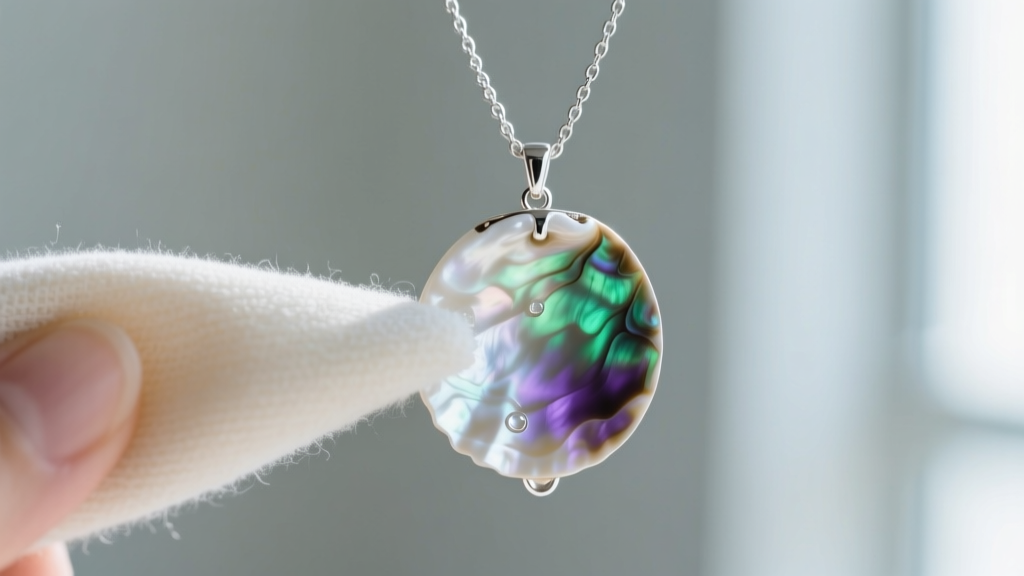
Step 3: Rinsing and Drying
Dampen a fresh corner of your microfiber cloth with pure distilled water and gently dab the shell charm to lift away any remaining soap residue. Immediately follow up with the dry side of the cloth, using a gentle blotting motion. Allow the necklace to air dry completely in a cool, shaded area before storing it. Direct sunlight or heat from a hairdryer will cause rapid moisture loss, leading to micro-fractures in the shell.
Environmental Hazards: What Destroys Shell Charms?
To maintain the pristine condition of your shell charm necklace, you must adopt a defensive wearing strategy. The jewelry industry standard for organic gems is "last on, first off." Always put your shell necklace on after applying perfume, hairspray, and cosmetics, and remove it before showering or exercising.
Expert Warning: Never place a shell charm necklace in an ultrasonic cleaner. The high-frequency acoustic cavitation creates microscopic shockwaves in the liquid that will aggressively delaminate the fragile nacreous layers of the shell, causing irreversible structural peeling and internal fracturing.
Additionally, avoid wearing your shell jewelry in chlorinated pools or hot tubs. Chlorine is a harsh chemical that reacts violently with calcium carbonate, causing immediate pitting and a dull, matte finish that cannot be polished out. For a comprehensive overview of organic gem vulnerabilities, the Gemological Institute of America (GIA) provides extensive guidelines on protecting nacre-based jewelry from chemical erosion.
Long-Term Storage and Hydration Management
Unlike diamonds or gold, shells are hygroscopic—they interact with the moisture in the air. If stored in an overly dry environment (such as a safety deposit box or a room with aggressive air conditioning), the conchiolin protein matrix can desiccate, causing the shell to become brittle and eventually crack or warp.
The Ideal Storage Environment
Store your shell charm necklace in a soft, anti-tarnish flannel pouch. Flannel allows for minimal air exchange, preventing total desiccation while protecting the piece from dust. Keep the pouch in a climate-controlled drawer away from direct UV light. Prolonged UV exposure breaks down the organic pigments in colored shells (like conch or melo melo), causing severe fading and yellowing.
Pro-Tip: If you live in an arid climate, place a slightly damp (not wet) cotton ball inside a small, breathable mesh bag and tuck it into the jewelry box drawer—not touching the jewelry directly—to maintain a localized humidity level of around 40-50%.
Troubleshooting Guide: Diagnosing Shell Damage
Even with meticulous care, environmental exposure takes its toll. Use this diagnostic table to identify and address common issues affecting your shell charm necklace.
| Symptom | Root Cause | Expert Solution |
|---|---|---|
| Chalky, white film or dull spots | Acid erosion from sweat, perfume, or citrus exposure. | Gently wipe with a damp microfiber cloth. Apply a micro-drop of jojoba oil to restore surface luster and mask minor etching. |
| Micro-fractures or surface cracking | Extreme temperature shifts, physical impact, or severe desiccation. | Stop wearing the piece immediately. Consult a lapidary for specialized organic resin stabilization to prevent further splitting. |
| Deep scratches on the nacre | Friction against harder metals (like 14k gold or platinum) or quartz gemstones. | Unfortunately, nacre cannot be sanded down like metal. Prevent future damage by storing the shell charm necklace in an isolated, soft-lined compartment. |
| Yellowing of white shells | Prolonged UV exposure or natural aging of the conchiolin protein. | Keep out of direct sunlight. While natural yellowing is irreversible, keeping the shell hydrated with mineral oil can improve its optical depth. |
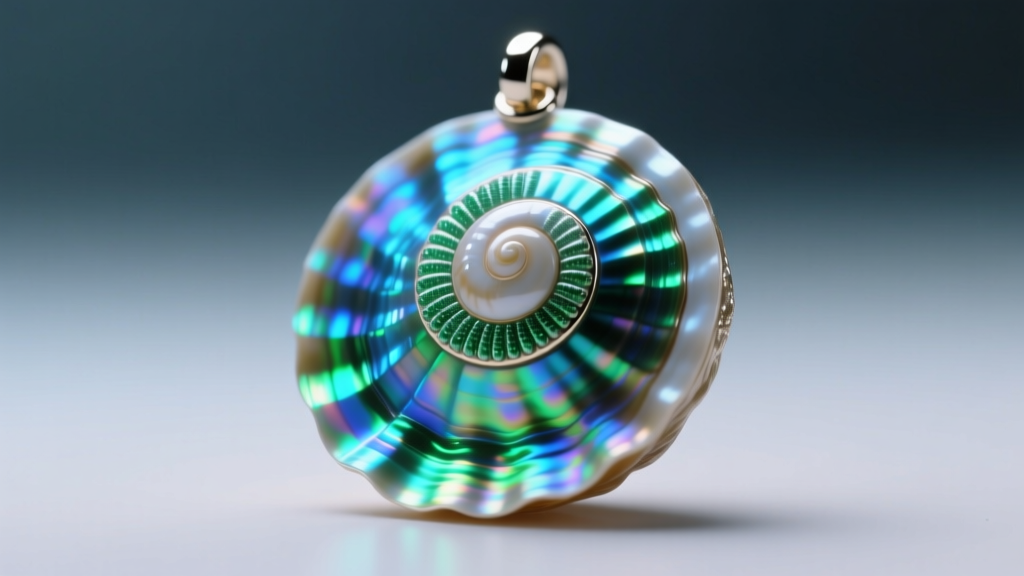
Restoring the Luster: The Jojoba Oil Technique
If your shell charm necklace has lost its deep, reflective luster and appears dry or slightly chalky despite being clean, it likely requires rehydration. However, you must use the correct type of oil. Avoid olive oil, coconut oil, or vegetable oils; these are triglycerides that will eventually oxidize, turn rancid, and leave a sticky, foul-smelling residue that attracts dirt.
Instead, use 100% pure, cold-pressed jojoba oil. Jojoba oil is technically a liquid wax ester that closely mimics human sebum. It does not go rancid and will not clog the microscopic pores of the shell.
How to Oil Your Shell Charm
- Ensure the shell is perfectly clean and completely dry.
- Place a single drop of jojoba oil onto a clean microfiber cloth (never apply the oil directly to the shell).
- Gently massage the cloth over the surface of the shell charm using small, circular motions.
- Allow the oil to absorb for 15 minutes.
- Take a dry, clean section of the cloth and buff the shell vigorously to remove any excess surface oil, leaving behind only what has penetrated the microscopic layers.
Perform this treatment once every six months, or more frequently if you live in a dry climate. For further insights into maintaining the structural integrity of organic jewelry, Jewelers Mutual offers excellent resources on the long-term preservation of nacre and shell pieces.
Final Thoughts on Shell Jewelry Longevity
A shell charm necklace is a delicate intersection of nature and craftsmanship. By respecting the chemical sensitivities of calcium carbonate, avoiding ultrasonic and chemical cleaners, and implementing a proactive hydration and storage routine, you can ensure that the iridescent beauty of your shell charm remains vibrant for decades. Treat your organic gems with the specialized care they require, and they will continue to capture the light—and the ocean's essence—every time you wear them.


