The Beginner's Guide to Buying a Vintage Avon Necklace
Discover how to identify, date, and value a vintage Avon necklace. Learn hallmark secrets, pricing guides, and styling tips for beginner collectors.

The Allure of Avon Costume Jewelry
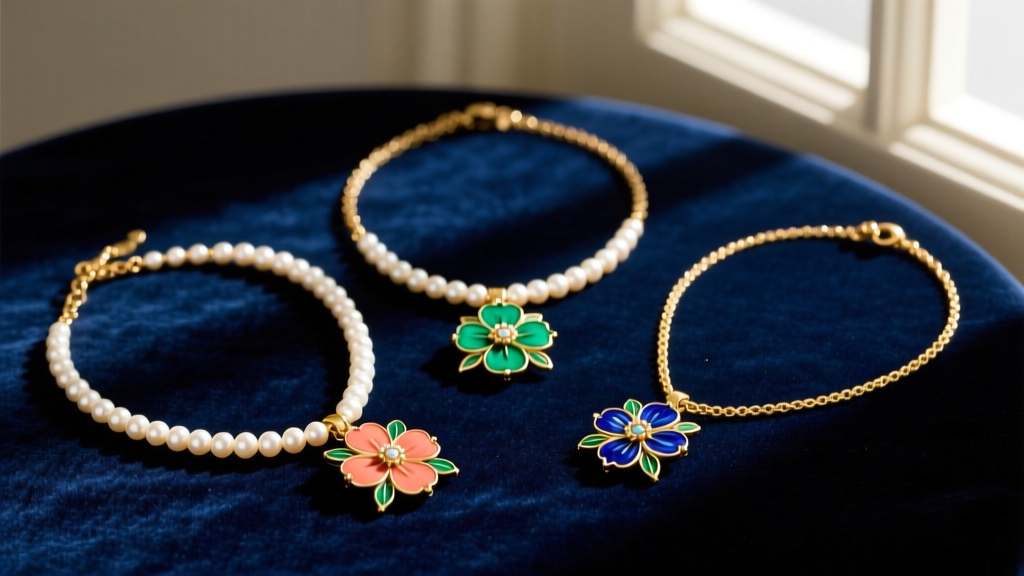
When building a curated collection of accessible, historically rich costume jewelry, the vintage Avon necklace remains a cornerstone piece for beginners and seasoned collectors alike. While Avon is globally recognized for its cosmetics, the company officially entered the jewelry market in 1971. By leveraging their massive direct-sales network, Avon quickly became one of the largest manufacturers of costume jewelry in the world. For the modern collector in 2026, these pieces offer a fascinating window into late 20th-century fashion trends, ranging from the bold, enamel-heavy florals of the 1970s to the chunky, geometric gold-tone chains of the 1980s.
This beginner-friendly explainer will walk you through the exact hallmarks, material compositions, and market values you need to know before purchasing your first vintage Avon necklace. According to market data from Ruby Lane, the demand for pristine, era-specific Avon pieces has steadily climbed, making authentication and condition assessment critical skills.
Decoding the Hallmarks: How to Authenticate
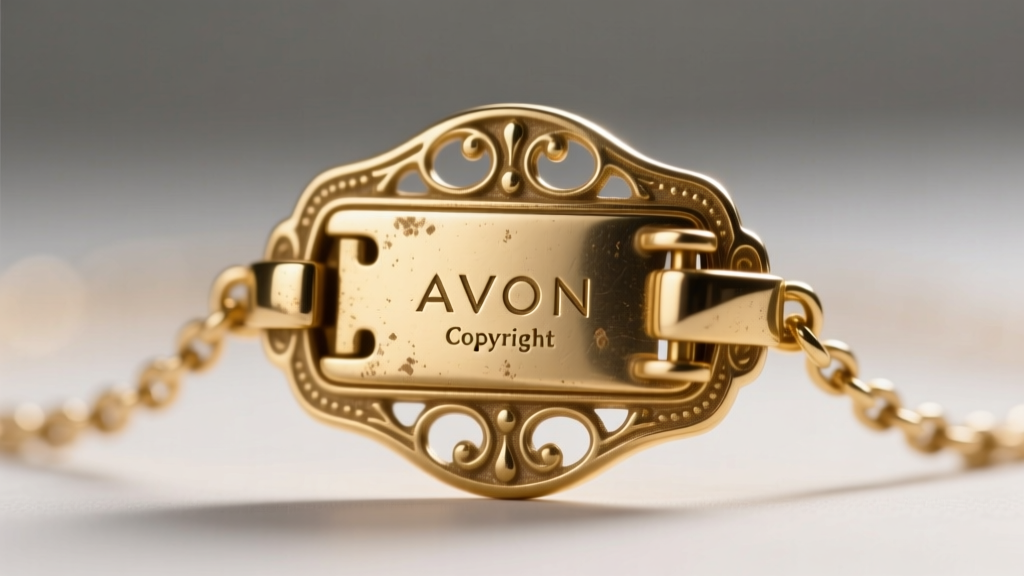
The most crucial step in evaluating a vintage Avon necklace is locating and interpreting the manufacturer's hallmark. Avon was meticulous about stamping their pieces, but the markings evolved over the decades. You will typically find these stamps on the back of the pendant, the reverse of the clasp, or etched into a small metal tag near the closure.
The Evolution of Avon Stamps
- 'AVON' (All Caps): Commonly found on pieces from the early to mid-1970s. These early stamps are often deeply cast into the metal.
- '©AVON' (With Copyright Symbol): Introduced around 1975 after changes in copyright law protections for jewelry designs. If you see the copyright symbol, you can confidently date the piece to 1975 or later.
- 'A' (Standalone): Occasionally, you will find a simple 'A' stamped on smaller or more delicate pieces where space was limited. This is still a valid Avon mark, though it requires secondary verification through clasp style and material weight.
- Designer Signatures: In the late 1980s and 1990s, Avon collaborated with high-end designers. You may see marks like '©Ungaro for Avon' or '©Louis Feraud'. These are highly sought after.
Era-by-Era Breakdown and Pricing Guide
Understanding the distinct stylistic shifts between decades will help you accurately value a vintage Avon necklace. As nostalgia for Y2K and late-80s maximalism peaks in 2026, pricing for specific eras has shifted dramatically. Below is a structured guide to help you navigate the market.
| Era | Defining Characteristics | Common Materials | Avg. Market Price (2026) |
|---|---|---|---|
| 1970s | Nature motifs, floral pendants, long opera-length strands, filigree work. | Gold-tone base metal, molded Lucite, faux turquoise, dark enamel. | $15 - $45 |
| 1980s | Chunky chains, oversized geometric pendants, bold faux pearls, power-dressing aesthetics. | Heavy pot metal, brushed gold-tone, Aurora Borealis (AB) glass rhinestones. | $30 - $85 |
| 1990s | Minimalist chains, delicate chokers, cameo revivals, designer collaborations. | Silver-tone alloys, acrylic, small glass pearls, matte finishes. | $12 - $40 (Designer collabs: $90+) |
Material Composition: What Are You Actually Buying?
A common misconception among beginners is that vintage costume jewelry contains precious metals. It is vital to understand the exact material grades used by Avon to properly care for your necklaces and set realistic expectations regarding intrinsic value.
Base Metals and Plating
Avon primarily utilized base metals such as brass, pewter, and 'pot metal' (a zinc-based alloy). These bases were then electroplated with a gold-tone or silver-tone finish. The plating on 1970s and 1980s Avon pieces is notoriously thick and durable compared to modern fast-fashion jewelry. However, because it is still a surface layer, it is susceptible to 'brassing'—a condition where the gold plating wears away to reveal the brassy base metal underneath. A vintage Avon necklace with severe brassing loses up to 60% of its collector value.
Faux Gemstones and Enamel
Avon's enamel work in the 1970s is a major draw for collectors. They used a cold-enamel process (essentially a hardened, tinted resin) rather than kiln-fired vitreous enamel. While beautiful, cold enamel can chip or yellow if exposed to prolonged UV light or harsh chemicals. For rhinestones, Avon frequently used glass stones with foil backing to create the Aurora Borealis (AB) effect. Always check the foil backing through the side of the stone; if it looks dark or damp, the stone has suffered water damage and will need professional replacement.
Red Flags and Authentication Pitfalls
When shopping on platforms like Etsy, eBay, or local estate sales, keep an eye out for these common deal-breakers that Collectors Weekly frequently warns about:
- Replaced Clasps: Many sellers will 'repair' a broken vintage spring-ring or fold-over clasp by attaching a modern, shiny lobster clasp. This immediately diminishes the historical integrity and value of the piece.
- Missing Rhinestones: Look closely at the prongs. Empty prong settings or visible, hardened glue residue indicate missing stones. Replacing foil-backed vintage stones is difficult and expensive.
- Cracked Lucite: 1970s Avon pieces often feature molded Lucite elements. Hairline cracks near the jump rings are common due to decades of tension and will eventually cause the pendant to snap.
Proper Care and Maintenance
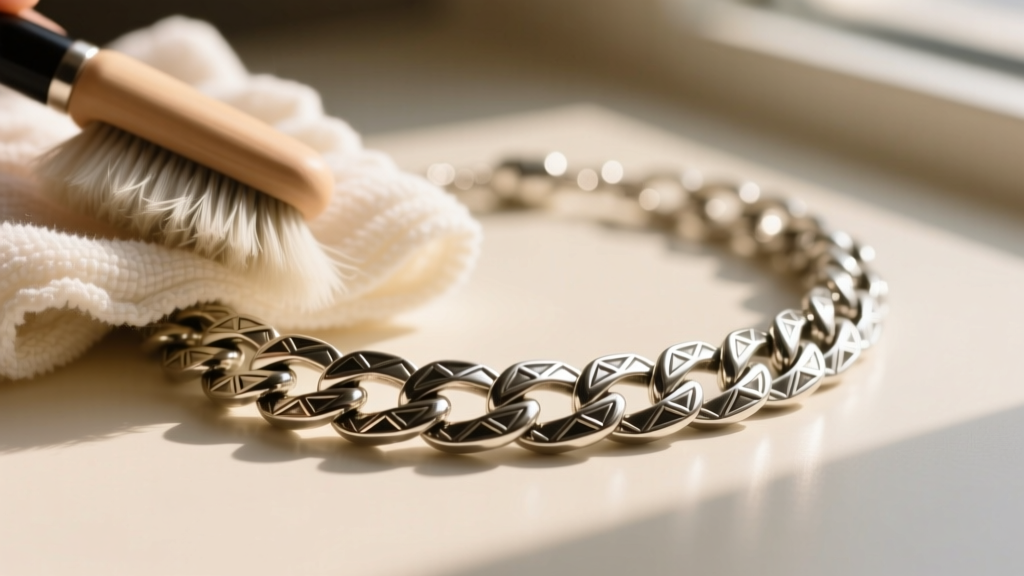
Preserving the plating and faux stones on your vintage Avon necklace requires a gentle touch. Never use ultrasonic cleaners, silver dips, or ammonia-based solutions. These will strip the gold-tone plating and dissolve the adhesive holding the rhinestones in place.
Step-by-Step Cleaning Routine
- Dry Dusting: Use a clean, dry, ultra-soft microfiber cloth to gently wipe away surface oils and dust after every wear.
- Spot Cleaning: For stubborn grime, dampen a cotton swab with a mixture of distilled water and a single drop of mild, phosphate-free dish soap. Gently roll the swab over the metal, avoiding the rhinestones entirely.
- Drying: Immediately dry the piece with a separate soft cloth. Moisture is the enemy of foil-backed stones and base metals.
- Storage: Store your necklaces flat in a lined jewelry box with anti-tarnish strips. Avoid hanging heavy 1980s chain necklaces, as the weight can warp the vintage jump rings over time.
Final Thoughts for the Beginner Collector
Collecting vintage Avon necklaces is a highly rewarding entry point into the world of costume jewelry. By focusing on pristine hallmarks, intact original clasps, and era-specific designs, you can build a historically significant and visually stunning collection on a beginner-friendly budget. Always prioritize condition over rarity when starting out, and take the time to study the tactile weight and plating quality that defined Avon's golden era of manufacturing.


