How to Clean a Rose Necklace in Titanic Replica Styles
Discover expert cleaning and maintenance tips for your rose necklace in Titanic replica styles, covering rose gold, silver, and gemstone care.

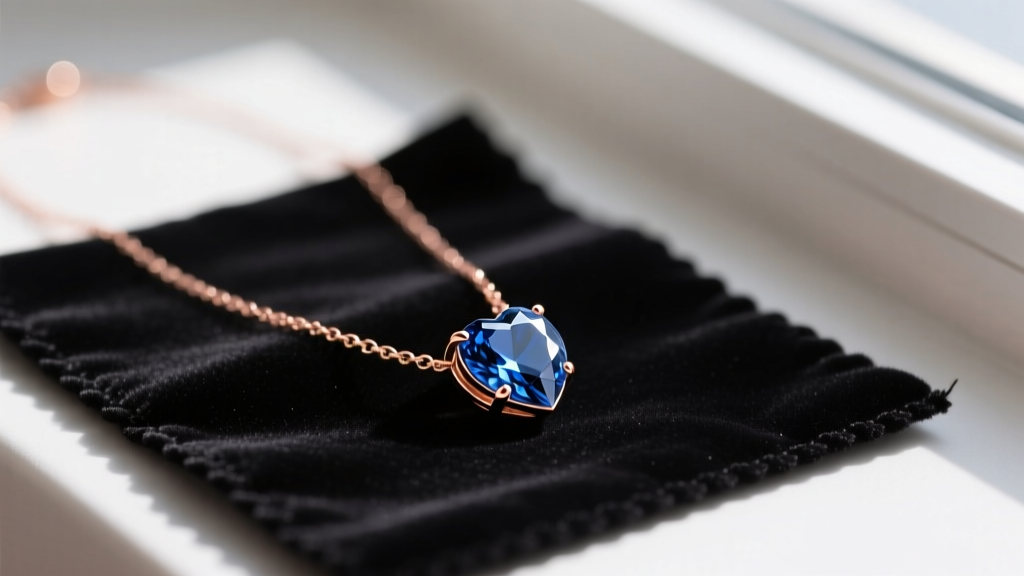
The Legacy and Materials of Cinematic Replicas
When collectors and fans search for a rose necklace in Titanic merchandise, they are typically looking for one of two iconic pieces: the legendary 'Heart of the Ocean' blue diamond pendant, or the intimate portrait locket Rose wears later in life. While the original movie props were crafted from white gold, brass, and zirconia, the aftermarket replica industry has expanded to include stunning rose gold variants. Caring for these specific pieces requires a deep understanding of their unique metallurgical and gemological properties. Unlike solid fine jewelry, cinematic replicas often rely on delicate plating and synthetic stones that demand specialized maintenance to prevent irreversible damage.
In 2026, the replica market has seen a surge in high-quality vermeil and advanced cubic zirconia (CZ) cutting techniques. However, the fundamental vulnerabilities of plated metals and foil-backed or synthetic gemstones remain. Whether you own a rose gold vermeil Heart of the Ocean pendant or a vintage-style brass locket, applying the wrong cleaning method can strip the finish, cloud the gemstone, or destroy the internal photograph. This comprehensive guide will walk you through the exact protocols used by jewelry conservators to maintain these treasured cinematic pieces.
Decoding Your Replica's Metallurgy and Gemology
Before applying any cleaning solution, you must identify the exact materials of your necklace. The term 'rose gold' in replicas usually refers to a plating over a base metal. The copper content in rose gold alloys gives it its signature pink hue, but copper is highly reactive to sulfur and moisture, leading to rapid tarnishing if the plating is compromised. Furthermore, the blue gemstones in these replicas are typically either synthetic sapphire (corundum) or cubic zirconia (CZ). According to the Gemological Institute of America (GIA), understanding the Mohs hardness and chemical sensitivity of your specific stone is the first step in safe jewelry maintenance.
| Material Component | Common Replica Grade | Mohs Hardness | Primary Vulnerability | Recommended Cleaner |
|---|---|---|---|---|
| Rose Gold Vermeil | 2.5+ microns over 925 Silver | 2.5 - 3 (Metal) | Micro-scratches, silver sulfide tarnish | pH-neutral soap, microfiber |
| Flash-Plated Brass | <0.5 microns over Brass | 3 (Metal) | Plating wear, copper oxidation (green skin) | Dry polishing only |
| Synthetic Sapphire | Lab-grown Corundum | 9 | Hard impacts, foil-backing delamination | Mild soap, soft brush |
| Cubic Zirconia (CZ) | Machine-cut CZ | 8 - 8.5 | Grease clouding, edge abrasion | Isopropyl alcohol (gem only) |
Step-by-Step Cleaning Protocol for Rose Gold Replicas
To safely clean your rose gold pendant and chain without degrading the plating, follow this conservator-approved methodology. Never use commercial silver dips or ultrasonic cleaners, as the high-frequency vibrations can shatter synthetic stones and the harsh chemicals will strip rose gold plating instantly.
1. The Distilled Water and pH-Neutral Soak
Tap water contains chlorine and dissolved minerals that can leave hard water spots on synthetic sapphires and accelerate the tarnishing of sterling silver bases. Fill a small glass bowl with lukewarm distilled water and add two drops of a pH-neutral, ammonia-free dish soap (such as original Dawn). Submerge the necklace for exactly 3 to 5 minutes. This brief soak loosens sebum, dead skin cells, and environmental dust trapped in the pavilion (the underside) of the gemstone setting without compromising the rose gold molecular bond.
2. Mechanical Agitation with Precision Tools
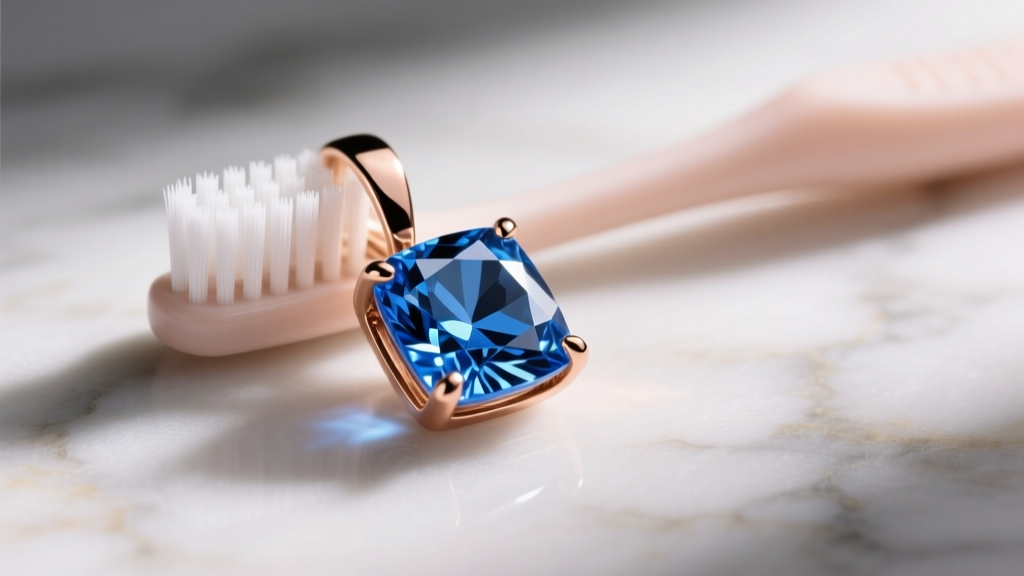
Remove the necklace from the soak. Using an extra-soft baby toothbrush (never a standard adult toothbrush, as the bristles are too stiff and will scratch the rose gold finish), gently brush the gemstone. Focus on the back of the stone where grease accumulates. Brush in a circular motion around the prongs to dislodge debris. If your replica features a halo of micro-pave stones, use a wooden toothpick to gently pick out stubborn grime from the crevices rather than forcing a brush into the delicate settings.
3. The Drying and Polishing Phase
Rinse the necklace under a gentle stream of distilled water. Do not use a paper towel or tissue to dry the piece, as wood pulp fibers will cause micro-scratches on both the metal and the CZ or sapphire. Instead, lay the necklace flat on a clean, lint-free microfiber cloth. Pat it dry, and use a dedicated jewelry polishing cloth to gently buff the rose gold chain. According to Jewelers of America, using a treated polishing cloth on plated jewelry should be done sparingly to avoid rubbing off the microscopic layers of gold.
Critical Mistakes That Destroy Cinematic Jewelry
Maintaining the illusion of high-end cinematic jewelry requires avoiding common household cleaning hacks that are actually highly destructive to replica materials.
- The Toothpaste Myth: Toothpaste contains hydrated silica, an abrasive with a Mohs hardness of around 6. While it won't scratch a diamond, it will severely scratch rose gold plating and leave a cloudy, matte finish on cubic zirconia.
- Ultrasonic Cleaners: While excellent for solid platinum and diamonds, ultrasonic waves can cause the foil-backing on cheaper replica sapphires to peel, instantly turning the stone gray and lifeless. It can also shake loose the adhesives used in pave settings.
- Ammonia and Bleach: Ammonia-based glass cleaners will permanently cloud CZ stones by etching their surface. Bleach will cause an immediate chemical reaction with the copper in the rose gold alloy, resulting in irreversible black spotting.
- Hot Water: Boiling or using very hot water can expand the base metal faster than the gemstone, loosening the prongs and causing the center stone to fall out.
Troubleshooting: Gemstone Clouding and Fading Plating
Even with meticulous care, replicas face unique aging issues. Here is how to troubleshoot the most common problems associated with Titanic-style necklaces.
Fixing Cloudy Cubic Zirconia
CZ is highly oleophilic, meaning it attracts and holds onto skin oils and lotions, which causes it to look cloudy and dull over time. If a standard soap soak doesn't restore the brilliance, dip a cotton swab in 90% isopropyl alcohol. Carefully swab the surface and the underside of the gemstone, strictly avoiding the rose gold metal setting. The alcohol will instantly dissolve the grease film and evaporate without leaving a residue, restoring the stone's optical fire.
Addressing the 'Green Skin' Reaction
If your necklace leaves a green or black mark on your chest, the rose gold plating has worn through to the brass or copper base metal beneath. This is a natural reaction between copper and the acidity in your sweat. To salvage a flash-plated brass replica, clean the metal thoroughly with alcohol, let it dry completely, and apply a micro-thin coat of clear, hypoallergenic nail polish or a specialized jewelry shielding spray to the back of the pendant. This creates an invisible barrier between the reactive metal and your skin.
Long-Term Storage and Locket Preservation
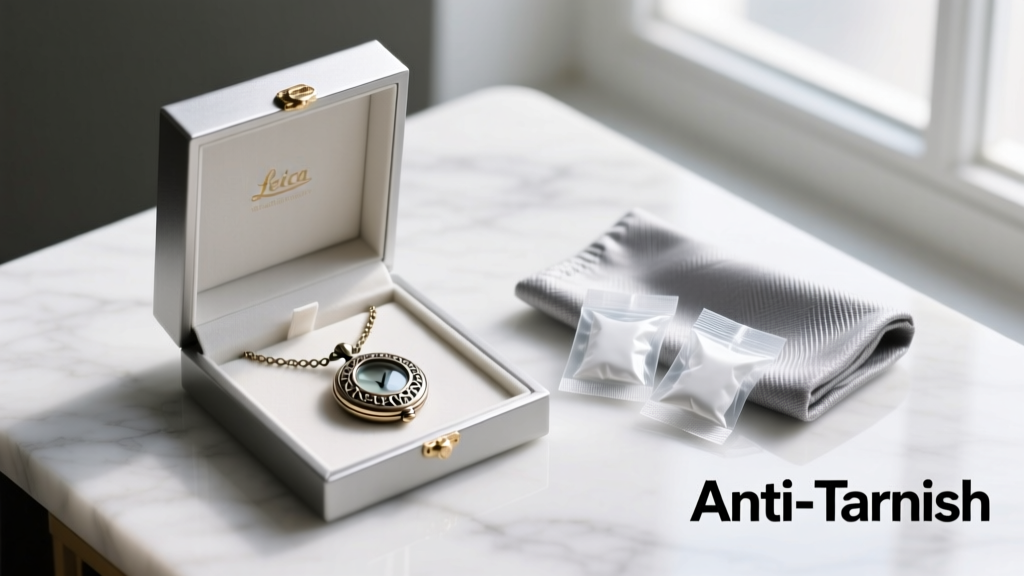
How you store your necklace when it isn't being worn is just as critical as how you clean it. Rose gold plating is particularly susceptible to micro-abrasions when tossed into a communal jewelry box. Always store your Titanic replica in a soft, individual flannel pouch or a lined jewelry box with separate compartments.
For those who own the portrait locket variant, moisture is the ultimate enemy. The internal paper photograph will warp, mold, or fade if exposed to humidity. Place a small silica gel desiccant packet inside the locket's storage pouch to maintain a dry micro-environment. Furthermore, consider applying a microscopic layer of Renaissance Wax (a micro-crystalline wax used by museum conservators) to the exterior brass or silver hinges and clasps. This seals the metal pores, preventing oxygen and sulfur from causing tarnish, and ensures the locket's mechanical parts remain functional for decades.
By respecting the specific material science behind your cinematic jewelry, you can ensure that your replica remains as breathtaking as the night it sailed. Consistent, gentle care is the secret to preserving the romance and brilliance of these iconic pieces.


