Ultimate Care Guide: Cleaning Your Shell Flower Necklace
Learn how to safely clean, store, and maintain your shell flower necklace. Expert tips to prevent cracking, discoloration, and string degradation.

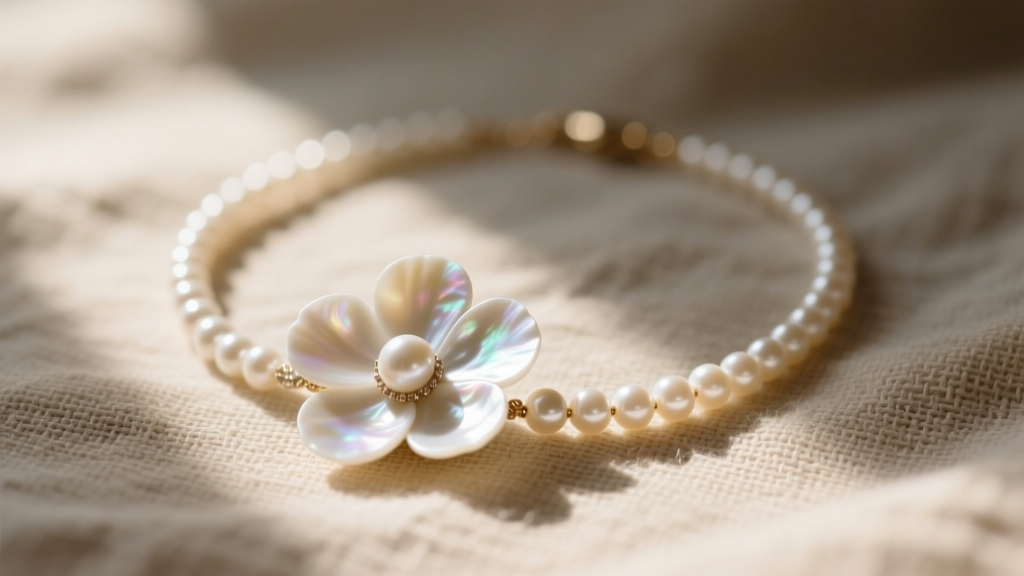
Shell flower necklaces capture the effortless, organic elegance of the ocean, blending intricate natural carvings with versatile styling. Whether your piece features delicate mother-of-pearl petals, robust puka shell daisies, or iridescent abalone roses, these organic gems require a highly specific maintenance routine. Unlike crystalline gemstones such as diamonds or sapphires, shells are porous and chemically reactive. A single drop of acidic perfume or a harsh commercial jewelry cleaner can permanently etch, dull, or dissolve the delicate surface of your shell flower necklace.
In this comprehensive care guide, we break down the exact mineralogy of shell jewelry, provide a safe step-by-step cleaning protocol, and outline the long-term storage strategies required to keep your necklace pristine for decades.
The Mineralogy of Shell: Why Calcium Carbonate Demands Special Care
To properly care for a shell flower necklace, you must first understand its chemical composition. Shells are primarily composed of calcium carbonate (CaCO3), specifically in the form of aragonite or calcite, bound together by an organic protein matrix called conchiolin. According to mineralogical data from Mindat.org, calcium carbonate ranks at just 2.5 to 3.5 on the Mohs hardness scale. This makes it softer than a copper coin and highly susceptible to micro-scratches from everyday dust and friction.
More importantly, calcium carbonate is highly reactive to acids. Human sweat, which naturally contains lactic acid, and cosmetic products like perfumes, hairsprays, and lotions can trigger a chemical reaction that slowly dissolves the nacre layers. This results in a permanent loss of luster, chalky white spots, and structural pitting. The Gemological Institute of America (GIA) emphasizes that all organic gems—including pearls, coral, and shell—must be kept strictly away from acidic environments and ultrasonic cleaners, which will shatter the internal crystalline structure of the shell.
The Step-by-Step Shell Cleaning Protocol
When your shell flower necklace accumulates body oils, dead skin cells, or environmental dust, it requires immediate but gentle intervention. Never soak shell jewelry in water for extended periods, as the porous nature of the shell can absorb impurities, and the stringing material may degrade.
Materials Required
- Distilled Water: Tap water contains chlorine, fluoride, and varying mineral deposits that can leave hard water spots or cause chemical reactions on the shell surface.
- Neutral pH Soap: A single drop of unscented, pH-neutral baby shampoo or castile soap. Avoid dish soaps, which often contain degreasers and citrus extracts (acids).
- Ultra-Soft Brush: A brand-new, extra-soft baby toothbrush or a specialized makeup blending brush.
- Microfiber Cloth: Lint-free and untreated with any chemical polishing agents.
The Washing Technique
- Dry Dusting: Before introducing any moisture, gently brush the necklace with a dry, soft-bristled brush to remove loose dust. Rubbing dust into a wet shell acts like sandpaper and will scratch the aragonite layers.
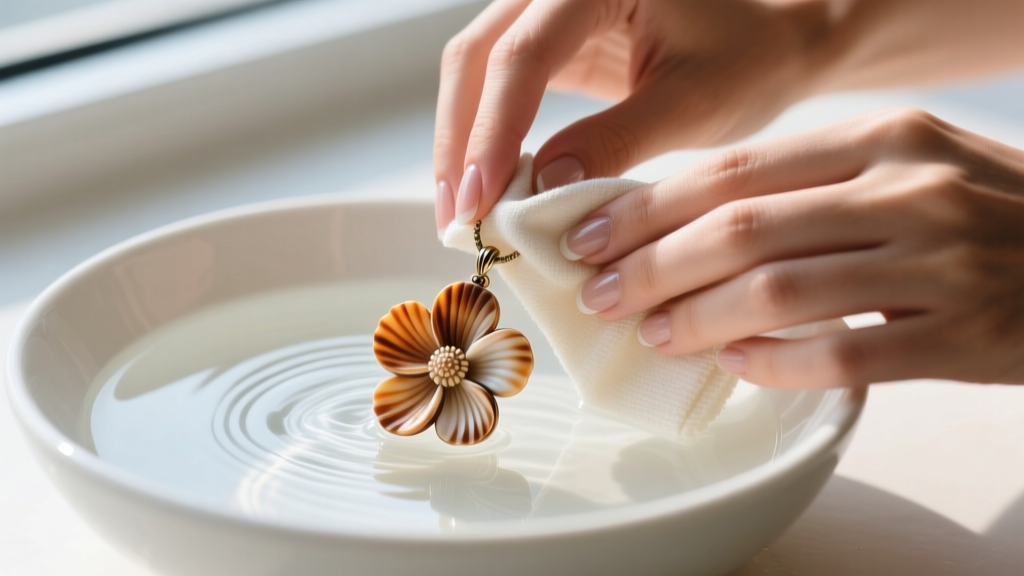
- The Damp Wipe: Mix one cup of distilled water with a single drop of neutral pH soap. Dip your microfiber cloth into the solution and wring it out until it is barely damp. Gently wipe the surface of each shell flower petal, following the natural grain of the carving.
- Detailing Crevices: For deep carvings or the center of the shell flower, lightly dip the baby toothbrush into the solution, shake off excess water, and gently agitate the dirt. Do not press hard; let the bristles do the work.
- Rinsing: Dampen a fresh cloth with pure distilled water and wipe away any soap residue.
- Drying: Pat the necklace dry with a clean towel and lay it flat on a dry cotton cloth in a well-ventilated area away from direct sunlight or heat sources. Never use a hair dryer, as rapid temperature changes can cause the calcium carbonate to fracture.
Cleaning the Metal Hardware and Clasps
Most shell flower necklaces incorporate metal components, such as sterling silver jump rings, gold-filled clasps, or brass wire wrapping. The challenge lies in cleaning the metal without exposing the adjacent shell to harsh metal polishes.
Silver polish contains mild abrasives and chemicals like thiourea, which will instantly strip the natural iridescence off mother-of-pearl and abalone. To clean the hardware, use a dry, untreated silver polishing cloth. Fold the cloth so you can use a sharp corner to buff the metal clasp and jump rings. For intricate wire-wrapping around the shell petals, use a cotton swab (Q-tip) to gently apply friction to the metal. If the metal is heavily tarnished, you can apply a microscopic amount of silver polish to the cotton swab, but you must meticulously avoid letting any residue touch the shell. Afterward, wipe the metal with a clean, damp cloth to remove all polish traces.
Environmental Hazards and Storage Matrix
Proper storage is just as critical as cleaning. Shells are organic materials that require a stable environment. Extreme dryness can cause the conchiolin protein matrix to shrink, leading to micro-cracking and delamination of the shell layers. Conversely, high humidity can cause the stringing material to rot and promote mold growth in the shell's porous crevices.
| Environmental Factor | Impact on Shell Flower | Impact on Hardware/String | Mitigation Strategy |
|---|---|---|---|
| Direct UV Light | Fades natural pigments; dries out conchiolin matrix causing brittleness. | Accelerates oxidation of brass and copper alloys. | Store in a dark, opaque jewelry box or drawer. |
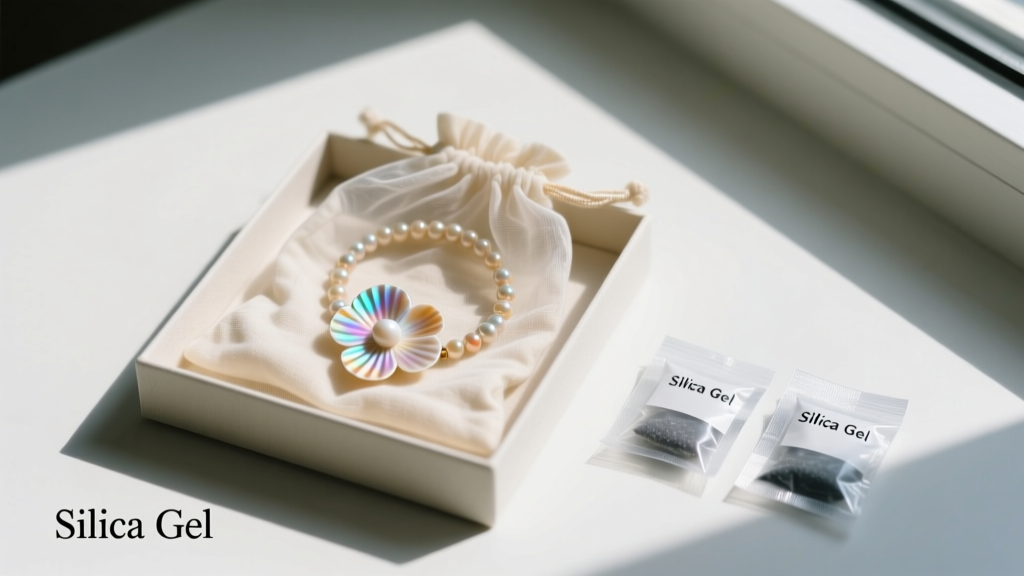
| High Humidity (>70%) | Traps moisture in pores, risking mold or algae spores in raw shells. | Causes silk thread to rot; accelerates silver tarnish. | Use silica gel packets in the storage box; avoid bathroom storage. |
| Extreme Dryness (<30%) | Draws moisture from the shell, leading to warping and hairline fractures. | Dries out leather cords, causing them to snap. | Keep a small humidifier in the room or a damp sponge in a sealed jar nearby. |
| Aerosols & Perfumes | Alcohol and acids dissolve the nacre layer, leaving chalky white spots. | Strips gold-plating and gold-filled layers down to base metal. | Always put the necklace on AFTER applying cosmetics and perfume. |
Restringing and Long-Term Maintenance
The structural integrity of your shell flower necklace relies entirely on its stringing material. Many artisan shell necklaces are strung on natural silk cord because it drapes beautifully and knots securely. However, silk is highly vulnerable to the acids in human sweat and will degrade, stretch, and eventually snap within 1 to 2 years of regular wear.
If you notice the cord looking frayed, discolored, or if the knots between the shell beads appear stretched, it is time for a restringing. Professional restringing for a standard 18-inch knotted necklace typically costs between $35 and $60, depending on the complexity of the shell flower pendant attachment.
Material Upgrade Recommendation: When having your necklace restrung, ask your jeweler to use bonded nylon thread (such as Nymo or Silamide) or a flexible beading wire (like Beadalon 49-strand). These synthetic materials are entirely impervious to sweat, water, and UV degradation, offering the drape of silk with the tensile strength of steel. If your shell flowers have sharp, unpolished drill holes, ensure the jeweler uses French wire (bullion) or wire guardians at the clasp to prevent the metal from sawing through the cord over time.
Pro-Tip: Never store your shell flower necklace hanging on a standard jewelry tree. The constant downward gravitational pull will stretch the stringing material over time, causing the necklace to lose its shape and placing undue stress on the drill holes of the shell petals. Always store it coiled loosely in a soft pouch.
Summary of Best Practices
Maintaining a shell flower necklace is an exercise in gentle, proactive care. By understanding the chemical vulnerabilities of calcium carbonate, utilizing pH-neutral cleaning agents, and strictly controlling the storage environment, you can preserve the oceanic brilliance of your jewelry. Remember the golden rule of organic gems: always put your shell necklace on last when getting dressed, and take it off first when you get home. This simple habit will prevent 90% of the chemical damage that ruins shell jewelry.


