Shiva Necklace Care: Cleaning Rudraksha & Shiva Eye
Expert care and cleaning tips for your Shiva necklace. Learn to maintain Rudraksha beads, polish metal pendants, and protect delicate Shiva Eye shells safely.


The Complex Anatomy of a Shiva Necklace
When collectors and spiritual practitioners refer to a 'Shiva necklace,' they are rarely talking about a single, uniform material. In 2026, the jewelry market features highly complex, mixed-media designs that combine organic elements with metallurgy. A traditional Shiva necklace typically incorporates one or more of the following: the Shiva Eye (the calcified operculum of the Turbo petholatus sea snail), Rudraksha beads (the dried seeds of the Elaeocarpus ganitrus tree), and metallic pendants (usually 925 sterling silver or brass featuring the Om symbol, Trishul, or Nataraja deity).
Because these materials possess vastly different chemical compositions and structural vulnerabilities, applying a one-size-fits-all jewelry cleaning approach will cause irreversible damage. Submerging a mixed-material piece in a commercial silver dip will strip the natural oils from a Rudraksha seed and etch the delicate calcium carbonate surface of a Shiva Eye shell. According to the GIA Gem Encyclopedia, organic gems require specialized, pH-neutral care routines that differ drastically from standard metallurgical polishing. This guide provides a material-specific maintenance framework to preserve the spiritual and aesthetic integrity of your Shiva necklace.
Material Breakdown and Vulnerability Matrix
Before applying any cleaning agent, you must identify the specific components of your necklace. The table below outlines the physical properties and primary vulnerabilities of the three most common Shiva necklace materials.
| Material | Composition | Mohs Hardness | Primary Vulnerability | Safe Cleaning Agent |
|---|---|---|---|---|
| Shiva Eye Shell | Calcium Carbonate (Organic) | 3.5 - 4.0 | Acids, ultrasonic cavitation, heat | pH-neutral castile soap |
| Rudraksha Seed | Botanical Cellulose/Lignin | N/A (Fibrous) | Waterlogging, fungal growth, drying | Dry brush, mustard oil |
| Silver Pendant | 925 Sterling Silver / Brass | 2.5 - 3.0 | Sulfur (tarnish), abrasive scratching | Microfiber cloth, baking soda |
How to Clean a Shiva Eye (Turban Shell Operculum)
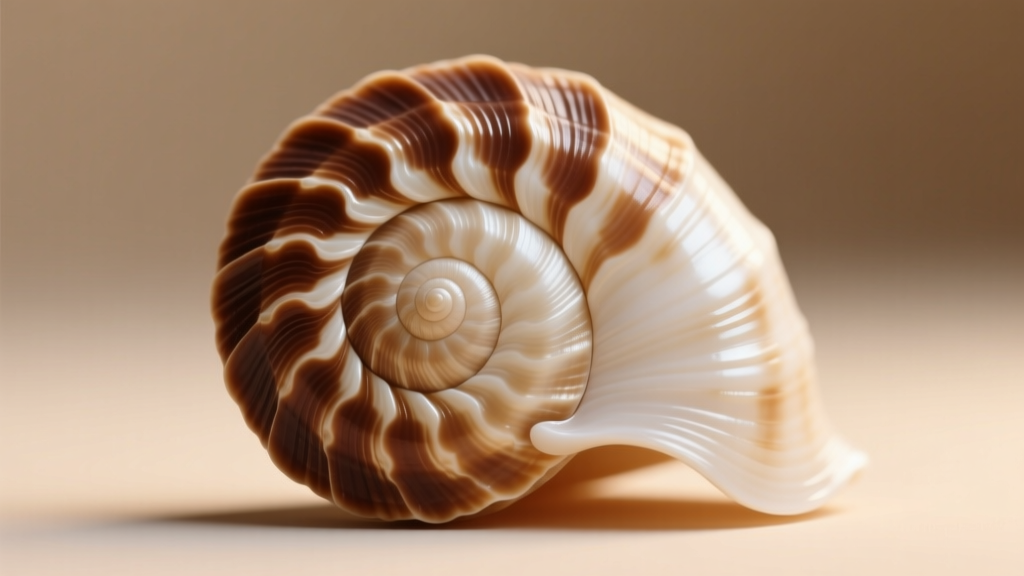
The Shiva Eye is the 'trapdoor' of a marine snail, prized for its mesmerizing spiral pattern of brown and white calcified layers. With a Mohs hardness of only 3.5 to 4.0, it is softer than a copper coin and highly reactive to acidic environments.
Step-by-Step Shell Cleaning Protocol
- Dust Removal: Use a clean, dry makeup brush to gently sweep away surface dust. Never use a stiff-bristled toothbrush, as it will leave micro-scratches on the polished dome.
- Washing: Mix two drops of pH-neutral liquid castile soap into a bowl of lukewarm (not hot) distilled water. Dip a soft microfiber cloth into the solution, wring it out until it is barely damp, and gently wipe the surface of the shell.
- Drying: Immediately pat the shell dry with a lint-free towel. Leaving moisture on the surface can lead to calcium degradation over time.
Expert Warning: Never place a Shiva Eye necklace in an ultrasonic cleaner. The high-frequency cavitation bubbles will pit the surface of the operculum and can cause the layered spiral structure to delaminate and flake.
Conditioning and Maintaining Rudraksha Beads
Rudraksha beads are organic seeds characterized by their deep, vertical grooves known as 'mukhis'. These crevices easily trap dead skin cells, sebum, and environmental dust. The most common mistake owners make is soaking Rudraksha necklaces in water to loosen dirt. Because the seed is highly porous, it will absorb the water, swell, and inevitably crack as it dries. Furthermore, trapped moisture inside the deep grooves creates an ideal breeding ground for black mold.
The Dry-Brush and Oil Method
To properly clean and maintain Rudraksha beads, you must use a dry mechanical extraction method followed by botanical conditioning.
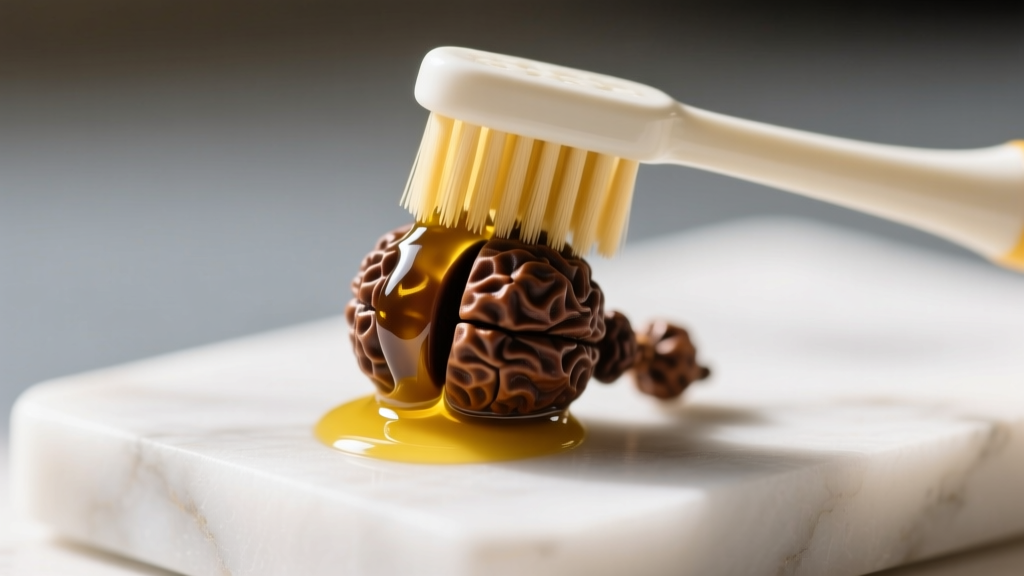
- Dry Scrubbing: Take a soft-bristled baby toothbrush and gently agitate the bristles inside the deep mukhi grooves. This will dislodge compacted debris without introducing moisture.
- Compressed Air: Use a manual jewelry dust blower to blast out the loosened particles from the bottom of the crevices.
- Conditioning: Once a month, apply a single drop of cold-pressed mustard oil or pure sandalwood oil to a cotton swab. Rub the oil into the surface of the bead. This prevents the botanical cellulose from drying out and becoming brittle, while enhancing the bead's natural mahogany patina.
- Wiping: After 15 minutes, wipe away any excess oil with a dry cotton cloth to prevent the necklace from feeling greasy against the skin.
Polishing Metallic Shiva Pendants Without Stripping Patina
Modern 2026 silversmithing techniques for Hindu deity pendants often utilize intentional oxidation. Jewelers apply liver of sulfur to the silver, turning the recessed areas black to create high contrast against the polished, raised details of the Om symbol or the facial features of Lord Shiva. If you use a liquid silver dip or a harsh polishing paste, you will strip this intentional patina, leaving the pendant looking flat and washed out.
Targeted Polishing for Oxidized Silver
To clean the silver components of your Shiva necklace safely, you must practice targeted polishing. According to metallurgical guidelines from Rio Grande Jewelry Care, maintaining contrast in oxidized silver requires avoiding the recessed areas entirely.
- Use a treated silver polishing cloth (impregnated with micro-abrasives and anti-tarnish agents) to gently rub only the raised, high-friction areas of the pendant.
- For intricate filigree work where the cloth cannot reach, dip a wooden cotton swab into a mild paste of baking soda and water. Carefully trace the raised lines, avoiding the darkened background.
- Rinse the swabbed areas with a barely damp cloth and dry immediately.
Storage and Environmental Hazards
How you store your Shiva necklace when it is not being worn is just as critical as how you clean it. Mixed-material necklaces require a balanced micro-climate to prevent the metal from tarnishing and the organic elements from degrading.
Optimal Storage Conditions
- Humidity Control: Store the necklace in a room with a relative humidity (RH) between 40% and 50%. High humidity accelerates silver sulfide formation (tarnish) and promotes mold on Rudraksha seeds, while extremely low humidity will cause the seeds to crack.
- Anti-Tarnish Strips: Place a 3M anti-tarnish tab inside the storage box. These tabs absorb airborne sulfur compounds before they can react with the sterling silver pendant.
- UV Protection: Prolonged exposure to direct ultraviolet sunlight can bleach the natural brown pigments of the Shiva Eye shell and fade dyed Rudraksha beads. Always store the piece in a lined, opaque jewelry box or a dark cotton pouch.
- Physical Separation: Because the Shiva Eye shell is relatively soft (Mohs 3.5), storing the necklace loosely in a drawer where it can rub against harder gemstones like quartz or diamonds will result in severe surface scratching. Always hang the necklace or lay it flat in a dedicated compartment.
Summary: Your Annual Maintenance Schedule
To ensure your Shiva necklace remains a pristine conduit for both style and spiritual focus, adhere to this simple maintenance cadence:
- After Every Wear: Wipe the metal pendant and Shiva Eye shell with a dry microfiber cloth to remove acidic skin oils and sweat.
- Monthly: Dry-brush the Rudraksha crevices and apply a micro-dose of mustard oil to the seeds.
- Bi-Annually: Perform a targeted polish on the raised areas of the silver pendant using a treated jeweler's cloth.
- Annually: Inspect the silk or cotton threading of the necklace. Organic threads degrade over time due to friction and skin oils; have the necklace professionally re-strung every 12 to 18 months to prevent catastrophic breakage.


