Ultimate Care Guide for Your Solid Gold Jesus Necklace
Learn expert cleaning and maintenance tips to restore the shine of your solid gold Jesus necklace and protect intricate detailing from tarnish.

The Unique Vulnerabilities of Religious Pendants
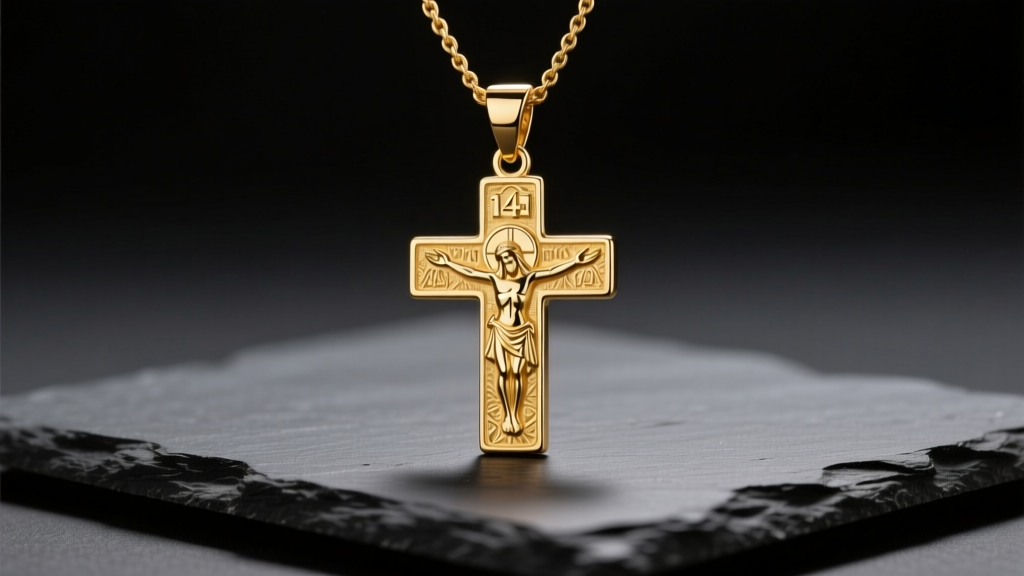
A gold Jesus necklace is far more than a simple accessory; it is a deeply personal emblem of faith, heritage, and devotion. However, from a metallurgical and gemological perspective, religious pendants present unique maintenance challenges. Unlike a simple gold cable chain or a smooth, low-profile bezel pendant, a figurative gold Jesus necklace features extreme high-relief detailing. The intricate folds of draped clothing, the delicate thorns of the crown, the textured strands of the beard, and the micro-crevices around the facial features create hundreds of tiny traps for environmental debris.
Sebum (skin oils), dead epidermal cells, cosmetic lotions, and airborne dust quickly accumulate in these recessed areas. Over time, this organic buildup oxidizes and hardens, creating a dull, grayish film that obscures the artisan's original metalwork. Furthermore, because these pendants rest directly against the sternum—an area prone to perspiration—the salts and acids from your body chemistry constantly interact with the alloy metals mixed into your gold. Understanding how to properly clean and maintain your gold Jesus necklace requires a methodical approach tailored to high-relief jewelry.
Understanding Your Gold Alloy: Karat Matters
Before applying any cleaning solution, you must identify the karat weight of your necklace. Pure gold (24k) is completely immune to tarnish, but it is far too soft to hold the intricate details of a figurative pendant. Therefore, jewelers alloy gold with metals like copper, silver, zinc, and nickel to increase durability. It is these secondary metals that react to oxygen, sulfur, and chlorine, causing tarnish and discoloration.
| Karat Weight | Pure Gold Content | Common Alloy Metals | Tarnish Risk | Recommended Cleaning Frequency |
|---|---|---|---|---|
| 10k Gold | 41.7% | Copper, Nickel, Zinc | High (Prone to dark oxidation) | Weekly |
| 14k Gold | 58.3% | Copper, Silver | Moderate | Bi-Weekly |
| 18k Gold | 75.0% | Copper, Silver | Low | Monthly |
| 22k Gold | 91.6% | Silver, Copper | Very Low | Quarterly |
If your pendant is 10k or 14k, you will notice a much faster buildup of dark oxidation in the deep crevices of the sacred heart or the cross grains. Conversely, an 18k gold Jesus necklace will maintain its luster longer but requires a gentler touch, as the higher gold content makes the protruding high-relief elements (like the hands or the halo) more susceptible to micro-scratches and physical deformation.
The Professional Deep-Cleaning Protocol
To safely remove trapped grime without damaging the metal or any potential gemstone accents (such as ruby eyes or diamond-set halos), follow this four-phase professional cleaning protocol.
Phase 1: The Distilled Surfactant Soak
Never use tap water to soak fine jewelry. Municipal tap water contains trace amounts of chlorine and calcium, which can leave hard water spots or trigger mild chemical reactions with lower-karat gold alloys. Instead, fill a small glass bowl with warm distilled water. Add three to four drops of a phosphate-free, mild dish surfactant (such as original Dawn dish soap). Phosphate-free is critical, as phosphates can leave a cloudy, irreversible film on polished gold surfaces. Submerge your gold Jesus necklace and let it soak for exactly 15 to 20 minutes. This allows the surfactant to break down the molecular bonds of trapped sebum and lotions.
Phase 2: Micro-Crevice Agitation
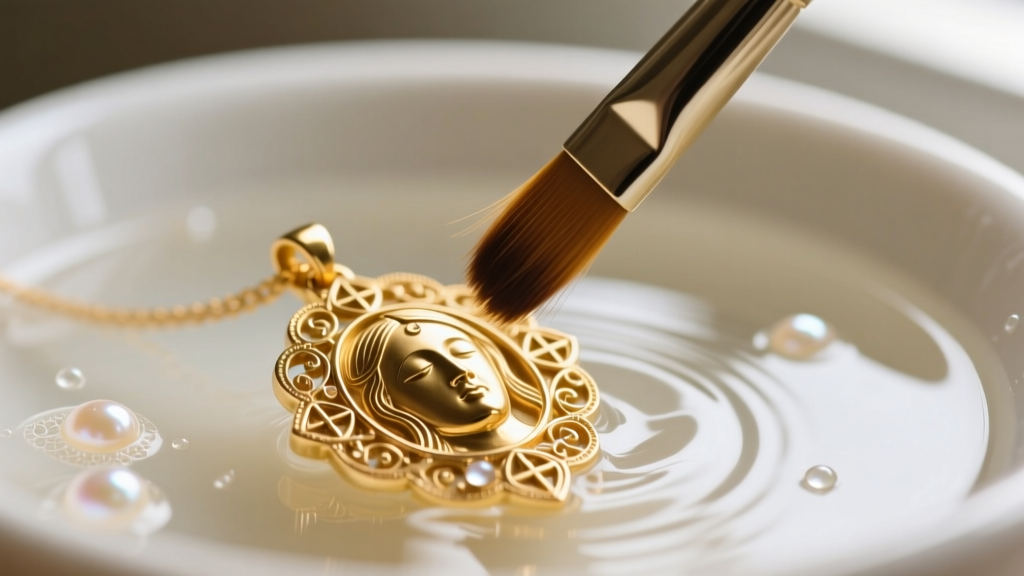
This is the most critical step for a figurative pendant. Standard jewelry brushes are often too stiff and can leave micro-scratches on high-polish gold surfaces. You must use an ultra-soft baby toothbrush or a specialized jewelry brush with 0.1mm nylon bristles. Gently agitate the bristles in a circular motion over the facial contours, the beard, and the crown of thorns. Do not apply heavy downward pressure; let the bristles do the work of lifting the debris from the recessed areas. If your pendant features a sandblasted or matte background, brush lightly in one direction to avoid altering the textured finish.
Phase 3: The Precision Rinse
Rinse the pendant thoroughly under a gentle stream of lukewarm distilled water. Ensure the drain is securely plugged or use a mesh strainer over the sink basin—losing a heavy solid gold pendant down the drain is a common and devastating mistake. Inspect the deepest crevices under a bright LED light to ensure no soapy residue remains, as dried soap will mimic the look of tarnish.
Phase 4: Drying and Final Buffing
Never use paper towels, tissues, or cotton balls to dry your gold necklace. Wood fibers in paper products are surprisingly abrasive and will inflict microscopic scratches on 14k and 18k gold, dulling the mirror finish over time. Instead, shake off excess water and pat the piece dry with a clean, lint-free microfiber cloth. Use a wooden toothpick wrapped in a microfiber cloth to gently absorb moisture trapped in the deepest engravings.
Chemical Threats: The Invisible Enemies
While organic grime dulls the surface of your gold Jesus necklace, chemical exposure can cause catastrophic, irreversible structural damage. The absolute greatest threat to gold alloys is chlorine. According to the Gemological Institute of America (GIA), chlorine reacts aggressively with the copper and zinc alloys in 10k and 14k gold, causing a phenomenon known as stress corrosion cracking.
If you wear your necklace in a chlorinated swimming pool or a hot tub, the chlorine penetrates the microscopic pores of the alloy. Over time, this weakens the crystalline structure of the metal, leading to sudden, spontaneous snapping of the chain links or the brittle fracturing of the pendant's bail (the loop that connects the pendant to the chain). Always remove your gold religious jewelry before swimming, using household bleach, or applying harsh chemical cleaning agents.
Polishing Matte and High-Relief Finishes
Many premium gold Jesus pendants utilize a dual-finish technique: the background is sandblasted or matte-finished, while the figure of Christ and the cross are polished to a high mirror shine. This contrast creates visual depth. You must be exceptionally careful when polishing these pieces.
Avoid using treated abrasive polishing cloths (like Sunshine cloths) on the matte background areas. The embedded micro-abrasives will slowly sand away the matte texture, turning it into a scratched, semi-polished surface that ruins the artisan's intended contrast. For the high-polish areas, use only a clean, untreated 100% cotton flannel cloth to gently buff away fingerprints and restore the mirror shine. For deep scratches on the high-relief elements, do not attempt DIY buffing with rotary tools; take the piece to a master jeweler who can selectively polish the raised elements without touching the recessed matte background.
Proper Storage and Longevity
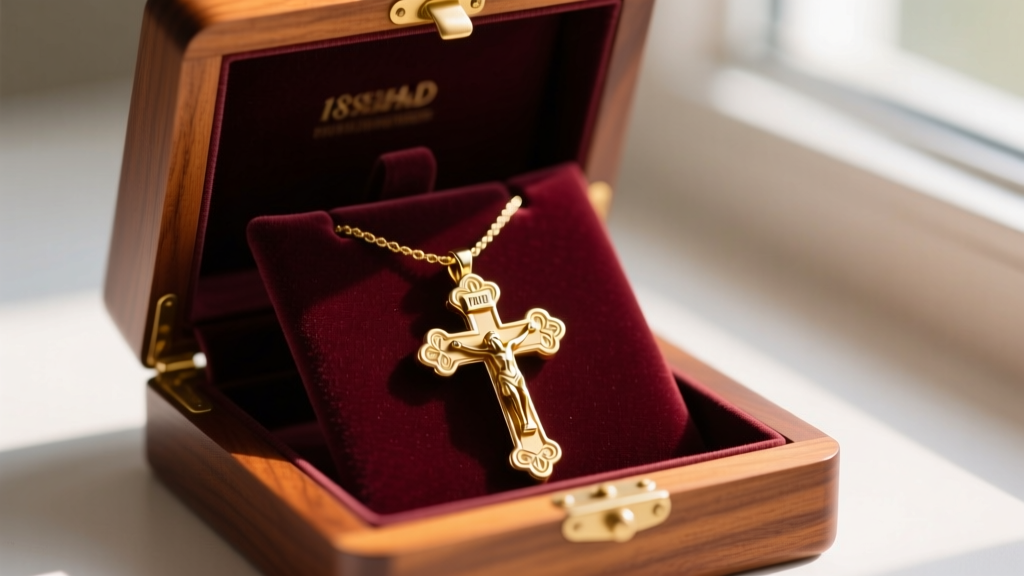
How you store your gold Jesus necklace when it is not being worn directly impacts how often it needs to be cleaned. Gold is a relatively soft metal, and tossing your necklace into a communal jewelry box with diamond rings, steel clasps, or other chains will result in severe tangling and surface scratching.
- Individual Containment: Store the necklace in its own soft flannel pouch or a dedicated compartment in a velvet-lined mahogany jewelry box.
- Anti-Tarnish Strips: If you own a 10k or 14k gold pendant, place a 3M anti-tarnish strip inside the storage pouch. These strips absorb ambient sulfur and hydrogen sulfide gases from the air, preventing the copper alloys from oxidizing.
- Chain Suspension: To prevent the chain from knotting around the pendant bail, hang the necklace on a dedicated jewelry arbor or lay it completely flat and fully extended. Never store it in a crumpled pile.
- Climate Control: Avoid storing your jewelry in high-humidity environments like bathroom vanities. The combination of heat, moisture, and aerosolized cosmetics accelerates alloy oxidation.
Expert Maintenance Schedule
Even with meticulous at-home care, your gold Jesus necklace requires professional attention. The Federal Trade Commission (FTC) Jewelry Guides emphasize the importance of maintaining the structural integrity of fine jewelry to ensure it meets the standards of its karat marking. Once every 12 to 18 months, take your necklace to a certified bench jeweler. They will utilize an ultrasonic cleaner (if no fragile gemstones are present) to blast microscopic debris from the deepest undercuts of the casting. More importantly, they will inspect the bail and the chain links for stress fractures, ensuring your cherished symbol of faith remains secure and brilliant for generations to come.


