How to Clean Stainless Steel Necklace: The Expert Step-by-Step Guide
Learn exactly how to clean a stainless steel necklace, from basic 316L surgical steel maintenance to safe methods for PVD-coated pieces.

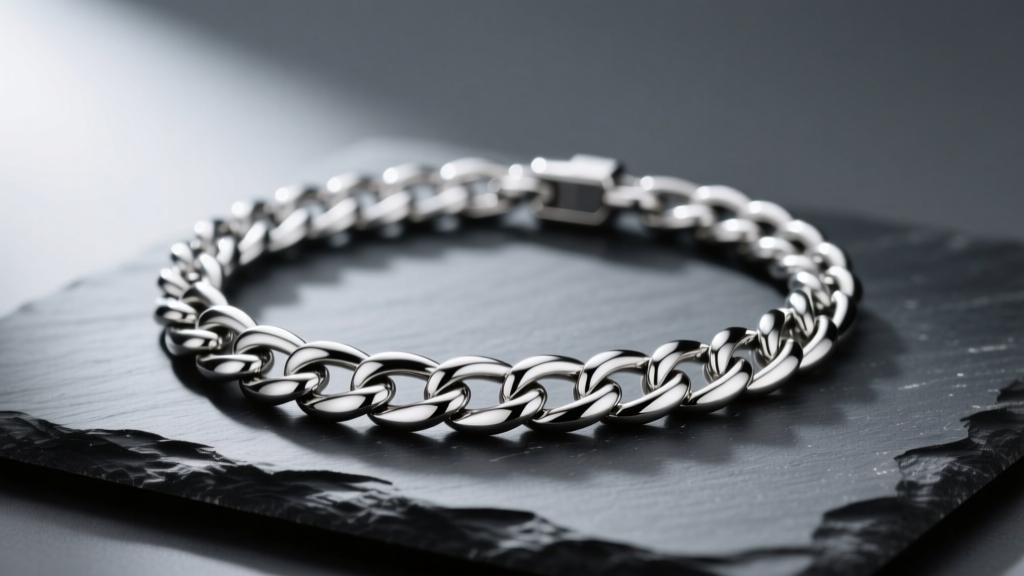
The Metallurgy of Your Necklace: 316L vs. 304 vs. PVD
Before you mix any cleaning solutions, you must identify the exact grade of your stainless steel jewelry. Not all steel is created equal, and using the wrong method can permanently compromise the metal's passivation layer. According to metallurgical standards outlined by the Gemological Institute of America (GIA), jewelry typically falls into three categories:
- 304 Stainless Steel (18/8): Contains 18% chromium and 8% nickel. It is highly affordable but susceptible to pitting and rust when exposed to chlorides (like sweat or swimming pool water).
- 316L Surgical Steel (18/10): The gold standard for premium body and neck jewelry. The addition of 2-3% molybdenum drastically increases resistance to corrosion and acidic environments. It is hypoallergenic and highly durable.
- PVD-Coated Steel: Physical Vapor Deposition (PVD) bonds a microscopic layer of titanium nitride or zirconium to the steel in a vacuum chamber. Unlike cheap electroplating, PVD is incredibly hard (up to 4x harder than chrome), but it requires specialized, non-abrasive cleaning to prevent micro-scratches that dull the finish.
Everyday Maintenance: The 60-Second Wipe Down
Stainless steel does not tarnish in the traditional sense like sterling silver, but it does accumulate sebum, dead skin cells, and cosmetic residues that dull its reflectivity. For daily upkeep, avoid using tissue paper or paper towels, as the wood pulp fibers can leave microscopic scratches on high-polish finishes.
Instead, use a microfiber cloth with a minimum GSM (grams per square meter) of 250. Gently wipe the chain and pendant after every wear. This removes acidic sweat before it can degrade the chromium oxide layer on lower-grade 304 steel.
Deep Cleaning Protocol for Uncoated 316L Surgical Steel
If your necklace has visible buildup in the crevices of a Cuban link or rope chain, a simple wipe won't suffice. Follow this precise deep-cleaning protocol to restore the factory luster without damaging the metal.
Step 1: The Warm Surfactant Bath
Fill a glass or ceramic bowl (avoid metal bowls to prevent galvanic reactions) with 250ml of warm distilled water. Tap water contains calcium and magnesium, which can leave hard water spots on the steel. Add exactly 3 to 4 drops of a pH-neutral liquid dish soap (such as Dawn Ultra, which sits at a safe pH of 8.7). Swirl gently to create a mild lather.
Step 2: Soft-Bristle Agitation
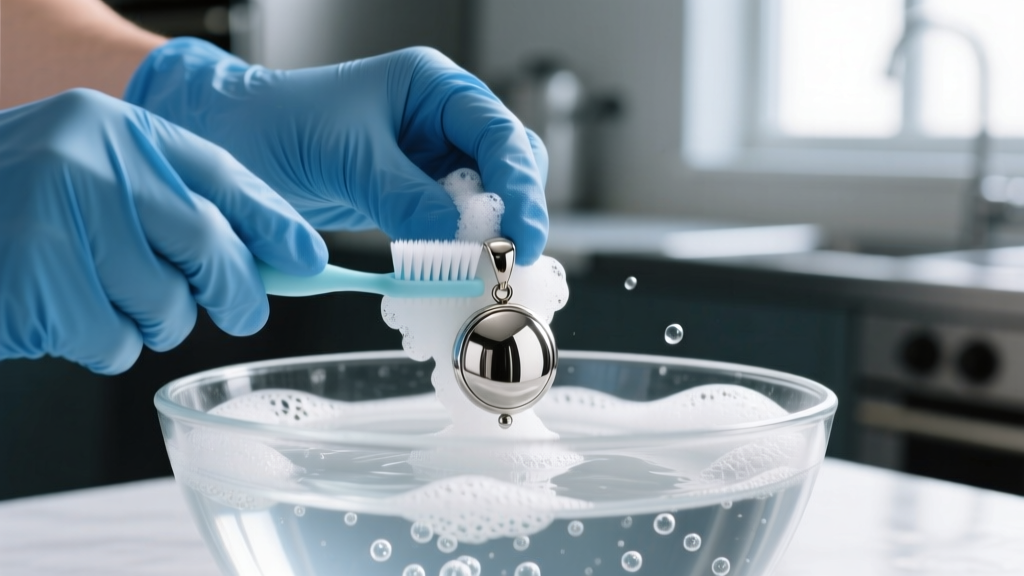
Submerge the necklace for 3 to 5 minutes to loosen lipid-based buildup. Next, take an extra-soft baby toothbrush (nylon bristles, never boar hair or hard plastics). Dip the brush into the solution and gently agitate the chain links, focusing on the interior curves and the clasp mechanism. Apply zero downward pressure; let the bristles and the surfactant do the work.
Step 3: The Distilled Water Rinse and Dry
Rinse the necklace thoroughly under a gentle stream of distilled water. Immediately pat it dry with a clean, lint-free microfiber cloth. Leaving the steel to air-dry, even in distilled water, can result in microscopic water spots that scatter light and reduce the necklace's brilliance.
Specialized Care: Cleaning PVD-Coated Stainless Steel
Black, rose gold, or 14k yellow gold PVD-coated necklaces require a fundamentally different approach. While the underlying steel is tough, the PVD coating can be compromised by harsh chemicals or ultrasonic vibrations.
Expert Warning: Never use baking soda pastes, toothpaste, or silver polishing cloths on PVD-coated jewelry. These contain mild abrasives (like calcium carbonate or silica) that will permanently cloud the PVD layer, turning a mirror-black finish into a dull, hazy gray.
For PVD pieces, stick strictly to the warm distilled water and pH-neutral soap method described above, but skip the toothbrush. Instead, use a 100% cotton swab to gently clean the crevices. Dry immediately and buff with a dedicated, clean microfiber cloth that has never been used on uncoated metals to avoid cross-contamination with abrasive dust.
Troubleshooting: Rust Spots, Tarnish, and Scratches
Even 316L steel can develop superficial issues if exposed to extreme environments. Use the table below to diagnose and treat specific problems.
| Issue | Root Cause | Solution | Required Tool |
|---|---|---|---|
| Orange Rust Spots | Chloride exposure (pool water) breaking down the passivation layer on 304 steel. | Create a paste of baking soda and distilled water. Apply to the spot for 10 mins, then gently rub with a cotton swab. Rinse thoroughly. | Baking soda, cotton swab |
| Cloudy/Hazy Finish | Hard water mineral deposits or soap scum accumulation. | Soak in a 50/50 mixture of distilled white vinegar and distilled water for exactly 2 minutes. Rinse and dry immediately. | White vinegar, glass bowl |
| Micro-Scratches | Friction against harder materials or improper storage. | Use a specialized jeweler's rouge (red iron oxide) on a felt polishing wheel. Note: Do not use on brushed or matte finishes. | Jeweler's rouge, Dremel tool |
| Sticky Clasp | Sebum and lint jamming the lobster claw spring mechanism. | Apply a single drop of mineral oil to the clasp hinge. Work the lever back and forth. Wipe away excess oil with a cotton swab. | Mineral oil, toothpick |
Advanced Methods: Ultrasonic Cleaners and Steamers
For heavily soiled, uncoated 316L chains with intricate links (like Figaro or Byzantine weaves), an ultrasonic jewelry cleaner is highly effective. However, frequency matters. According to guidelines from Blue Nile's jewelry care experts, you must select the correct hertz to avoid structural damage.
- Optimal Frequency: 40 kHz to 45 kHz. This creates cavitation bubbles small enough to clean microscopic crevices without stressing the metal.
- Frequencies to Avoid: 20 kHz to 25 kHz. These lower frequencies create larger, more violent bubbles that can bend delicate jump rings or loosen laser-welded clasps.
- Steamers: High-pressure steam is excellent for blasting debris out of settings, but it should only be used on solid steel pieces. Never steam PVD-coated or oxidized steel, as the thermal shock and pressure can cause delamination.
What to Avoid: The Chemical Blacklist
Stainless steel is remarkably resilient, but it is not impervious to chemical attacks. Keep your necklaces far away from the following substances:
- Bleach (Sodium Hypochlorite): Chlorine aggressively attacks the molybdenum in 316L steel, causing rapid, irreversible pitting and structural weakening.
- Silver Dip Solutions: These contain thiourea and strong acids designed to strip silver sulfide. They will permanently etch and dull the surface of stainless steel.
- Ammonia-based Cleaners: While safe for diamonds and gold, ammonia can degrade the protective chromium oxide layer on lower-grade stainless alloys over time.
- Ultraviolet (UV) Ozone Cleaners: Often used for sanitizing, prolonged UV exposure can alter the surface tension of certain PVD coatings, leading to premature flaking.
Storage Protocols to Prevent Future Buildup
How you store your stainless steel necklaces is just as critical as how you clean them. While steel doesn't oxidize like silver, the environment can still cause mechanical damage and chemical degradation.
Store each necklace individually in a polyethylene (PE) ziplock bag. Avoid polyvinyl chloride (PVC) bags, as PVC off-gasses plasticizers and acidic vapors that can slowly degrade the metal's surface. For added protection, drop a small activated carbon anti-tarnish strip into the bag. This will absorb any ambient sulfur or moisture, ensuring your 316L or PVD-coated necklace remains in pristine, ready-to-wear condition for years to come.


