Ultimate Care Guide for Your Sterling Silver Monster Tab Necklace
Learn how to clean, polish, and maintain your heavy sterling silver monster tab necklace. Expert tips to prevent tarnish and protect clasps.

The Anatomy of the Monster Tab Mechanism
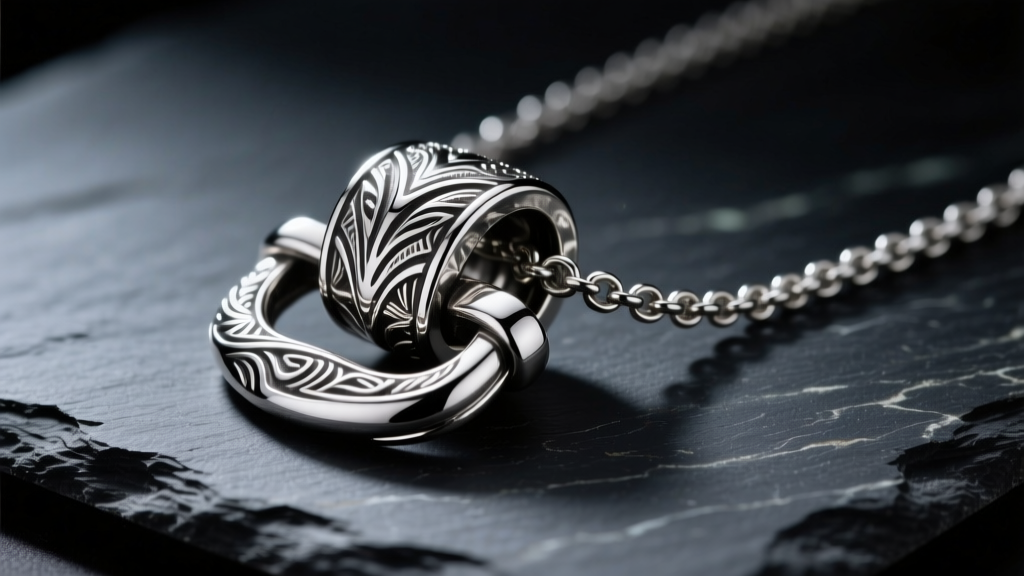
The monster tab necklace has become a defining staple in heavy streetwear and gothic jewelry circles. Unlike standard lobster or spring-ring clasps, a monster tab is an oversized, interlocking mechanical clasp that often doubles as the central pendant or focal point of the chain. Typically cast in .925 sterling silver or solid brass, these pieces feature complex internal geometries, including micro-springs, tension hinges, and deep undercuts designed to create a satisfying, secure 'click.' However, this intricate architecture is precisely what makes them highly susceptible to environmental degradation. As of 2026, the trend of wearing heavy, 150-gram to 300-gram chains daily means these mechanical components are constantly exposed to sebum, dead skin cells, and atmospheric sulfur, which can quickly lead to mechanical jamming and severe localized tarnish.
Why Standard Cleaning Methods Ruin Mechanical Clasps
When owners attempt to clean their heavy silver chains, they often default to methods that are catastrophic for mechanical components. According to the Jewelers of America, while ultrasonic cleaners are excellent for solid cast rings, the high-frequency vibrations (typically 40kHz) can easily dislodge the tiny steel or brass retaining pins inside a monster tab hinge. Furthermore, commercial silver dips contain harsh thiourea-based chemicals that strip away intentional oxidation (patina) in the crevices of the monster face or tab grooves, leaving the piece looking flat and unnaturally white. If the dip pools inside the unsealed hinge mechanism, it will crystallize as it dries, effectively gluing the tab shut.
Cleaning Agents: What Works and What Destroys
Choosing the right chemical agent is critical when dealing with mixed-metal internal components. The outer shell may be .925 silver, but the internal spring is almost always stainless steel or brass. Using the wrong solvent can cause galvanic corrosion where the two metals meet.
| Cleaning Method | Chemical Base | Effect on Silver Shell | Effect on Tab Mechanism | Verdict |
|---|---|---|---|---|
| Commercial Silver Dip | Thiourea / Acid | Strips all patina, leaves flat white finish | Crystallizes in hinge, causes jamming | Avoid Completely |
| Ultrasonic Cleaner | Water / Surfactant | Excellent, removes deep grime | Vibrations shear internal retaining pins | Avoid Completely |
| Baking Soda & Aluminum | Alkaline / Ion Transfer | Removes tarnish, can cause pitting | Alkaline residue corrodes brass springs | Use with Extreme Caution |
| Mild Dish Surfactant | Neutral pH Detergent | Lifts oils and sebum safely | Flushes debris without damaging springs | Highly Recommended |
The 5-Step Deep Cleaning Protocol
To properly maintain your monster tab necklace without compromising its structural integrity, follow this professional bench protocol. This method focuses on manual agitation and targeted surfactant action, as recommended by guidelines from The Silver Institute for intricate silverware.
Step 1: Dry Agitation and Debris Removal
Before introducing any moisture, use a can of compressed air (held at a 45-degree angle) to blow out loose dust, lint, and dead skin from the interlocking grooves of the tab. Moisture turns this debris into a cement-like paste that is incredibly difficult to remove once wet. Pay special attention to the seam where the male tab slides into the female box receiver.
Step 2: The Surfactant Bath
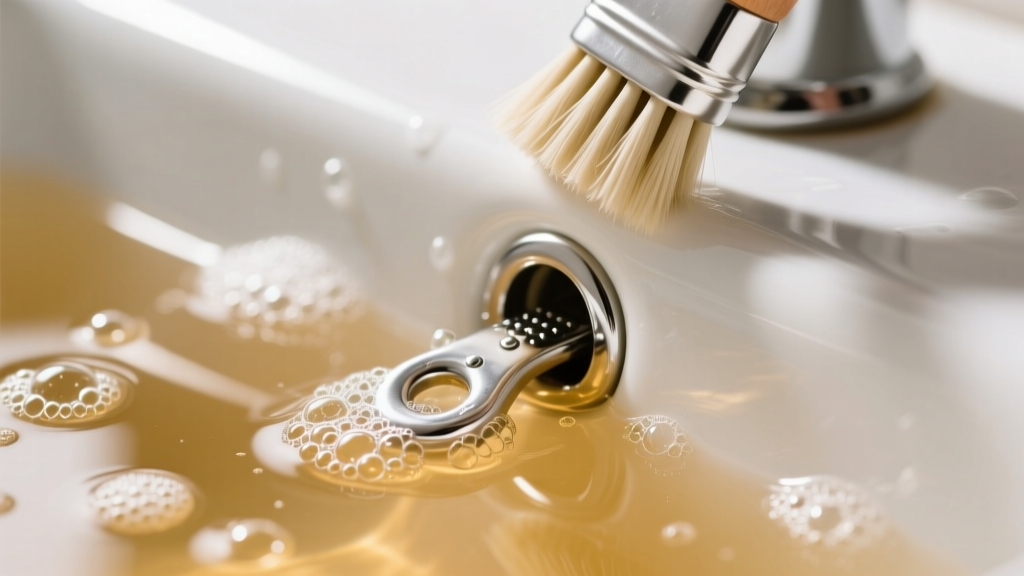
Fill a glass bowl with distilled water heated to exactly 95°F (35°C). Add three drops of a neutral pH, phosphate-free dish soap (such as original blue Dawn). Submerge the necklace and let it soak for no more than 10 minutes. The warm water softens hardened sebum, while the surfactant breaks down the lipid bonds without attacking the silver or the internal steel springs.
Step 3: Targeted Bristle Work
Remove the chain from the bath. Using a brand-new, ultra-soft baby toothbrush, gently agitate the bristles into the crevices of the monster tab design. Do not scrub aggressively; let the bristles do the work. Depress the tab mechanism repeatedly while brushing to ensure the soapy water penetrates the hinge and flushes out microscopic grit.
Step 4: The Distilled Rinse
Rinse the necklace thoroughly under a gentle stream of lukewarm distilled water. Never use tap water, as the chlorine and dissolved minerals will leave microscopic water spots on the high-polish areas of the silver and can accelerate tarnishing inside the mechanism.
Step 5: Thermal Drying
Shake off excess water and immediately use a hair dryer on the 'cool' setting to blow air directly into the tab mechanism. Ensuring the internal spring is 100% dry is critical; even a single drop of trapped water will cause the internal steel components to flash-rust, leading to a stiff, squeaky clasp.
Lubricating and Protecting the Tab Mechanism
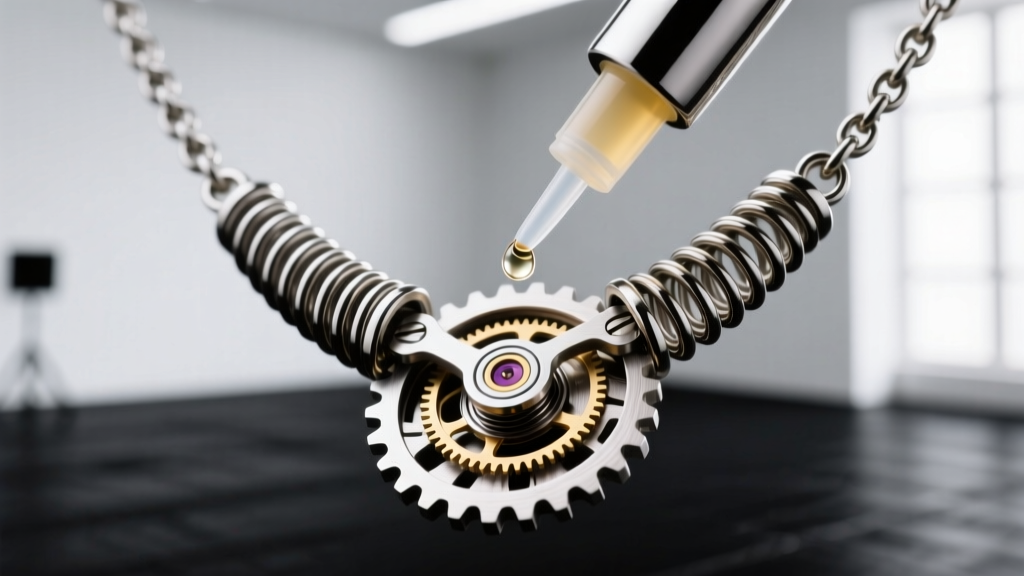
Cleaning removes the grime, but it also strips away the factory lubricants. A dry monster tab will feel gritty and eventually wear down the silver friction points. You must re-lubricate the hinge. Never use standard WD-40 or wet oils; these attract dust and turn into an abrasive sludge. Instead, use a jewelry-grade dry PTFE (Teflon) lubricant. Apply a microscopic drop to a cotton swab and coat the visible hinge pin. Depress the clasp five or six times to work the PTFE into the joint. The dry lubricant will evaporate its carrier solvent, leaving behind a microscopic, frictionless film that repels dust and prevents metal-on-metal galling.
Long-Term Storage and Anti-Tarnish Strategies
Sterling silver tarnishes when the copper alloy (7.5% of .925 silver) reacts with hydrogen sulfide in the atmosphere. Because a monster tab necklace is heavy and often features deep, hard-to-reach undercuts, preventing tarnish is far easier than removing it. Store the piece in a sealed, airtight polyethylene bag alongside a packet of activated charcoal or silica gel to control humidity. For ultimate protection, wrap the chain in a Pacific Silvercloth before bagging it. This specialized flannel is embedded with microscopic silver particles that act as a sacrificial anode, intercepting sulfur gases before they can reach your necklace.
Troubleshooting Common Monster Tab Failures
Even with meticulous care, heavy mechanical jewelry experiences wear. Here is how to diagnose and address common issues:
- The Tab Feels 'Mushy' or Won't Click: This indicates the internal micro-spring has lost its tension or is clogged with hardened sebum. Perform the 5-step cleaning protocol. If the click does not return, the spring has suffered metal fatigue and must be replaced by a professional bench jeweler.
- Black Gunk Oozing from the Hinge: This is a mixture of oxidized silver dust, skin oils, and environmental dirt. It is harmless but unsightly. Use a wooden toothpick (never metal, which will scratch the silver) to gently pick the sludge out of the seam, followed by a compressed air blast.
- Scratches on the High-Polish Tab Face: The interlocking faces of the tab naturally rub against each other, causing micro-scratches. To restore the mirror finish, use a treated jeweler's rouge cloth, rubbing in a single direction. Avoid polishing the recessed, oxidized areas, as this will ruin the contrast that gives the monster design its depth.
By understanding the metallurgical and mechanical realities of your jewelry, you can ensure your heavy chain remains a functional, striking centerpiece for decades. For further reading on precious metal standards and care, refer to the FTC Jewelry Guides to ensure your piece meets the legal definitions of sterling silver.


