How to Clean and Style a Silver Fish Necklace Step-by-Step
Learn how to clean, polish, and style a silver fish necklace. Follow our step-by-step guide to maintain sterling silver and elevate your look.

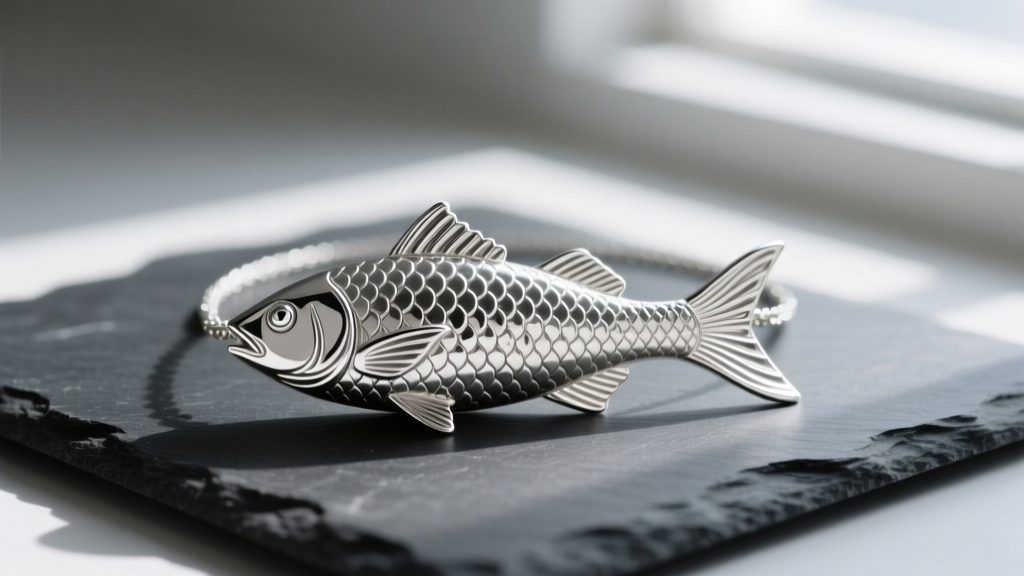
The Enduring Appeal of the Silver Fish Motif
The fish motif has been a staple in jewelry design for centuries, symbolizing everything from perseverance and good fortune (in the case of the koi) to a deep connection with nature and fluidity. When rendered in silver, the metal's natural reflectivity perfectly mimics the shimmering scales of aquatic life. However, owning a beautiful piece is only half the equation. To keep your jewelry looking pristine and to integrate it seamlessly into your wardrobe, you need a meticulous approach to maintenance and styling. This comprehensive, step-by-step guide will walk you through the exact metallurgical care, chain pairing, and styling techniques required to master your silver fish necklace.
Step 1: Identify Your Silver Grade and Hallmarks
Before applying any cleaning solutions or polishing cloths, you must determine the exact metallurgical composition of your necklace. According to the Gemological Institute of America (GIA), pure silver is too soft for everyday jewelry, which is why it is almost always alloyed with other metals. Misidentifying your silver type can lead to irreversible damage, especially on delicate pieces with intricate scale engravings.
| Silver Type | Purity Mark | Tarnish Rate | Best Application |
|---|---|---|---|
| Fine Silver | .999 | Very Low | Delicate, low-impact pendants with minimal structural stress. |
| Sterling Silver | .925 | Moderate | Everyday chains and highly detailed fish scale textures. |
| Silver Plated | EPNS / None | High (Wears off) | Costume jewelry; requires gentle wiping, never chemical baths. |
| Oxidized Silver | .925 (Treated) | N/A (Intentional) | Antiqued fish pendants where dark crevices highlight the scales. |
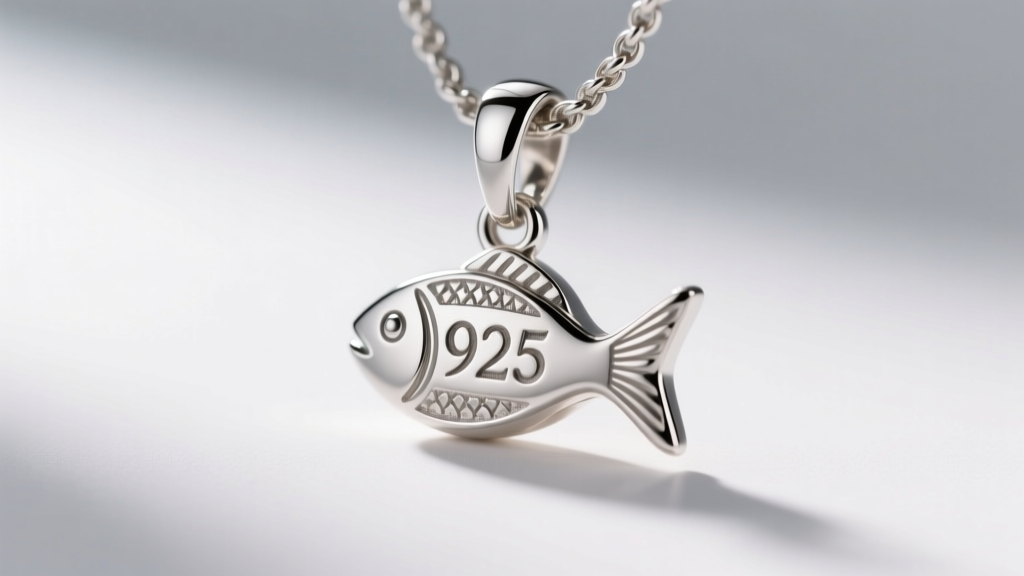
Use a jeweler's loupe (10x magnification) to inspect the jump ring or the back of the fish pendant. As noted by The Assay Office, a legitimate sterling silver piece will bear a '925' stamp. If your fish necklace features deliberate blackening in the recesses of the scales, it is oxidized silver. Warning: Do not use chemical dip cleaners or the baking soda bath outlined in Step 2 on oxidized silver, as this will strip the intentional patina and leave your fish pendant looking flat and lifeless.
Step 2: The Electrochemical Cleaning Method (For Sterling Silver)
If your silver fish necklace is standard sterling silver (non-oxidized) and has accumulated a yellowish or blackish sulfide tarnish, avoid abrasive pastes. Abrasive polishes will wear down the microscopic ridges of the fish scales over time, dulling the pendant's reflectivity. Instead, use an electrochemical reduction bath. This method reverses the tarnish process by transferring the sulfur from the silver to a base metal, leaving the intricate details perfectly intact.
The DIY Aluminum Foil Bath
- Line the bottom of a glass or ceramic bowl with aluminum foil, ensuring the shiny side faces up.
- Place your silver fish necklace on the foil. The silver must physically touch the aluminum for the ion transfer to occur.
- Sprinkle 1 tablespoon of baking soda and 1 teaspoon of non-iodized salt evenly over the jewelry.
- Carefully pour boiling water into the bowl until the necklace is fully submerged. You will immediately see bubbling and smell a faint sulfur (rotten egg) odor—this means the chemical reaction is working.
- Let the necklace soak for exactly 3 to 5 minutes. Do not exceed this time, as prolonged exposure to high heat and alkalinity can weaken delicate chain links.
- Remove the necklace using wooden or plastic tongs (never metal, which can scratch the silver).
- Rinse thoroughly under cool, distilled water to remove any alkaline residue, and pat dry with a lint-free microfiber cloth.
For heavily tarnished chains, you may need to repeat this process twice. If the chain features a brass or copper core (common in cheaper silver-plated items), the boiling water may cause the base metal to expand and crack the plating, which is why Step 1 is crucial.
Step 3: Selecting the Correct Chain Gauge and Bail
A fish pendant is typically horizontal or teardrop-shaped, ranging from 15mm to 35mm in width. The visual balance of your necklace depends entirely on the chain gauge and the bail (the loop connecting the pendant to the chain). A common mistake is pairing a heavy, wide fish pendant with a flimsy 0.5mm chain, which creates a top-heavy look and risks the chain snapping under the pendant's dynamic movement.
Chain Gauge Recommendations by Pendant Weight
- Lightweight Pendants (Under 5 grams): Opt for a 0.8mm to 1.0mm cable or box chain. These provide a delicate, barely-there aesthetic that lets the fish motif float on the collarbone.
- Medium Pendants (5 to 12 grams): A 1.2mm to 1.5mm rolo or Figaro chain offers the necessary tensile strength while complementing the organic, textured look of fish scales.
- Statement Pendants (Over 12 grams): Use a 2.0mm+ wheat (spiga) chain or a thick leather cord with a sterling silver end cap. Wheat chains are exceptionally durable due to their woven, multi-wire construction.
Always check the inner diameter of the pendant's bail. If you are using a 1.5mm rolo chain, the bail must have an inner clearance of at least 2.5mm to allow the chain to slide freely without catching on the jump ring. If the bail is too tight, the friction will eventually wear through the chain links.
Step 4: Styling and Layering by Neckline
The horizontal geometry of a fish pendant makes it uniquely suited for specific necklines. Unlike vertical drops or circular lockets, a fish necklace draws the eye laterally, which can beautifully accentuate the width of the collarbone or mimic the flow of a garment's drape.
The V-Neck and Scoop Neck Strategy
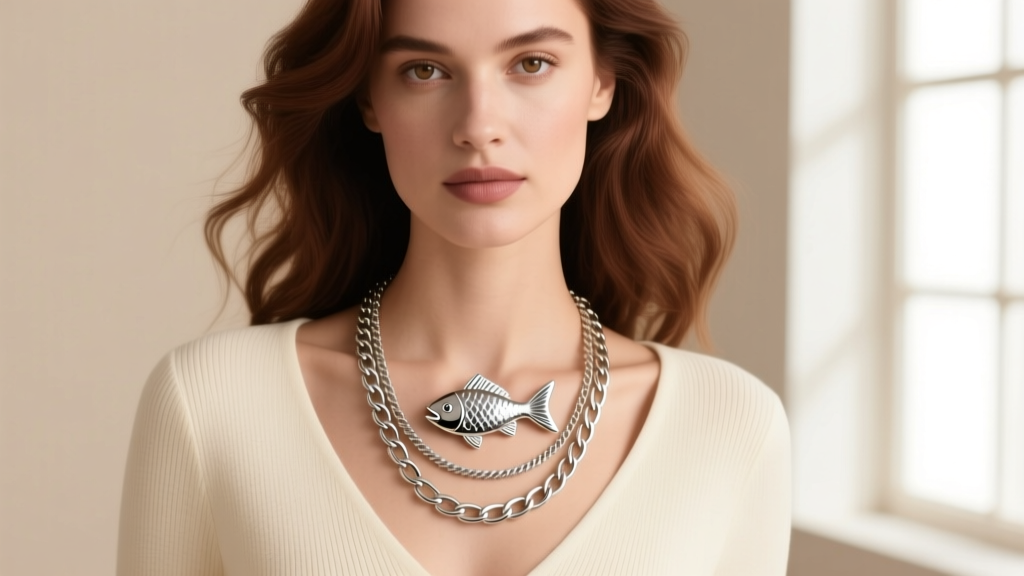
For V-neck blouses or wrap dresses, position the fish pendant so that the tail points toward the apex of the V. A 16-inch chain (choker length) will sit high on the neck, while an 18-inch chain (princess length) will allow the fish to rest exactly at the neckline's intersection. This creates a cohesive, intentional look rather than a cluttered one.
Advanced Layering Techniques
If you wish to layer your silver fish necklace, adhere to the 'Rule of Three' and maintain a minimum 2-inch length differential between chains to prevent the clasps from tangling.
- Base Layer (14-15 inches): A simple, high-polish 1.0mm silver snake chain or a delicate freshwater pearl strand. This frames the face without competing for attention.
- Focal Layer (16-18 inches): Your silver fish necklace. Ensure the pendant is the only distinct charm in this layer.
- Anchor Layer (20-22 inches): A thicker, textured chain (like a 2.5mm curb chain) or a strand of dark oxidized silver beads. This grounds the look and adds depth to the silver color palette.
When layering, always use a necklace detangler clasp at the nape of the neck. This single hardware upgrade will save you minutes of frustration and prevent the chains from twisting, which can cause micro-abrasions on the silver links.
Step 5: Archival Storage and Tarnish Prevention
Silver tarnishes when exposed to hydrogen sulfide in the air, a process accelerated by humidity, wool, rubber, and certain cosmetics. How you store your fish necklace when it is not being worn is just as important as how you clean it.
Never toss your necklace into a communal jewelry box where it can rub against harder gemstones (like diamonds or sapphires), which will easily scratch the .925 silver. Instead, store the necklace in an airtight, zip-lock polyethylene bag. Before sealing the bag, drop in a 3M anti-tarnish strip and a small silica gel desiccant packet. The anti-tarnish strip will absorb airborne sulfides, while the silica gel eliminates moisture. Keep the bag in a dark, climate-controlled drawer away from direct sunlight and bathroom humidity. By following this meticulous, five-step protocol, your silver fish necklace will retain its brilliant luster and structural integrity for decades, remaining a versatile and striking anchor in your jewelry collection.


