2026 Gift Guide: Choosing a Jade and Pearl Necklace
Discover the ultimate 2026 gift guide for a jade and pearl necklace. Learn about jade grades, pearl luster, pricing, and occasion matching.

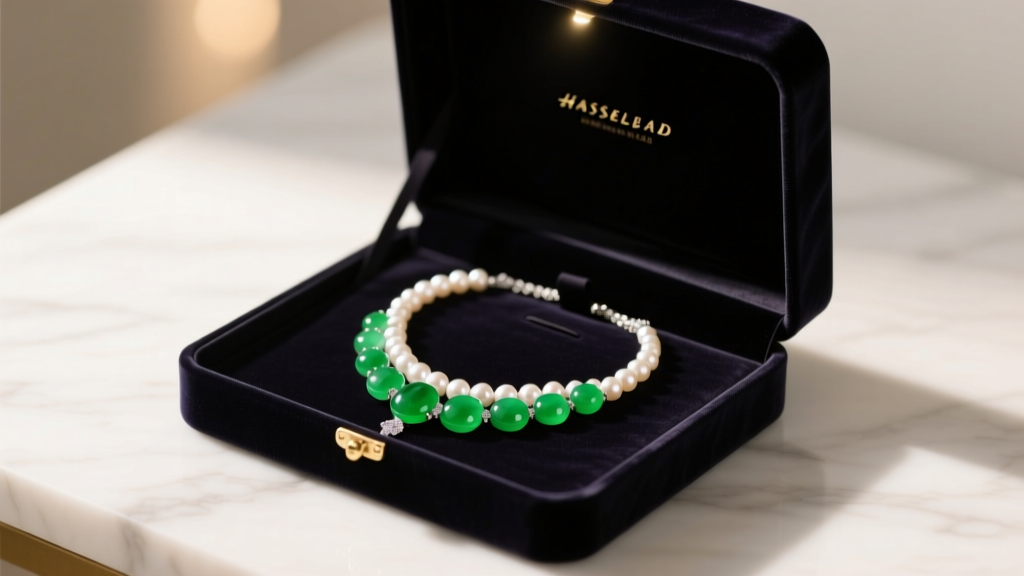
Finding a gift that balances timeless elegance with profound cultural meaning can be a daunting task. As we navigate the 2026 gifting season, one combination continues to captivate collectors and first-time buyers alike: the jade and pearl necklace. This pairing marries the deep, earthy vitality of jade with the ethereal, luminous grace of pearls. Whether you are shopping for a milestone anniversary, a graduation, or a significant cultural celebration, understanding the gemological nuances of these two organic and mineral treasures is critical to making a purchase that holds its value and beauty for generations.
The Enduring Allure of Jade and Pearl
Historically, jade has been revered in East Asian cultures as a symbol of protection, luck, and moral integrity, while pearls have been globally celebrated as emblems of purity, wisdom, and wealth. When combined into a single strand or a pendant design, a jade and pearl necklace bridges Eastern and Western jewelry traditions. In 2026, contemporary jewelers are moving beyond the traditional uniform strands, offering asymmetric designs, station necklaces, and mixed-metal clasps that appeal to modern aesthetics while retaining the classic weight and significance of the materials.
Decoding the Gemstones: What to Look For
To gift a necklace of genuine value, you must look past the surface and understand the grading systems that dictate price and longevity. The Gemological Institute of America (GIA) outlines strict criteria for both gemstones, and ignoring these can lead to purchasing overpriced, treated, or fragile items.
Jade: Nephrite vs. Jadeite and the "Type" System
When shopping, you will encounter two distinct minerals: Nephrite (often associated with Chinese Hetian "mutton fat" jade) and Jadeite (the highly prized Burmese variety). For fine jewelry, Jadeite is generally more valuable due to its translucency and vibrant color spectrum. More importantly, you must verify the treatment grade:
- Type A: 100% natural, untreated jadeite. This is the only grade you should consider for a premium gift. It retains its structural integrity and value.
- Type B: Acid-bleached to remove impurities and impregnated with polymer resin. Over time, the resin yellows and the jade becomes brittle.
- Type C: Dyed to enhance color. The dye fades when exposed to sunlight and heat.
Pearls: Luster, Nacre, and Origin
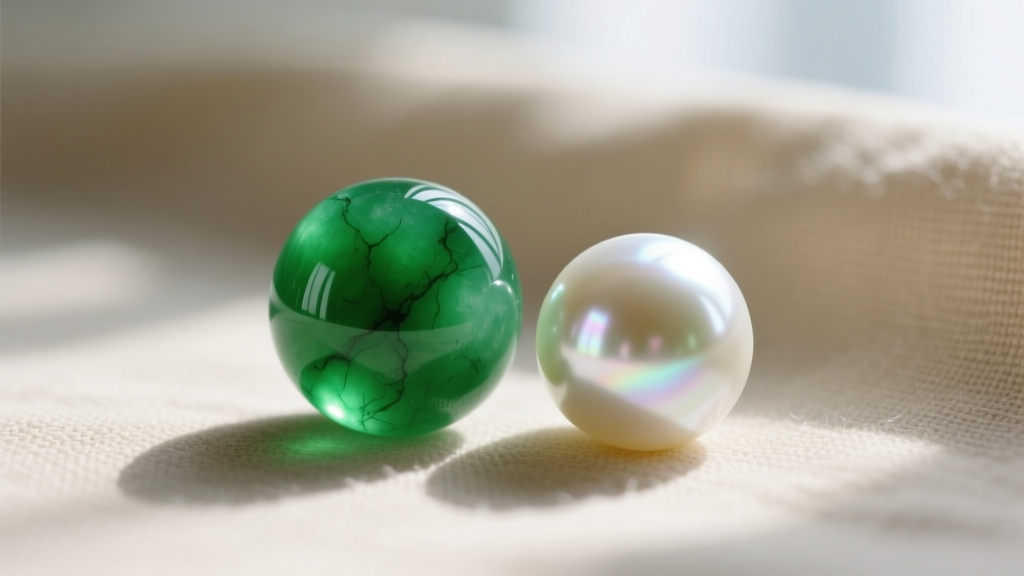
According to the GIA Pearl Guide, luster is the most critical factor in pearl valuation. A high-quality pearl will have sharp, mirror-like reflections on its surface. Nacre thickness is equally vital; for saltwater pearls like Akoya, ensure the nacre is at least 0.4mm thick to prevent peeling. Freshwater pearls offer a budget-friendly alternative with thick nacre but generally exhibit a softer, satiny luster compared to the glass-like shine of Akoya or the deep glow of South Sea pearls.
| Material | Top Tier (Investment Gift) | Mid Tier (Fine Gift) | Entry Tier (Fashion Gift) |
|---|---|---|---|
| Jade | Type A Imperial Green Jadeite | Type A Apple Green / Lavender Jadeite | Type A Nephrite or Treated Jadeite |
| Pearl | South Sea or Hanadama Akoya | AAA White Akoya or High-End Freshwater | Standard Commercial Freshwater |
Matching the Necklace to the Occasion
A jade and pearl necklace is highly versatile, but specific styles resonate better with different life events. Use this framework to match the design to the recipient's milestone.
1. Milestone Anniversaries (12th and 30th)
Jade is the traditional gift for the 12th anniversary, while pearl marks the 30th. A necklace combining both is an ingenious way to celebrate a couple's journey or to honor a spouse when bridging these milestones. Recommendation: Opt for a classic, knotted 18-inch princess strand featuring alternating 8mm round Type A jadeite beads and 8mm white Akoya pearls, finished with an 18k gold ball clasp.
2. Graduations and Career Milestones
For a younger recipient entering the professional world, a heavy, traditional strand may feel outdated. Recommendation: Choose a modern "station" necklace. A delicate 14k or 18k gold chain featuring three to five small, bezel-set jade cabochons and loose pearl drops offers a subtle, layered look that pairs perfectly with both business attire and evening wear.
3. Weddings and Bridal Gifts
As a gift from a mother to a bride, or a groom to his partner, this combination symbolizes a harmonious union and protection for the new family. Recommendation: A pendant-style necklace where a single, carved Type A jadeite disc (representing eternity) is accented by a single, large 11mm South Sea pearl drop on a silk cord or fine gold chain.
Construction, Stringing, and Durability
The way a necklace is constructed dictates its lifespan. A high-end jade and pearl necklace should never be strung on cheap synthetic wire that can stretch or snap under the weight of the stones.
The Importance of Hand-Knotting
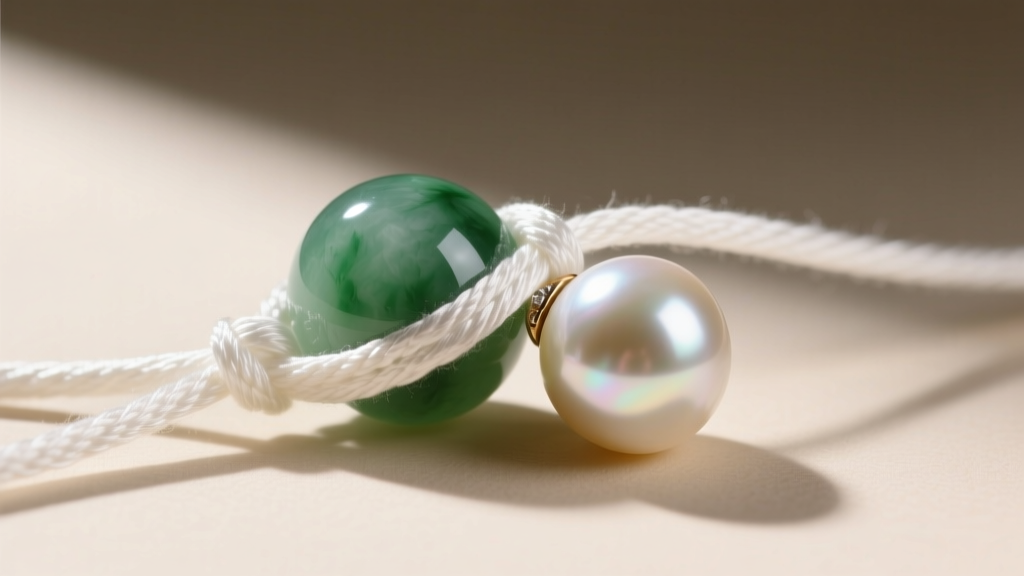
Premium strands are individually hand-knotted on pure silk thread. These knots serve two crucial purposes: they prevent the beads from rubbing against each other (which can scratch the pearl's nacre or dull the jade's polish), and if the strand breaks, only one bead will fall off rather than the entire necklace. When inspecting a piece, look closely at the knots—they should be tight, uniform, and sit flush against the beads without visible gaps.
Clasp Mechanics and French Wire
Check the ends of the necklace where the silk meets the metal clasp. High-quality makers use "French wire" (a tiny coiled metal spring) to protect the silk from fraying against the metal jump ring. For the clasp itself, a secure lobster clasp or a custom push-box clasp with a safety figure-eight catch is essential, especially given the substantial weight of jade beads.
Pricing Tiers & Where to Buy
Understanding market pricing protects you from inflated tourist-trap markups and suspiciously cheap imitations. Here is what you should expect to pay in the 2026 market:
- Entry-Level ($150 - $450): Features commercial-grade freshwater pearls and natural but lower-color Nephrite or smaller Jadeite beads. Typically strung on synthetic cord without individual knotting. Ideal for fashion-forward gifts.
- Mid-Range ($600 - $2,500): Includes AAA-grade Akoya pearls with sharp luster and Type A Jadeite with good translucency and even color. Hand-knotted on silk with 14k gold clasps. The sweet spot for significant personal gifts.
- Investment Tier ($3,500 - $15,000+): Showcases Hanadama-certified Akoya or South Sea pearls paired with highly translucent, vivid "Imperial" or "Apple Green" Type A Jadeite. Often accompanied by gemological certificates and finished with 18k gold and diamond-set clasps.
Pro-Tip: Always request a certificate of authenticity from a reputable lab (like GIA, NGTC, or Gubelin) for any jade and pearl necklace priced above $1,000, specifically to guarantee the jade is Type A and untreated.
Care Instructions to Include with Your Gift
When presenting the necklace, include a handwritten note detailing its care. Both jade and pearls are vulnerable to harsh chemicals. Advise the recipient to always put the necklace on after applying perfume, hairspray, and cosmetics. Pearls are organic and can lose their luster if exposed to acids or alcohols, while the natural oils from the skin actually benefit jade, keeping it polished and vibrant. Store the piece flat in a soft pouch, separate from diamonds or sapphires that could scratch the softer pearls and jade.


