2026 Gift Guide: Finding The Perfect Vintage Poison Necklace
Discover the perfect vintage poison necklace for dark academia fans and history lovers in our 2026 gift guide. Learn about mechanisms, eras, and pricing.

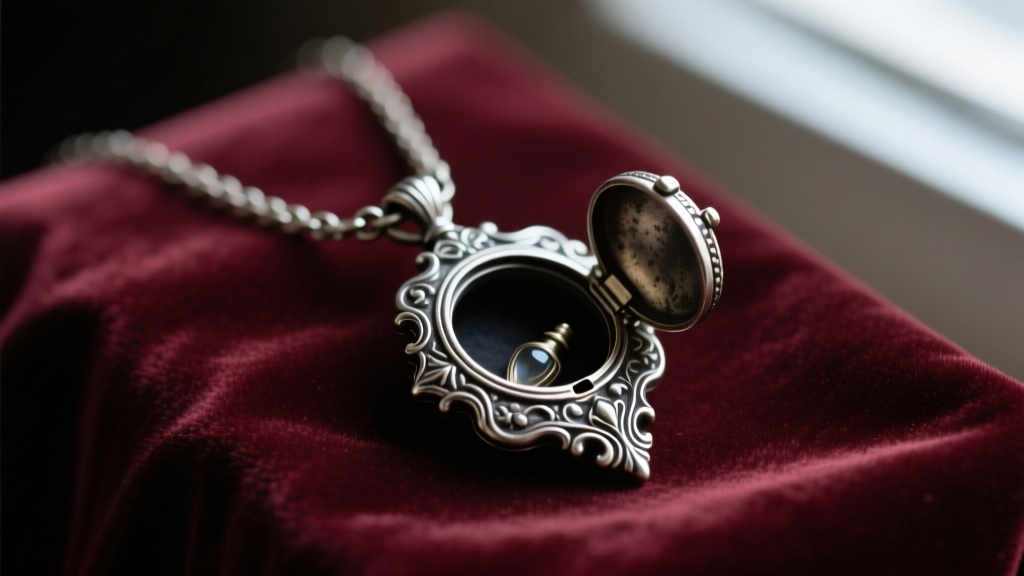
The Allure of the Hidden Compartment: Why Gift a Poison Necklace?
When standard jewelry gifts feel too predictable, the vintage poison necklace emerges as the ultimate token of intrigue, history, and dark romance. Despite the morbid moniker, these pendants—more accurately termed "secret lockets" or "memento mori" compartments—were rarely used for actual toxins. Historically, they held precious relics, dried botanicals, solid perfumes, or locks of hair from departed loved ones. Today, they are highly coveted by collectors, dark academia enthusiasts, and lovers of Gothic fashion.
Choosing the right vintage poison necklace as a gift requires navigating a labyrinth of historical eras, metallurgical hallmarks, and delicate mechanical closures. This 2026 guide provides the exact specifications, pricing tiers, and occasion-matching frameworks you need to select a piece that is both historically authentic and wearable for the modern recipient.
Decoding the Eras: Victorian Mourning vs. Renaissance Revival
The term "vintage" spans several decades, but true antique poison necklaces generally fall into two highly collectible categories. Understanding the distinction is crucial for matching the piece to your recipient's aesthetic.
Victorian Mourning and Sentimental Jewelry (1837–1901)
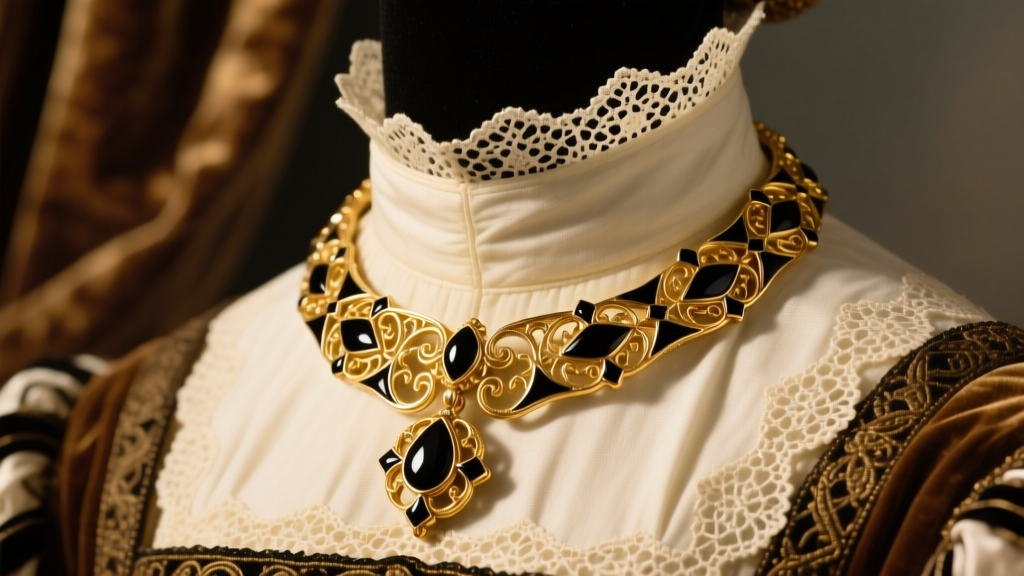
Following the death of Prince Albert, Queen Victoria popularized mourning jewelry. Secret pendants from this era often feature black enamel, onyx, and woven hairwork. According to the Victoria and Albert Museum's archives on mourning jewellery, these pieces were deeply personal. A Victorian poison locket is typically heavier, somber, and features intricate "taille d'épargne" (black enamel tracing) on gold or silver.
Renaissance Revival (Late 19th Century)
Jewelers like Carlo Giuliano and Castellani sparked a revival of 16th-century aesthetics. As noted by the Metropolitan Museum of Art's timeline on 19th-century revivalism, these necklaces are characterized by vibrant polychrome enamel, cabochon rubies, and elaborate gold scrollwork. Gift this style to someone who prefers opulent, museum-quality antiquity over somber Gothic minimalism.
Material Grades and Authenticity Markers
Authenticating a vintage piece requires looking beyond the surface. Here are the specific metallurgical markers to verify before purchasing:
- 15k Gold: The standard for UK Victorian jewelry before 1932. If a piece is stamped "15" or "625", it is a strong indicator of 19th-century British origin.
- 800 Silver: Common in continental European antique lockets, softer and more prone to oxidation than 925 sterling, giving it a highly desirable dark patina in the crevices.
- Gold Vermeil (Silver Gilt):strong> Often found in late-Victorian pieces where the gold wash has worn away on the high-relief edges, revealing the silver beneath—a hallmark of genuine age.
Occasion Matching: Who to Gift a Vintage Poison Necklace
A secret compartment necklace is a highly specific gift. Use this framework to match the pendant to the recipient and the occasion.
| Recipient Persona | Ideal Era & Style | Best Occasion | What to Hide Inside |
|---|---|---|---|
| The Dark Academia Scholar | Victorian Sterling Silver with engraved floral motifs (18mm-22mm). | University Graduation or Thesis Defense. | A rolled slip of parchment with a favorite Latin quote. |
| The Gothic Romantic | Black enamel mourning locket with a woven hair compartment. | Anniversary or Valentine's Day. | A dried black rose petal or a drop of solid musk perfume. |
| The History / Art Buff | Renaissance Revival gold with cabochon garnets and hinge mechanisms. | Milestone Birthday (30th, 40th). | A tiny historical coin or a micro-photograph of a favorite painting. |
| The Minimalist Mystery Lover | Mid-century sleek cylindrical screw-top vial pendant (10mm-15mm). | "Just Because" or Holiday Gift Exchange. | A single grain of coarse sea salt or a tiny crystal. |
Mechanism Guide: Slide, Screw, or Spring-Loaded?
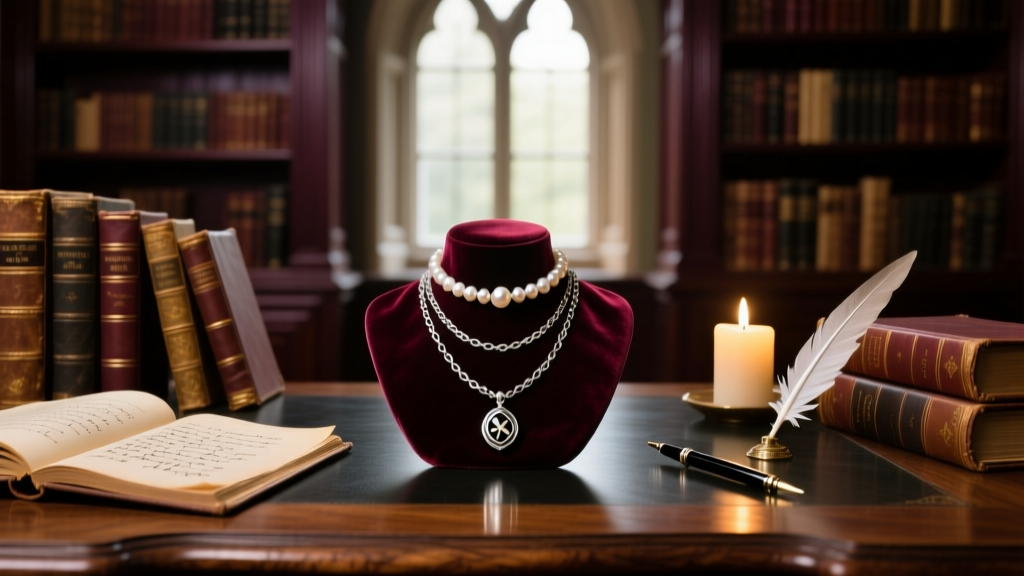
The engineering of the hidden compartment dictates both the necklace's value and its daily wearability. Antique mechanisms can be fragile; knowing how they operate will save you from buying a "frozen" or stripped piece. For a deeper dive into antique closures, Lang Antiques' educational guide on Victorian jewelry offers excellent visual references for period-specific hinges.
The Four Primary Closure Types
- The Friction Slide (Telescopic): A hollow tube or rectangular box where the inner compartment slides out. Warning: Over time, silver friction slides can warp. If the fit is too loose, the compartment will fall out during wear; if too tight, it requires a jeweler's pliers to open, risking scratches.
- The Threaded Screw-Top: Common in cylindrical "poison vials" and memento mori skull pendants. The bezel screws into the main body. Failure Mode: Cross-threading. Always advise the recipient to reverse-turn slightly until the threads "click" before tightening.
- The Spring-Loaded Push Button: A tiny release button pops the hidden drawer open. Highly prized in high-karat gold Renaissance revival pieces. These are the most complex and expensive to repair if the internal leaf spring snaps.
- The Secret Hinge: Looks like a standard locket from the front, but features a secondary, hidden false back that swings open on a microscopic pin hinge.
Pricing and Sourcing: Antiques vs. High-End Reproductions
The market for vintage poison necklaces is saturated with modern "steampunk" reproductions masquerading as antiques. Here is the realistic 2026 pricing landscape to ensure you are paying fair market value.
- True Antique (Victorian/Edwardian, 1850-1920): $450 to $2,800+. Expect to pay a premium for intact black enamel, working hairwork compartments, and verified 15k gold hallmarks. Sourcing requires specialized estate jewelers or verified auction houses.
- Mid-Century Reproductions (1940s-1970s): $180 to $400. Often made in 925 sterling silver or 14k gold-filled. These offer the vintage aesthetic with more durable, modern threading and hinges.
- Modern "Vintage-Style" (Contemporary): $45 to $120. Usually cast in brass or pewter with a thin silver or gold wash. While fun for costume wear, they lack the metallurgical integrity and historical provenance required for a serious heirloom gift.
Styling, Chain Pairing, and Preservation
A vintage poison pendant is typically heavy due to its solid metal construction and internal mechanisms. Pairing it with the wrong chain will result in breakage or an unbalanced silhouette.
Chain Selection Framework
For pendants weighing over 15 grams, avoid delicate cable chains. Opt for a 2.5mm to 3.5mm antique Albert chain or a heavy rope chain. If the recipient prefers layering, a 16-inch choker-length chain allows the heavy pendant to sit securely at the clavicle, while a 24-inch opera-length chain allows it to be worn over high-necked Victorian blouses or modern turtlenecks.
Preservation and Care Rules
Expert Rule of Thumb: Never put liquid perfumes, essential oils, or water inside an unsealed antique silver or gold compartment. The liquids will react with the metal oxides, degrade the internal enamel, and permanently fuse the hinge or slide mechanism. Always use solid wax perfumes, dried botanicals, or synthetic fiber wicks soaked in scent.
Gifting a vintage poison necklace is an exercise in storytelling. You are not merely handing over a piece of jewelry; you are entrusting the recipient with a centuries-old vault of secrets. By paying close attention to the era, the metallurgical hallmarks, and the specific mechanical closure, you ensure your gift will remain a wearable mystery for generations to come.


