Hobby Lobby Necklace Chain Materials: A Complete Comparison Guide
Discover the metallurgical properties, plating thickness, and durability of Hobby Lobby necklace chains for DIY jewelry making and crafting.

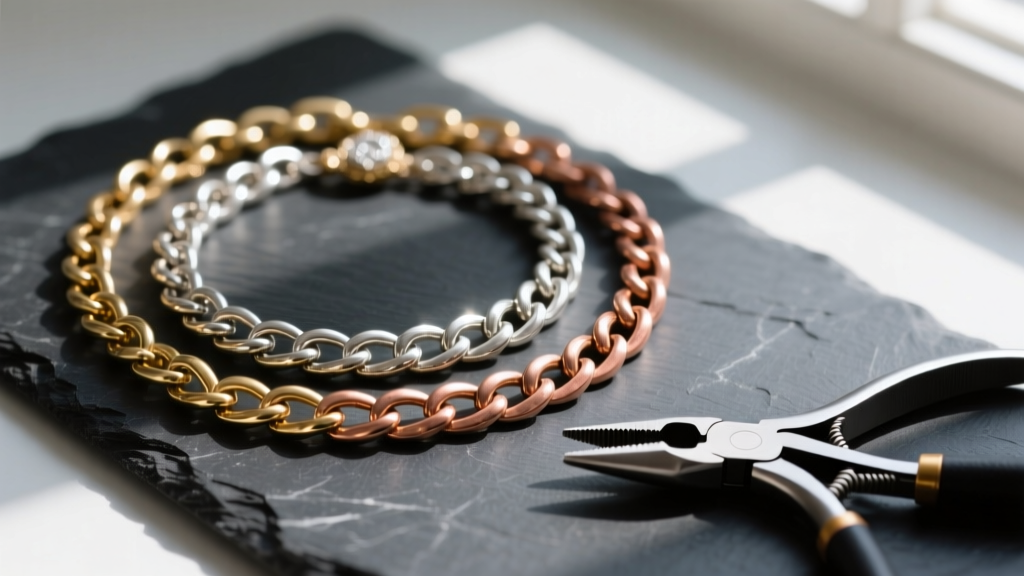
The Reality of Craft Store Jewelry Supplies
For DIY jewelry makers, hobbyists, and crafters, the local craft store is often the first stop for sourcing components. The appeal of a Hobby Lobby necklace chain is undeniable: they are accessible, affordable, and available in a wide variety of visual styles. However, when you transition from casual crafting to creating durable, skin-safe, and professional-quality jewelry, understanding the metallurgical properties of these mass-produced craft chains becomes critical. What looks like a delicate sterling silver cable chain on the spool is rarely what it seems under a jeweler's loupe. This guide deconstructs the material science, plating realities, and structural limitations of craft store chains, providing you with the actionable data needed to make informed sourcing decisions in 2026 and beyond.
Base Metals vs. Plated Alloys: What Lies Beneath
The vast majority of affordable craft store chains are not solid precious metals. Instead, they are base metal alloys that have been surface-treated. Understanding the core alloy is essential because it dictates the chain's tensile strength, oxidation rate, and skin compatibility.
Brass (Copper-Zinc Alloys)
Most gold-plated and silver-plated craft chains are made from cartridge brass (typically C26000, comprising 70% copper and 30% zinc). Brass is highly malleable, making it easy for machines to stamp and form into intricate chain links. However, brass is highly susceptible to dezincification and oxidation. When exposed to the sulfur and moisture in human sweat, the zinc in the alloy reacts, leading to the notorious "green skin" effect. This occurs when copper salts form on the surface and transfer to the wearer's epidermis.
Copper (C11000)
Unplated copper chains are popular for their warm, rustic aesthetic and work-hardening properties. Pure copper is exceptionally soft. While this makes it easy to manipulate for wire-wrapping, it means a copper chain will stretch and deform under the sustained weight of a heavy pendant. Furthermore, copper oxidizes rapidly, developing a dark brown patina within weeks if not properly sealed.
Zinc Alloys and Pewter
Some heavier, cast-link chains found in the craft aisles are made from zinc alloys (often marketed as "white metal" or "pewter"). These are brittle and lack the tensile flexibility of drawn wire. If bent sharply, zinc alloy links will snap rather than deform, making them a poor choice for high-stress areas like clasp jump rings.
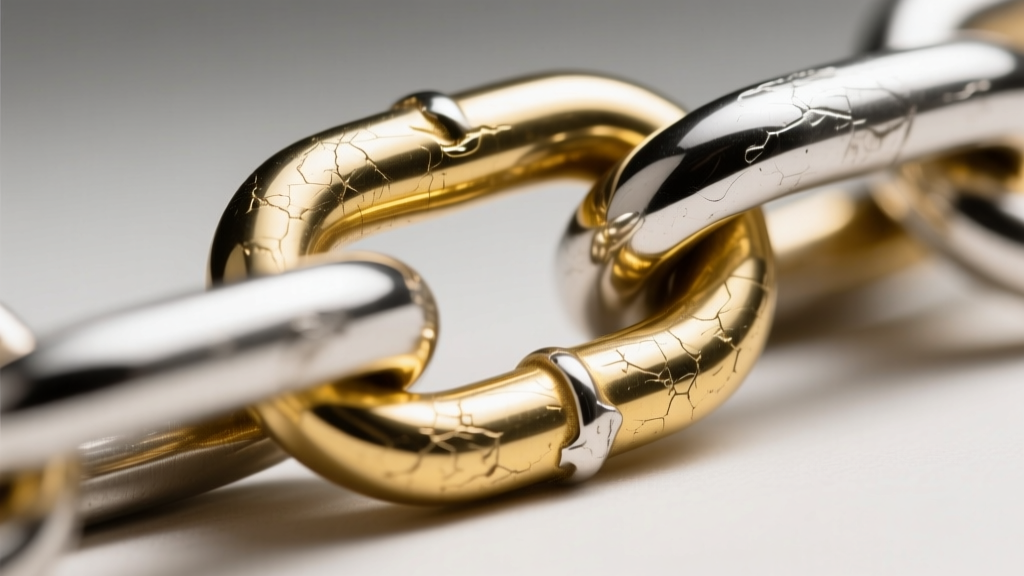
Plating Thickness and Inevitable Failure Modes
The most significant point of failure in any Hobby Lobby necklace chain is the plating. Professional jewelry suppliers use precise micron measurements to guarantee longevity, whereas craft chains typically rely on "flash plating."
Flash plating involves submerging the base metal chain in an electrochemical bath for mere seconds. The resulting precious metal layer is usually less than 0.175 microns (or 7 millionths of an inch) thick. To put this in perspective, a human hair is roughly 70 microns thick. This microscopic layer of silver or gold provides the initial visual appeal but offers virtually no barrier against friction or chemical corrosion.
| Plating Type | Typical Thickness | Base Metal | Expected Wear Lifespan |
|---|---|---|---|
| Flash Plating (Craft Store) | < 0.175 µm | Brass / Zinc | 1 - 3 Months (Daily Wear) |
| Standard Commercial Plating | 0.5 µm - 1.0 µm | Brass / Steel | 6 - 12 Months |
| Gold Vermeil (Professional) | > 2.5 µm | Sterling Silver | 2 - 5+ Years |
| Heavy Gold Electroplate (HGE) | > 2.5 µm | Brass / Copper | 1 - 3 Years |
When the flash plating on a craft chain inevitably wears away at the high-friction contact points (where links rub together), the underlying brass is exposed. This creates a galvanic cell when exposed to sweat (an electrolyte), accelerating the corrosion of the base metal and causing the chain to become brittle and snap.
Skin Sensitivities: The Nickel and Lead Factor
When sourcing materials for jewelry intended for prolonged skin contact, biocompatibility is non-negotiable. According to the FTC Jewelry Guides, marketers must be careful not to misrepresent the metal content or safety of their products. More importantly, craft chains are not always held to the same stringent testing standards as professional jewelry supplies regarding heavy metals.
Nickel is frequently used as an under-plate beneath gold or silver flash plating to create a bright, reflective barrier and improve adhesion. However, nickel is a potent contact allergen. The American Academy of Dermatology notes that nickel allergy affects up to 10% of the population, causing severe contact dermatitis. While many modern craft chains are labeled "nickel-free," this often means they comply with the EU REACH standard (releasing less than 0.5 µg/cm²/week of nickel), not that they are entirely devoid of the metal. For sensitive clients, relying on base-metal craft chains is a significant liability. Upgrading to solid surgical stainless steel (316L) or solid sterling silver is the only way to guarantee hypoallergenic performance.
Wire Gauge and Tensile Strength Limitations
Craft store chains are generally manufactured using very fine wire gauges to keep material costs low and maximize the length per spool. Understanding the American Wire Gauge (AWG) system is crucial for predicting how a chain will perform under load.
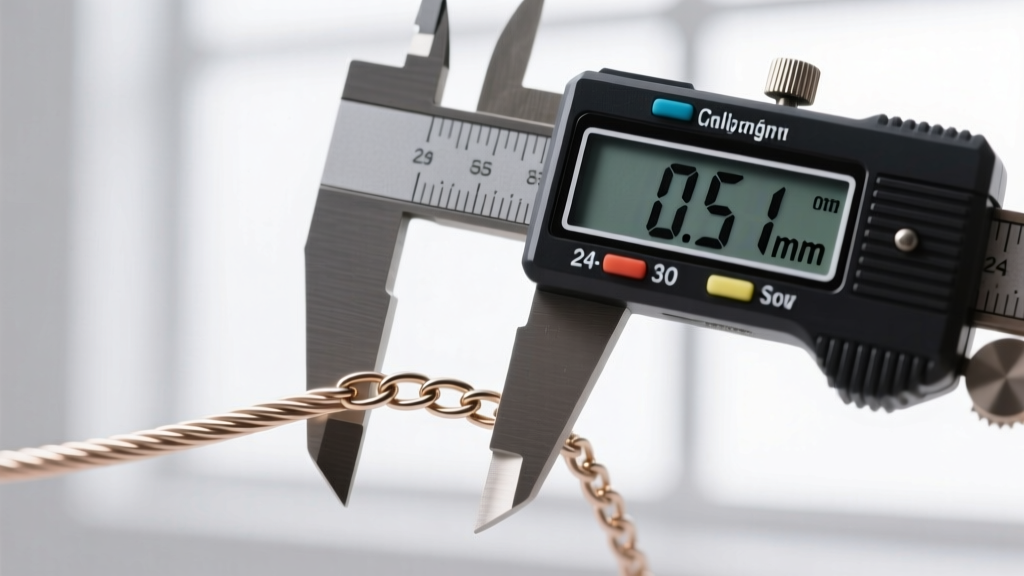
A standard craft store cable chain is often 24 AWG (0.51mm) or 22 AWG (0.64mm). While these dimensions look adequate to the naked eye, the structural integrity is compromised by two factors: unsoldered links and low-yield base metals. Most mass-produced craft chains feature open (unsoldered) jump rings. When subjected to the lateral torque of a heavy pendant, an unsoldered 22 AWG brass link will pull open at roughly 3 to 5 pounds of pressure. In contrast, a soldered 22 AWG sterling silver or stainless steel chain can withstand 12 to 15 pounds of tensile force before failing. If you are designing a piece with a heavy resin, glass, or stone pendant, a standard craft chain will almost certainly fail at the clasp or the first few links.
Material Comparison: Craft Store vs. Professional Suppliers
To contextualize the properties of a Hobby Lobby necklace chain, it is helpful to compare them directly against components sourced from dedicated jewelry suppliers like Rio Grande or Stuller. The Rio Grande Metal Properties database highlights the vast differences in alloy purity and manufacturing tolerances.
- Alloy Purity: Craft chains use commercial-grade brass with trace impurities that can cause inconsistent oxidation. Professional suppliers use certified, lead-free, and nickel-free alloys with strict elemental control.
- Link Soldering: Craft chains are almost exclusively unsoldered to save manufacturing time and cost. Professional chains offer soldered options, which are mandatory for heavy pendants and secure clasping.
- Clasp Hardware: The lobster clasps and jump rings included on craft spools are typically made from the lowest-grade base metals and feature weak internal springs that fail rapidly. Professional findings use stainless steel springs and precisely calibrated tension.
- Cost Efficiency: While craft chains cost pennies per inch, the cost-per-wear is high due to rapid degradation. Professional gold-filled or sterling chains cost more upfront but offer a vastly superior lifespan and customer satisfaction rate.
Extending the Lifespan of Base Metal Chains
If your design budget strictly requires the use of craft store base metal chains, you must implement post-assembly sealing protocols to protect the metal and the wearer. Leaving raw brass or copper exposed guarantees rapid tarnishing.
Micro-Crystalline Wax Polishes
Products like Renaissance Wax create a microscopic, moisture-resistant barrier over the metal. Applying a thin coat and buffing it with a microfiber cloth will delay oxidation and prevent copper salts from transferring to the skin. This must be reapplied every few months depending on wear frequency.
Cross-Linked Polymer Coatings
For a more permanent solution, jewelers use specialized nano-ceramic or cross-linked polymer coatings like ProtectaClear or Everbrite. These are painted or dipped onto the chain and air-cured. They form a tough, invisible, and hypoallergenic shield that completely isolates the base metal from the skin and the atmosphere, effectively locking in the shine and preventing galvanic corrosion.
Final Verdict for the DIY Jeweler
A Hobby Lobby necklace chain serves a distinct purpose in the jewelry-making ecosystem: it is an excellent, low-cost material for prototyping, practicing wire-wrapping techniques, and creating temporary fashion pieces where longevity is not a priority. However, from a metallurgical and structural standpoint, these chains lack the plating thickness, tensile strength, and biocompatibility required for fine jewelry or permanent daily-wear pieces. By understanding the exact material properties, gauge limitations, and failure modes of craft store supplies, you can make strategic decisions about when to utilize them and when it is time to invest in professional-grade metallurgy for your signature designs.


