Rondelle Bead Necklace Value Guide: Pricing & Quality
Discover the true value of a rondelle bead necklace. Compare pricing tiers, gemstone grades, and learn how to spot quality craftsmanship on any budget.

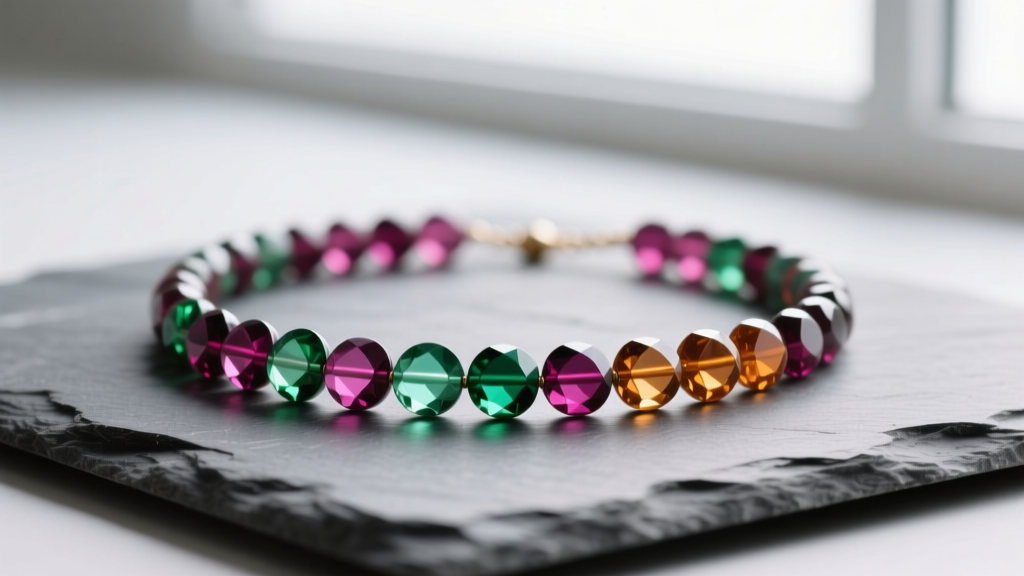
When navigating the complex jewelry market, few silhouettes offer the brilliant light refraction and versatile elegance of a rondelle bead necklace. Derived from the French word for 'little wheel,' the rondelle cut features a flattened, disc-like shape with heavily faceted edges. This unique geometry allows light to enter from multiple angles, creating a sparkling effect that rivals traditional round brilliant cuts. However, as we move through the 2026 gemstone market, the proliferation of highly realistic glass imitations and dyed stones has made assessing the true value of these necklaces increasingly difficult.
Whether you are eyeing a commercial-grade amethyst strand or a high-end tourmaline piece, understanding the intersection of material grade, cutting precision, and hardware quality is essential. This comprehensive value assessment will help you determine exactly what you should pay, how to spot deceptive imitations, and which construction details separate a fleeting fashion accessory from a lasting investment.
The Anatomy of a High-Value Rondelle Cut
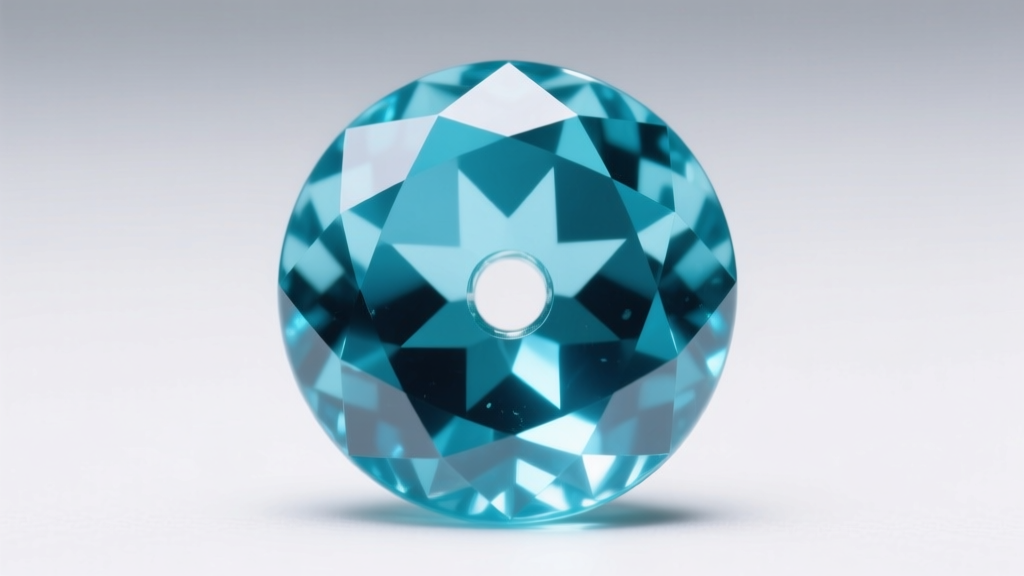
Not all rondelle beads are created equal. The value of a rondelle bead necklace is heavily dictated by the precision of the lapidary work. Because the bead is wider than it is thick, the cutter must carefully balance the table (the flat top and bottom) with the angled girdle facets.
Cutting Precision and Light Return
In premium stones, the facets on the outer edge are perfectly symmetrical. When you roll a high-quality rondelle bead across a flat surface, it should glide smoothly without wobbling. Wobbling indicates an uneven cut, which not only ruins the aesthetic drape of the necklace but also creates 'dead spots' where light escapes rather than reflecting back to the eye. Furthermore, the drill hole is a critical value indicator. A poorly drilled hole with chipped edges or an off-center axis can reduce the bead's structural integrity and overall value by up to 40%.
The 2026 Pricing Matrix: What Should You Actually Pay?
Pricing a rondelle bead necklace requires looking past the clasp and focusing on the gemstone tier, bead diameter (typically 4mm to 10mm), and overall carat weight. Below is a realistic market assessment for a standard 16-to-18-inch strand.
| Material Tier | Common Gemstones | Price Range (16-18 inch) | Value Verdict |
|---|---|---|---|
| Tier 1: Imitation / Treated | Dyed Quartz, Glass, Synthetic Spinel | $15 - $45 | Fair for fashion; poor for investment. |
| Tier 2: Commercial Semi-Precious | Amethyst, Citrine, Garnet, Peridot | $60 - $180 | Excellent everyday value; highly durable. |
| Tier 3: Fine Semi-Precious | Tourmaline, Aquamarine, Tsavorite | $250 - $850 | Strong investment; high brilliance and rarity. |
| Tier 4: Precious Stones | Ruby, Sapphire, Emerald | $1,500 - $12,000+ | Heirloom grade; requires certification. |
Expert Insight: Be highly skeptical of Tier 3 or Tier 4 rondelle necklaces priced in the Tier 2 range. Because the rondelle cut wastes a significant amount of rough stone material compared to a simple cabochon or smooth bead, the price per carat for faceted rondelles is inherently higher.
Authentication: Spotting Dyed Stones and Glass Imitations
As manufacturing techniques have advanced, distinguishing natural semi-precious stones from dyed quartz or leaded glass requires a trained eye. According to the Gemological Institute of America (GIA), gemstone identification relies on observing internal inclusions and optical properties, which is especially crucial when buying online or from unverified vendors.
The Acetone Swab Test
Many low-value white quartz beads are heavily dyed to mimic expensive stones like emerald or lapis lazuli. To test for surface dye, dampen a cotton swab with pure acetone (nail polish remover) and rub it gently against the bead, focusing on the drill hole where dye tends to pool. If the swab picks up color, the stone is dyed. While dyed stones aren't inherently worthless, they should be priced at Tier 1 levels and must be disclosed by the seller.
Loupe Inspection for Glass
Use a 10x triplet loupe to inspect the interior of the bead. Natural gemstones will show crystalline inclusions, feathering, or color zoning. Glass imitations, conversely, will often reveal perfectly spherical gas bubbles or swirl marks from the molding process. If you see bubbles, you are looking at glass, and the necklace should not exceed $30 regardless of the clasp material.
Hardware, Stringing, and Hidden Value Indicators
A common mistake buyers make is evaluating the beads while ignoring the stringing material and hardware. A high-quality tourmaline rondelle bead necklace strung on cheap elastic thread is a structural liability waiting to snap. True value encompasses the entire assembly.
Stringing Materials That Protect Your Investment
- 49-Strand Micro-Braided Wire: Brands like Soft Flex use stainless steel wires coated in nylon. This is the gold standard for heavy semi-precious rondelles, offering high tensile strength and a fluid, fabric-like drape.
- French Wire (Gimp): If the necklace is silk-knotted, the silk should be protected at the clasp connection by a tiny coiled metal tube called French wire. Its absence indicates corner-cutting by the manufacturer.
- Spacer Beads: Because rondelle beads have flat sides, they can grind against each other and chip the edges of the drill holes over time. High-value necklaces often incorporate tiny 14k gold-filled or sterling silver micro-spacers between each bead to prevent friction damage.
Clasp Quality and Metal Stamping
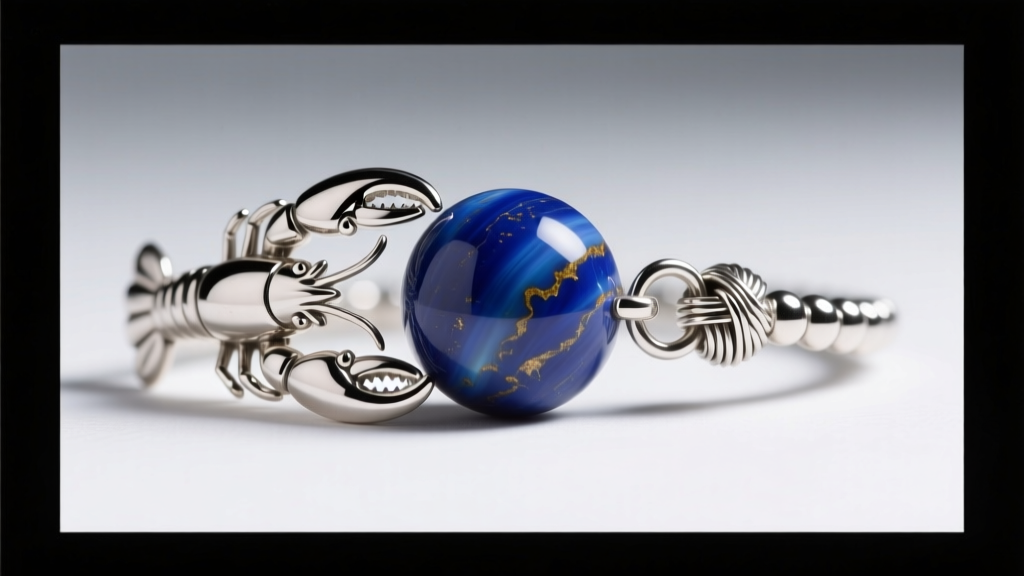
The Federal Trade Commission (FTC) Jewelry Guides mandate strict guidelines for metal stamping. A valuable necklace will feature a solid lobster claw or a secure box clasp with a safety figure-eight catch. Look for clear stamps like '925' for sterling silver or '14K' for gold. Avoid necklaces with hollow, lightweight spring-ring clasps or unmarked 'Tibetan silver,' which is often a zinc alloy containing nickel that can cause severe contact dermatitis.
Final Verdict: Maximizing Your Investment
A rondelle bead necklace is a spectacular addition to any jewelry wardrobe, offering unmatched sparkle and a modern, geometric silhouette. To ensure you are getting true value, prioritize cutting symmetry over sheer bead size, demand transparency regarding any dye treatments, and never compromise on the quality of the stringing wire and clasp hardware. By applying these gemological and structural assessments, you can confidently navigate the market and secure a piece that delivers both immediate beauty and long-lasting durability.


