How to Clean a Vintage Cookie Lee Heart Necklace Safely
Learn how to safely clean and maintain your vintage Cookie Lee heart necklace without damaging the delicate gold plating or rhinestone settings.

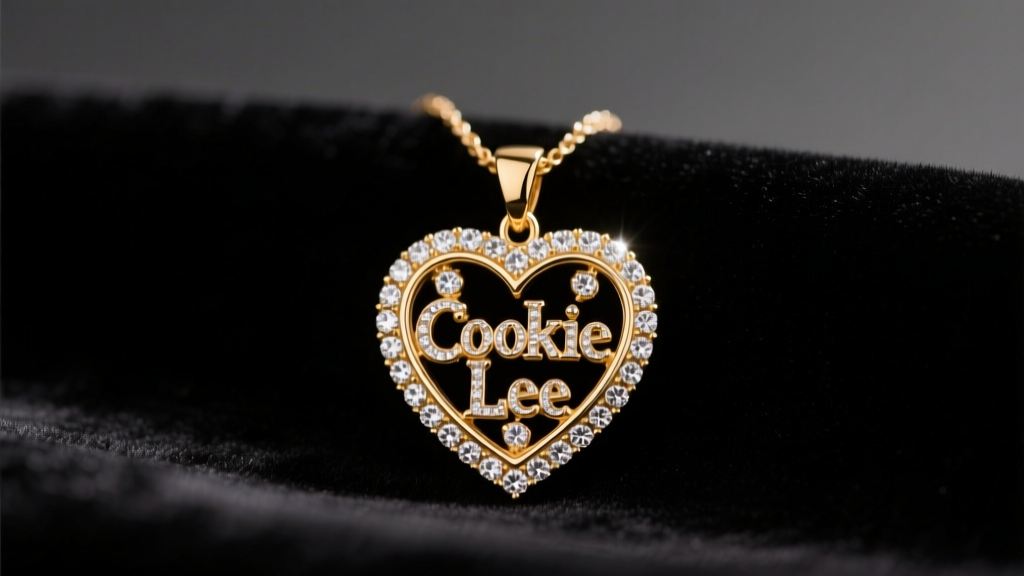
The Anatomy of a Vintage Cookie Lee Heart Necklace
As we navigate the vintage resale market in 2026, authentic Cookie Lee pieces have seen a massive surge in value, with her iconic heart necklaces becoming highly sought-after collector's items. However, to properly care for these pieces, you must first understand their metallurgy. Cookie Lee jewelry from the 1980s and 1990s is classified as high-end costume jewelry. The base metal is typically cast brass or a zinc-alloy pot metal, which is then finished with a micro-layer of gold or silver electroplating.
The gold plating on these vintage pieces typically ranges from 0.175 microns (flash plating) to a maximum of 1.0 microns (heavy gold electroplate). Because the precious metal layer is exceptionally thin, it is highly susceptible to abrasion, chemical stripping, and moisture intrusion. Furthermore, the signature heart pendants often feature cold enamel detailing and pavé-set glass rhinestones secured with cyanoacrylate or epoxy adhesives. Treating a Cookie Lee heart necklace like solid 14k gold will permanently destroy its finish and structural integrity.
What NEVER to Do: The Plating Killers
Many well-intentioned collectors ruin their vintage costume jewelry by applying fine jewelry cleaning methods to plated pieces. According to the Gemological Institute of America (GIA), porous materials and plated metals require specialized, non-abrasive care. Avoid the following common mistakes at all costs:
- Ultrasonic Cleaners: These machines operate at 40,000 to 45,000 Hz. The microscopic cavitation bubbles will shatter the delicate foil backing on vintage rhinestones and dissolve the adhesive holding the stones in place, causing them to fall out.
- Ammonia and Alcohol: Harsh solvents will instantly strip the thin gold wash, exposing the raw brass underneath, which will rapidly oxidize and turn green.
- Toothpaste and Baking Soda: Toothpaste contains silica, which has a Mohs hardness of 7. Gold has a Mohs hardness of 2.5 to 3. Scrubbing with toothpaste is essentially sanding the gold plating off the brass base.
- Boiling or Hot Water: Extreme heat softens the vintage adhesives used in the 1980s, leading to immediate stone loss and enamel cracking.
Step-by-Step Dry and Damp Cleaning Method
To safely remove decades of accumulated skin oils, perfume residue, and dust, you must use a conservative, minimally invasive approach. The Victoria and Albert Museum (V&A) recommends dry cleaning as the first line of defense for all historical costume jewelry.
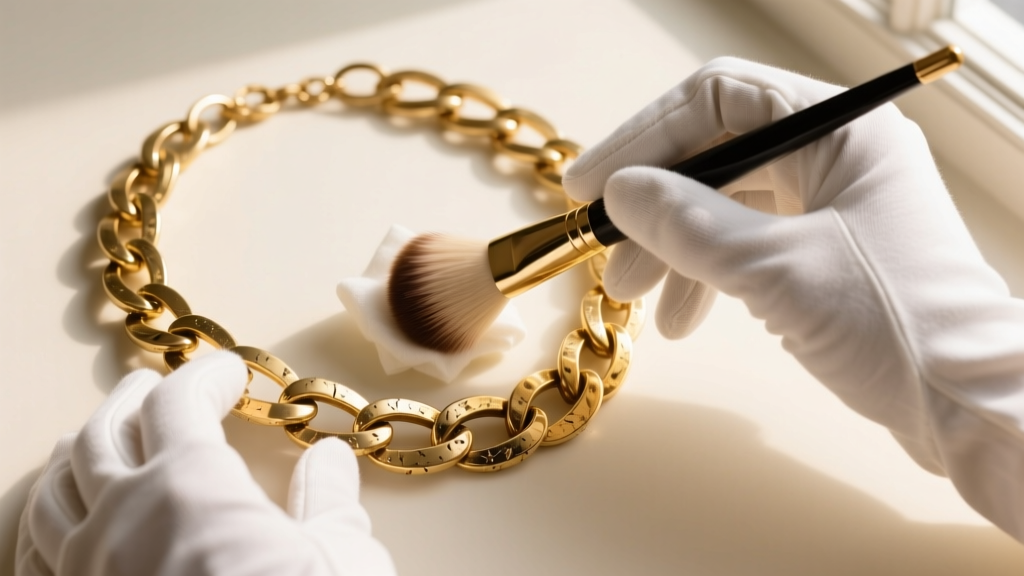
Step 1: The Dry Dusting
Before introducing any moisture, remove loose particulate matter. Use a clean, soft goat-hair makeup brush (such as a fluffy blending brush) or a dedicated jewelry dusting brush. Gently sweep the bristles over the surface of the heart pendant, paying special attention to the crevices around the rhinestone settings and the chain links. This prevents abrasive dust from being ground into the gold plating during the wet cleaning phase.
Step 2: The Damp Wipe Technique
For stubborn grime or skin oils, you will need a highly controlled damp cleaning solution. Mix one cup of distilled water (never tap water, as the minerals and chlorine can cause spotting) with a single drop of pH-neutral, dye-free dish soap.
- Dip a cotton swab or a soft microfiber cloth into the solution.
- Wring it out completely. The swab should be barely damp, not wet. Moisture is the enemy of the rhinestone foil backing.
- Gently roll the damp swab over the brass and gold-plated surfaces of the heart pendant. Do not scrub.
- Immediately follow with a dry cotton swab to absorb any residual moisture.
- Allow the necklace to air dry completely on a paper towel for at least two hours before storing.
Caring for Rhinestones and Enamel Details
The rhinestones used in vintage Cookie Lee heart necklaces are typically glass stones with a metallic foil backing that creates their signature sparkle. If moisture seeps under the stone, the foil will oxidize, turn black, and lose its reflectivity—a condition collectors call a "dead stone." Never submerge the pendant in water. If the cold enamel on the heart motif shows hairline cracks (crazing), avoid all liquid cleaners, as the soap will become trapped in the fissures and leave a cloudy, white residue that is nearly impossible to remove.
Storage and Preservation Framework
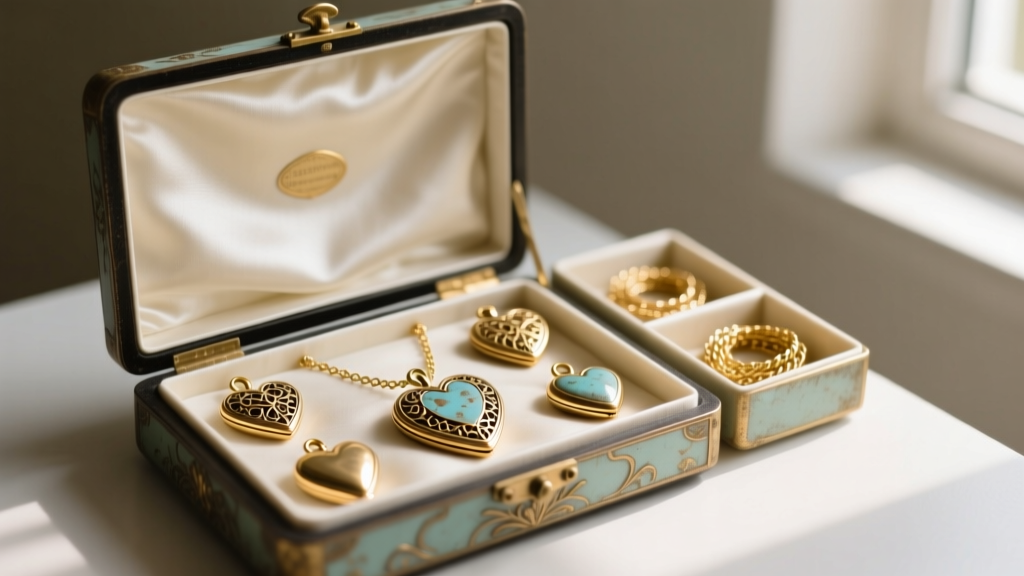
How you store your Cookie Lee heart necklace is just as critical as how you clean it. Base metals like brass are highly reactive to sulfur and humidity in the air, which causes tarnish and verdigris (the green crust that forms on copper alloys). Below is a comparison of common storage methods and their impact on vintage costume jewelry.
| Storage Method | Material Composition | Impact on Vintage Plated Jewelry |
|---|---|---|
| Standard PVC Plastic Bags | Polyvinyl Chloride | Severe Risk: PVC off-gases sulfur and acids that cause rapid tarnishing and "bronze disease" on the base metal. |
| Ziploc with Anti-Tarnish Strips | Polyethylene + 3M Silver Shield | Good: Safe for short-term storage. The strips absorb ambient sulfur, but must be replaced every 6 months. |
| Pacific Silvercloth Pouches | Cotton embedded with silver particles | Excellent: The cloth tarnishes instead of the jewelry. Ideal for long-term preservation of gold-plated brass. |
| Open-Air Display Stands | Acrylic / Metal | Poor: Constant exposure to UV light, dust, and ambient humidity accelerates plating degradation and enamel fading. |
When to Seek Professional Restoration
Despite your best maintenance efforts, a 40-year-old Cookie Lee heart necklace may eventually require professional intervention. If the gold plating has worn through to the brass base on the high-friction areas of the heart pendant, or if the chain has developed brittle, snapping links, it is time to consult a specialist.
Professional re-plating (electroplating) for costume jewelry typically costs between $75 and $150, depending on the complexity of the piece and the desired micron thickness of the new gold layer. Ensure you use a jeweler who specializes in vintage costume jewelry restoration, as they will know how to protect the rhinestones and enamel during the chemical stripping and re-plating process. Attempting DIY re-plating kits will result in uneven finishes and irreversible damage to the stone settings.
Conclusion
Owning a vintage Cookie Lee heart necklace is a privilege that requires a shift in mindset from traditional fine jewelry care. By understanding the delicate nature of micro-plated brass, avoiding harsh chemicals and ultrasonic vibrations, and utilizing a strict dry-first cleaning protocol, you can preserve the structural integrity and brilliant sparkle of your piece for decades to come. Proper storage in anti-tarnish environments will ensure that your necklace remains a pristine, wearable piece of fashion history well into the future.


