How to Clean and Care for a Vintage Pearl Necklace with Gold Clasp
Learn expert tips to clean, restring, and maintain your vintage pearl necklace with gold clasp without damaging the nacre or karat gold.

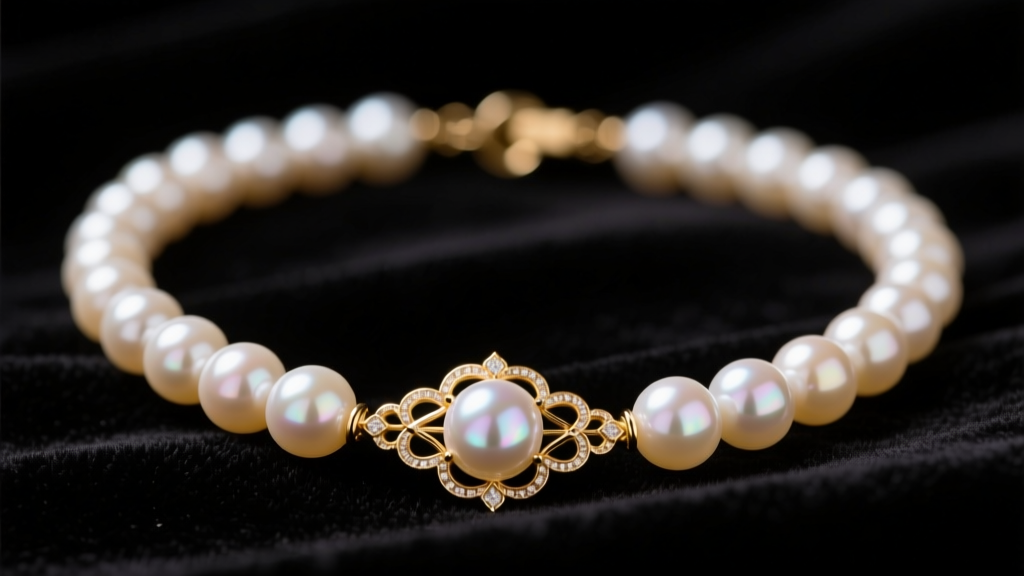
Owning a vintage pearl necklace with gold clasp is akin to holding a piece of wearable history. Whether it is a mid-century Akoya strand, an Art Deco natural pearl collet, or a 1970s freshwater opera-length piece, these heirlooms require highly specific conservation techniques. Unlike modern diamonds or synthetic gems, pearls are organic, and their accompanying vintage gold hardware operates on mechanical principles that differ vastly from contemporary jewelry. In this comprehensive guide, we explore the exact chemical, mechanical, and environmental protocols required to clean, maintain, and preserve your vintage pearl necklace with gold clasp for the next generation.
The Chemistry of Nacre and Karat Gold
To properly care for your jewelry, you must first understand the materials at a microscopic level. Pearls are composed of calcium carbonate (aragonite crystals) bound together by an organic protein called conchiolin. This structure gives pearls a Mohs hardness of just 2.5 to 4.5, making them incredibly susceptible to scratching and chemical etching. Furthermore, the conchiolin can dry out and degrade over decades, leading to a loss of luster or 'crazing' (surface cracking).
The gold clasp on a vintage piece is typically 14k (58.5% pure gold) or 18k (75% pure gold). While pure gold is inert, the alloy metals used in vintage 14k gold—often copper, silver, and zinc—can oxidize or react with modern skincare products, perfumes, and skin acids. According to the Gemological Institute of America (GIA), the porous nature of the nacre means that any harsh chemical used to clean the gold clasp will inevitably wick into the adjacent pearl drill holes, causing irreversible damage to the nacre layers.
Step-by-Step Cleaning Protocol
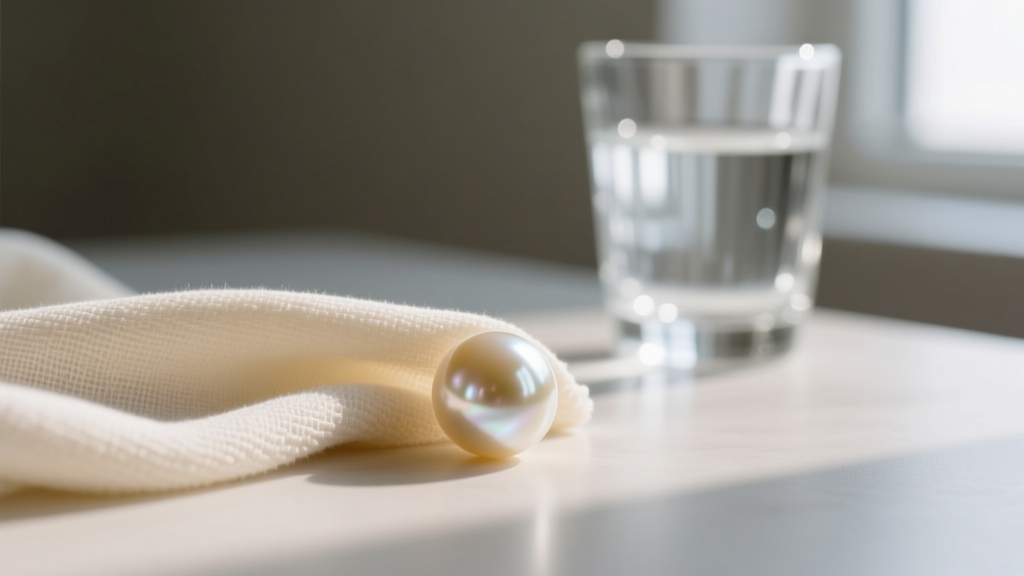
Never use ultrasonic cleaners, steam cleaners, or commercial jewelry dips on a vintage pearl necklace with gold clasp. Ultrasonic waves can shatter the delicate nacre and rattle loose the internal tension springs of antique clasps. Instead, follow this conservation-grade cleaning method:
1. The Dry Dusting Phase
Before introducing any moisture, use a clean, untreated horsehair makeup brush to gently sweep away microscopic dust, dead skin cells, and cosmetic powders from the crevices of the gold clasp and the drill holes of the pearls. Dust particles often contain silica (Mohs 7), which will scratch the pearl surface if rubbed in with a cloth.
2. The Damp Wipe Technique
- Dampen a lint-free microfiber cloth with distilled water (never tap water, as chlorine and fluoride can etch the nacre).
- Wring the cloth out completely so it is barely damp, not wet.
- Gently wipe each pearl individually, supporting the strand to avoid stretching the internal silk thread.
- For the gold clasp, use a cotton swab lightly dampened with distilled water to clean the filigree work or push-pull mechanisms.
3. Drying and Resting
Lay the necklace completely flat on a dry, absorbent cotton towel in a cool, shaded area. Never hang a wet vintage pearl necklace, as the weight of the water-logged silk thread will cause it to stretch permanently, leading to gaps between the pearls.
Inspecting and Maintaining the Vintage Gold Clasp
Vintage clasps are marvels of micro-engineering, but they lack the robust safety catches of modern jewelry. According to the jewelry historians at Lang Antiques, identifying your specific clasp type is crucial for proper maintenance.
Common Vintage Clasp Types:
Trombone/Push-Pull Clasp: Common in early-to-mid 20th-century European pieces. It relies on a friction-fit tube. Over time, the tube widens, and the pin thins, leading to accidental unfastening.
Filigree Safety Clasp: Features a hinged top that snaps over the tongue. The hinge pin is often the first point of failure due to metal fatigue.
C-Clasp: Found on very early vintage pieces, relying entirely on the tension of the C-shaped wire to hold the pin.
Maintenance Tip: If your push-pull clasp feels loose, do not attempt to bend the pin with pliers, as vintage gold alloys can be brittle and snap. Instead, take it to a master jeweler who can carefully swage (compress) the receiving tube using a specialized bezel roller to restore the friction fit without compromising the gold's structural integrity.
The Silk Thread: When to Restring Your Vintage Strand
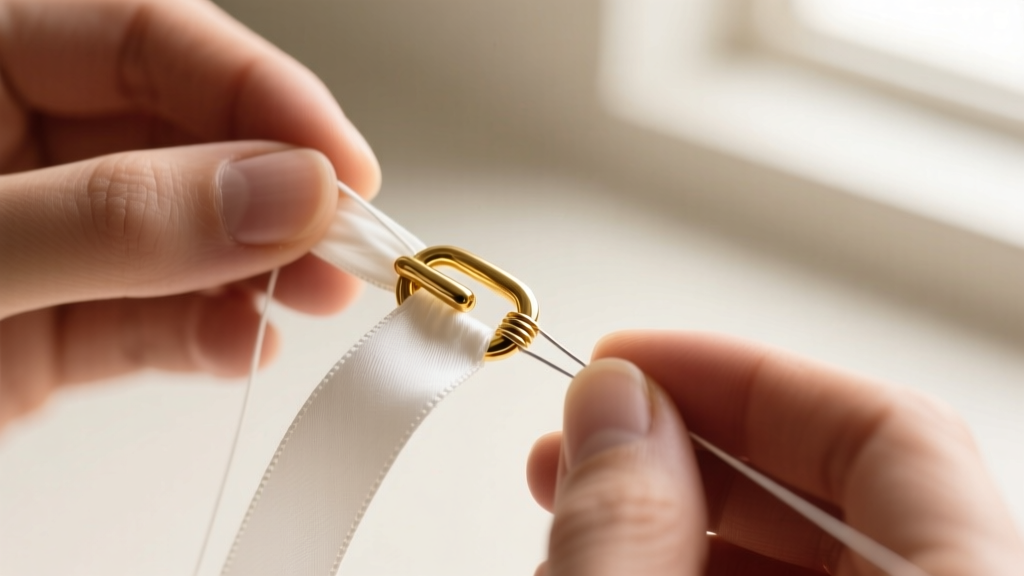
The unseen hero of any vintage pearl necklace with gold clasp is the silk thread. Silk is a natural protein fiber that degrades, stretches, and rots when exposed to sweat, humidity, and time. A general rule of thumb in gemology is to have a vintage strand restrung every 3 to 5 years if worn frequently, or immediately if you notice 'gapping' (visible thread between the pearls when the necklace is laid flat).
Restringing Specifications
When commissioning a restringing, ensure your jeweler uses 100% natural silk (not nylon, which can cut into the pearl drill holes over time) and employs the traditional hand-knotting method between every single pearl. This prevents pearl-on-pearl abrasion and ensures that if the strand breaks, you only lose one pearl.
| Pearl Diameter | Recommended Silk Thread Size | French Wire (Gimp) Requirement |
|---|---|---|
| 5.0mm - 6.5mm | Size D or E (Fine) | Yes, Fine Gauge |
| 7.0mm - 8.5mm | Size F or FF (Medium) | Yes, Medium Gauge |
| 9.0mm - 12.0mm | Size FFF or #12 (Heavy) | Yes, Heavy Gauge |
Critical Detail: Always insist on French wire (also known as gimp) at the clasp ends. This is a microscopic coiled metal wire that the silk passes through before looping into the gold clasp ring. Without French wire, the sharp inner edge of a vintage gold jump ring will act like a saw blade, severing the silk thread within months.
Proper Storage to Prevent Nacre Dehydration
How you store your vintage pearl necklace with gold clasp is just as important as how you clean it. Pearls require a specific level of ambient humidity (ideally between 40% and 60%) to maintain their conchiolin structure.
- Avoid Airtight Plastic: Never store pearls in sealed plastic bags or safety deposit boxes for extended periods. Plastic traps ethylene gases and deprives the pearls of moisture, leading to severe dehydration, yellowing, and surface crazing.
- Use Breathable Fabrics: Store the necklace in a soft, untreated linen or cotton pouch. Avoid synthetic velvet, which can trap moisture and promote mildew on the silk thread.
- Lay Flat or Roll: Do not hang vintage pearls on a jewelry stand. The constant gravitational pull will stretch the silk and warp the necklace's drape. Store them flat in a dedicated drawer, or gently roll them into a soft cloth.
- Separate from Harder Gems: Keep the necklace away from diamonds, sapphires, or even other gold jewelry. The gold clasp itself can scratch the adjacent pearls if tossed carelessly into a jewelry box.
Final Thoughts on Wearing Vintage Pearls
The old adage that 'pearls should be the last thing you put on and the first thing you take off' remains the golden rule of pearl conservation. By applying cosmetics, hairspray, and perfumes before donning your necklace, you protect the porous nacre from chemical absorption. With meticulous cleaning, timely restringing, and respectful storage, your vintage pearl necklace with gold clasp will retain its historic charm and radiant luster for decades to come.


