How to Clean and Restore a Vintage Weiss Rhinestone Necklace
Learn expert techniques to safely clean, maintain, and restore a vintage Weiss rhinestone necklace without damaging delicate foil-backed stones.

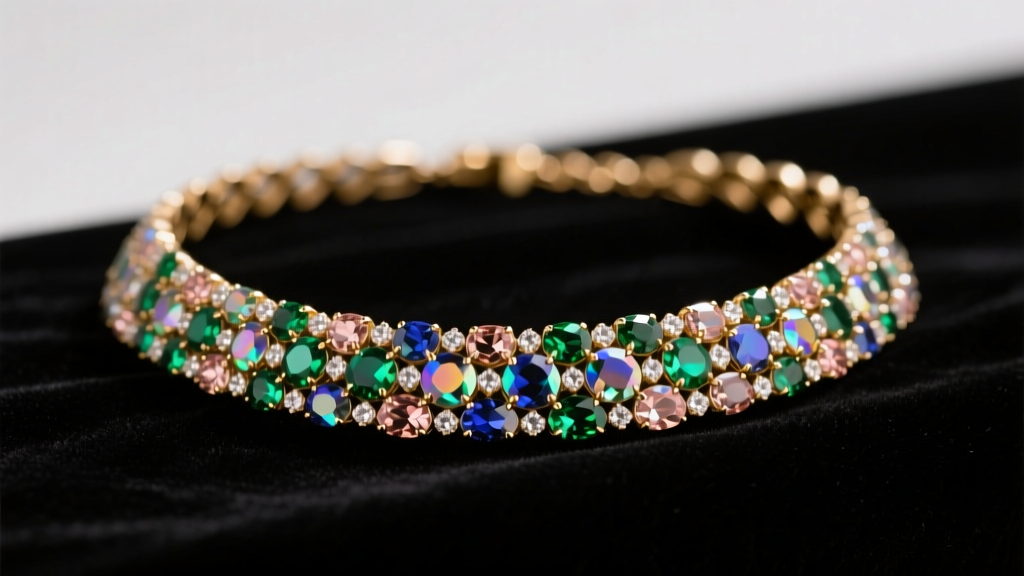
The Delicate Anatomy of Vintage Weiss Jewelry
Albert Weiss was a master of mid-century glamour, founding his New York-based costume jewelry company in 1942. Today, as we navigate the vintage market in 2026, authentic Weiss pieces are highly coveted for their exceptional craftsmanship, intricate pavé settings, and brilliant Aurora Borealis (AB) crystals. However, cleaning a vintage Weiss rhinestone necklace requires a radically different approach than cleaning modern fine jewelry. To properly care for these artifacts, you must first understand their structural vulnerabilities.
Weiss necklaces were typically constructed using a pot metal or brass base, plated in rhodium, silver, or gold-tone finishes. The true magic, however, lies in the stones. Weiss sourced high-quality leaded glass crystals from Austria and West Germany. These stones were foil-backed using a vapor-deposited metallic coating to enhance their refraction. If moisture seeps beneath the metal prongs, this delicate foil backing will oxidize, turning cloudy, grey, or completely black. Once the foil is compromised, the damage is irreversible without professional re-foiling—a costly and complex restoration process.
Identifying Authentic Weiss Hallmarks
Before beginning any restoration, verify your piece's authenticity. Look for the following stamps on the back of the clasp or the reverse of the pendant:
- WEISS in standard block letters (most common, used from the 1950s onward).
- Albert Weiss in script or block letters (common on earlier 1940s pieces).
- AW (a rare hallmark used on select premium lines).
Material Vulnerabilities and Safe Cleaning Agents
Using the wrong chemical on a vintage Weiss piece can result in catastrophic plating loss or stone death. Refer to the matrix below before applying any substance to your necklace.
| Component | Material | Primary Vulnerability | Safe Cleaning Agent |
|---|---|---|---|
| Rhinestones | Leaded Glass + Foil | Moisture, Ammonia, Heat | Dry Brush, Glass Cleaner (Top Only) |
| Base Metal | Pot Metal / Brass | Verdigris, Bending, Acids | Dry Toothpick, Mineral Oil |
| Plating | Rhodium / Silver | Abrasives, Polish Dips | Microfiber Cloth |
| Clasps | Steel Springs / Brass | Rust, Tension Loss | Graphite Powder, Compressed Air |
The Dry-Cleaning Method: Your Safest First Step
According to Ruby Lane's Vintage Jewelry Guide, 90% of routine maintenance for costume jewelry should be completely dry. Never submerge a vintage Weiss necklace in water or liquid jewelry dips.
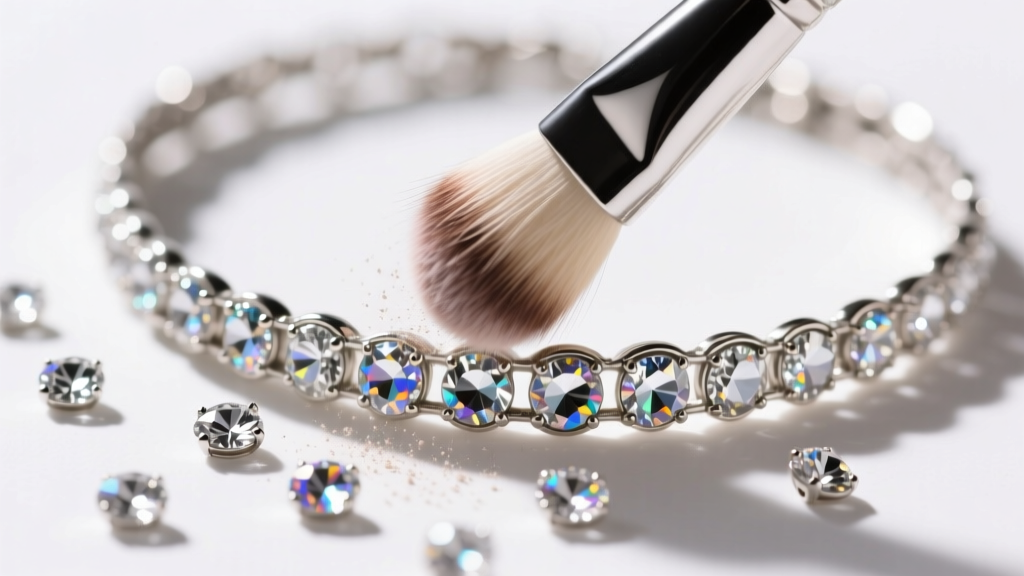
Step-by-Step Dry Dusting
- Prepare your workspace: Lay down a soft, lint-free microfiber towel over a hard surface to prevent damage if the necklace drops.
- Compressed air: Use a can of compressed air (held at least six inches away) to blow out loose dust, skin cells, and debris trapped beneath the prongs and inside the clasp mechanism.
- Soft-bristled brushing: Take a clean, unused, soft-bristled makeup brush (like an eyeshadow blending brush) and gently sweep the face of the rhinestones. The soft bristles will dislodge grime from the pavé settings without scratching the glass or catching on the soft pot metal prongs.
- Microfiber polishing: Gently wipe the metal links and the back of the necklace with a dry, untreated microfiber cloth to remove surface oils.
Advanced Spot-Cleaning for Stubborn Grime
If your necklace has accumulated decades of cosmetic residue, hairspray, or nicotine film, dry cleaning will not suffice. You must use a highly controlled spot-cleaning technique.
CRITICAL WARNING: Never use ultrasonic cleaners on vintage Weiss jewelry. The high-frequency vibrations will shatter the aged glass crystals and instantly strip the fragile foil backing.
The Q-Tip and Glass Cleaner Technique
For heavily soiled stones, use an ammonia-free glass cleaner (which is safe for leaded glass) or distilled water. Never use tap water, as the minerals can leave permanent spots.
- Dampen the tip of a cotton swab with your chosen liquid. It should be barely moist, not dripping.
- Gently roll the swab over the top face of the rhinestone only.
- Avoid pushing the swab into the prongs where liquid can wick underneath the stone.
- Immediately dry the stone with the dry end of the swab or a soft microfiber cloth.
For more general guidance on handling delicate mid-century pieces, The Spruce Crafts emphasizes that patience and minimal moisture are the golden rules of costume jewelry preservation.
Metal Base, Prong, and Clasp Maintenance
The metalwork on a Weiss necklace requires its own specialized care regimen, particularly regarding corrosion and mechanical tension.
Dealing with Verdigris
Verdigris is a green, crusty copper corrosion that frequently appears on the brass and pot metal bases of vintage jewelry. It is mildly toxic and will spread to other pieces if not isolated. Do not use water, vinegar, or lemon juice to remove it. Acids will eat through the soft pot metal and strip the rhodium plating. Instead, use a dry wooden toothpick to gently scrape the verdigris away from the crevices. For stubborn spots, apply a microscopic drop of mineral oil to the toothpick to soften the corrosion before scraping. Wipe away the residue immediately with a dry cotton swab.
Prong Tension and Clasp Lubrication
Weiss primarily used soft pot metal for prong settings. If a stone is loose, do not use metal pliers to tighten the prongs; the metal will snap. Use a wooden orange stick (manicure stick) to gently press the prong back over the stone's girdle. For fold-over or barrel clasps that have become stiff, avoid liquid oils like WD-40, which attract dust and gum up the internal steel springs. Instead, use a dry PTFE lubricant or a tiny pinch of graphite powder applied with a toothpick to restore smooth mechanical action.
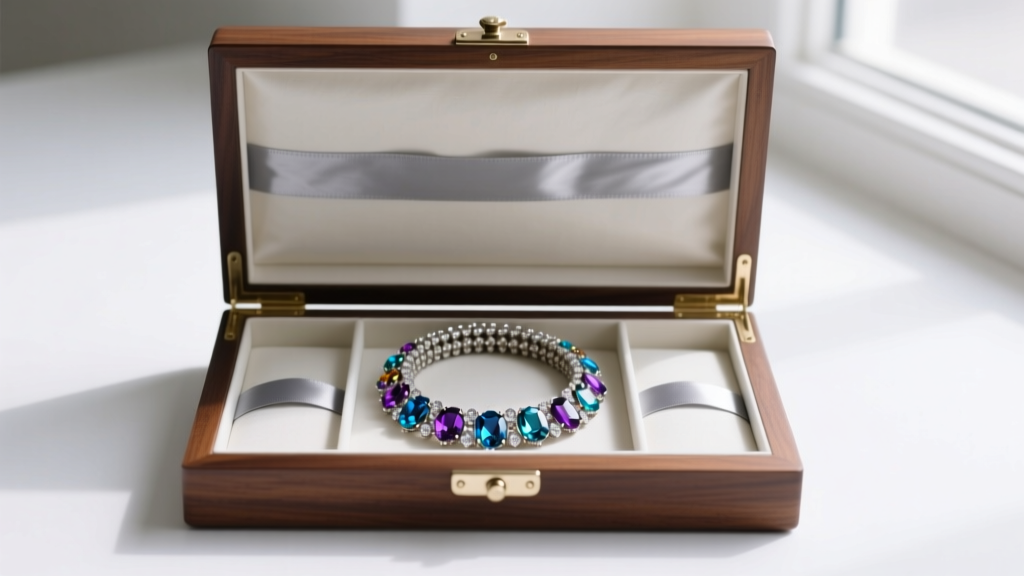
Storage and Environmental Controls
Proper storage is the final pillar of maintaining a vintage Weiss rhinestone necklace. Environmental factors like humidity, UV light, and sulfur in the air are the primary enemies of both the foil backing and the metal plating.
- Acid-Free Tissue: Wrap the necklace in unbuffered, acid-free archival tissue paper to prevent the metal from reacting with ambient gases.
- Anti-Tarnish Strips: Place a 3M anti-tarnish strip in the storage container. These strips absorb sulfur and hydrogen sulfide from the air, preventing the silver and rhodium plating from darkening.
- Silica Gel Packets: Include a small, rechargeable silica gel desiccant packet to maintain a low-humidity microclimate, protecting the foil backing from moisture-induced oxidation.
- Avoid Hanging: Never hang heavy vintage Weiss necklaces on a jewelry tree. The weight of the glass crystals will stretch the metal links and weaken the solder joints over time. Always store them flat and coiled in an archival box.
By adhering to these meticulous, expert-level care protocols, you ensure that your vintage Weiss rhinestone necklace retains its mid-century brilliance and structural integrity for decades to come.


