How to Clean and Care for Your When Smoke Clears Pearl Necklace
Expert care and cleaning guide for your When Smoke Clears pearl necklace. Learn how to protect nacre, maintain clasps, and store baroque pearls safely.

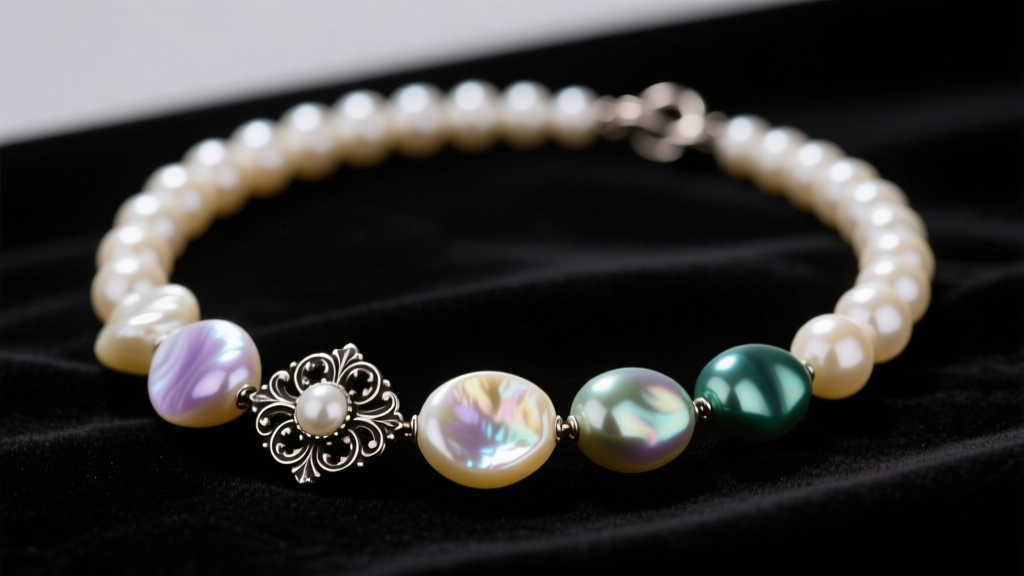
The When Smoke Clears pearl necklace represents a masterclass in modern, edgy jewelry design. By juxtaposing the organic, iridescent beauty of baroque and keshi pearls with industrial, oxidized, or heavily textured metal hardware, these pieces have become highly sought-after staples in contemporary wardrobes. However, this unique combination of materials requires a highly specific, nuanced approach to maintenance. Pearls are delicate organic gems, while the accompanying metal hardware often features intentional oxidation or mixed-metal plating that can be easily ruined by standard jewelry cleaners.
As a domain expert in fine jewelry maintenance, I have compiled this comprehensive, actionable guide to help you clean, store, and preserve the structural integrity and aesthetic brilliance of your When Smoke Clears pearl necklace for decades to come.
Understanding the Anatomy and Vulnerabilities of Your Necklace
To properly care for your necklace, you must first understand the materials at play. Pearls are not stones; they are organic gems primarily composed of calcium carbonate (in the form of aragonite crystals) and a complex protein called conchiolin. This gives them a Mohs hardness rating of just 2.5 to 4.5, making them incredibly susceptible to scratching and chemical erosion.
The Gemological Institute of America (GIA) emphasizes that the nacre (the outer layers of the pearl) is highly porous. It readily absorbs oils, perfumes, and acids, which can dull the luster and eventually cause the nacre to peel or crack. Furthermore, the signature dark, oxidized sterling silver or antiqued brass hardware often used in When Smoke Clears designs requires a completely different cleaning protocol than bright, polished silver. Using harsh silver dips will strip the intentional dark patina from the crevices of the clasp, ruining the designer's intended contrast.
The Chemical Enemies of Nacre and Oxidized Metals
Before reaching for any cleaning solution, you must know what to strictly avoid. The conchiolin protein in pearls is highly sensitive to alkaline substances, while the calcium carbonate is dissolved by acids. Below is a breakdown of common household hazards and their specific failure modes on your necklace.
| Chemical / Method | Effect on Pearl Nacre | Effect on Oxidized Hardware |
|---|---|---|
| Ultrasonic Cleaners | Causes micro-fractures and shatters thin nacre layers due to high-frequency vibrations. | Can loosen soldered jump rings and crack cast metal elements. |
| Ammonia / Windex | Destroys the conchiolin protein matrix, leading to permanent chalky dullness. | Strips intentional oxidation, leaving a patchy, unnatural shine. |
| Vinegar / Citrus Acids | Chemically reacts with calcium carbonate, literally dissolving the pearl's surface. | Accelerates uncontrolled, corrosive tarnishing on base metals. |
| Chlorine (Pools/Tap) | Pits the surface of the pearl and degrades silk stringing threads over time. | Causes irreversible pitting and structural weakening of silver alloys. |
Step-by-Step Cleaning Routine for Baroque Pearls and Mixed Metals
Forget generic jewelry soaking baths. Cleaning your When Smoke Clears pearl necklace requires a targeted, two-part approach that addresses the organic gems and the metal hardware separately.
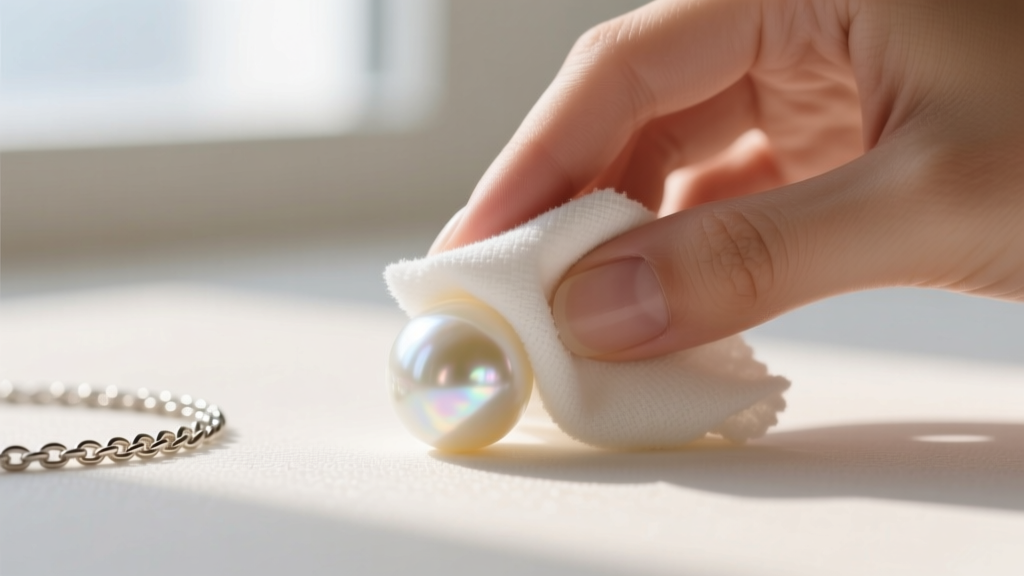
Phase 1: The Pearl Wipe-Down
- Prep your cloth: Use a clean, lint-free microfiber or 100% cotton cloth. Dampen a small corner with distilled water. Avoid tap water, as the fluoride and chlorine can leave microscopic deposits on the nacre.
- Gently wipe: Cradle the necklace in your hand and gently wipe each individual baroque or keshi pearl. Do not pull or stretch the stringing material.
- Address body oils: If the pearls have accumulated heavy skin oils or makeup residue, add a single drop of pH-neutral, unscented liquid castile soap to the damp cloth. Wipe the pearls, then immediately follow with a cloth dampened only with distilled water to remove any soap film.
- Air dry flat: Never hang a wet pearl necklace, as the weight of the water will stretch the silk or nylon thread. Lay it flat on a dry towel in a well-ventilated area away from direct sunlight or heat sources.
Phase 2: Hardware and Clasp Detailing
The clasps and metal accents on a When Smoke Clears necklace often feature intricate textures that trap dirt and lotion. To clean these without damaging the pearls or the oxidation:
- Dip a soft-bristled baby toothbrush or a specialized jewelry detailing brush into a mixture of warm distilled water and a tiny drop of mild dish soap.
- Carefully scrub only the metal clasp and jump rings, keeping the bristles away from the adjacent pearls and the stringing knots.
- Use a dry cotton swab to absorb excess moisture from the crevices of the metal hardware to prevent water spots.
Stringing Material: Silk vs. Wire Maintenance
The longevity of your necklace depends heavily on its stringing material. High-end indie designers often use different materials depending on the weight of the pearls and the desired drape.
Silk Thread (Traditional Knotting)
If your necklace features knots between each pearl, it is likely strung on silk. Silk is beautiful and allows the necklace to drape fluidly, but it is highly susceptible to stretching and rotting when exposed to sweat, cosmetics, and humidity. According to the American Gem Society, silk-strung pearls worn regularly should be professionally re-strung every 12 to 18 months. Inspect the thread near the clasp; if you see fraying, darkening, or visible gaps between the knots and the pearls, it is time for a restring.
Beading Wire (Soft Flex / Nylon-Coated Stainless Steel)
Some modern, heavier baroque pearl designs utilize nylon-coated stainless steel beading wire for added durability. While this wire will not stretch or rot from sweat, the metal crimps that secure the clasp can fatigue over time. Inspect the crimps annually using a jeweler's loupe to ensure they have not begun to slice through the nylon coating or slip.
Proper Storage Techniques to Prevent Nacre Damage
How you store your When Smoke Clears necklace when it is not being worn is just as critical as how you clean it. Improper storage is the leading cause of preventable pearl damage.
The 'Last On, First Off' Rule
Pearls must be the last thing you put on when getting dressed and the first thing you take off. Hairspray, perfume, and setting powders contain alcohols and aerosols that will instantly coat the nacre, suffocating its luster. Always apply your cosmetics and fragrances at least 15 minutes before clasping your necklace.
Isolation and Humidity Control
- Never store in a plastic bag: Plastic emits trace chemicals that can degrade the pearl's surface over time. Furthermore, sealing pearls in a completely dry environment (like a safe deposit box or a plastic ziplock) can cause the conchiolin to dry out, leading to microscopic cracking and 'crazing'.
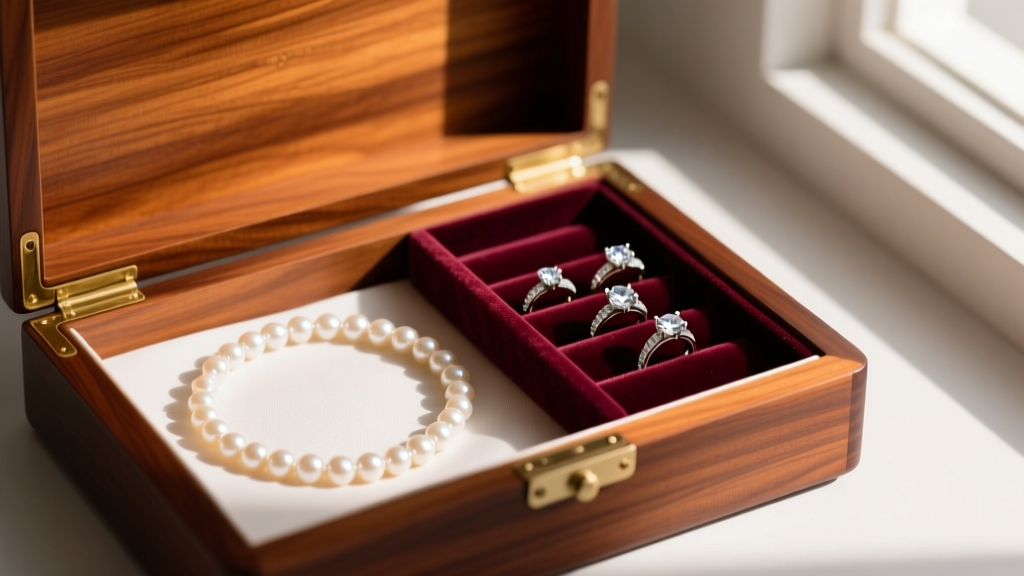
- Use acid-free tissue: Store the necklace flat in a jewelry box lined with acid-free, unbleached tissue paper or soft cotton. Hanging the necklace long-term will permanently stretch the stringing material.
- Separate from harder gems: Because pearls rank at a mere 2.5-4.5 on the Mohs scale, storing them in a communal jewelry box where they can rub against diamonds (10), sapphires (9), or even quartz (7) will result in severe, irreversible scratching. Always use a dedicated compartment or a soft cloth pouch.
- Anti-tarnish strips: To protect the oxidized or mixed-metal hardware from environmental sulfur and humidity, place a 3M anti-tarnish strip in the storage compartment. This will absorb airborne pollutants without altering the designer's intentional metal patina.
When to Seek Professional Maintenance
While at-home cleaning is sufficient for surface dirt, certain maintenance tasks require a professional jeweler. If your When Smoke Clears necklace features pearls set in metal cages, caps, or prongs, you must have a jeweler check the tension of the prongs annually. Temperature fluctuations and minor impacts can loosen these settings, risking the loss of a pearl. Additionally, never attempt to re-knot or re-crimp the stringing material yourself; professional re-stringing ensures the correct thread gauge and knot tension are used to match the specific drill hole sizes of your unique baroque pearls.
Summary Checklist for Longevity
- Wipe pearls with a damp microfiber cloth after every wear.
- Never use ultrasonic cleaners, steam, ammonia, or silver dip.
- Clean oxidized hardware with a soft brush and mild soap, avoiding the pearls.
- Store flat in a soft pouch, away from harder gemstones and plastics.
- Inspect silk knots for stretching and metal crimps for fatigue every 12 months.


