Ocarina Necklace Care: Cleaning Ceramic & Metal Pendants
Learn how to properly clean, maintain, and store your ocarina necklace. Expert tips for ceramic, clay, and metal pendants to prevent damage.

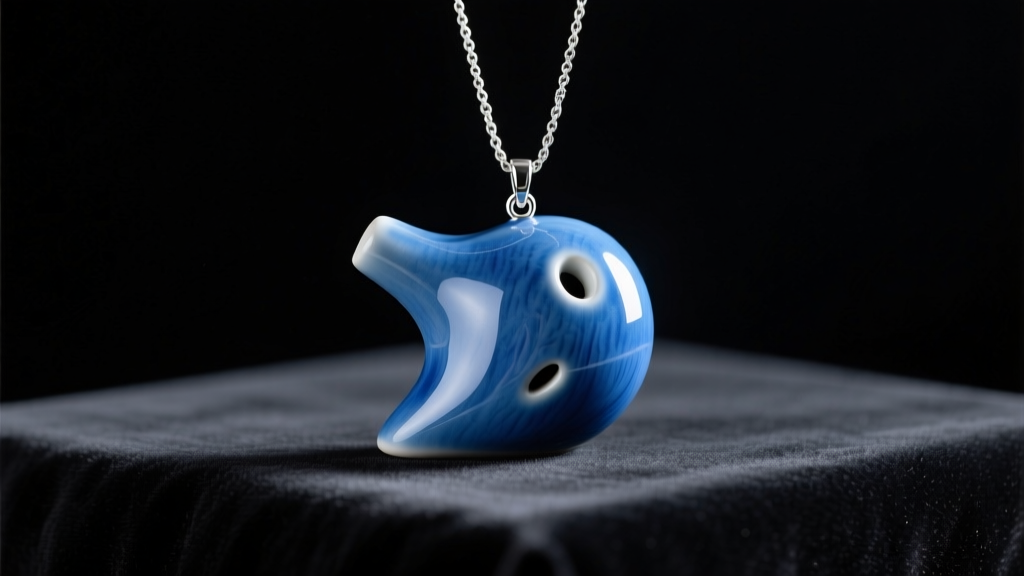
The Dual Nature of Functional Ocarina Pendants
Ocarina necklaces have surged in popularity, blending the artisan appeal of functional musical instruments with everyday wearable art. Whether you own a delicate 6-hole soprano pendant or a robust 12-hole alto piece, maintaining an ocarina necklace requires a dual approach: treating it as both a precision wind instrument and a piece of fine jewelry. As of 2026, the market features diverse materials ranging from hand-thrown glazed ceramics to cast sterling silver and raw brass. Each material demands a highly specific cleaning protocol to preserve both its aesthetic finish and its precise acoustic tuning. Improper care can lead to micro-fractures, ruined voicing, or irreversible tarnish.
Material-Specific Cleaning Protocols
Glazed Ceramic and Porcelain
Glazed ceramics are sealed, making them relatively resistant to moisture and skin oils. However, the glaze can develop micro-crazing (tiny surface cracks) if exposed to sudden temperature changes or harsh chemicals. To clean a glazed ceramic ocarina pendant, use a solution of distilled water and a single drop of pH-neutral dish soap. Gently wipe the exterior with a microfiber cloth. Never use ultrasonic jewelry cleaners; the high-frequency vibrations can shatter the internal chamber or weaken the glaze bond. According to conservation guidelines from the Metropolitan Museum of Art, porous ceramics with compromised glazes should never be submerged, as water can become trapped in the bisque layer beneath.
Unglazed Terracotta and Porous Clay
Unglazed clay is highly porous and acts like a sponge. It will absorb sweat, lotions, and environmental humidity, leading to dark, uneven patinas and potential mold growth inside the chamber. Never submerge an unglazed ocarina necklace in water. For exterior cleaning, use a dry, soft-bristled brush (such as a clean, unused makeup brush) to dislodge dust from the finger holes and carved detailing. If the clay becomes heavily soiled, lightly dampen a cotton swab with 99% isopropyl alcohol and spot-clean only the affected area, allowing it to evaporate instantly.
Metal Pendants (Sterling Silver and Brass)
Metal ocarinas, such as those crafted from 925 sterling silver or raw brass, require traditional metal polishing, but with a major caveat: you must keep polishing compounds out of the windway. The Gemological Institute of America (GIA) recommends using a specialized silver polishing cloth rather than liquid dips for intricate jewelry. Liquid dips can leave a chemical residue inside the fipple that is difficult to rinse out and toxic if the instrument is played. For brass pendants, a mild paste of lemon juice and baking soda can remove heavy oxidation, but it must be applied with a cotton swab strictly to the exterior surfaces.
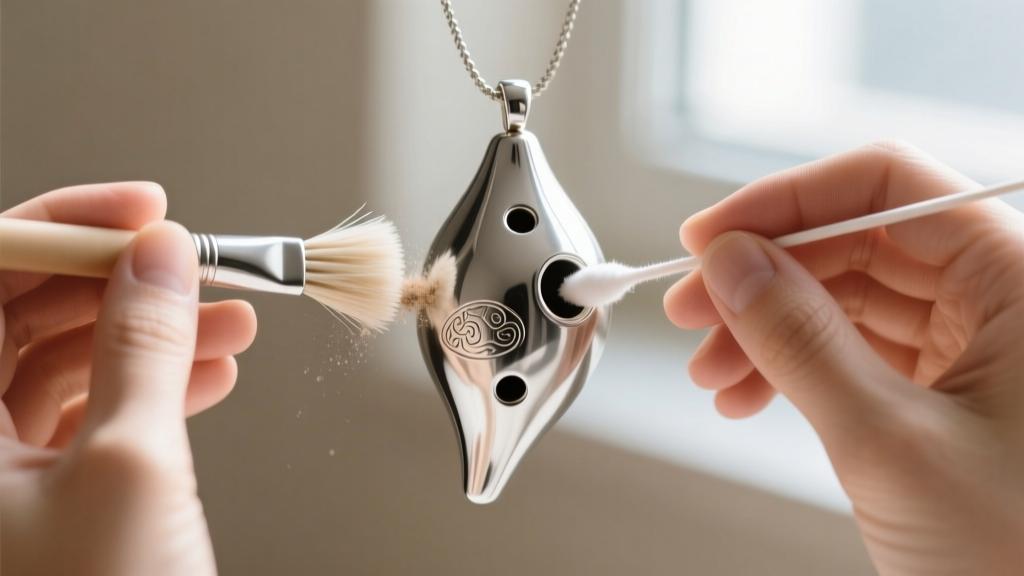
Sanitizing the Windway and Fipple
If you actively play your ocarina necklace, the windway (the narrow channel that directs air against the labium) will accumulate dried saliva, which contains amylase enzymes and bacteria. This buildup alters the aerodynamics of the instrument, causing a muffled tone or complete failure to sound. Furthermore, a dirty mouthpiece is a hygiene hazard.
- Do Not Use Metal Tools: Never insert a pin, needle, or metal toothpick into the windway to clear debris. Scratching the labium edge will permanently ruin the instrument's voicing.
- The Paper Swipe Method: Cut a thin, stiff strip of paper (like a business card). Gently slide it into the windway to push out moisture and debris. This is the standard maintenance technique recommended by woodwind manufacturers like Yamaha.
- Sanitization: Dip a cotton swab in 99% isopropyl alcohol and carefully swab only the exterior mouthpiece area. Do not squeeze excess liquid into the chamber, as it can warp wooden fipple inserts or cause internal mold in clay models.
Cleaning Agents Matrix: What to Use and Avoid
| Cleaning Agent | Safe For | Avoid For | Expert Notes |
|---|---|---|---|
| Distilled Water + Mild Soap | Glazed ceramic, exterior metal | Unglazed clay, internal windway | Rinse quickly; do not soak. |
| 99% Isopropyl Alcohol | Metal mouthpieces, spot-cleaning clay | Painted details, plastic ocarinas | Evaporates fast; kills bacteria. |
| Ultrasonic Cleaner | Solid metal chains (without pendant) | All ocarina pendants | Vibrations will shatter ceramic chambers. |
| Silver Polishing Cloth | Sterling silver, silver-plated brass | Unglazed clay, raw brass patinas | Never use liquid dips on functional windways. |
Hardware, Cords, and Chain Maintenance
The hardware connecting your ocarina to its chain or cord is a frequent point of failure. Ceramic 12-hole ocarina pendants typically weigh between 40 and 80 grams. Many artisan makers attach these heavy pendants using standard 22-gauge or 20-gauge jump rings. Under the dynamic weight of daily wear, these thin rings will warp, open, and drop your pendant, resulting in a shattered instrument.
Upgrade Your Hardware: Inspect the jump ring connecting the pendant to the chain. If it is thinner than 18-gauge, take it to a jeweler to be upgraded to an 18-gauge or 16-gauge split ring or soldered jump ring in sterling silver or titanium. For corded necklaces, silk and cotton cords degrade rapidly when exposed to skin acidity and sweat. Replace woven cords every 6 to 12 months, or upgrade to a durable, tarnish-resistant stainless steel snake chain with a secure lobster clasp.
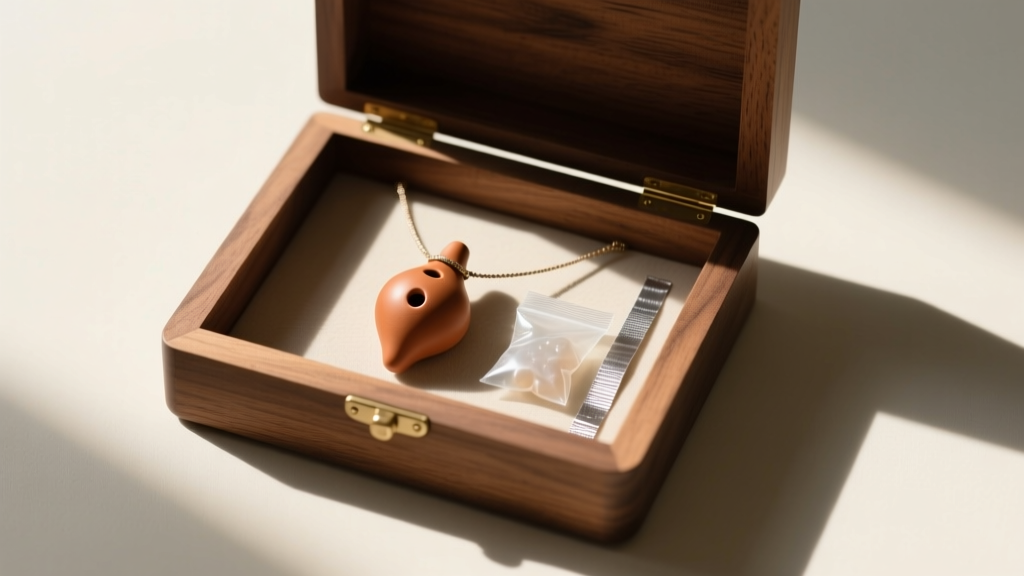
Proper Storage to Prevent Micro-Fractures
Storing an ocarina necklace in a communal jewelry box is a recipe for disaster. The ceramic or clay body is highly susceptible to chipping when knocked against harder gemstones or metal bangles. Furthermore, fluctuating humidity levels can cause unglazed clay to expand and contract, leading to structural cracks.
Expert Storage Tip: Always store your ocarina necklace in a dedicated, hard-shell protective case or a heavily padded individual pouch. Include a small silica gel desiccant packet to control ambient moisture, and if your pendant is sterling silver, add an anti-tarnish strip to absorb sulfur compounds from the air.
Troubleshooting Common Acoustic and Wear Issues
Issue: The Ocarina Sounds Muffled or Squeaks
Cause: Moisture or debris is blocking the windway, or the labium edge has been damaged. Solution: Perform the paper swipe method described above. If the issue persists, inspect the labium (the sharp edge opposite the windway exit) under a magnifying glass. If it is chipped, the instrument cannot be repaired and must be replaced.
Issue: White, Chalky Residue on Unglazed Clay
Cause: Mineral deposits from hard water or sweat efflorescence. Solution: Gently brush the area with a dry, soft-bristled brush. If the residue is stubborn, lightly dab it with a cotton swab moistened with white vinegar, then immediately wipe with a dry cloth. Do not soak the clay.
Issue: Brass Pendant Turning Skin Green
Cause: Raw brass reacts with the natural acids and salts in your skin, creating copper chloride. Solution: This is a harmless chemical reaction, not an allergy. To prevent it, apply a thin coat of clear, jewelry-safe lacquer or Renaissance Wax to the back of the pendant where it touches your skin. Reapply every few months as the wax wears off.
Conclusion
An ocarina necklace is a unique intersection of musical heritage and personal adornment. By respecting the material limitations of ceramic, clay, and metal, and by maintaining the delicate aerodynamics of the windway, you can ensure your pendant remains both a beautiful accessory and a functional instrument for years to come. Regular, mindful maintenance is the key to preserving the clear, haunting tone that makes the ocarina so captivating.


