Cleaning Tips to Preserve Color Meanings for Mood Necklace Pendants
Learn how to clean and maintain your thermochromic jewelry. Protect the liquid crystals and preserve accurate color meanings for mood necklace pendants.

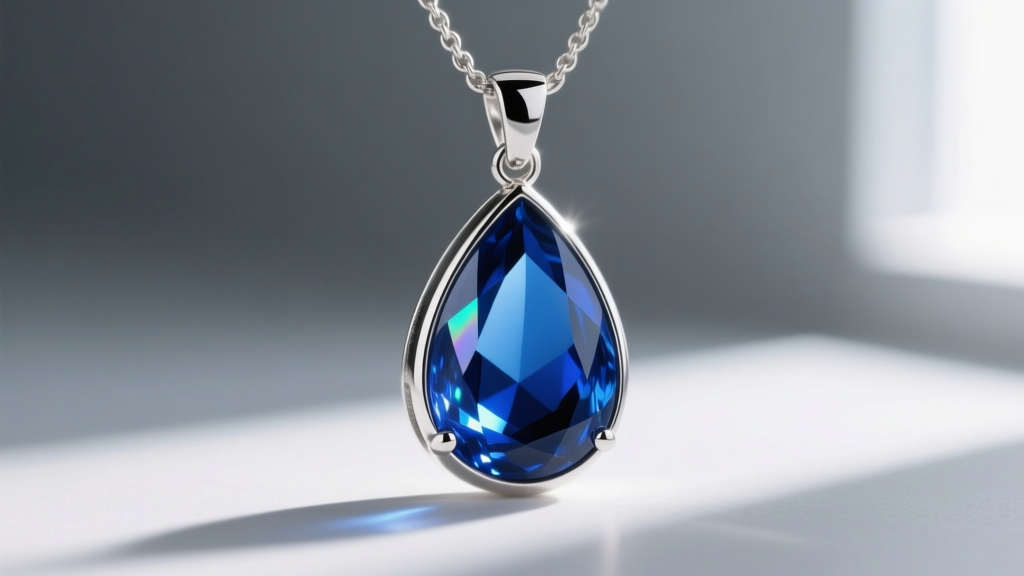
Mood jewelry has captivated wearers since the 1970s, blending retro nostalgia with wearable science. However, modern wearers often face a frustrating issue: their once-vibrant pendant suddenly turns pitch black or completely clear, ruining the accuracy of the color meanings for mood necklace charts they rely on. Unlike traditional gemstones, the "stone" in a mood necklace is actually a delicate matrix of thermochromic liquid crystals sealed within a glass or quartz dome. Cleaning and maintaining this specialized jewelry requires a completely different protocol than standard silver or gold pieces.
In this comprehensive care guide, we will explore the material science behind your pendant, outline a strict no-soak cleaning protocol, and provide actionable troubleshooting steps to ensure your necklace continues to reflect your temperature—and your mood—accurately for years to come.
The Science of Thermochromic Liquid Crystals
To understand how to clean a mood necklace, you must first understand what you are cleaning. The color-changing element is not a gemstone, but a layer of cholesteric liquid crystals. These molecules twist and untwist in response to microscopic fluctuations in skin temperature, altering the wavelength of light they reflect. According to material science principles documented by the American Chemical Society, these crystals are highly sensitive to their environment.
The crystals are encapsulated in a tiny, airtight glass or resin capsule, which is then set into a metal bezel. If the seal of this capsule is compromised by harsh chemicals, extreme thermal shock, or prolonged water exposure, the liquid crystals will hydrolyze or wash away entirely. Once the seal is broken, the pendant will permanently turn black (if the backing is dark) or clear, rendering the color meanings for mood necklace interpretations completely void.
Decoding the Colors: A Temperature Reference Chart
Before diving into maintenance, it is vital to understand the baseline temperatures your necklace is calibrated to read. Keep in mind that ambient room temperature and your unique baseline body heat will shift these thresholds slightly.
| Display Color | Temperature Range | Traditional "Mood" | Crystal State |
|---|---|---|---|
| Black / Gray | Below 22°C (72°F) | Stressed / Cold | Tightly wound, absorbing light |
| Blue / Green | 24°C - 28°C (75°F - 82°F) | Calm / Relaxed | Moderately spaced, reflecting blue/green |
| Yellow / Orange | 29°C - 31°C (84°F - 88°F) | Anxious / Active | Loosening, shifting to warmer wavelengths |
| Red / Pink | 32°C+ (90°F+) | Passionate / Hot | Widely spaced, reflecting red spectrums |
The "No-Soak" Cleaning Protocol
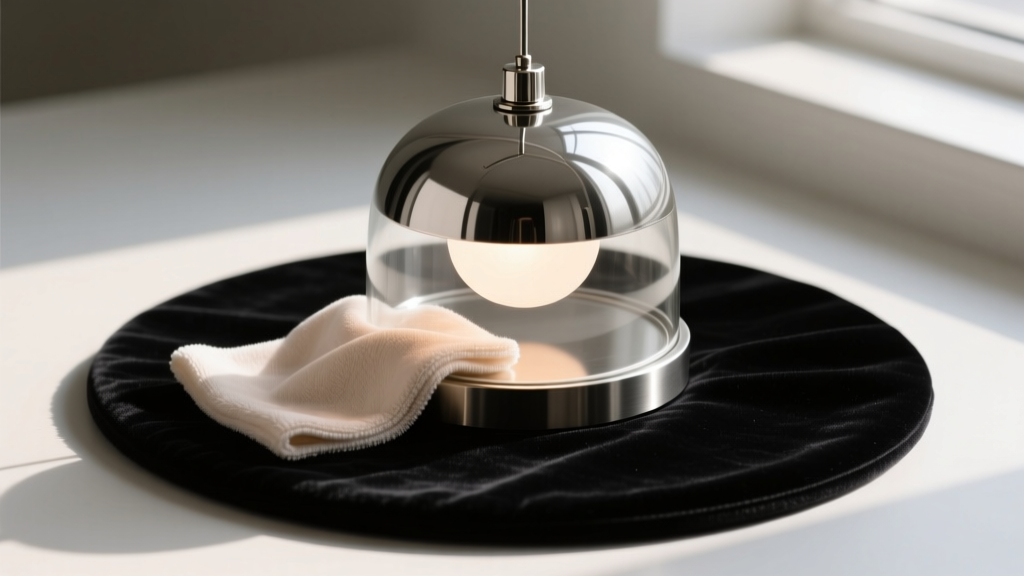
The golden rule of thermochromic jewelry care is simple: never submerge your mood necklace in water. Standard jewelry cleaning methods, such as ultrasonic baths, soapy soaks, or steam cleaners, will instantly destroy the hermetic seal of the pendant. To maintain the integrity of the stone while keeping the metal pristine, follow this specialized protocol.
Step 1: Isolate the Metal Bezel
Mood necklaces are typically set in 925 sterling silver, brass, or zinc-alloy base metals. Over time, the metal casing accumulates sebum, lotion residue, and oxidation. Use a dry, untreated jewelry polishing cloth (such as a Sunshine cloth) to gently buff the metal bezel and the bail. Apply zero downward pressure on the glass dome itself.
Step 2: The Microfiber Dome Wipe
To clean the glass or quartz dome covering the liquid crystals, use only a clean, dry optical-grade microfiber cloth. If there is stubborn fingerprint oil on the glass that alters the visual clarity of the colors, slightly dampen a corner of the cloth with a single drop of 99% isopropyl alcohol. Wipe the glass quickly and allow it to flash-evaporate. Never apply liquid directly to the pendant.
Step 3: Chain Maintenance
The type of chain you use affects the pendant's temperature reading. Snake chains and herringbone chains trap body oils and dead skin cells, which can act as an insulator, preventing the pendant from accurately reading your skin's surface temperature. Remove the pendant from the chain, and wash the chain separately in warm water with a mild dish soap, ensuring it is 100% bone-dry before reattaching the thermochromic pendant.
Environmental Threats to the Liquid Crystal Matrix
Beyond improper cleaning, environmental hazards are the primary reason mood jewelry loses its color-shifting capabilities. The Gemological Institute of America (GIA) notes that organic and temperature-sensitive jewelry requires strict environmental controls. Avoid the following scenarios to protect your pendant:
- UV Degradation: Prolonged exposure to direct sunlight breaks down the chemical bonds in cholesteric liquid crystals. Never leave your necklace on a car dashboard or a sunlit windowsill. If the UV damage is severe, the necklace will permanently default to a muddy yellow or clear state.
- Thermal Shock: Wearing your necklace into a hot shower, sauna, or hot tub subjects the glass dome and the metal bezel to different rates of thermal expansion. This microscopic warping breaks the waterproof resin seal, allowing moisture to invade the crystal layer.
- Chemical Exposure: Hairsprays, perfumes, and heavily fragranced lotions contain alcohols and solvents that can degrade the exterior resin coating over time. Always put your mood necklace on after applying cosmetics and fragrances.
Troubleshooting: When Your Necklace Turns Black or Clear
If your necklace has stopped changing colors, it is crucial to diagnose whether the issue is environmental or structural.
The Freezer Test: If your pendant is stuck on a single color (like deep blue or red), place it in a standard kitchen freezer for exactly 60 seconds. Remove it and hold it in your warm palm. If the colors shift back to black/gray and then transition through the spectrum as it warms, the liquid crystals are intact, and your pendant is functioning normally. If it remains completely clear or pitch black after this thermal cycle, the hermetic seal has failed, and the liquid crystals have been destroyed.
Unfortunately, if the seal is broken and the crystals are washed out or oxidized, the pendant cannot be repaired or "recharged." The thermochromic layer is microscopically thin and permanently bonded to the backing during the manufacturing process. In this case, the pendant must be replaced, though the metal chain and bezel can often be upcycled for a standard gemstone insert.
Storage Best Practices for Longevity
Proper storage is the final pillar of mood necklace maintenance. Because the metal bezels are prone to tarnish (especially if they are copper-based alloys plated in silver or gold), and the crystals are sensitive to ambient heat and light, your storage environment must be controlled.
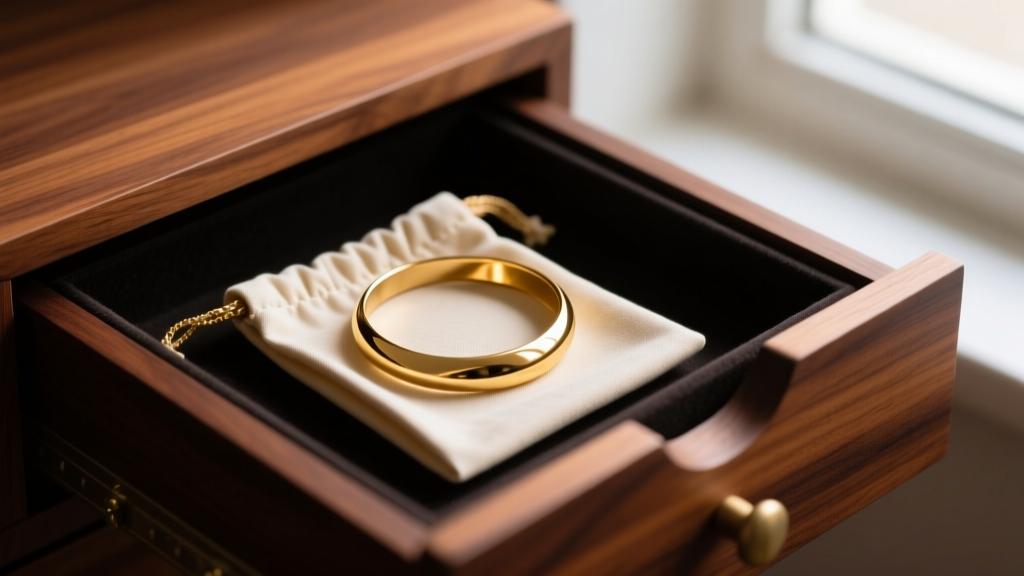
Store your necklace in an airtight, anti-tarnish ziplock bag or a specialized flannel jewelry pouch treated with silver sulfide inhibitors. Keep the pouch inside a dark, climate-controlled drawer—avoid storing it in a bathroom where humidity fluctuations are extreme. By treating your mood necklace as a sensitive scientific instrument rather than standard costume jewelry, you will preserve the vibrant, accurate color meanings for mood necklace wearers have cherished for decades.


