Expert Guide to Cleaning the Parts of a Chain Necklace
Learn how to safely clean and maintain all parts of a chain necklace, from delicate clasps and jump rings to intricate links and solder points.

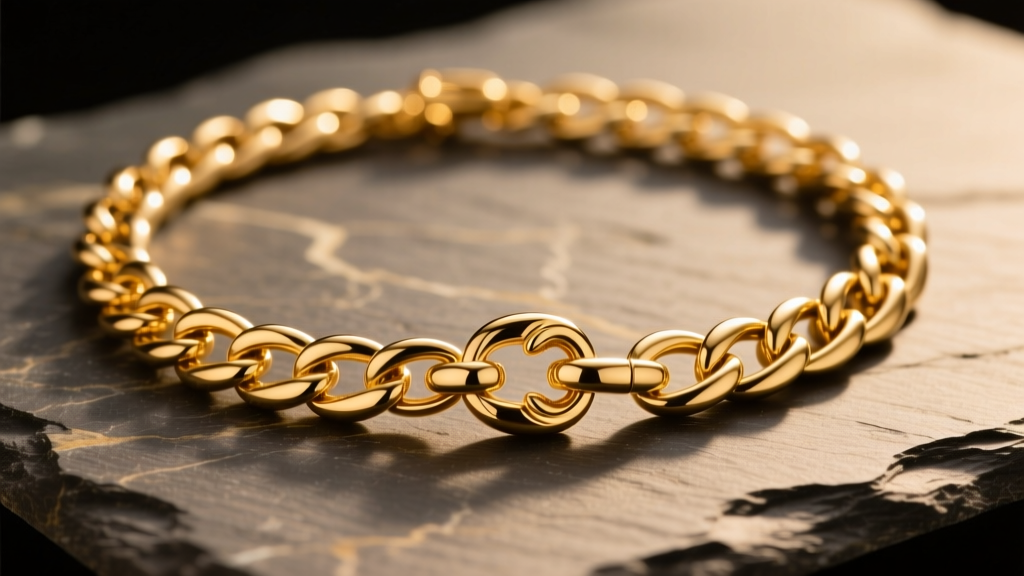
Why Anatomy Dictates Your Cleaning Strategy
Most jewelry owners treat a necklace as a single, uniform object, dropping it into a bowl of soapy water or a commercial cleaning solution without a second thought. However, as any master jeweler will tell you, a chain is a complex mechanical assembly. Understanding the specific parts of a chain necklace is the secret to preserving its structural integrity and brilliance. Each component—from the interlocking links to the microscopic spring inside the clasp—reacts differently to moisture, chemicals, and friction. According to the Gemological Institute of America (GIA), improper cleaning techniques are a leading cause of premature wear and mechanical failure in fine jewelry. This guide breaks down the exact maintenance protocols required for every individual part of a chain necklace, ensuring your pieces remain secure and radiant for decades.
The Anatomy of a Chain: Where Dirt and Damage Hide
1. The Links (Cable, Curb, and Rope)
The links form the primary body of the necklace. Whether you wear a simple cable chain, a flat curb chain, or an intricate rope chain, the friction points where metal rubs against metal are prime real estate for debris accumulation. Over time, a mixture of skin sebum, dead epidermal cells, and cosmetic residues (like titanium dioxide from sunscreen) forms a microscopic, abrasive paste. This paste acts like lapping compound, slowly grinding away the metal at the contact points and thinning the links. For rope chains, the tightly twisted spirals trap this debris deep within the crevices, making surface wiping entirely ineffective.
2. The Clasp Mechanism (Lobster and Spring Ring)
The clasp is the most mechanically complex part of a chain necklace. Both lobster clasps and spring rings rely on a tiny internal spring to keep the lever closed. While the outer casing of your clasp may be stamped 14k gold or sterling silver, the internal spring is almost always made of carbon steel or stainless steel to maintain tension. This creates a galvanic vulnerability. If you use harsh, acid-based commercial silver dips (which often contain thiourea and hydrochloric acid), the corrosive fumes and liquids will attack the steel spring, causing it to rust, lose its temper, or snap entirely. Jewelers of America strongly advises against using chemical dips on any jewelry containing mechanical steel components.
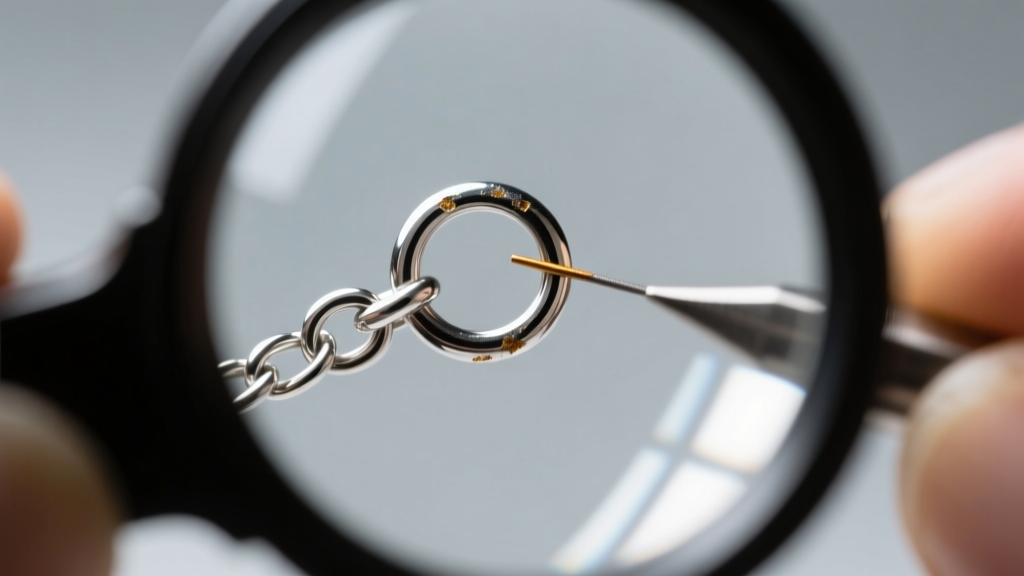
3. Jump Rings and Solder Points
Jump rings are the small circular connectors that attach the clasp to the chain links. They are typically crafted from 18-gauge or 20-gauge wire. High-end necklaces feature soldered jump rings (where the gap is fused shut with a laser or torch), while many commercial pieces use unsoldered rings with a microscopic slit. This slit is a massive dirt trap. Furthermore, the solder points on the links themselves represent an area where the metal's crystalline structure was altered by heat. These points are highly susceptible to chemical stress, particularly from chlorine, which causes stress corrosion cracking in karat gold alloys.
Material-Specific Cleaning Protocols by Component
Different metals and components require tailored chemical environments. Using the wrong agent on a specific part of the chain can lead to catastrophic failure. Refer to the matrix below to match your cleaning agent to the necklace component.
| Component | Material Vulnerability | Safe Cleaning Agent | Agents to Avoid |
|---|---|---|---|
| Solid Links (Gold/Platinum) | Scratching, alloy depletion | Mild dish soap, warm distilled water | Bleach, chlorine, abrasive pastes |
| Solid Links (Sterling Silver) | Tarnish (silver sulfide) | Baking soda paste, specialized silver cloth | Thiourea-based liquid silver dips |
| Clasp Mechanism | Internal steel spring rust | Isopropyl alcohol on a cotton swab | Acidic dips, prolonged water soaking |
| Unsoldered Jump Rings | Gapping, structural bending | Wooden orange stick, soft bristle brush | Metal pins, ultrasonic vibration |
Step-by-Step Maintenance for High-Risk Parts
Reviving the Clasp Spring
To clean a lobster clasp or spring ring without compromising the internal steel spring, avoid submerging it in liquid for extended periods. Instead, dip a cotton swab in 90% isopropyl alcohol and gently swab the exterior and the tiny crevice around the lever. The alcohol will dissolve skin oils and evaporate almost instantly, leaving no moisture behind to cause rust. If the lever feels stiff or sticky, apply a microscopic drop of synthetic watch oil to the hinge pin using a needle-tip oiler. Never use WD-40, as it leaves a gummy residue that attracts more dust.
Clearing the Jump Ring Gap
If your necklace features unsoldered jump rings, the gap will inevitably become clogged with hardened cosmetic paste. Do not use a metal needle or pin to pick this debris out; metal-on-metal scraping will create micro-grooves that weaken the wire and invite future tarnish. Instead, use a wooden cuticle stick (orange stick). The wood is hard enough to dislodge the compacted sebum but soft enough that it will not scratch 14k gold or sterling silver. Gently work the tip of the wood into the gap, then brush away the loosened debris with a soft-bristled infant toothbrush.
Ultrasonic vs. Steam: Which Parts Can Take the Heat?
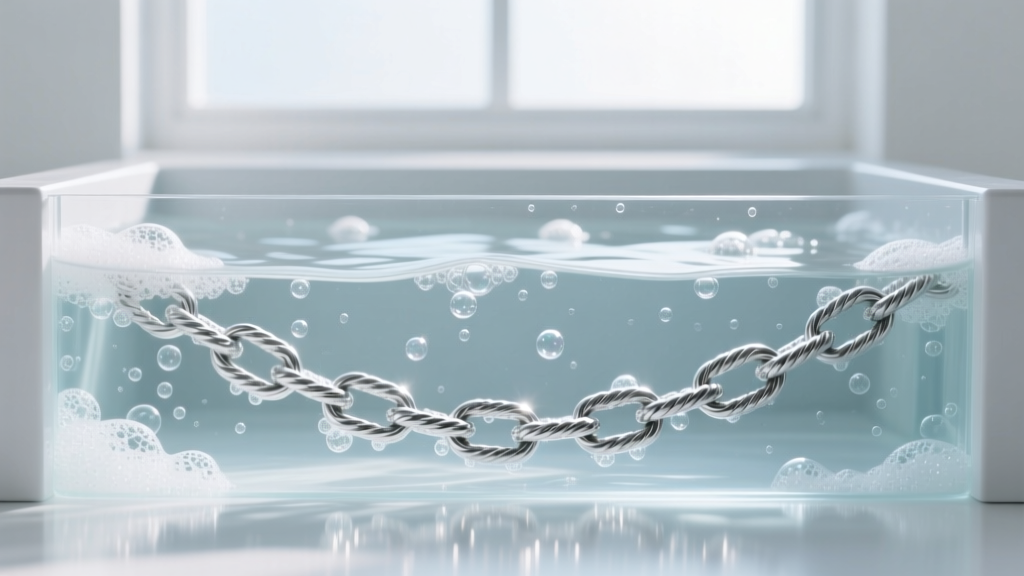
Machine cleaning is highly effective, but it poses severe risks to specific parts of a chain necklace if used indiscriminately. Ultrasonic cleaners operate at frequencies (typically 40kHz) that create microscopic cavitation bubbles. When these bubbles implode, they generate intense localized shockwaves. For solid, heavy cable or curb links, this is fantastic for blasting away dirt. However, if your necklace features hollow-core links (like puffed mariners or hollow ropes), the implosion force can dent the thin metal walls from the inside out or even shatter the links entirely. Furthermore, the high-frequency vibration can literally vibrate an unsoldered jump ring open, causing the clasp to detach.
Steam cleaners, on the other hand, use high-pressure, high-temperature vapor to blow debris out of intricate rope chains. While steam is safe for the metal links, the intense heat can compromise the temper of the tiny spring inside your clasp, causing it to lose its tension and fail to snap shut securely. Always detach the clasp from the cleaning process if possible, or shield it from direct steam blasts.
Preventative Care and Storage Framework
Maintenance is only half the battle; preventative care dictates how often you need to deep-clean the parts of a chain necklace. The golden rule of jewelry preservation is to remove your necklace before entering a swimming pool or hot tub. Chlorine reacts violently with the copper and zinc alloys in 14k and 18k gold. This reaction causes stress corrosion cracking, which specifically targets the soldered joints and jump rings, causing the chain to snap without warning.
For storage, implement the 'Clasp-Through-Link' method to prevent tangling and mechanical stress. Fasten the lobster clasp through the last link of the chain, but leave it resting loosely. Do not store necklaces in a tangled pile, as the friction of heavy pendants resting on delicate chains will cause micro-scratches and accelerate link thinning. Store each necklace individually in a soft, anti-tarnish flannel pouch, ensuring the clasp is positioned flat so it does not press indentations into the softer gold or silver links. By respecting the unique anatomy and mechanical vulnerabilities of your jewelry, you ensure that every part of your chain necklace remains as secure and beautiful as the day it was crafted.


