Budget Guide: Self-Portrait With Thorn Necklace Jewelry
Assess the true value of self-portrait with thorn necklace jewelry. Compare materials, pricing tiers, and craftsmanship for art-inspired briar chokers.

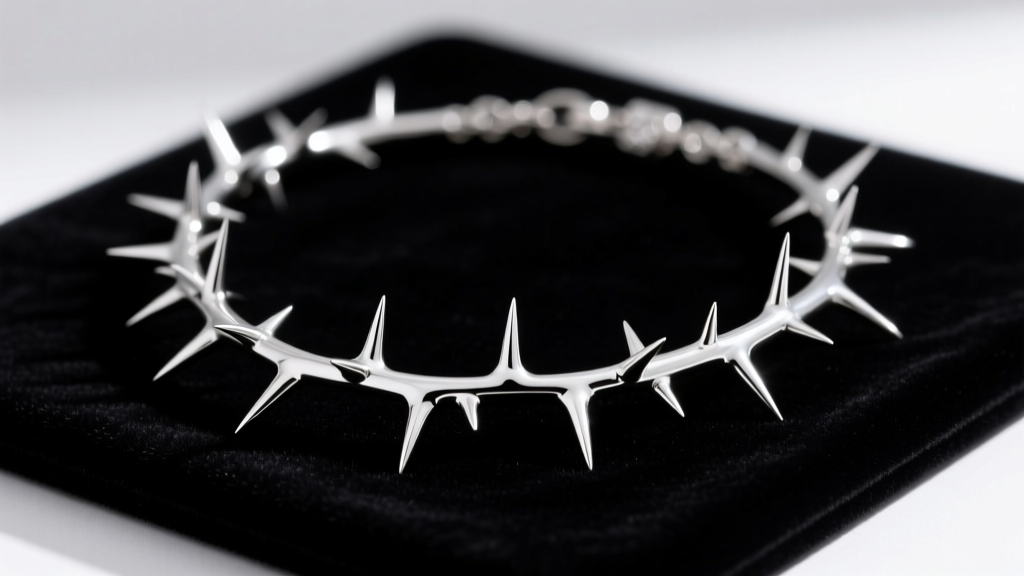
Frida Kahlo’s 1940 masterpiece is a profound exploration of pain, resilience, and identity. Today, the iconic imagery from the self-portrait with thorn necklace has transcended the canvas, inspiring a niche but highly sought-after category of botanical and briar jewelry. For collectors and fashion enthusiasts alike, wearing a thorn choker is a bold statement. However, translating this visceral artwork into wearable metal presents unique manufacturing challenges. As a buyer, how do you distinguish between a masterfully crafted artisan piece and a cheap, potentially hazardous mass-produced knockoff?
In this comprehensive budget and value assessment, we break down the metallurgy, craftsmanship, and pricing tiers of thorn-inspired necklaces. Whether you are looking for an everyday sterling silver briar collar or a museum-grade gold vermeil replica, understanding the true cost of production will ensure you invest in a piece that is both visually striking and physically safe to wear.
The Allure and Complexity of Briar Jewelry
Thorn necklaces are inherently paradoxical: they must look dangerous and sharp, yet they must be entirely safe against the skin. The original painting features a necklace of dead, dried briars that actively pierce the subject's skin, drawing blood. In jewelry design, replicating this aggressive aesthetic without causing epidermal lacerations requires advanced metallurgical techniques and meticulous hand-finishing.
The value of a thorn necklace is not just in the raw metal weight, but in the labor-intensive finishing process. A poorly crafted thorn choker will snag on clothing, scratch the collarbone, or oxidize rapidly. A high-value piece, conversely, utilizes ergonomic blunting and high-polish tumbling to create an optical illusion of sharpness while maintaining a smooth, skin-safe surface.
Material Breakdown: What You Should Actually Pay
When assessing the budget for art-inspired jewelry, the base metal dictates both the longevity of the piece and its baseline price. Here is a deep dive into the three most common materials used for thorn chokers and their fair market value in the current jewelry landscape.
1. Base Metals (Zinc Alloy and Brass)
Mass-market replicas are typically cast from zinc alloys or raw brass. While these materials allow for intricate, high-definition casting of the briar textures, they are highly prone to oxidation. The natural oils from your skin will cause raw brass to tarnish within weeks, and zinc alloys can cause contact dermatitis. Furthermore, base metal thorns are rarely hand-finished, meaning the tips remain dangerously sharp.
- Fair Price Range: $20 – $45
- Value Verdict: Low. Acceptable only for occasional costume wear or photography props.
2. 925 Sterling Silver
Sterling silver is the gold standard for artisan thorn necklaces. It offers the necessary tensile strength to support the rigid, interlocking briar structures without snapping. High-quality silver pieces are cast using the lost-wax method and undergo extensive tumbling. Silver also develops a natural patina that can actually enhance the dark, gothic aesthetic of a thorn choker over time.
- Fair Price Range: $95 – $180
- Value Verdict: High. The optimal balance of durability, skin safety, and artisanal craftsmanship.
3. 14k or 18k Gold Vermeil
For those seeking the warmth of gold, vermeil is the only acceptable alternative to solid gold (which would price a heavy choker well over $2,500). True vermeil requires a 925 sterling silver base plated with a minimum of 2.5 microns of gold. Because thorn necklaces experience high friction against the neck and clothing, anything less than 2.5 microns will wear off within months, exposing the silver beneath.
- Fair Price Range: $160 – $280
- Value Verdict: Moderate to High. Excellent for luxury aesthetics, provided the micron thickness is verified by the jeweler.
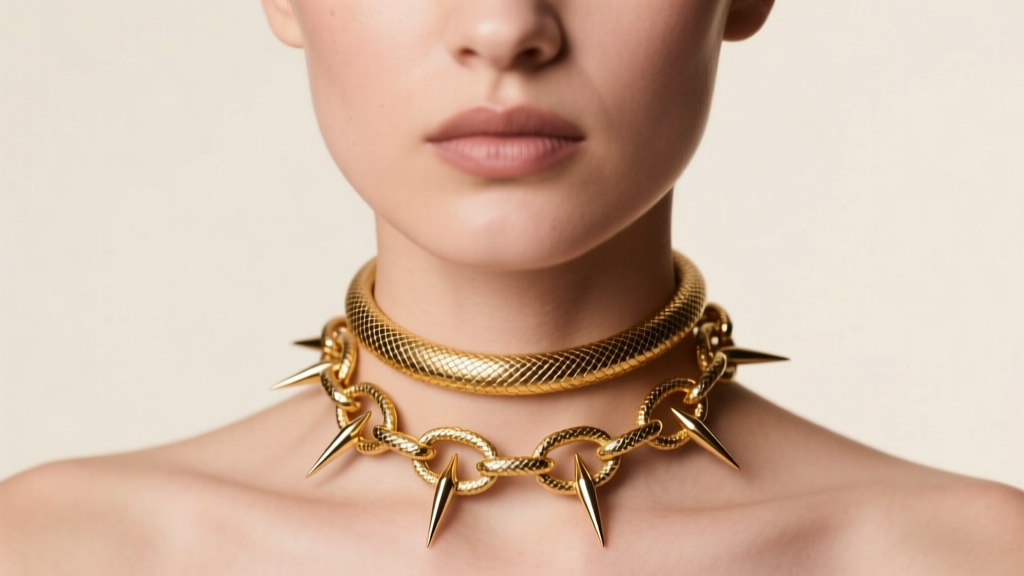
Craftsmanship and Safety: The Hidden Costs
According to jewelry manufacturing experts at Ganoksin, the finishing process is where the true cost of a thorn necklace is realized. To ensure a self-portrait with thorn necklace replica is safe for daily wear, jewelers must employ specific safety protocols during the casting and polishing phases.
The Lost-Wax Casting Process
High-value thorn necklaces are not stamped or molded; they are cast. A master model is carved or 3D-printed, then encased in silicone to create a mold. Wax is injected into the mold, attached to a sprue, and encased in investment plaster. The wax is burned out in a kiln at 1350°F, leaving a hollow cavity into which molten silver or gold is centrifugally forced. This process captures the microscopic bark and thorn textures that cheap manufacturing methods miss.
Tumbling and Tip-Blunting
Once cast, the raw metal is rough and sharp. The piece must be tumbled in stainless steel shot and burnishing compound for up to six hours to harden the metal and smooth the micro-porosity. However, tumbling alone is not enough for the thorn tips. A master jeweler will hand-file and sand the tip of every single thorn to a minimum 0.8mm radius. This creates a blunt, safe point that looks razor-sharp to the eye but will not pierce or scratch the skin upon impact.
Pro-Tip for Buyers: Run your thumb firmly along the thorns before purchasing. If you feel any micro-snags or sharp points that catch on your skin's ridges, the piece has been inadequately finished and poses a laceration risk.
Price vs. Material Value Matrix
Use the following matrix to evaluate if a jeweler's asking price aligns with the actual material and labor value of the piece.
| Material Grade | Chain Gauge & Type | Finishing Method | Fair Market Value |
|---|---|---|---|
| Zinc Alloy / Brass | 1.0mm Cable Chain | Machine Polish Only | $20 - $45 |
| 925 Sterling Silver | 1.5mm Rope / Snake Chain | Tumbled & Hand-Blunted | $95 - $180 |
| Heavy Gold Vermeil (2.5μm) | 1.8mm Box Chain | Tumbled, Hand-Blunted & E-Coated | $160 - $280 |
| Solid 14k Gold | 2.0mm Custom Link | Master Hand-Polished | $2,200 - $3,500+ |
The Hummingbird Pendant Factor
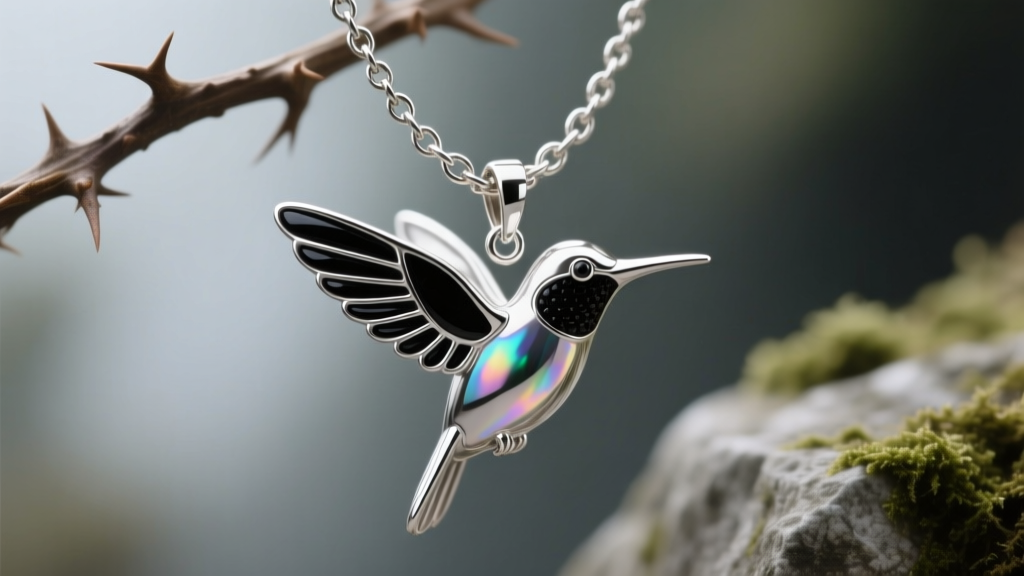
In Kahlo’s original self-portrait with thorn necklace, a small, lifeless hummingbird hangs from the center of the briar choker. Many high-end jewelry replicas incorporate this element as a detachable pendant. Assessing the value of this addition requires looking at the materials used for the bird and its integration with the chain.
Gemstone and Enamel Valuations
A basic cast-metal hummingbird adds roughly $25 to $40 to the total value of the necklace. However, artisan jewelers often elevate the pendant using vitreous enamel or gemstone inlays. If the hummingbird features genuine black onyx for the wings or a small tsavorite garnet for the eye, the pendant alone can command a premium of $80 to $150. Beware of pieces claiming to use "natural stones" but pricing the entire necklace under $60; these are almost certainly dyed glass or synthetic resins.
Bail and Clasp Mechanics
A heavy briar collar requires a robust clasp. A standard 5mm spring ring is insufficient and will snap under the weight of a solid silver thorn necklace. Look for a 10mm or 12mm lobster clasp, or ideally, a custom magnetic barrel clasp integrated seamlessly into the chain design. The pendant bail should be a hidden loop or a heavy-duty 18-gauge jump ring to prevent the hummingbird from detaching and being lost.
Where to Buy: Studio Artisans vs. Mass Market
When sourcing a self-portrait with thorn necklace, the origin of the piece heavily influences its long-term value and wearability.
- Studio Artisans (Etsy, Independent Boutiques): This is where you find true value. Independent casters often produce limited runs of 50 to 100 pieces, ensuring rigorous quality control over the tip-blunting process. You can often request custom chain lengths or specific gold micron thicknesses.
- Fast Fashion & Dropshippers: Platforms like Temu or Shein offer $12 thorn necklaces. These are universally cast from brittle zinc alloys with sharp, unpolished tips. They hold zero resale value and carry a high risk of skin injury and allergic reaction.
- Museum Gift Shops: Officially licensed replicas sold through art institution gift shops are generally safe and well-made, but carry a 30% to 50% "museum tax" markup. You are paying for the licensing agreement rather than superior metallurgy.
Final Verdict on Investment Value
The self-portrait with thorn necklace remains one of the most powerful visual motifs in art history, and its translation into jewelry is a testament to the enduring appeal of dark, botanical aesthetics. From a strict budget and value perspective, the sweet spot for investment lies in the $120 to $180 range for 925 sterling silver. At this price point, you are paying for the necessary labor-intensive safety finishing, a durable chain gauge, and a metal that will last a lifetime.
By prioritizing hand-blunted tips, verified vermeil thickness, and robust clasp mechanics over cheap base metals, you can acquire a piece of wearable art that honors the resilience of the original masterpiece without compromising on comfort or safety.


