Expert Care Guide: Maintaining Your Clear Chain Necklace
Learn expert cleaning and maintenance tips for your clear chain necklace. Prevent yellowing, avoid polymer degradation, and extend its lifespan.

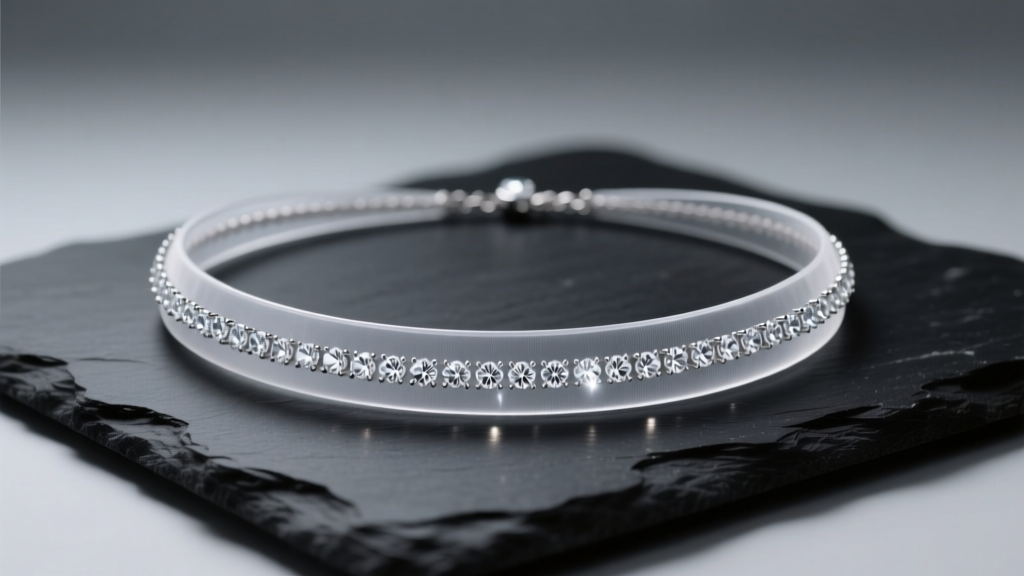
When it comes to contemporary jewelry, the clear chain necklace offers an unmatched illusion of floating gemstones or metallic stations. However, the polymers used to create these ethereal designs—ranging from extruded nylon to thermoplastic polyurethane (TPU)—require highly specific maintenance. Unlike gold or platinum, polymer chains are vulnerable to photo-oxidation, acidic degradation, and solvent-induced clouding. This comprehensive guide explores the material science behind your favorite illusion pieces and provides a meticulous, expert-level protocol for cleaning and preserving them.
The Anatomy of a Clear Chain Necklace
To properly care for a clear chain necklace, you must first identify the polymer used in its construction. The term 'clear chain' generally refers to three distinct materials in the jewelry industry:
- Extruded Nylon (Polyamide): The most common material for 'illusion' necklaces. Typically ranging from 0.5mm to 1.2mm in diameter, nylon offers high tensile strength (a 0.8mm cord can hold up to 15 lbs) but is highly porous and susceptible to acidic degradation from human sweat.
- Thermoplastic Polyurethane (TPU): Used for chunky, molded clear link chains. TPU is flexible and impact-resistant but contains aromatic rings that are notoriously prone to UV-induced yellowing.
- Polycarbonate/Resin: Used for rigid, geometric clear links. While highly transparent, polycarbonate is exceptionally prone to micro-scratching and will cloud if exposed to harsh chemicals.
Understanding your specific material dictates your cleaning protocol. According to the Gemological Institute of America (GIA), treating organic and polymer materials with the same ultrasonic or chemical methods used for metals will result in catastrophic, irreversible damage to the structural integrity of the chain.
The Science of Yellowing and Polymer Degradation
The most common complaint regarding clear chain necklaces is the inevitable yellowing of the cord or links. This is not a surface stain; it is a chemical reaction known as photo-oxidation. When UV light penetrates the polymer matrix of aromatic TPU or lower-grade nylon, it breaks down the molecular bonds, creating chromophores. These chromophores absorb blue light, causing the human eye to perceive the material as yellow.
Furthermore, the natural pH of human skin (which ranges from 4.5 to 5.5) acts as a slow-acting acid on nylon cords. Over months of continuous wear, this acidic environment degrades the polymer's plasticizers, leading to brittleness. A once-flexible 0.8mm nylon cord can lose up to 40% of its tensile strength after a year of exposure to unwashed skin oils and sweat, significantly increasing the risk of a catastrophic snap.
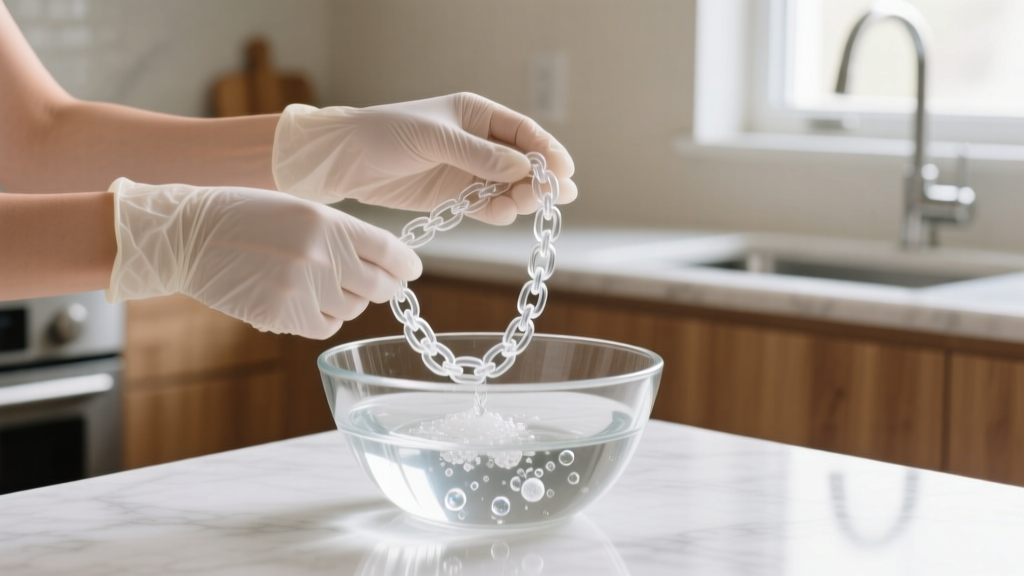
Step-by-Step Cleaning Protocol for Polymer Chains
To safely remove sebum, cosmetic residue, and environmental dust without compromising the polymer, follow this strict cleaning methodology. Never use tap water, as the calcium and magnesium in hard water will leave a cloudy micro-film on the clear surface that is nearly impossible to buff out without scratching.
Phase 1: Dry Particulate Removal
Before introducing any moisture, use a clean, lint-free microfiber cloth to gently wipe down the chain. This removes microscopic silica dust that could act as an abrasive during the wet-washing phase, causing micro-scratches on polycarbonate or TPU links.
Phase 2: The pH-Neutral Wash
Fill a glass bowl with distilled water and add two drops of a pH-neutral, fragrance-free dish soap (such as Dawn Free & Clear). Submerge the necklace for no more than three minutes. Gently agitate the water with your fingers to dislodge oils trapped near the metal crimp beads or gemstone stations. Do not scrub the clear chain directly with a brush, as even soft-bristled toothbrushes will leave permanent swirl marks on the polymer.
Phase 3: The Distilled Rinse and Air Dry
Rinse the necklace thoroughly under a slow stream of distilled water. Pat the metal stations dry with a microfiber cloth, but allow the clear chain to air-dry flat on a clean towel. Never use a hairdryer or place the necklace in direct sunlight to speed up the drying process, as localized heat can warp the polymer's molecular structure.
The Solvent Danger Zone: Chemicals to Avoid
Many jewelry owners mistakenly apply metal cleaning solutions to the entire piece, destroying the clear chain in the process. The Jewelers of America explicitly warns against using harsh chemicals on non-metallic jewelry components. Below is a critical reference table detailing common household chemicals and their destructive effects on clear chain polymers.
| Chemical Agent | Common Source | Effect on Clear Polymers |
|---|---|---|
| Acetone | Nail polish remover | Instantly dissolves TPU and melts nylon, causing permanent clouding and structural failure. |
| Isopropyl Alcohol | Rubbing alcohol, hand sanitizer | Extracts plasticizers from the polymer, leading to rapid drying, whitening, and severe brittleness. |
| Ammonia | Glass cleaners, metal dips | Causes surface etching on polycarbonate and accelerates UV-degradation in nylon cords. |
| Sodium Hypochlorite | Household bleach | Severs polymer chains, resulting in immediate loss of tensile strength and chalky discoloration. |
Storage and Environmental Controls
Proper storage is just as critical as cleaning. Because clear chains are highly susceptible to UV degradation, storing them in a transparent jewelry box or on an open vanity is a guaranteed way to accelerate yellowing. Always store your clear chain necklace in a UV-blocking environment.
Use individual, opaque velvet pouches or line your jewelry drawer with anti-UV fabric. Furthermore, never hang a clear chain necklace on a standard jewelry tree. The constant gravitational pull, combined with the weight of the metal clasp, will cause the polymer to stretch and deform over time. Always store the necklace laid completely flat to maintain its original tensile memory and prevent the metal stations from kinking the cord.

Recognizing Critical Failure Points
Even with meticulous care, clear chain necklaces have inherent mechanical vulnerabilities. The most common point of failure is the junction where the clear polymer meets the metal clasp. In many mass-produced pieces, a metal crimp bead is flattened directly onto the nylon cord. The sharp, folded inner edges of the crushed metal act like a microscopic saw blade. As you move, body heat causes the metal to expand and contract, slowly shearing through the nylon fibers.
To prevent this, inspect the crimp areas monthly. If you notice fraying, a milky white discoloration inside the cord, or a sharp bend immediately following the metal clasp, the necklace requires immediate professional restringing. A master jeweler can mitigate this by using French wire (bullion) or wire guardians—small, U-shaped metal tubes that protect the polymer from the abrasive edges of the jump ring, extending the life of your clear chain necklace by several years.
Conclusion
A clear chain necklace is a masterclass in modern jewelry design, offering a delicate, floating aesthetic that traditional metal chains cannot replicate. However, this beauty requires a departure from traditional jewelry maintenance. By understanding the specific polymer chemistry of your piece, avoiding destructive solvents, utilizing distilled water for cleaning, and implementing strict UV-blocking storage protocols, you can preserve the optical clarity and structural integrity of your necklace for years to come. Treat the polymer with the same respect you would give to a fragile organic gemstone, and your illusion chain will continue to dazzle without the distraction of clouding or yellowing.


