Clear Locket Necklace Value Guide: 2026 Pricing & Quality Tiers
Discover the true value of a clear locket necklace in 2026. Compare pricing tiers, glass types, and hinge mechanics to avoid overpaying.

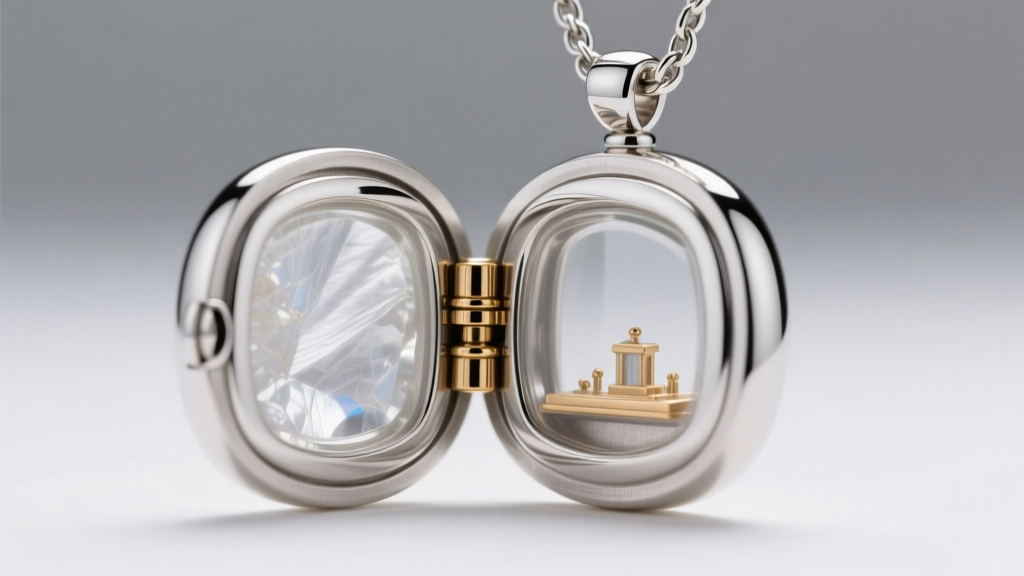
The clear locket necklace has evolved from a vintage novelty into a modern jewelry staple, offering a minimalist way to display photos, pressed flowers, or tiny keepsakes without the opaque concealment of traditional metal lockets. However, as the trend has surged through 2026, the market has been flooded with wildly varying quality levels. A transparent window exposes not just your cherished memento, but the structural integrity and material grade of the jewelry itself. Assessing the budget and true value of a clear locket requires looking past the aesthetic and examining the micro-engineering of the piece.
In this comprehensive value assessment, we break down the exact material grades, pricing tiers, and mechanical failure points you need to know before investing in a clear locket necklace.
The Anatomy of Transparency: Acrylic vs. Glass vs. Sapphire
The most critical value driver in a clear locket is the material used for the transparent windows. Many budget brands use the term 'crystal' or 'glass' loosely, but the scratch resistance and optical clarity vary drastically. According to the Gemological Institute of America (GIA), understanding the Mohs scale of mineral hardness is essential for evaluating jewelry durability.
- Acrylic (Mohs 3): Often found in lockets under $30. Acrylic is lightweight and shatter-resistant, but it scratches incredibly easily. A simple wipe with a microfiber cloth can leave micro-abrasions that cloud the window over time, obscuring the photo inside.
- Mineral Glass (Mohs 5-6): The standard for mid-range lockets ($50-$150). It offers excellent optical clarity and resists everyday dust and lint scratches. However, it can shatter if dropped on a hard tile floor and will scratch if it comes into contact with quartz or harder minerals.
- Sapphire Crystal (Mohs 9): Reserved for fine jewelry lockets ($250+). Sapphire crystal is virtually scratch-proof, second only to diamond. It provides flawless, glare-free visibility and ensures your keepsake remains perfectly visible for decades.
2026 Clear Locket Necklace Pricing Tiers
To accurately assess value, you must align the price tag with the manufacturing specifications. Below is the 2026 market matrix for clear lockets, detailing what you should expect at each price point.
| Tier | Price Range | Base Metal & Plating | Window Material | Hinge Mechanism |
|---|---|---|---|---|
| Budget | $20 - $45 | Brass with flash plating (<0.5 microns) | Acrylic / Resin | Simple pin hinge (exposed) |
| Mid-Range | $60 - $140 | 925 Sterling Silver or Vermeil (2.5 microns) | Tempered Mineral Glass | Concealed friction hinge |
| Fine / Heirloom | $200 - $500+ | Solid 14k/18k Gold or Platinum | Sapphire Crystal | Barrel hinge with silicone gasket |
Value Trap Warning: If a brand charges mid-range prices ($80+) but uses acrylic windows and brass base metals, you are paying for marketing, not material value.
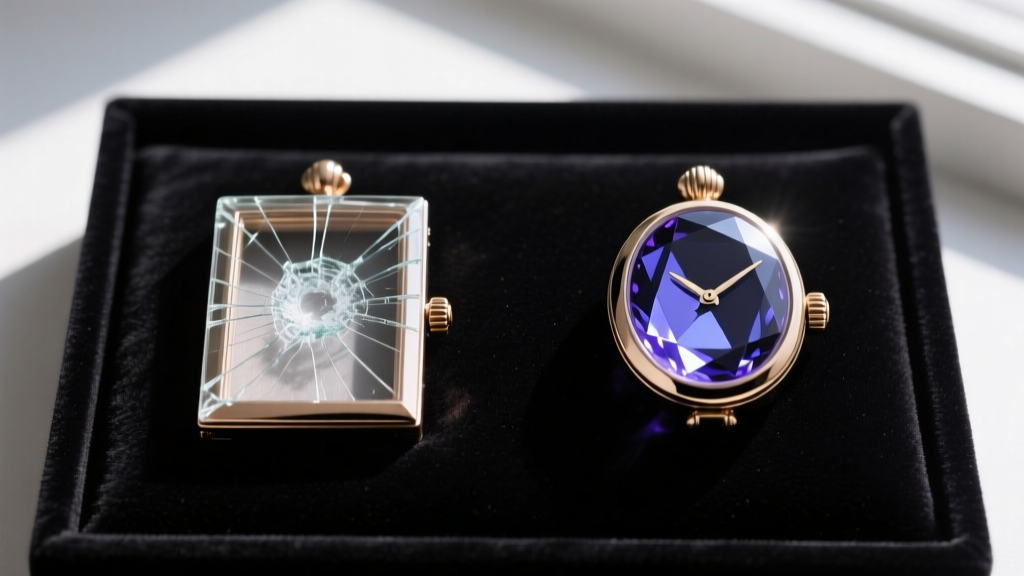
The Condensation Problem: Assessing Long-Term Durability
The most common complaint among clear locket owners is the 'greenhouse effect.' When worn against the skin, body heat warms the metal frame, while the ambient air cools the glass. This temperature differential traps moisture inside the locket, causing condensation that fogs the glass and eventually ruins paper photographs or degrades dried botanicals.
How do high-value lockets solve this? Silicone O-ring gaskets.
Premium clear lockets feature a microscopic, transparent silicone gasket embedded in the metal rim where the glass sits. This creates an airtight seal that prevents ambient humidity from entering the chamber. When evaluating a locket priced over $100, inspect the interior rim. If the glass is simply glued or pressed into the metal without a visible or tactile rubberized seal, the piece will inevitably suffer from internal fogging, rendering it a poor long-term investment.
Hinge and Clasp Mechanics: The True Test of Quality
A clear locket is essentially a micro-vault. If the hinge fails, the locket swings open, and the contents fall out. The hinge is where budget manufacturers cut corners, and where master jewelers prove their worth.
1. The Exposed Pin Hinge (Budget)
A tiny wire is looped through the metal frame and bent at the ends. This hinge wobbles laterally, putting stress on the metal loops. Over time, the wire snaps or the loops stretch, causing the locket to gape open.
2. The Concealed Friction Hinge (Mid-Range)
Machined directly into the metal frame, this hinge uses internal tension to 'snap' the locket shut. It prevents lateral wobble and keeps the glass windows perfectly aligned, ensuring the airtight seal is maintained.
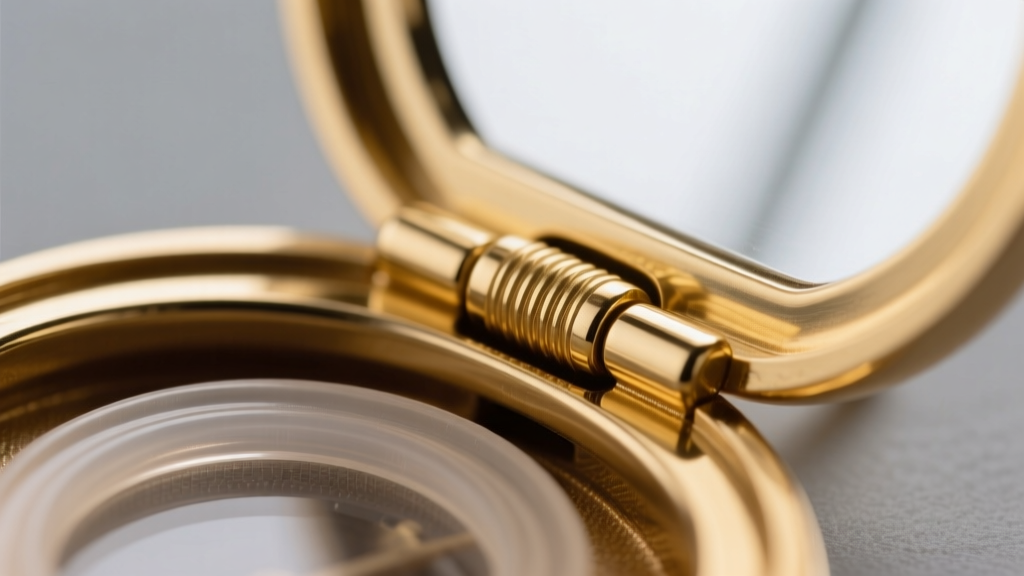
3. The Barrel Hinge (Fine)
A cylindrical, interlocking mechanism that distributes the weight of the heavy glass and metal evenly. It is virtually indestructible under normal wear and is a hallmark of heirloom-quality craftsmanship.
Chain Pairing and Weight Distribution
When assessing the total budget for your clear locket necklace, do not overlook the chain. Glass and thick metal framing make clear lockets significantly heavier than standard stamped pendants. A delicate 1mm cable chain is a structural liability.
For lockets weighing between 15 and 25 grams, you must pair them with a chain that offers high tensile strength. We recommend 1.5mm to 2.0mm box chains or wheat chains. These styles feature interlocking, multi-directional links that distribute the pendant's weight evenly, preventing the chain from kinking or snapping at the clasp. Furthermore, ensure the jump ring (the loop connecting the locket to the chain) is soldered shut. An unsoldered jump ring will easily pull apart under the pendulum-like swinging motion of a heavy glass locket.
Metal Purity and Plating Standards
If you are opting for a gold-toned clear locket, understanding plating standards is vital for value assessment. According to the Federal Trade Commission (FTC) Jewelry Guides, the term 'vermeil' is strictly regulated. To be legally sold as gold vermeil in the United States, the piece must have a base of 925 sterling silver and be plated with gold that is at least 10k purity and a minimum of 2.5 microns thick.
Many fast-fashion jewelry brands sell 'gold plated' lockets over brass bases. These feature a flash plating of less than 0.5 microns. The friction of the locket opening and closing, combined with skin oils, will wear through this micro-thin layer in a matter of weeks, leaving you with a tarnished, green-staining brass frame that ruins the aesthetic of the clear windows.
Final Verdict: How to Spot a High-Value Clear Locket
To ensure your budget is allocated toward genuine quality rather than brand markup, use this rapid assessment checklist before purchasing:
- Scratch Test Inquiry: Confirm the window is mineral glass or sapphire, never acrylic.
- Seal Inspection: Look for a silicone gasket or O-ring to prevent the greenhouse condensation effect.
- Hinge Integrity: Ensure the locket snaps shut with a concealed friction or barrel hinge, avoiding exposed wire pins.
- Metal Verification: Demand 925 sterling silver or solid gold. If plated, verify it meets the 2.5-micron vermeil standard.
- Hardware Check: Ensure the top jump ring is fully soldered to support the heavy glass-and-metal payload.
By applying these rigorous value assessment criteria, you can confidently invest in a clear locket necklace that preserves your memories with optical clarity and structural permanence, avoiding the disposable trap of fast-fashion jewelry.


