The Cleef Necklace: Technical Guide to Alhambra Materials
An expert technical breakdown of the iconic cleef necklace, covering Alhambra motif dimensions, 18k gold chain gauges, and hardstone durability.

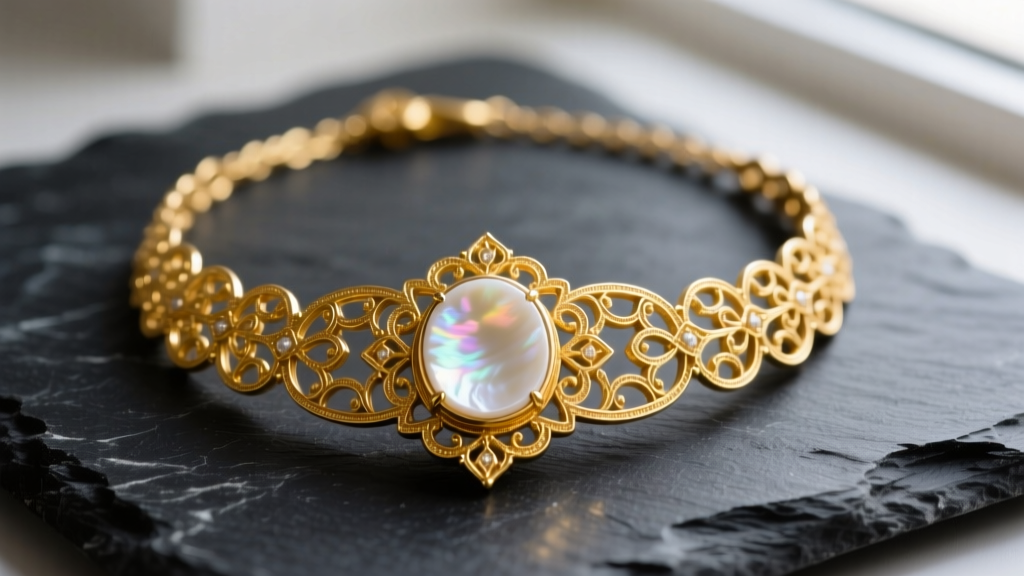
The Architectural Precision of the Alhambra
When master jewelers and luxury appraisers discuss iconic design, the cleef necklace—specifically the Van Cleef & Arpels Alhambra collection—occupies a rare echelon of horological and gemological engineering. Far from a simple clover pendant, the Alhambra motif is a masterclass in structural goldsmithing, hardstone inlay, and tensile chain mechanics. For collectors and prospective buyers navigating the secondary and primary markets in 2026, understanding the technical specifications of these pieces is paramount. This guide deconstructs the metallurgy, gemological failure modes, and authentication markers that define the authentic cleef necklace.
Motif Dimensions and Chain Specifications
The structural integrity of any fine necklace relies on the proportional relationship between the pendant weight and the chain gauge. The Alhambra collection is divided into three primary architectural tiers, each demanding specific chain tensile strengths to prevent micro-fractures and link distortion over time.
| Collection Tier | Motif Width | Standard Chain Length | Chain Gauge (Approx) | Gold Weight (Pendant) |
|---|---|---|---|---|
| Vintage Alhambra | 15.0 mm | 16.5 inches | 1.2 mm - 1.4 mm | 4.5g - 6.0g |
| Sweet Alhambra | 9.0 mm | 16.0 inches | 0.8 mm - 0.9 mm | 1.8g - 2.5g |
| Magic Alhambra | 12.0 - 20.0 mm | 16.5 - 18.0 inches | 1.5 mm+ | Varies widely |
The chains utilized are predominantly precision-cable links, laser-welded to ensure uniform seam integrity. While the 1.2mm Vintage chain can comfortably support the 6-gram pendant during daily wear, the 0.8mm Sweet chain is highly susceptible to tensile snapping if subjected to sudden lateral force exceeding 3 pounds. Owners must exercise extreme caution when layering the Sweet variation with heavier chains to avoid friction-induced link thinning.
Hardstone Metallurgy and Gemological Failure Modes
The true technical marvel of the cleef necklace lies in its hardstone inlay. The stones are not merely glued; they are friction-set into a scalloped 18k gold bezel. However, each material possesses distinct chemical vulnerabilities that dictate its longevity.
Mother of Pearl and Onyx
White Mother of Pearl (MOP) is composed primarily of aragonite, a crystalline form of calcium carbonate. On the Mohs hardness scale, it registers a mere 2.5 to 4.5. Its primary failure mode is chemical etching. Exposure to acidic environments—including human sweat, citrus, and alcohol-based perfumes—dissolves the aragonite layers, resulting in irreversible dulling and pitting. According to the GIA Gem Encyclopedia, organic gemstones like MOP require strict pH-neutral cleaning protocols.
Conversely, the black onyx used in the Alhambra collection is not naturally occurring black chalcedony. It is gray chalcedony that has been treated with a carbon-based dye and heated. While it boasts a superior Mohs rating of 7, its failure mode is photochemical. Prolonged exposure to direct ultraviolet light over decades can break down the carbon bonds in the dye, leading to a subtle, uneven brownish fading that significantly impacts secondary market valuation.
Malachite and Carnelian
Malachite is a copper carbonate hydroxide mineral (Cu2CO3(OH)2). It is notoriously porous and highly reactive. The most common failure mode for a malachite cleef necklace is water damage. Submerging the stone in water, or exposing it to chlorinated pool water, causes the copper compounds to oxidize and leach, resulting in white, chalky surface blooms and structural micro-cracking. The official Van Cleef & Arpels care instructions explicitly forbid the use of ultrasonic cleaners or chemical dips on malachite pieces.
Carnelian, a reddish-orange variety of chalcedony colored by iron oxide impurities, is the most chemically stable hardstone in the Alhambra lineup. With a Mohs hardness of 7 and excellent resistance to both acids and UV degradation, carnelian motifs require minimal intervention beyond standard mechanical polishing of the surrounding gold bezel.
Authentication: Hallmarks, Serials, and Beading
As the secondary market for luxury jewelry expands, so does the sophistication of counterfeit manufacturing. Authenticating a cleef necklace requires a loupe-level inspection of three distinct technical markers.
The Millegrain Beaded Edge
The perimeter of the Alhambra motif features a signature beaded gold border, known as millegrain. On authentic pieces, these beads are individually hand-finished or precision-cast with distinct, spherical separation. High-end counterfeits often utilize a single stamped mold, resulting in beads that appear flattened, merged, or lacking in sharp undercutting. Under 10x magnification, authentic beading will show microscopic tooling marks indicative of hand-polishing, whereas fakes will display the smooth, rounded edges characteristic of mass-casting.
Hallmarks and Laser Engraving
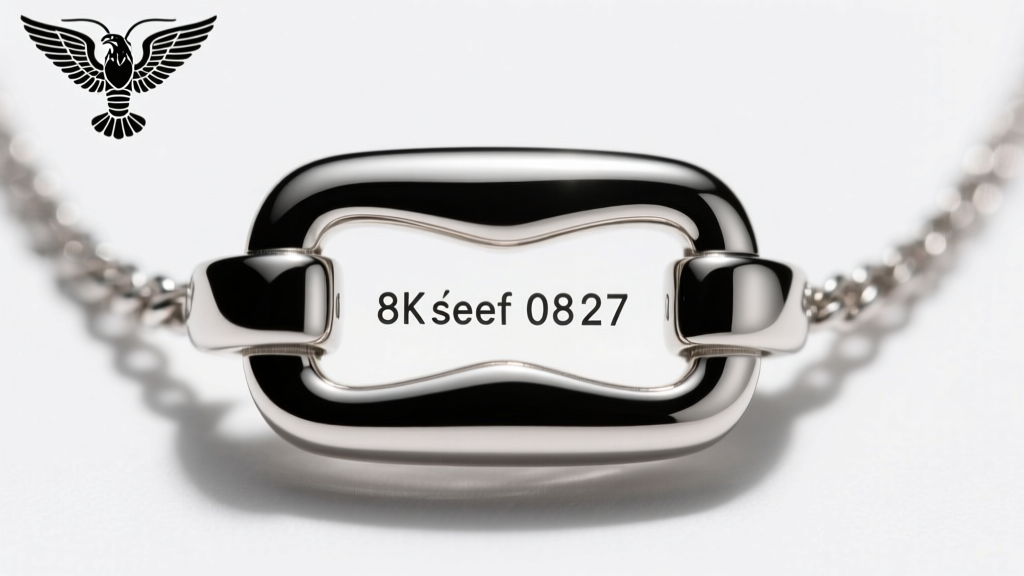
Because Van Cleef & Arpels manufactures primarily in France, all 18k gold pieces must bear the Tête d'Aigle (Eagle Head) hallmark, certifying a minimum gold purity of 750 parts per thousand. This stamp is typically located on the clasp ring or a dedicated flat tag. Furthermore, the VCA maker's mark—a lozenge containing the letters VCA and a symmetrical symbol—must be crisp. Finally, authentic modern pieces feature an 8-character alphanumeric serial number (e.g., JA1234AB) laser-engraved into the metal. This engraving should be deep, sharply contrasted, and perfectly aligned; shallow, dot-matrix style etching is a primary indicator of forgery.
2026 Market Pricing and Investment Trajectory
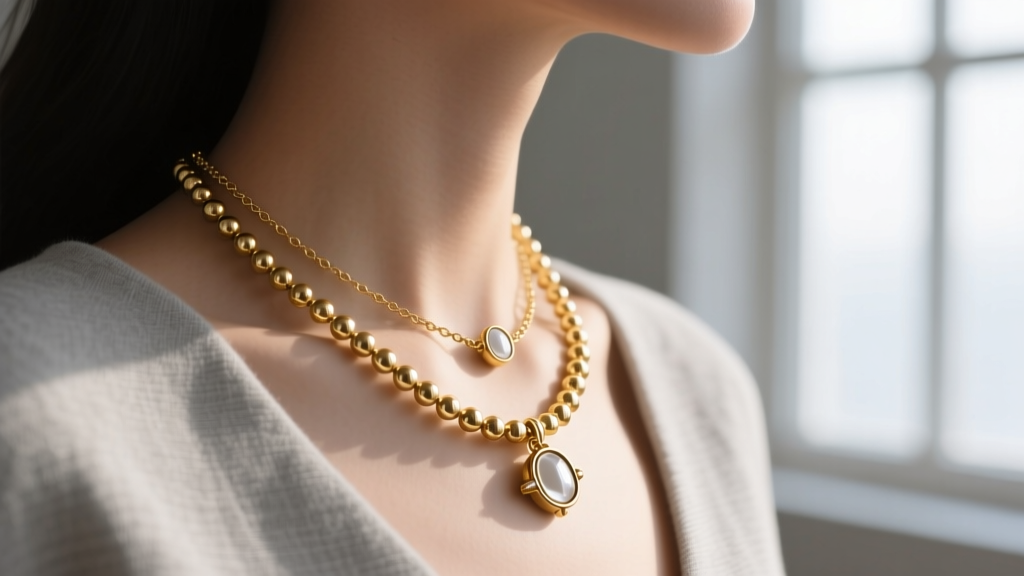
The technical scarcity of specific hardstones, combined with the rising spot price of gold, has fundamentally altered the pricing architecture of the cleef necklace. In 2026, the entry-level Sweet Alhambra pendant in mother of pearl hovers around the $1,800 to $2,100 mark. However, the Vintage Alhambra in malachite and onyx has crossed the $4,500 threshold at retail, driven by the brand's aggressive positioning and the increasing difficulty of sourcing high-grade, unblemished malachite rough.
For investors and collectors, the technical condition of the stone inlay is the primary driver of resale value. A vintage piece with a pristine, un-etched malachite stone and tight, un-stretched chain links will command a 20% to 30% premium over identical models showing microscopic aragonite pitting or link elongation. Understanding these material realities transforms the purchase from a mere aesthetic choice into a calculated acquisition of wearable metallurgical art.


