How to Choose the Perfect Gold Men Necklace: A Step-by-Step Guide
Learn how to choose, size, and style a gold men necklace. This step-by-step guide covers karats, chain types, lengths, and maintenance tips.

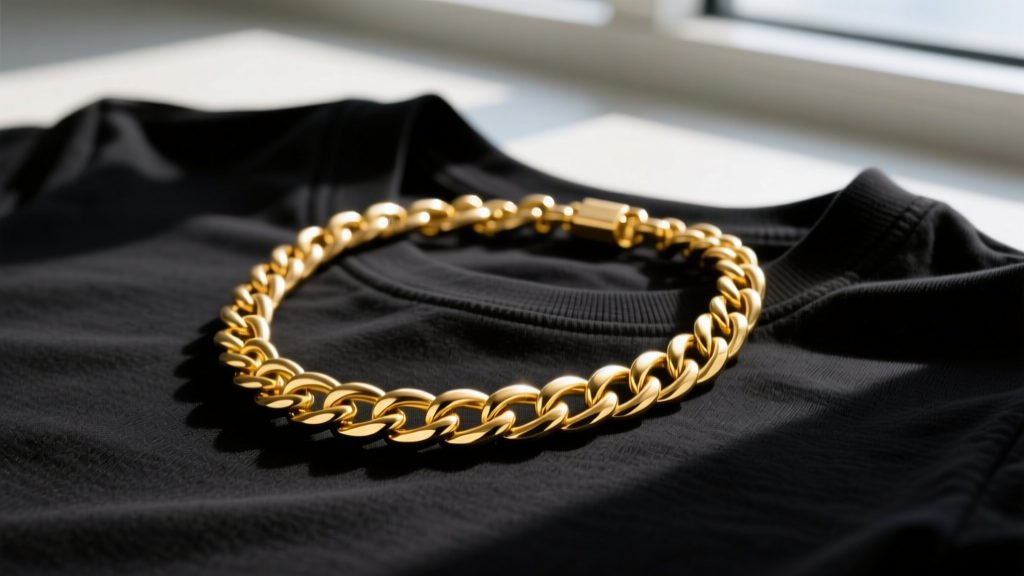
Introduction: The Evolution of Men's Gold Jewelry
The landscape of men's jewelry has shifted dramatically over the last decade. As we navigate 2026, the gold men necklace has transcended its hip-hop and streetwear origins to become a cornerstone of refined, everyday menswear. Whether you are aiming for a subtle accent piece beneath an unbuttoned linen shirt or a heavy statement chain over a tailored hoodie, selecting the right necklace requires a strategic approach. This comprehensive, step-by-step guide will walk you through the metallurgy, mechanics, and styling nuances of choosing a gold chain that aligns with your lifestyle, body type, and budget.
Step 1: Solid Gold vs. Plated Alternatives
Before evaluating karats, you must understand the fundamental construction of the chain. The market is flooded with deceptive terminology, so knowing the difference is critical for long-term value.
- Solid Gold: The entire chain is forged from a gold alloy. It will never fade, can be polished indefinitely, and holds intrinsic melt value. This is the only recommendation for chains meant for daily, lifelong wear.
- Gold Vermeil (pronounced ver-may): A thick layer of gold (minimum 2.5 microns) electroplated over a sterling silver base. It is a viable budget alternative, but the gold layer will eventually wear off with daily friction.
- Gold Plated / PVD Coated: A microscopic layer of gold over brass or stainless steel. Physical Vapor Deposition (PVD) is highly durable and water-resistant, but it lacks the prestige, weight, and resale value of solid gold.
Step 2: Decoding Gold Karats for Men's Chains
Pure 24-karat gold is too soft for jewelry; it will bend, scratch, and lose its shape under the weight of its own links. Therefore, gold is alloyed with metals like copper, zinc, and silver to increase tensile strength. According to the Federal Trade Commission (FTC) Jewelry Guidelines, the karat stamp must accurately reflect the gold content. Here is how the most common karats perform in men's chains:
| Karat | Gold Purity | Durability | Color Profile | Best Use Case |
|---|---|---|---|---|
| 10K | 41.7% | Extremely High | Pale, slightly brassy | Heavy, budget-friendly daily beaters |
| 14K | 58.5% | High | Warm, classic yellow | The ultimate sweet spot for everyday wear |
| 18K | 75.0% | Moderate | Rich, deep yellow | Luxury pieces, occasional wear, pendants |
| 22K | 91.6% | Low | Intense, buttery yellow | Investment pieces, cultural jewelry |
For a comprehensive breakdown of gold alloys and their chemical properties, the Gemological Institute of America (GIA) remains the definitive authority. For most men, 14K gold offers the perfect equilibrium of rich color, scratch resistance, and structural integrity.
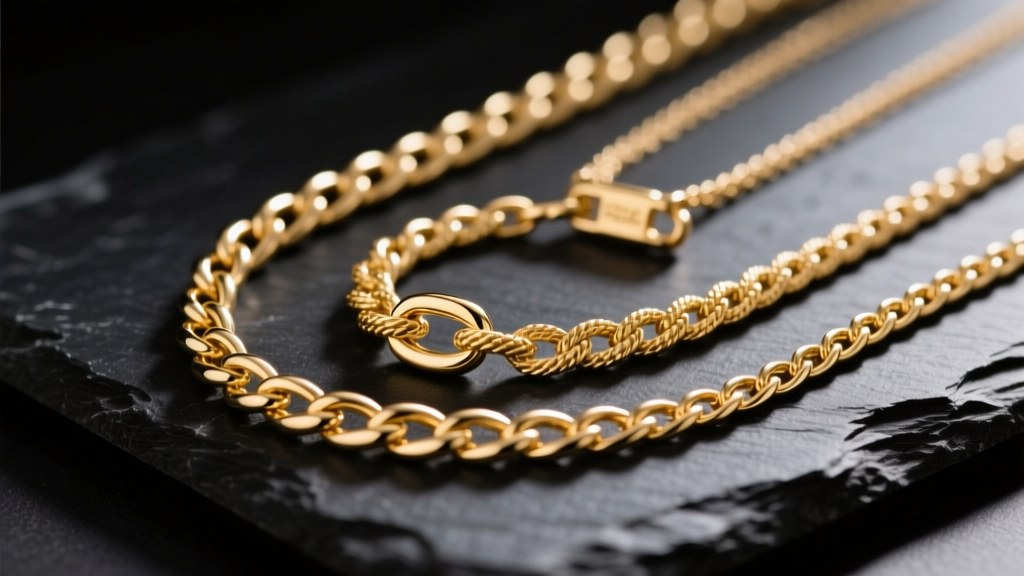
Step 3: Selecting the Right Chain Link Architecture
The structural design of the links dictates how the chain drapes, how it catches the light, and how easily it can be repaired. Here are the top four architectures for a gold men necklace:
1. The Cuban Link
Characterized by interlocking, flattened oval links that sit flush against one another. The Cuban link is the undisputed king of men's chains. It lays flat on the chest, resists tangling, and offers a massive, continuous surface area for light reflection. A 10mm to 12mm width is standard for a bold statement, while a 4mm to 6mm width offers a sophisticated, understated look.
2. The Figaro Chain
Originating in Italy, the Figaro features a pattern of three short links followed by one elongated link. It provides excellent visual texture and drapes beautifully. It is highly versatile and works exceptionally well as a base for religious or symbolic pendants.
3. The Rope Chain
Twisted links that mimic the appearance of a nautical rope. Rope chains are incredibly brilliant due to their multifaceted surfaces, which catch light from every angle. However, they are notoriously difficult to repair if a link snaps, making them better suited for lighter, occasional wear rather than heavy daily abuse.
4. The Franco Chain
A three-dimensional, V-shaped link pattern that creates a smooth, cylindrical, and highly flexible chain. Franco chains are virtually tangle-proof and possess immense tensile strength. If you plan to hang a heavy gemstone or diamond pendant, the Franco is the safest and most durable choice.
Step 4: Measuring for the Ideal Length and Width
A chain that is too short will look like a choker, while one that is too long will disappear beneath your clothing or swing awkwardly. To find your ideal length, use a soft tailor's measuring tape to measure your neck circumference, then add your desired drop.
- 18 Inches (Choker/Collarbone): Sits tight at the base of the neck. Best for men with slender necks or those pairing the chain with a V-neck shirt.
- 20 Inches (Standard/Crew Neck): Falls just below the collarbone. This is the most universally flattering length and sits perfectly inside the collar of a standard crewneck t-shirt.
- 22 Inches (Mid-Chest): Drops a few inches below the collarbone. Ideal for men with larger neck circumferences or those who want the chain to rest visibly over a button-down shirt.
- 24 to 30 Inches (Statement/Layering): Falls to the sternum or lower. Reserved for heavy pendants, streetwear styling, or layering over hoodies and outerwear.
Proportion Rule: Match the chain's width to your body mass. A 3mm-5mm chain suits leaner builds, while men with broader shoulders and thicker necks should opt for 8mm-14mm widths to maintain visual balance.
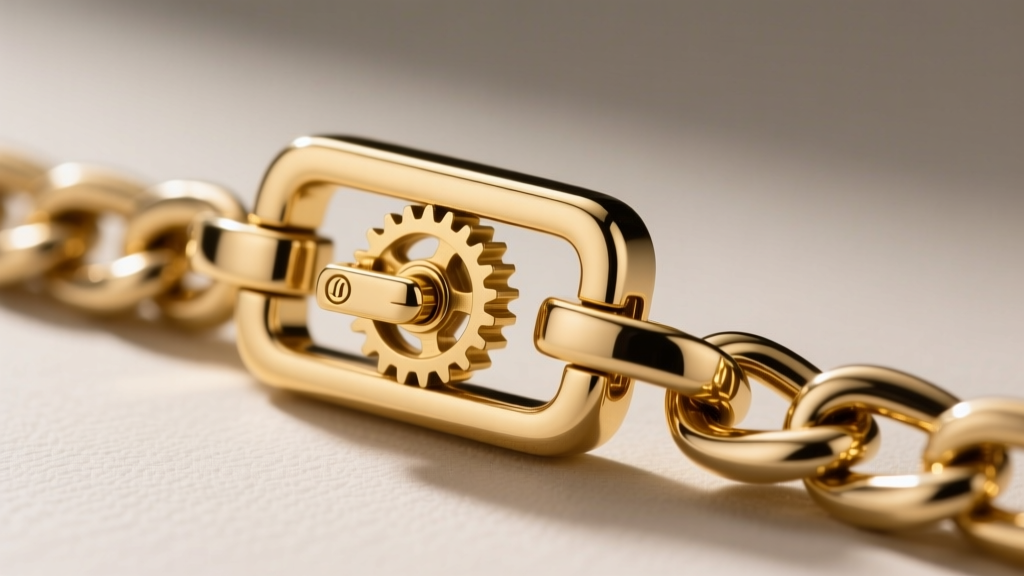
Step 5: Upgrading the Clasp Mechanism
The clasp is the most common point of failure on any necklace. Do not let a flimsy clasp compromise a $3,000 solid gold chain.
- Lobster Claw Clasp: Spring-loaded and reliable, but only suitable for lighter chains (under 8mm wide and under 50 grams). The internal spring can fail over time if subjected to heavy lateral pulling.
- Box Clasp (Tongue and Groove): The gold standard for heavy Cuban and Franco links. A folded piece of gold (the tongue) compresses and clicks securely into a square housing (the box).
- The Safety Latch: For any chain over 10mm or weighing more than 80 grams, a box clasp must be paired with a figure-eight safety latch—a secondary wire loop that snaps over a side peg to prevent catastrophic loss if the primary box mechanism is accidentally depressed.
Step 6: Daily Wear, Pricing, and Maintenance Protocol
In 2026, with gold spot prices remaining historically high, a quality 20-inch 14K solid gold Cuban link chain weighing 45 grams will typically retail between $2,400 and $3,200, accounting for the manufacturing premium over the raw melt value. Protecting this investment requires proper chemical awareness.
Critical Warning: Never wear your gold chain in a chlorinated swimming pool or hot tub. Chlorine reacts violently with the copper and zinc alloys in 14K and 18K gold, causing a phenomenon known as 'stress corrosion cracking.' This permanently weakens the crystalline structure of the metal, leading to sudden, catastrophic link failure.
For routine maintenance, skip the harsh commercial jewelry dips. Instead, use a few drops of mild, phosphate-free dish soap in warm water. Soak the chain for ten minutes, gently agitate it with a soft-bristled baby toothbrush to dislodge dead skin and sebum trapped in the links, rinse thoroughly, and dry with a microfiber cloth. By following this step-by-step framework, your gold men necklace will remain a flawless, enduring staple of your wardrobe for decades to come.


