Cleopatra Necklace Gold: 2026 Trend & Style Guide
Analyze the 2026 cleopatra necklace gold trend. Explore material grades, structural anatomy, styling frameworks, and investment tiers.

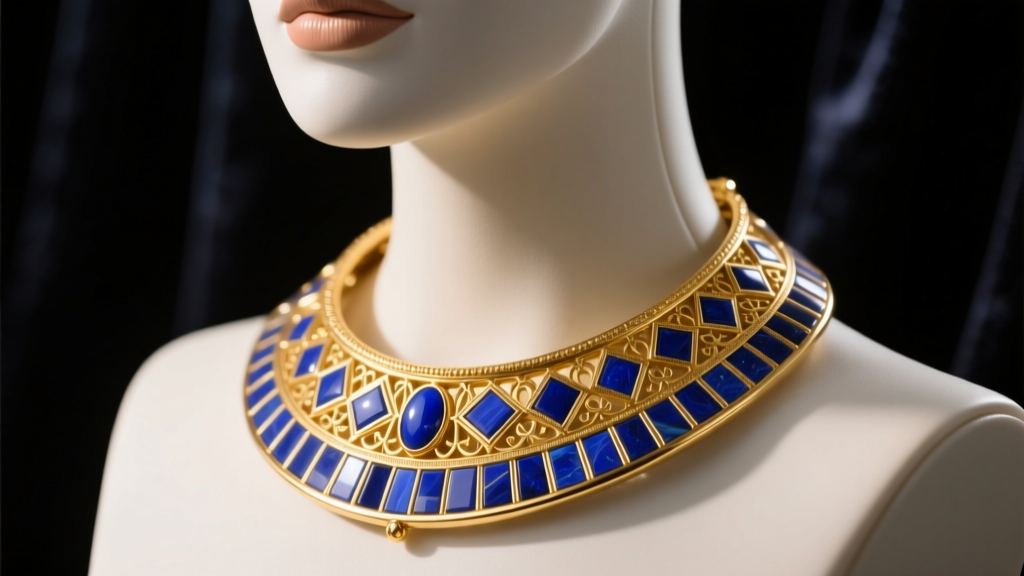
The jewelry landscape of 2026 has decisively pivoted from the understated whispers of quiet luxury toward heritage maximalism. At the forefront of this archaeological revival is the commanding presence of ancient-inspired collars. Searches for the classic cleopatra necklace gold design have surged over the past eighteen months, driven by a cultural desire for pieces that carry historical weight, structural drama, and undeniable opulence. Unlike the delicate layering trends that dominated the early 2020s, this movement is about singular, architectural focal points that dictate the entire silhouette of an outfit.
Historically, the broad collar (or usekh) was a symbol of immense power and divine connection in ancient Egypt, often crafted from gold and semi-precious stones. Today, as documented by The Metropolitan Museum of Art, these historical artifacts continue to influence contemporary high jewelry and demi-fine markets alike. However, translating a 4,000-year-old royal garment accessory into a functional, modern necklace requires advanced metallurgical engineering and precise styling knowledge. This guide deconstructs the anatomy, material science, and styling frameworks necessary to master this trend.
Structural Anatomy: What Makes a True Cleopatra Collar?
A genuine Cleopatra-style collar is not merely a thick chain; it is an articulated shield that rests across the clavicle and upper sternum. The defining characteristic of a high-quality piece is its articulation. Because these necklaces cover a broad surface area of the chest (often spanning 5 to 7 inches in width), a rigid construction would be deeply uncomfortable and prone to snapping under its own weight.
Master jewelers achieve flexibility through one of two methods:
- Piano Hinging: Individual gold segments are connected by microscopic steel or 14k gold rivets, allowing the necklace to drape fluidly over the collarbone while maintaining a solid metallic facade.
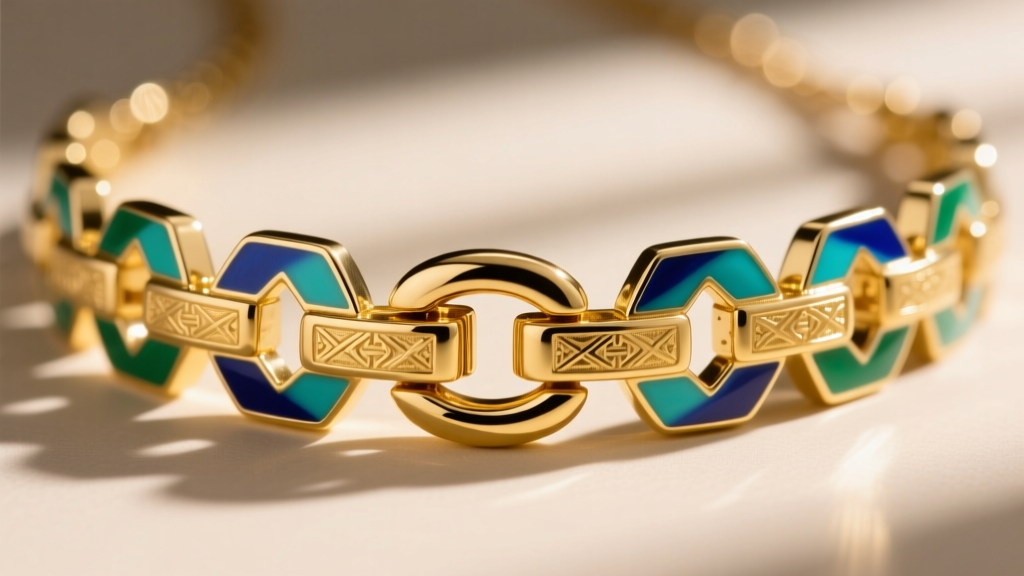
- Interlocking Mesh: Woven gold wire (often in a Byzantine or Egyptian mesh pattern) that provides a textile-like drape while retaining the heavy, reflective surface of solid gold.
Furthermore, the weight distribution is critical. A solid gold bib necklace of this scale typically weighs between 90 and 160 grams. To prevent the piece from sliding backward and choking the wearer, the clasp mechanism must act as a counterweight. High-end iterations utilize a double-box clasp with a figure-8 safety catch, often weighing up to 15 grams on its own to anchor the back of the neck.
Material Matrix: Gold Purity vs. Structural Integrity
When investing in this category, understanding the relationship between gold purity and structural durability is paramount. The Gemological Institute of America (GIA) outlines how alloy compositions dictate both the color and the tensile strength of the metal. Because a Cleopatra collar requires robust hinges and clasps, the choice of karatage directly impacts the longevity of the piece.
| Material Grade | Purity / Standard | Structural Integrity | 2026 Market Price Range |
|---|---|---|---|
| 18k Yellow Gold | 75% Gold (750) | Moderate. Rich color but softer; requires thicker gauge hinges (14-16g) to prevent bending. | $6,500 - $18,000+ |
| 14k Yellow Gold | 58.5% Gold (585) | High. Ideal for intricate, articulated segments and heavy box clasps due to higher alloy content. | $2,800 - $7,500 |
| Gold Vermeil | 2.5+ microns 18k over Sterling | Variable. Base silver is soft; hinges may wear down over years of heavy use. | $350 - $850 |
| PVD Gold Plating | Titanium or Steel base | Extremely High. Base metal is rigid, but lacks the traditional warmth and weight of solid gold. | $150 - $400 |
For collectors seeking heirloom quality, 14k gold offers the optimal balance of structural resilience for the moving parts of the collar, while 18k gold is preferred for the central, non-articulated bib sections where the rich, buttery color is most visible.
Styling Framework: Necklines and Proportions
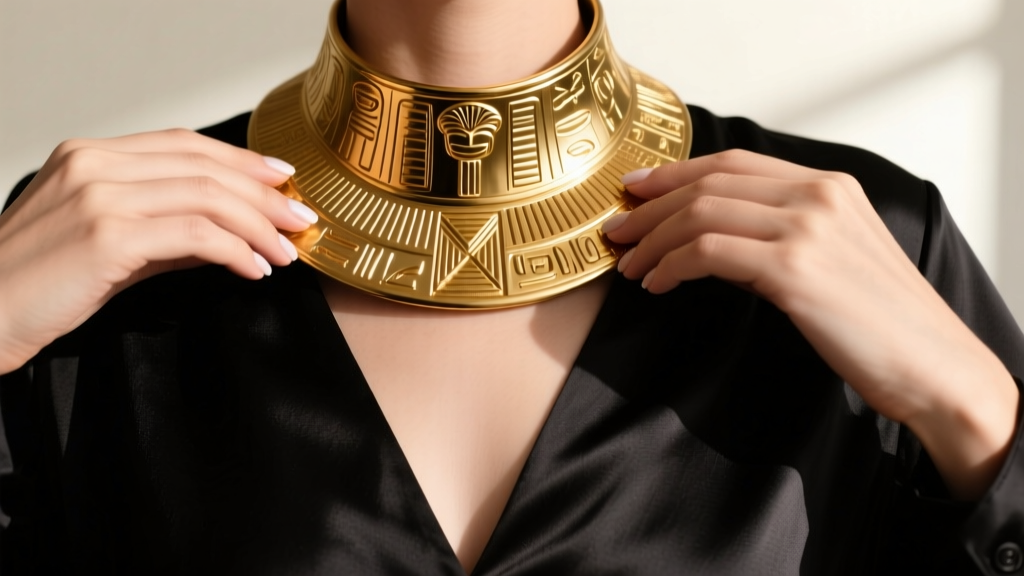
The most common failure point when styling a broad collar is ignoring the geometry of the garment beneath it. A Cleopatra necklace demands negative space to frame its architectural lines. The standard inner circumference of these collars is 14 to 15 inches, meaning they sit flush against the base of the neck.
The Ideal Neckline Pairings
- The Deep Plunge (V-Neck): A silk blouse or structural crepe dress with a V-neckline that drops at least 6 inches below the collarbone is the optimal canvas. The V-shape mirrors the tapered bottom of the bib, elongating the neck and preventing the jewelry from competing with the fabric.
- The Off-The-Shoulder Structured Crepe: A straight, horizontal neckline that sits 3 inches below the clavicle allows the collar to rest entirely on bare skin. This provides the highest contrast and is the preferred styling method for red-carpet events in 2026.
- The Ribbed Cashmere Crew: For high-low daytime styling, a tight-fitting, fine-gauge cashmere crewneck sweater acts as a matte backdrop. The contrast between the soft, light-absorbing wool and the highly polished gold segments creates a striking visual tension.
What to Avoid
Never pair a broad collar with a patterned garment or a ruffled blouse. The visual noise of floral prints or fabric texture will clash with the intricate metalwork of the necklace. Additionally, avoid layering a Cleopatra collar with longer pendant chains; the collar is designed to be an absolute sovereign piece, and introducing secondary necklaces diminishes its impact and creates physical tangling hazards.
Sourcing & Authenticity Checks
As the trend accelerates, the market has seen an influx of mass-produced, hollow-stamped imitations. When sourcing a solid gold piece, turn the necklace over and inspect the reverse of the clasp and the central segments. You must find a legally registered maker's mark alongside the purity hallmark (e.g., '750' or '14K').
If you are purchasing a piece featuring the traditional Egyptian revival stones—such as lapis lazuli, turquoise, or carnelian—verify that these are genuine, bezel-set stones rather than dyed howlite or resin composites. Genuine lapis will exhibit natural pyrite flecks (gold specks) and calcite veining, whereas synthetic versions will appear uniformly opaque and overly saturated.
Maintenance Protocols for Heavy Articulated Gold
Owning a heavy, multi-segment gold collar requires a specialized maintenance regimen that differs vastly from standard chain care. The primary vulnerability of the Cleopatra necklace is its articulation points. Over time, skin oils, lotions, and environmental dust can accumulate in the microscopic gaps between the piano hinges, leading to stiffness and accelerated wear on the rivets.
The Safe Cleaning Method
- Preparation: Mix a solution of lukewarm water and a few drops of phosphate-free dish soap in a shallow glass dish.
- Agitation: Submerge the necklace for no more than five minutes. Use a soft-bristled baby toothbrush to gently sweep across the hinge lines, brushing in the direction of the articulation to dislodge debris.
- Rinsing & Drying: Rinse under a gentle stream of distilled water. Pat dry with a lint-free microfiber cloth, and use a can of compressed air to blow out any remaining moisture from the clasp mechanism and hinge rivets.
Critical Warning: Never place a Cleopatra collar in an ultrasonic cleaner, especially if it features cold enamel work or porous semi-precious stones like turquoise or malachite. The high-frequency vibrations will shatter the enamel and fracture the internal structure of porous stones, causing irreversible damage to the piece.
By understanding the engineering, material science, and styling geometry behind these magnificent pieces, you can confidently navigate the 2026 heritage maximalism trend. A well-chosen, expertly maintained gold collar is not merely an accessory; it is a wearable artifact that bridges ancient artistry with contemporary design.


